Platycephalus laevigatus
Sand-coloured and half-buried off South Australia and Victoria in 15 to 19C water, spotting a Rock Flathead is a game of looking twice.
Safety warning
The spines on the head and gill covers can deliver a painful wound if you put a hand down on one without looking, which is easy to do given how well it blends into sand. Keep your hands off the bottom in areas where it's been logged, and if you're stung, treat it like any venomous fish sting and seek medical attention.
If you're stung
Venomous spinesGeneral first-aid guidance, not a substitute for professional medical care. In an emergency, call your local emergency number.
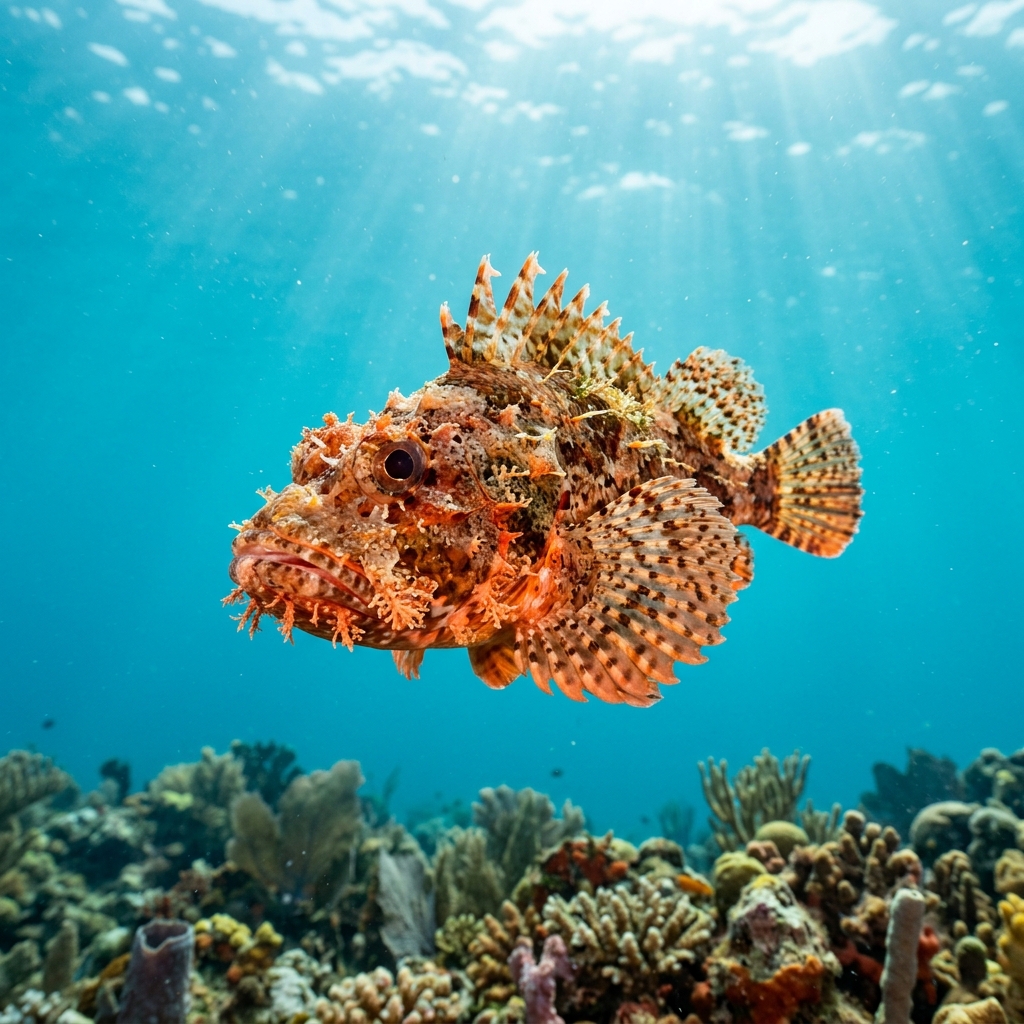
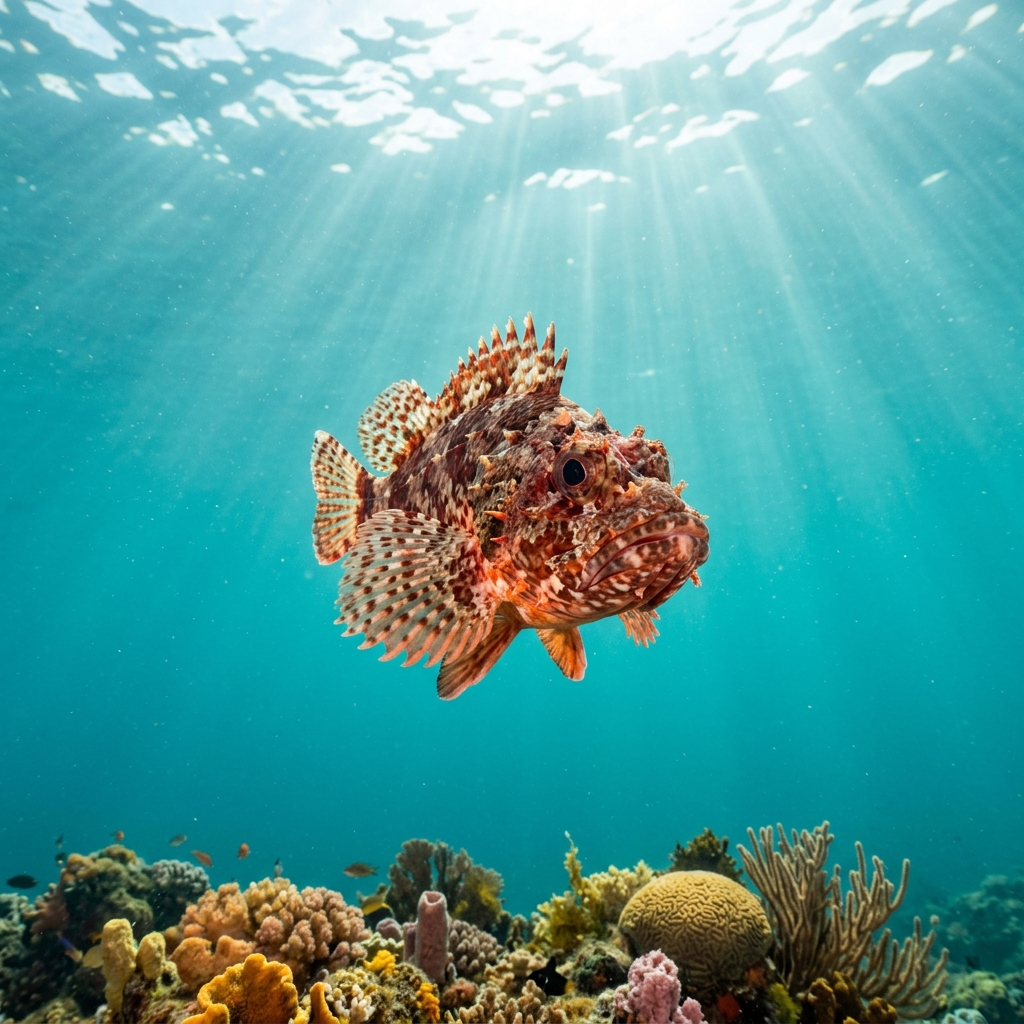
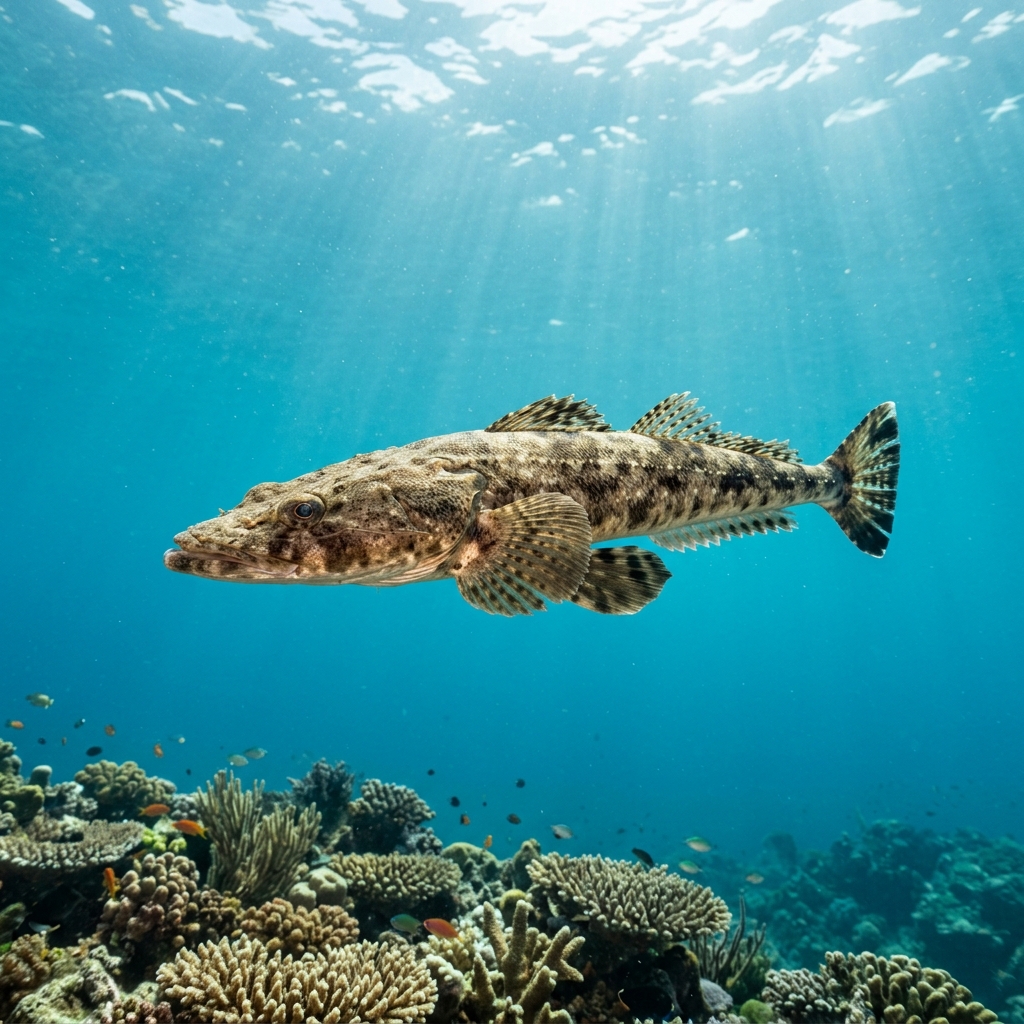
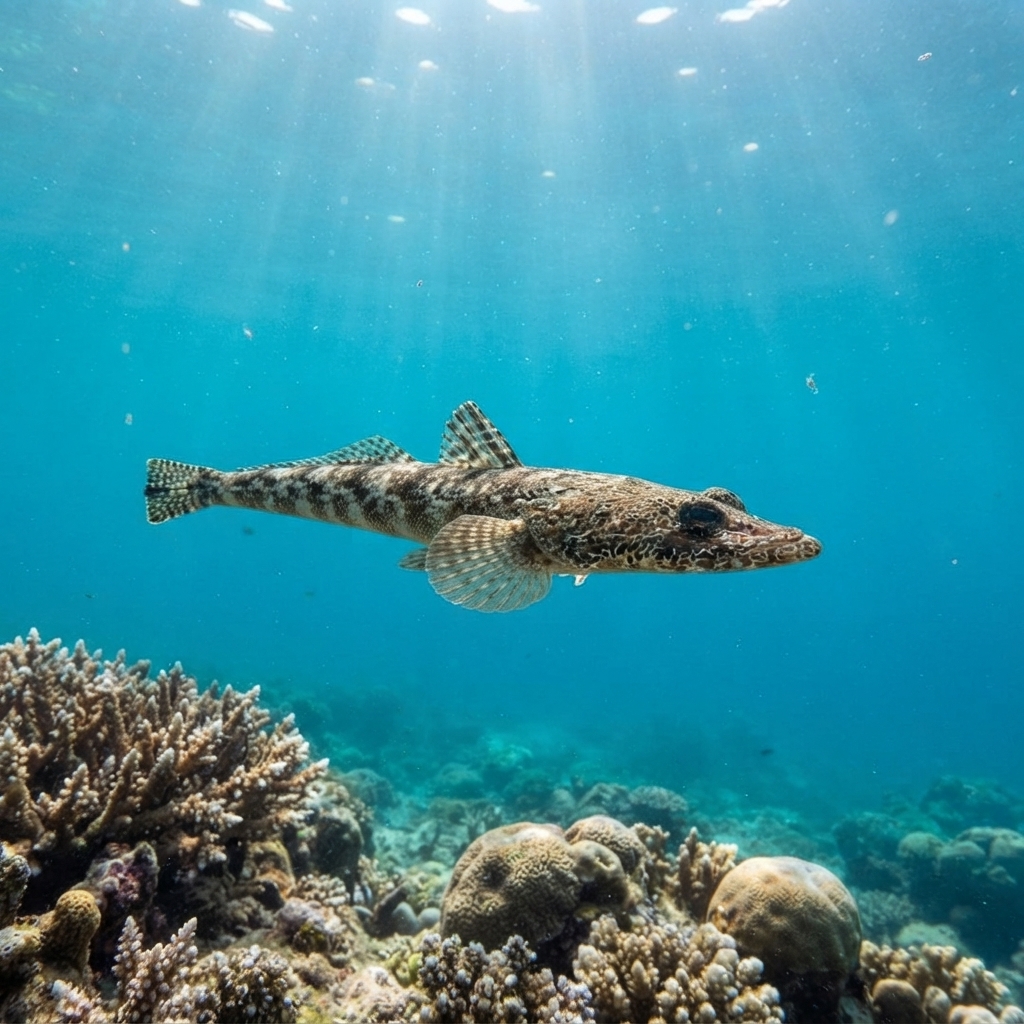
Grows to around 35 cm, with a flattened, wedge-shaped head and a long, tapering body built for lying flat on sand or weed. Colouring is mottled brown, grey and sandy tan, blending closely with the seabed, and the eyes sit raised on top of the head so it can watch you while the rest of it stays buried. Look for two small ridges and spines on the head and gill cover, which is exactly where you don't want to put a hand.
Spends most of its time lying motionless on sand, gravel or weedy bottom, often partly covered, relying on camouflage rather than flight to avoid attention. Divers usually find it by scanning the substrate closely rather than spotting movement, and it will often hold still even as you approach before darting off in a short burst if pressed. Most encounters happen on the bottom during the day, close to where sand meets reef or weed.
That flattened profile and buried posture is an ambush strategy: it waits for small fish and crustaceans to wander close before lunging up from the sand.
Sightings don't show a clear seasonal pattern, and the observed water temperature range of 15.2 to 18.7C fits the cooler-water conditions typical of southern Australian diving through most of the year. Treat it as a year-round encounter rather than something tied to a particular month.
This one's an Australian speciality, most often logged in South Australia and Victoria, with a smaller number of sightings from Western Australia. South Australia carries the most sites on record, so temperate reefs, sand flats and weedy bays there are the strongest bet.
Mapping where Rock Flathead is logged…
They're logged almost exclusively in Australia, with the strongest records from South Australia and Victoria and a handful of sightings in Western Australia. South Australian sand and weed sites carry the most reports.
There's no strong season in the sighting data, and the species is recorded in cool water between roughly 15 and 19C, so it's reasonable to expect them year-round on southern Australian dive sites.
Yes, they carry venomous spines on the head and gill covers that can cause a painful wound if handled or accidentally pressed against. Because they camouflage so well against sand, the real risk is putting a hand down without looking.
Look for a flattened, wedge-shaped head, a long tapering body around 35 cm, and mottled brown-grey colouring that matches the sand or weed it's lying on. The eyes sit raised on top of the head, often the only obvious part visible.
They typically reach about 35 cm in length, with a flat, elongated body shape suited to lying still on the seabed rather than swimming in open water.
They rely on ambush rather than pursuit, staying buried or motionless on sand and weed until prey ventures close enough for a quick strike upward.
Site and sighting data is aggregated from diver logs, iNaturalist and GBIF. For taxonomy and conservation status:
Madeira Rockfish
2,773 sites