Centrolabrus exoletus
Small, secretive wrasse found in cool Atlantic water from 8.9 to 13 C, best searched for around Brittany and the Algarve.
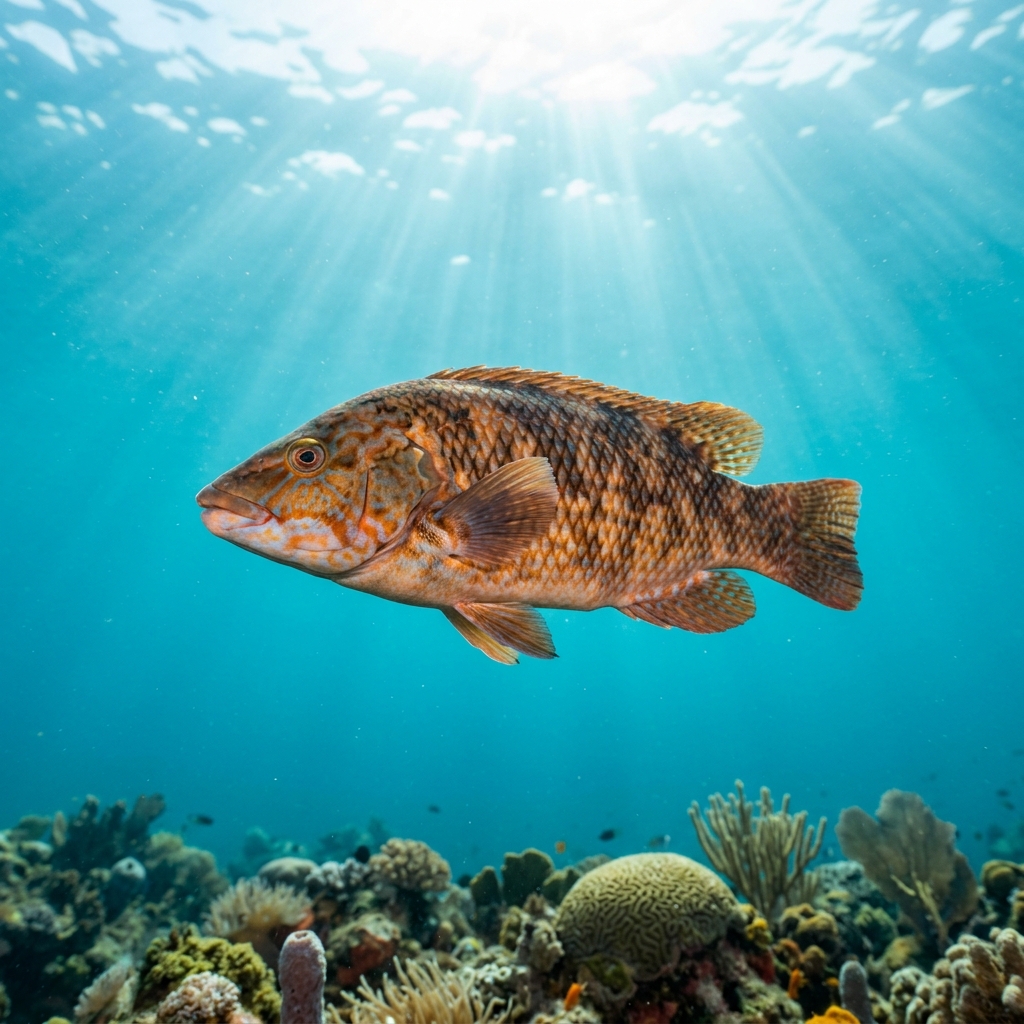
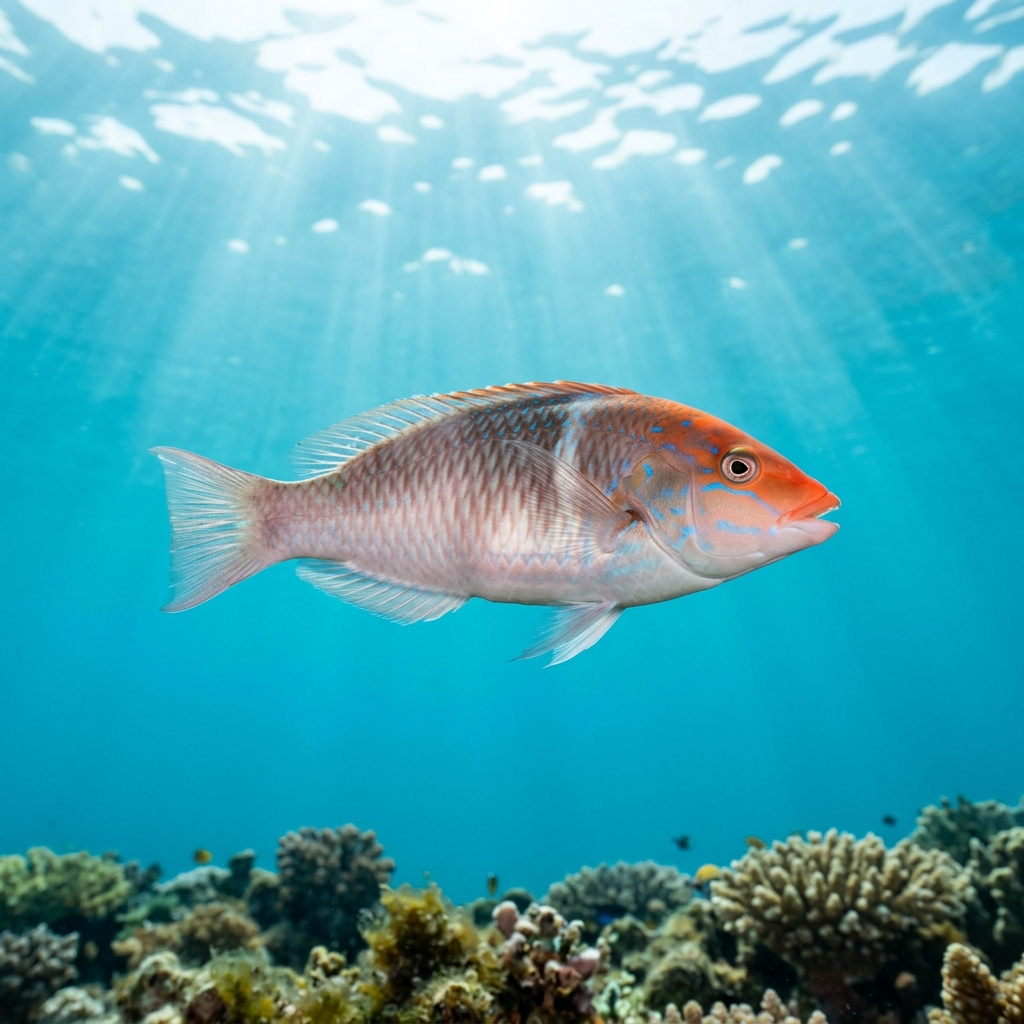
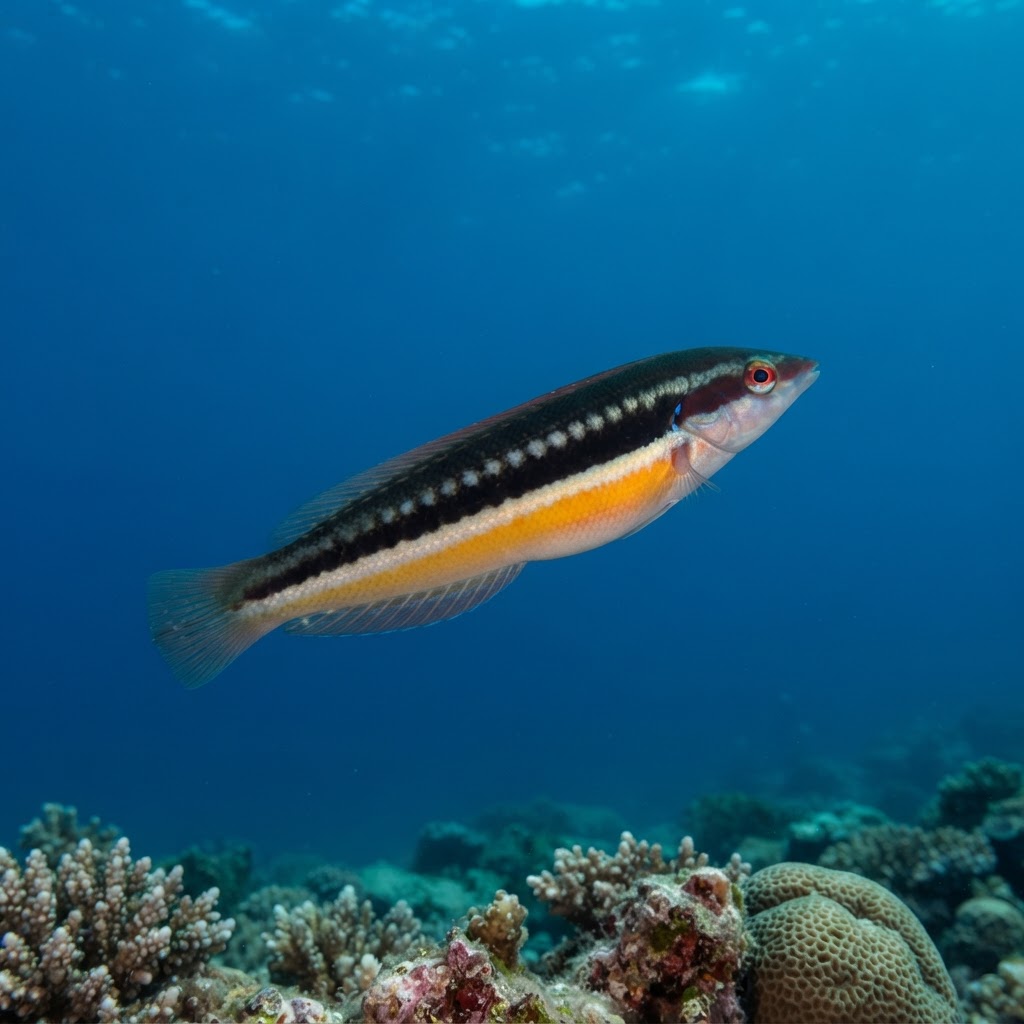
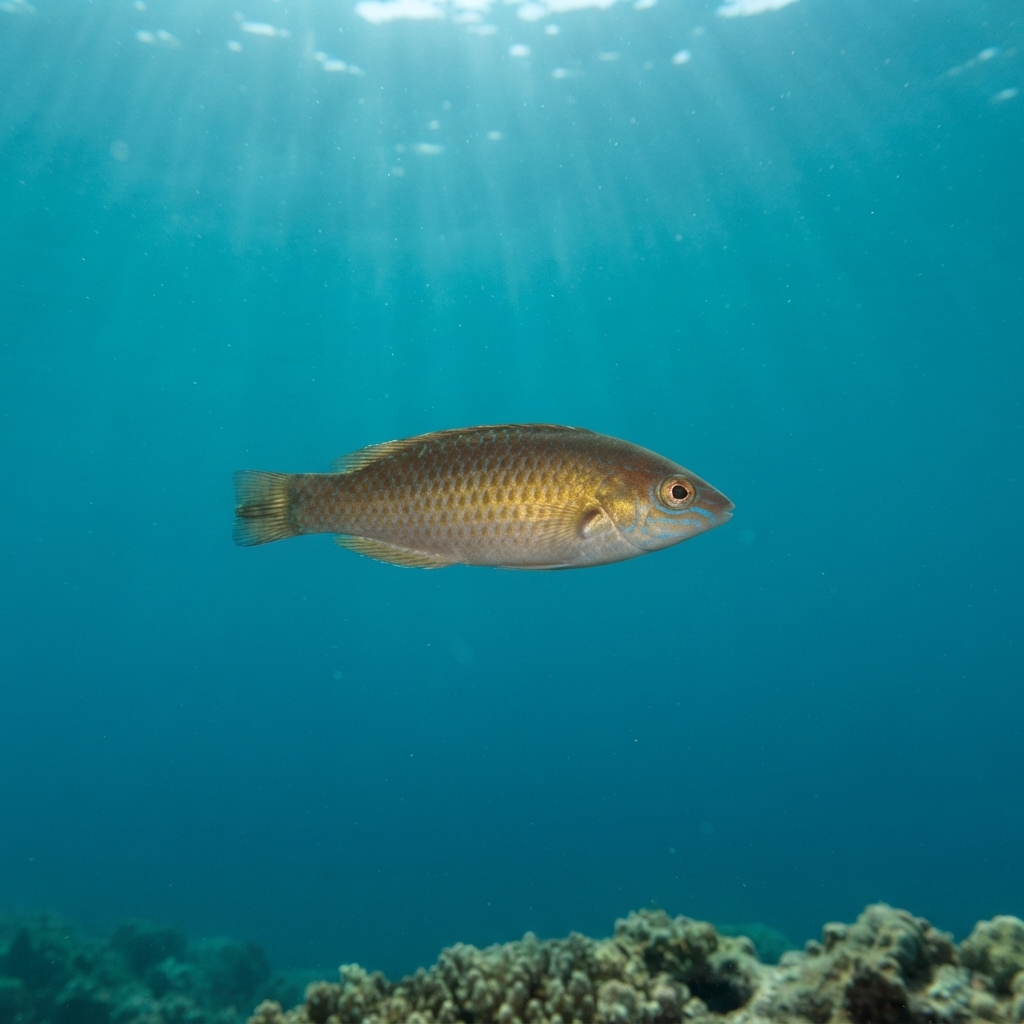
A small, slim wrasse that tops out around 13 cm, easy to overlook against rocky reef and kelp holdfasts. Look for a slender, torpedo-shaped body in olive-brown to greenish tones, often with a darker blotch near the base of the tail. It moves in short darting bursts close to rock and weed rather than swimming out in open water, which is usually your first clue you have found one rather than a more common wrasse species.
Expect a quick, low-key encounter rather than a lingering one. Rock cook tend to stick close to rocky ground and kelp, picking at small invertebrates and darting for cover the moment a diver gets too close. They are logged as rare to uncommon at nearly every site, so most sightings are brief glimpses rather than extended observation time.
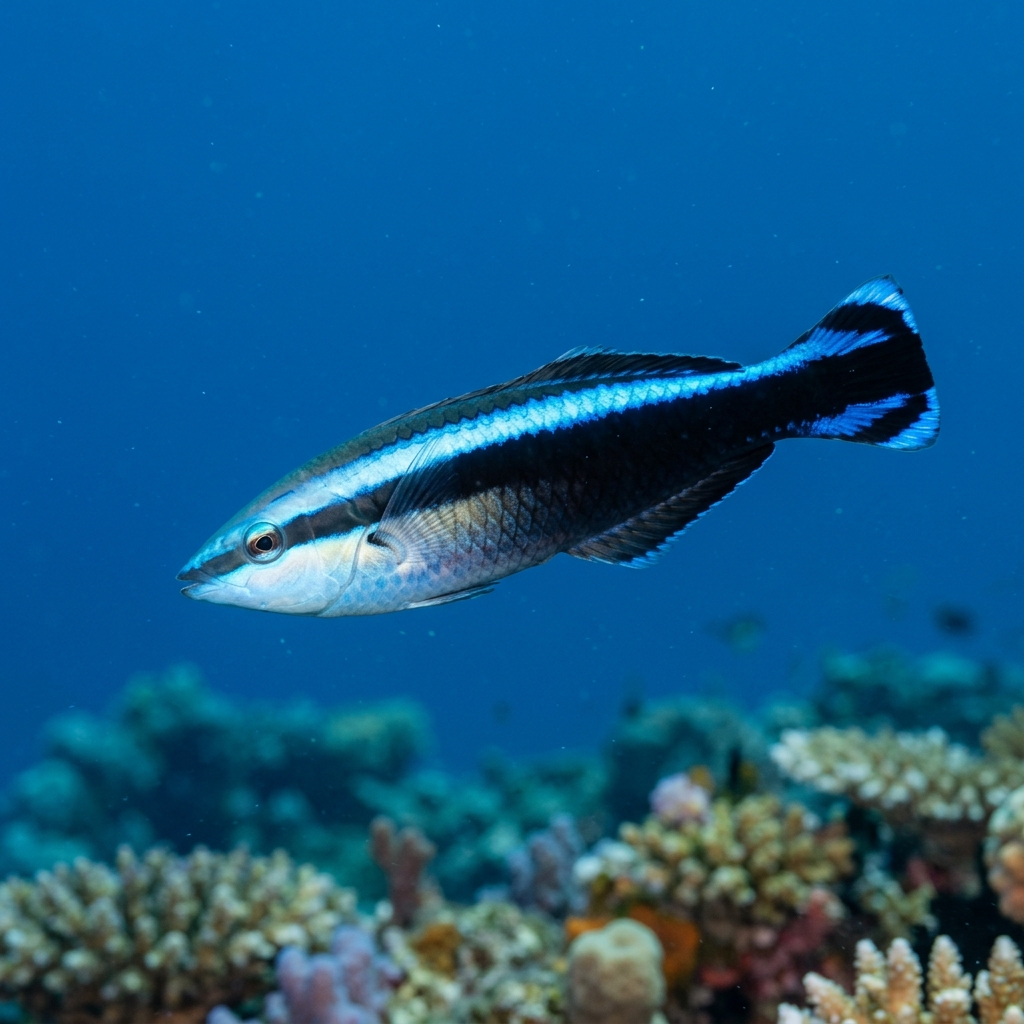
Like many small wrasses, rock cook are known to act as cleaners, picking parasites off other fish, a habit that makes them worth watching if you spot one lingering near a larger resident fish rather than fleeing into the rocks.
There is no clear seasonal pattern in the sighting data, so treat this as a year-round species wherever it occurs. It sits happily in cool water from roughly 9 to 13 C, which is consistent with the temperate Atlantic and North Sea sites where it is found.
Most reliably logged around Brittany in France and along Portugal's Algarve and Lisbon coasts, with a strong presence in Galicia, Spain, too. Divers in the UK also find them fairly regularly across England, Northern Ireland and Wales, and a smaller number turn up on Norway's Vestlandet coast and in Sweden.
Mapping where Rock Cook is logged…
Brittany in France and Portugal's Algarve and Lisbon coasts have the most logged sightings, with Galicia in Spain and various UK regions including England, Northern Ireland and Wales also reliable spots. Smaller numbers are recorded off Norway's Vestlandet coast and in Sweden.
There is no strong seasonal pattern in the data, so they can turn up any time of year at the right rocky sites. Water temperatures where they are found range from about 9 to 13 C, typical of temperate Atlantic diving conditions year-round.
Look for a small, slender wrasse around 13 cm long in olive-brown or greenish tones, often with a dark mark near the tail base. It stays close to rock and kelp and moves in quick short bursts rather than swimming openly.
They are a small species, typically reaching about 13 cm in length, which keeps them easy to miss among rocky reef and weed.
No, they pose no danger to divers. They are a small, harmless wrasse that tends to avoid close contact rather than approach.
Not particularly. Across the sites where they are recorded, most divers log them as rare, with a smaller number of sites reporting them as uncommon, so spotting one takes a bit of patient looking around rocky ground.
Site and sighting data is aggregated from diver logs, iNaturalist and GBIF. For taxonomy and conservation status:
Bird Wrasses
3,632 sites