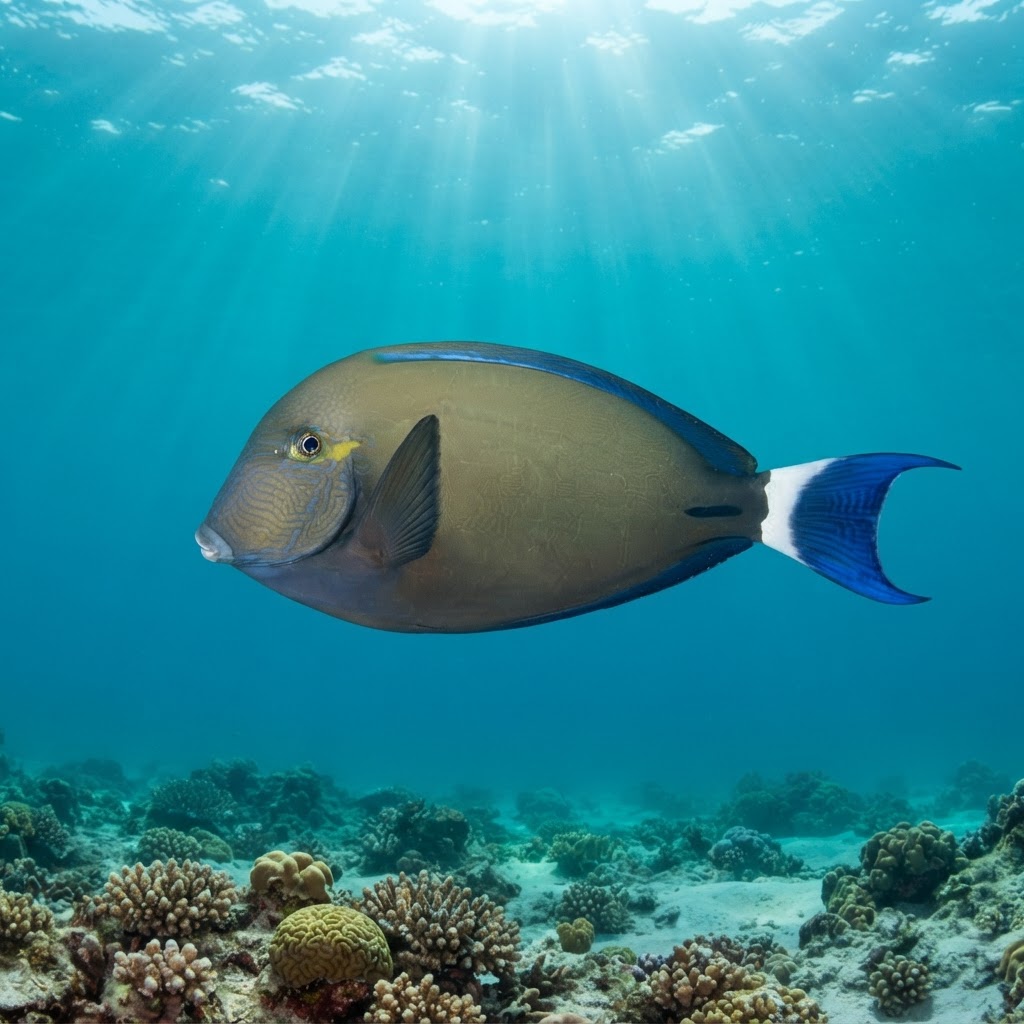
Acanthurus blochii
Grey-bodied surgeonfish with a white tail band, most reliably logged around Hawaii's reefs in 25-29°C water year-round.
Grey to brownish body with a distinctive pale white crescent band across the base of the tail, which is the quickest tell underwater. Look for a fine orange or yellow line running along the base of the dorsal fin and a black spine near the tail base, typical of the surgeonfish family. Adults reach around 31 cm and often show a slightly paler patch around the eye and gill area.
Usually seen grazing alone or in loose groups over algae-covered reef flats and rubble zones, working the surface with quick nips rather than lingering in one spot. They're generally unbothered by divers, holding their feeding line unless approached too directly, and tend to turn up in that shallow 2 to 15 m band where sunlight keeps the algae growing. Common but not usually abundant at any one site, so expect a handful of individuals rather than a big school.
Like other surgeonfish, it carries a sharp, scalpel-like spine folded down near the tail base that it can flick out when threatened, which is where the family gets its name.
No clear seasonal pattern shows up in the data, and with a comfortable range of roughly 25 to 29°C, they're present on reefs year-round rather than tied to a particular month.
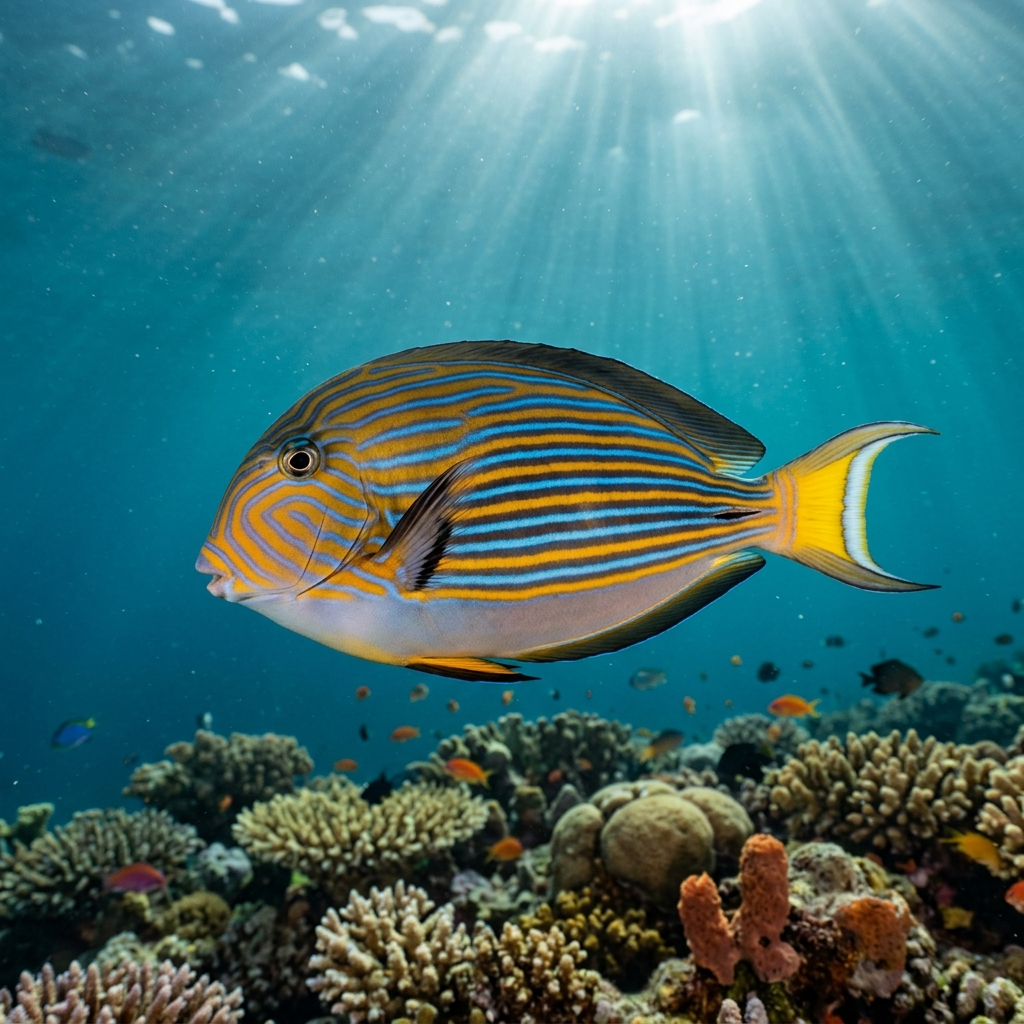
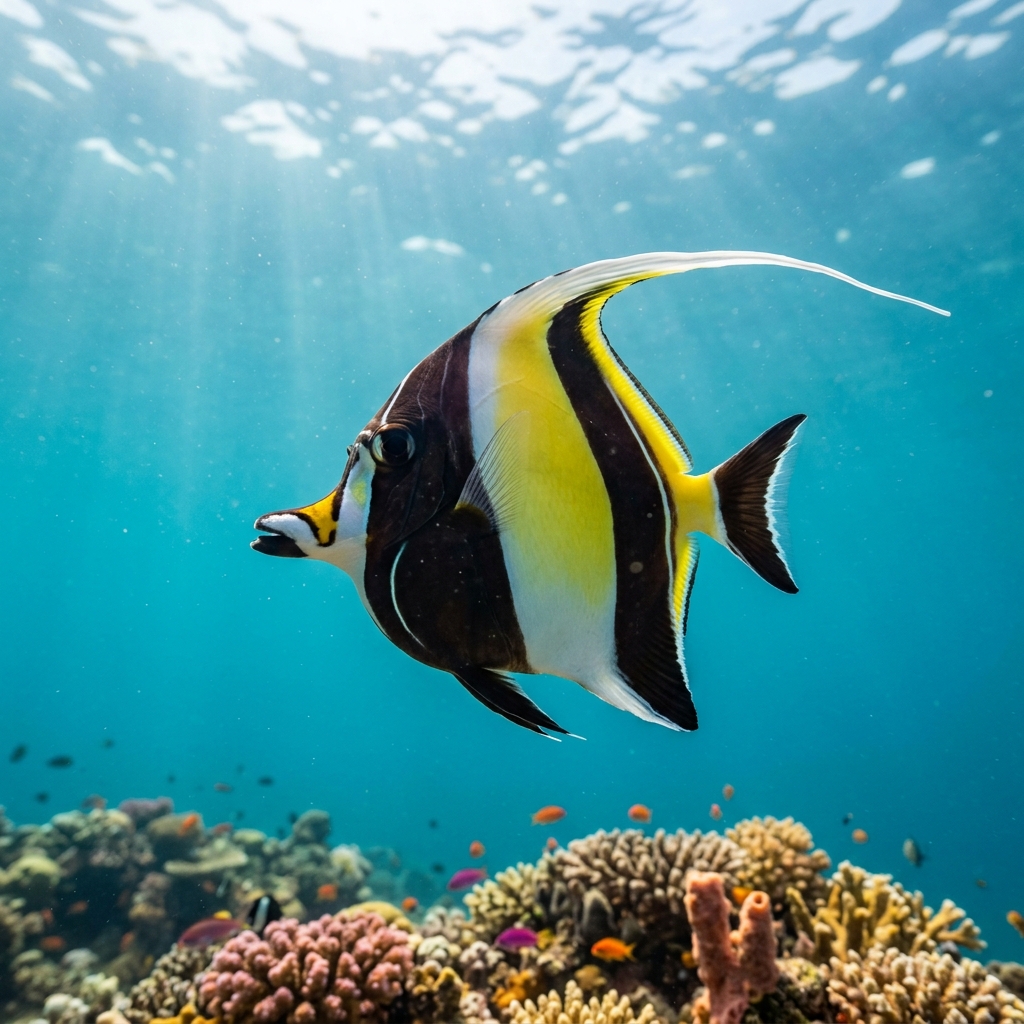
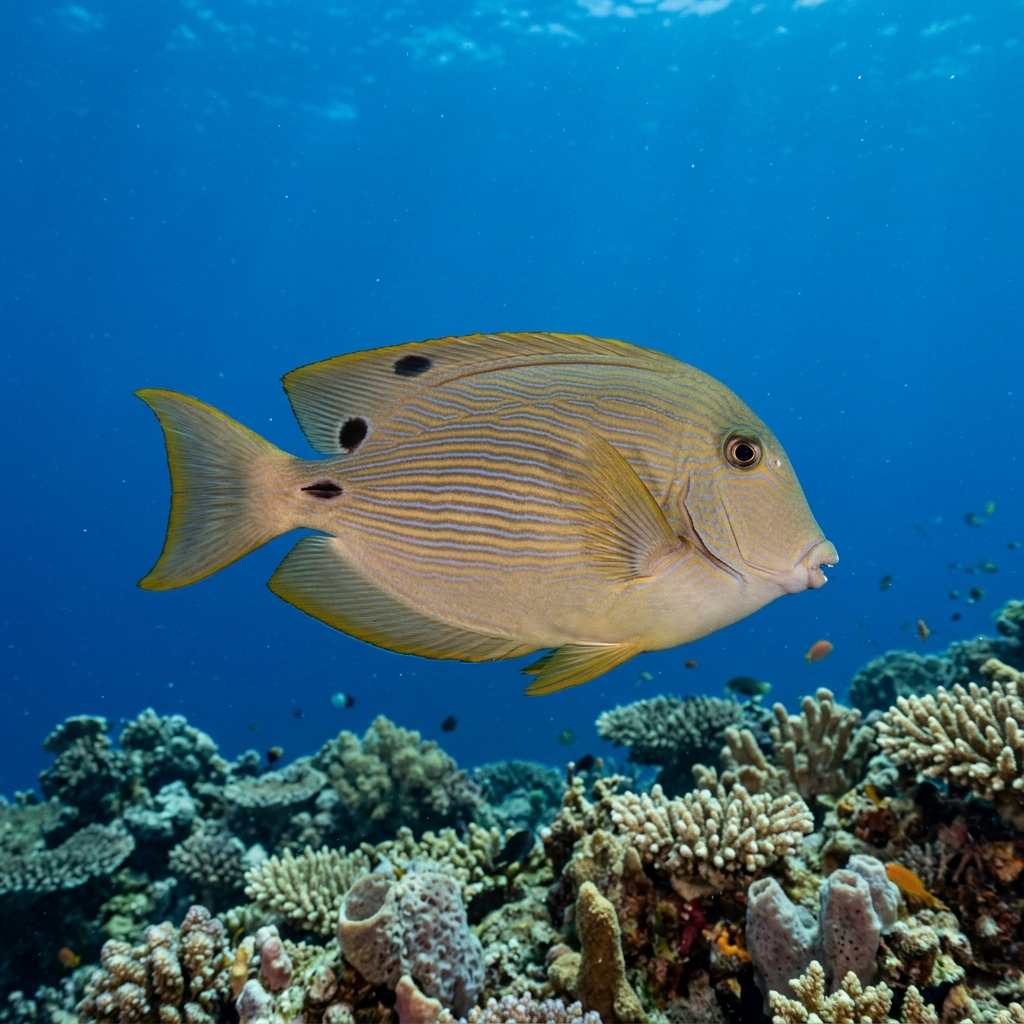
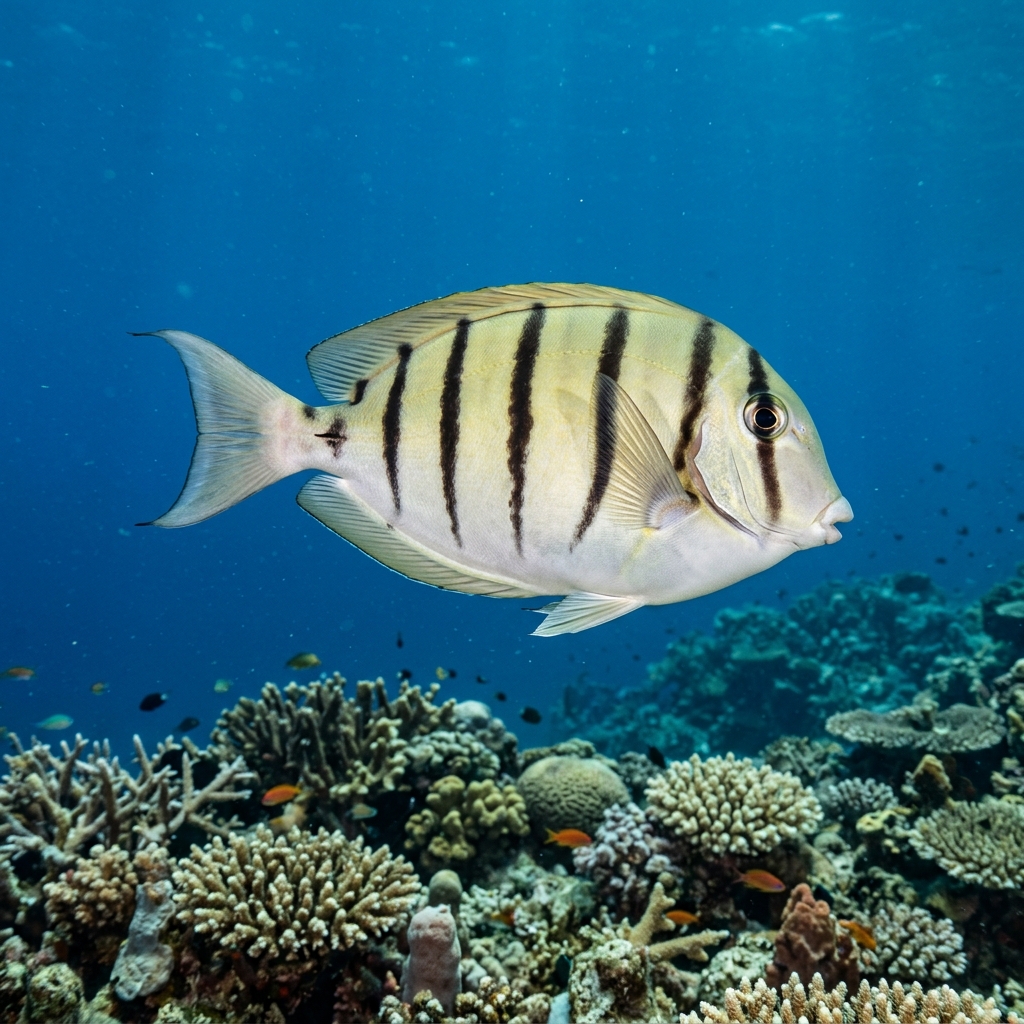
Reef neighbours a diver could mistake it for. Use the identification notes above to tell them apart.
By far the most consistent place to find them is Hawaii, especially reef sites across the islands, where sightings are logged far more densely than anywhere else. Beyond Hawaii, look for them on reefs in Queensland, Australia, and in French Polynesia's Society Islands, with smaller but steady populations around Nouméa in New Caledonia and Okinawa in Japan.
Mapping where Ringtail Surgeonfish is logged…
Hawaii is the standout location, with far more logged sightings there than anywhere else. Queensland, Australia, French Polynesia's Society Islands, New Caledonia's Nouméa region, and Okinawa in Japan also have recorded populations.
There's no strong seasonal signal in the data, so they can be seen year-round on tropical reefs within their preferred 25 to 29°C range.
Check the tail base for a pale white crescent band, paired with a thin orange line along the dorsal fin on an otherwise grey body. At around 31 cm, it's a mid-sized surgeonfish usually seen grazing alone over reef flats.
They typically grow to around 31 cm, a solid mid-sized reef fish easily spotted while grazing over algae-covered substrate.
No, they pose no threat to divers and will simply move off if approached too closely. Like all surgeonfish they carry a sharp tail spine for defence against predators, but it's not a diver hazard under normal conditions.
Site and sighting data is aggregated from diver logs, iNaturalist and GBIF. For taxonomy and conservation status:
Striped Surgeonfish
3,289 sites