Hologymnosus annulatus
An uncommon find across South Sinai and the Red Sea Riviera, active year-round in warm 25-29C water on Egypt's reefs.
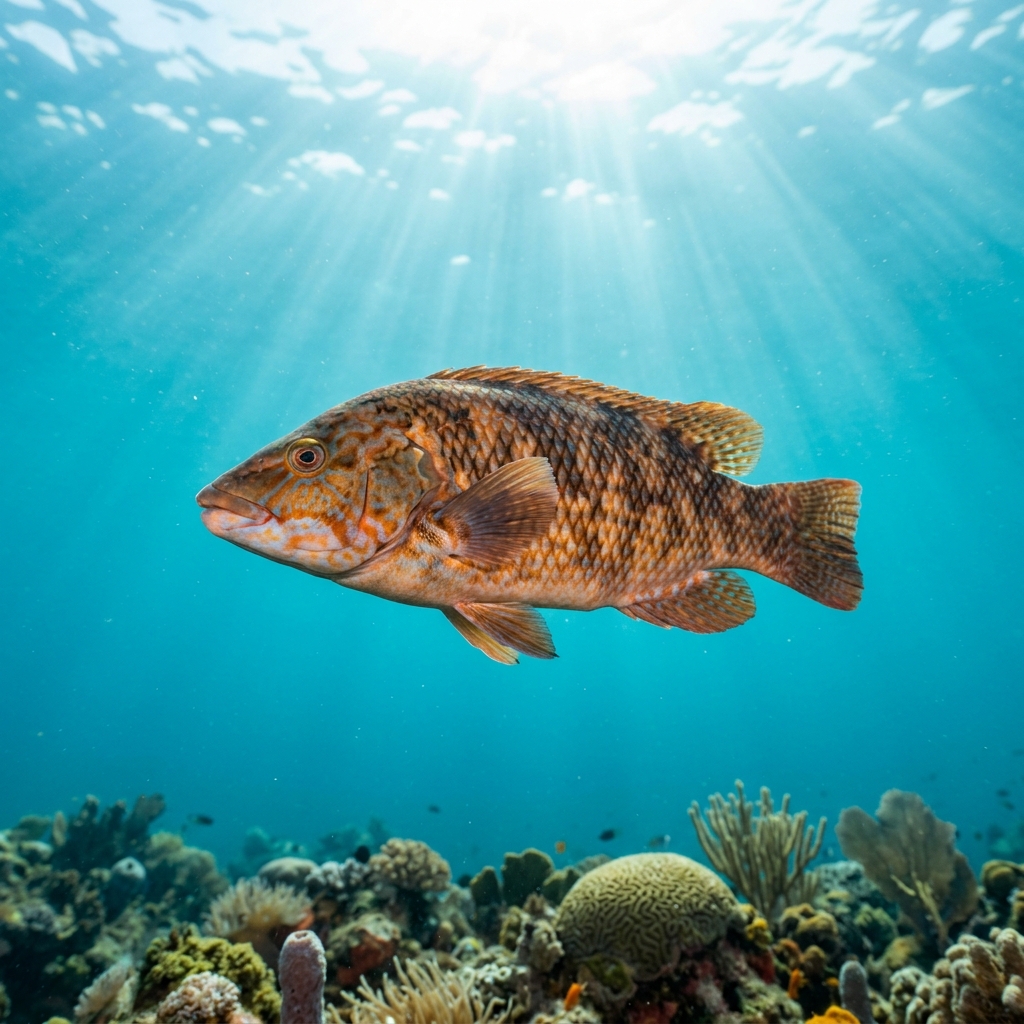
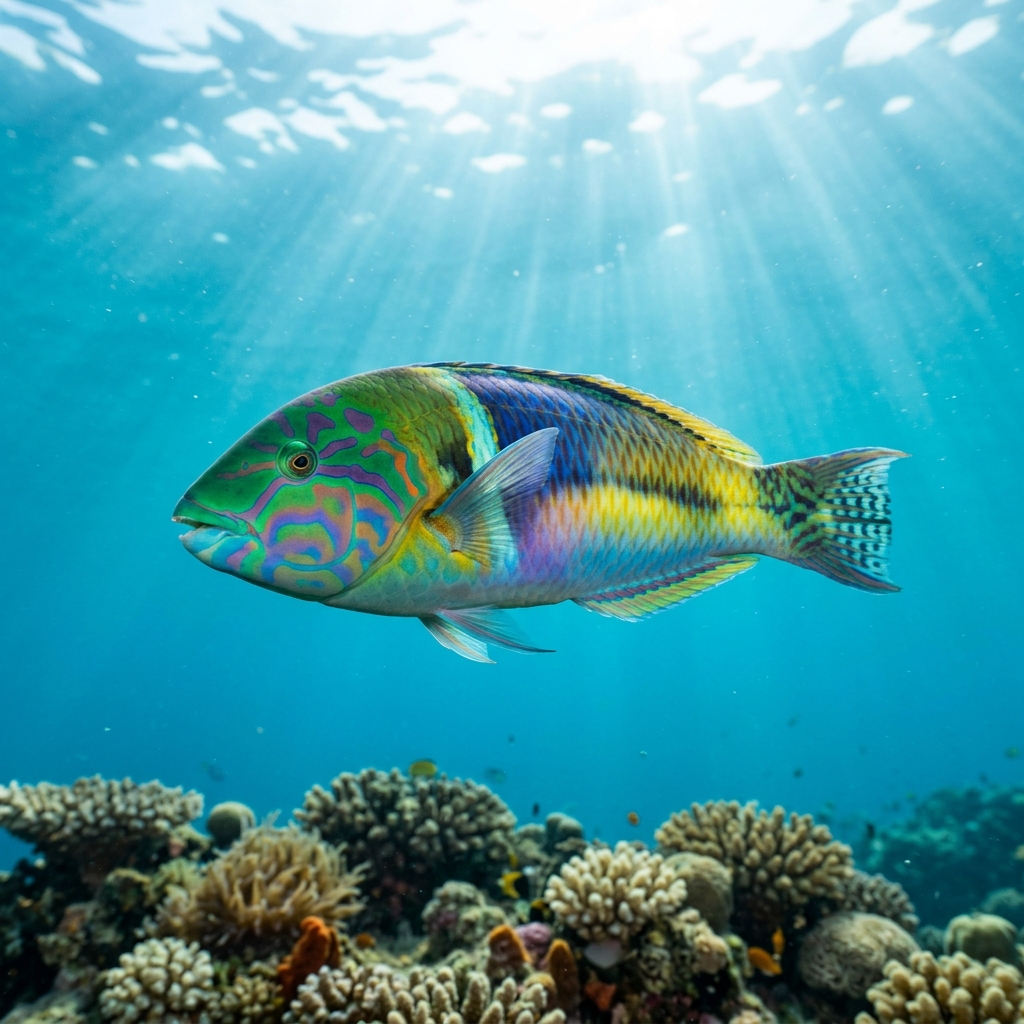
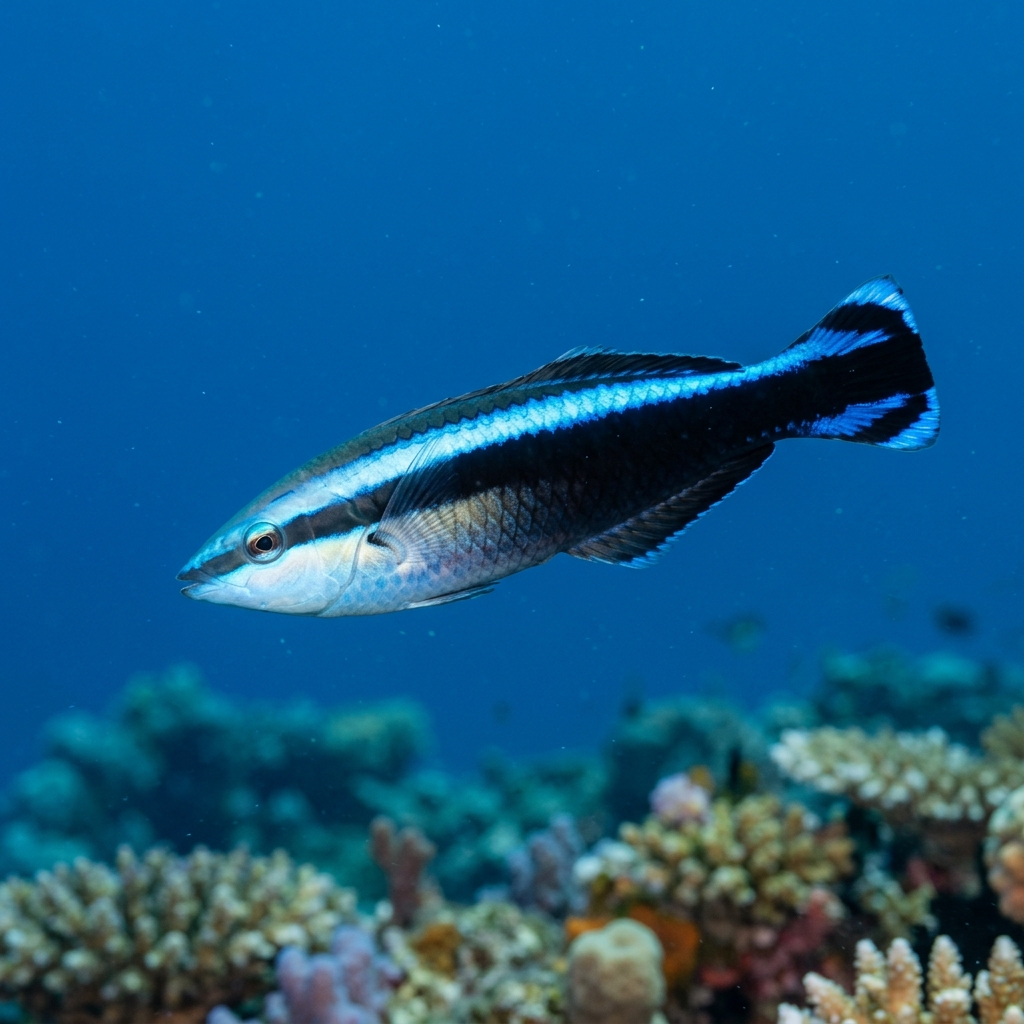
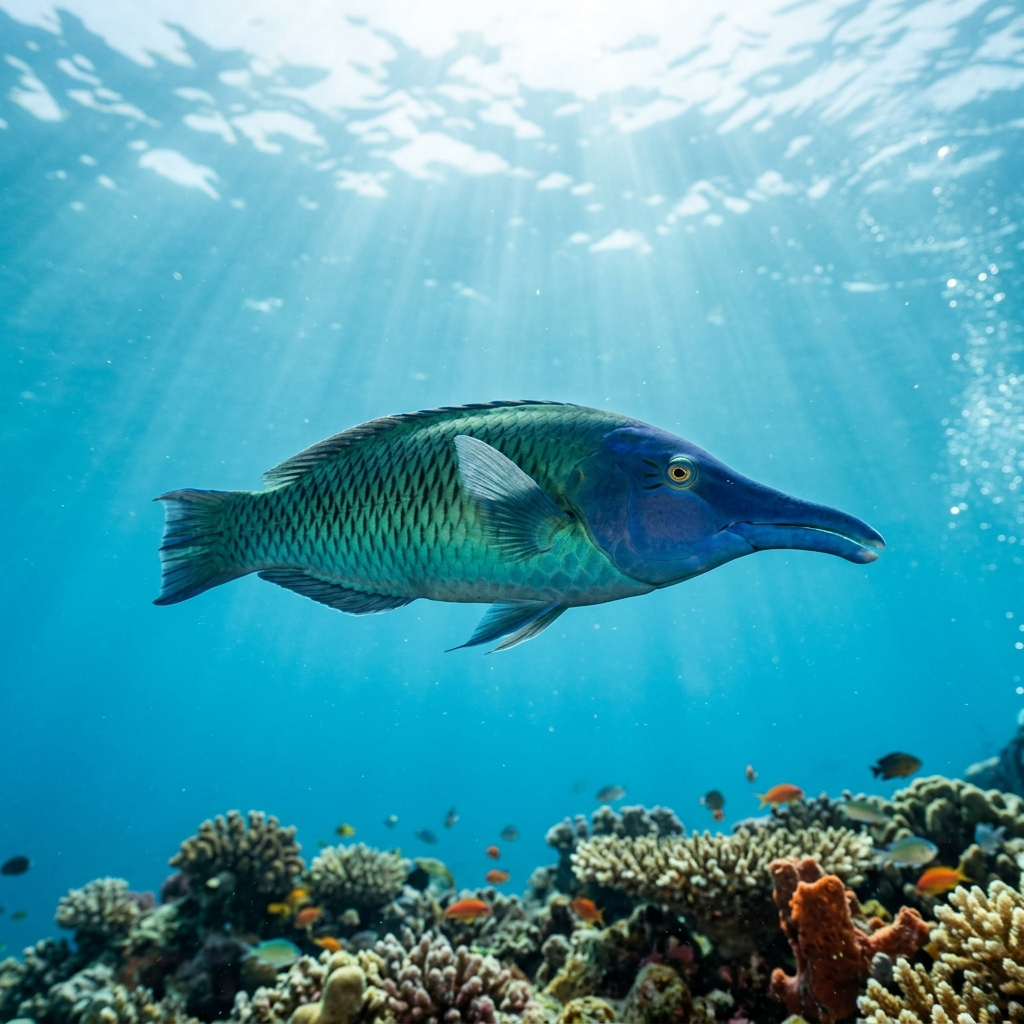
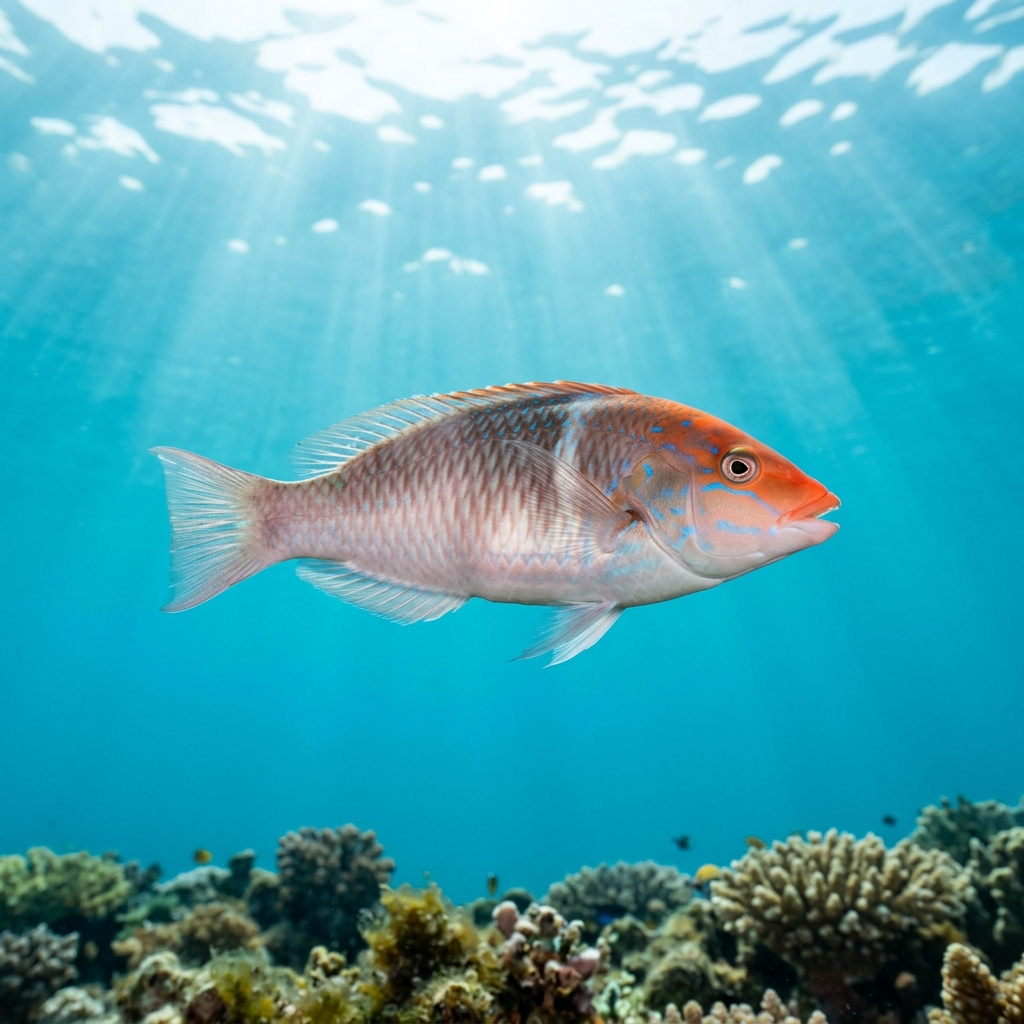
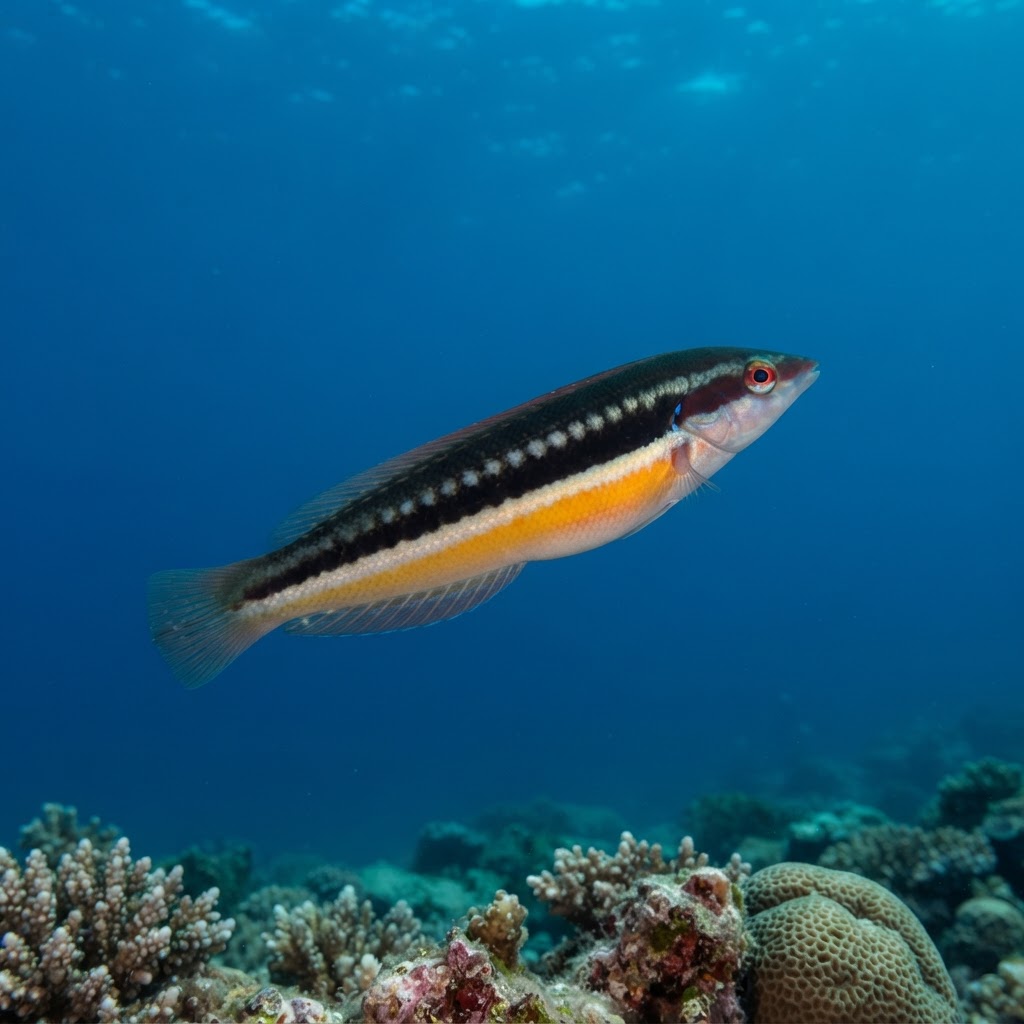
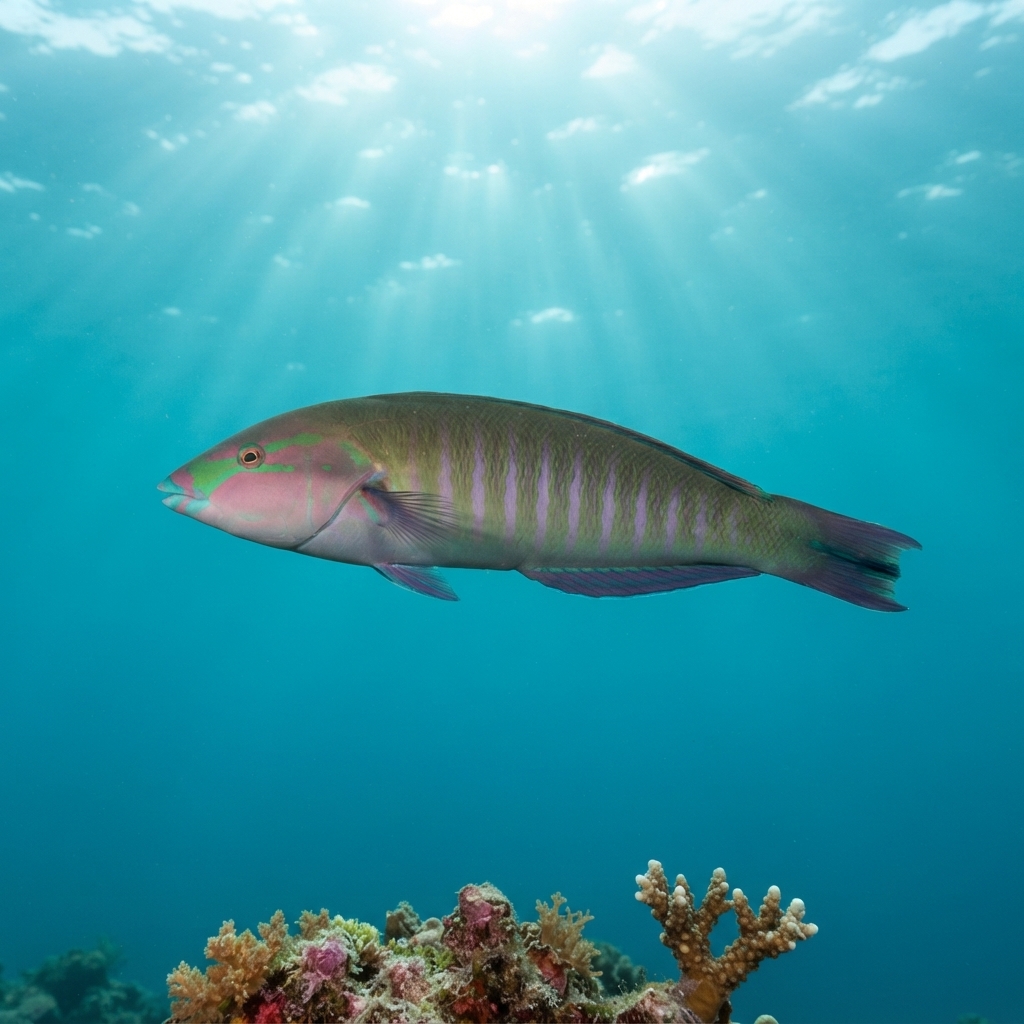
An elongated, torpedo-shaped wrasse around 28cm, built for fast cruising just above the reef rather than hovering in it. Adults show a pale body with faint vertical banding and a longer, more pointed snout than typical reef wrasses, which is the easiest cue when you catch a quick pass. It rarely lingers, so divers usually clock the shape and swimming style before the finer colour detail.
Expect a fast, low pass over open sand or reef flat rather than a fish that poses for photos. It tends to keep moving, foraging along the substrate and darting off if a diver gets too close, which is part of why most logs mark it as uncommon rather than common. Best chances come from scanning open ground between reef structures rather than staring into coral heads.
Like many wrasses it can change sex and colour pattern as it matures, so a single dive site can hold individuals at noticeably different life stages that still belong to the same species.
Sightings show no clear seasonal pattern, so treat it as a year-round encounter on Red Sea reefs. Water in its recorded range sits between 24.7 and 29.1C, comfortably warm across the seasons, which fits with divers logging it in every month rather than a short window.
Most reliably logged in Egypt, especially across South Sinai and the Red Sea Riviera, with the Marsa Alam and Deep South area also producing sightings. Israel's Eilat coastline on the northern Red Sea is the other consistent spot, making the northern and central Red Sea the strongholds for this fish.
Mapping where Ring Wrasse is logged…
Egypt is the strongest area, particularly South Sinai and the Red Sea Riviera, with further sightings around Marsa Alam and the Deep South. Eilat in Israel is the other consistent location for this species.
There's no strong seasonal pattern in the sightings, so it can turn up on any dive across the year. Warm Red Sea water between roughly 25 and 29C suits it year-round.
Look for a slim, elongated body around 28cm with a pointed snout, seen cruising fast and low over sand or open reef rather than sheltering in coral. Faint pale banding on the body helps confirm it on a closer pass.
They typically reach about 28cm in length, giving them a noticeably slender, torpedo-like profile compared with bulkier reef wrasses.
Site and sighting data is aggregated from diver logs, iNaturalist and GBIF. For taxonomy and conservation status:
Bird Wrasse
3,632 sites