Halichoeres richmondi
A small, uncommonly spotted wrasse best known from Atauro Island, Timor-Leste, in warm 27-29C reef water year-round.
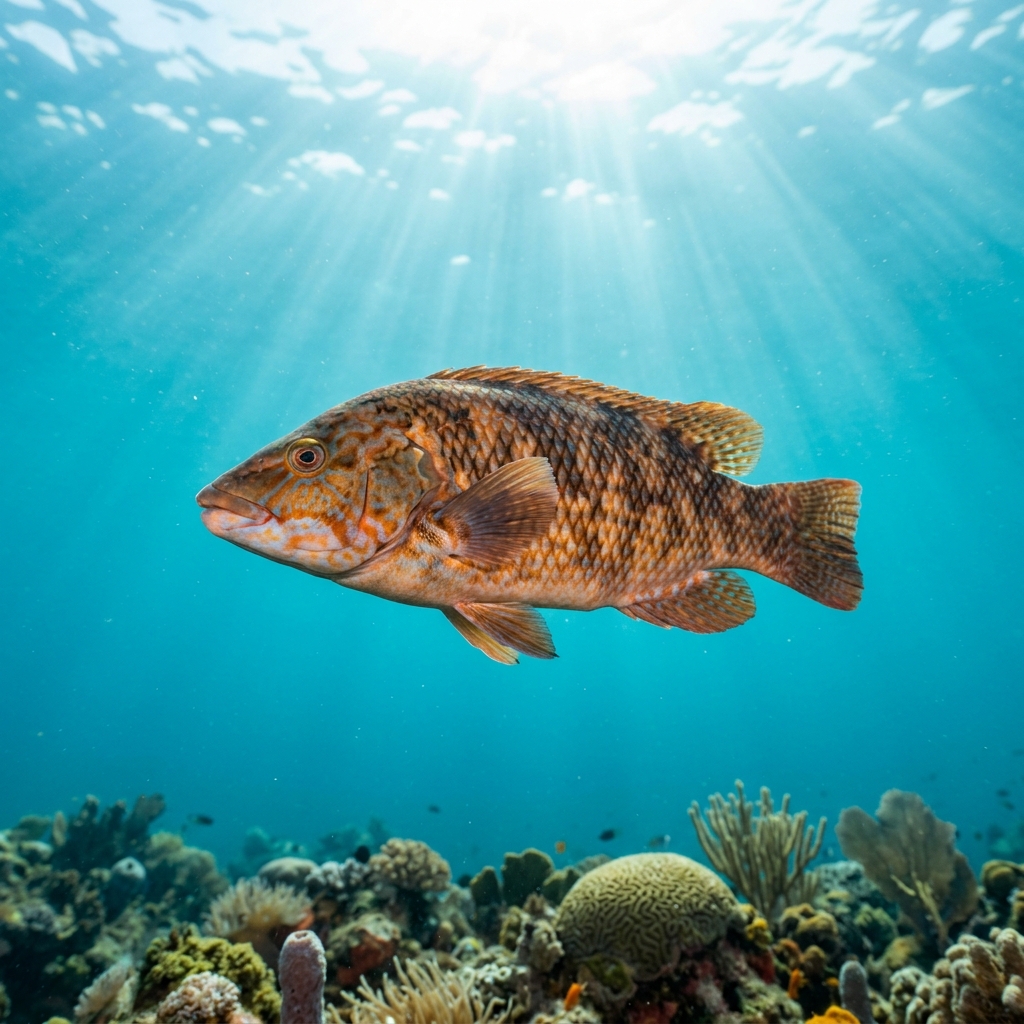
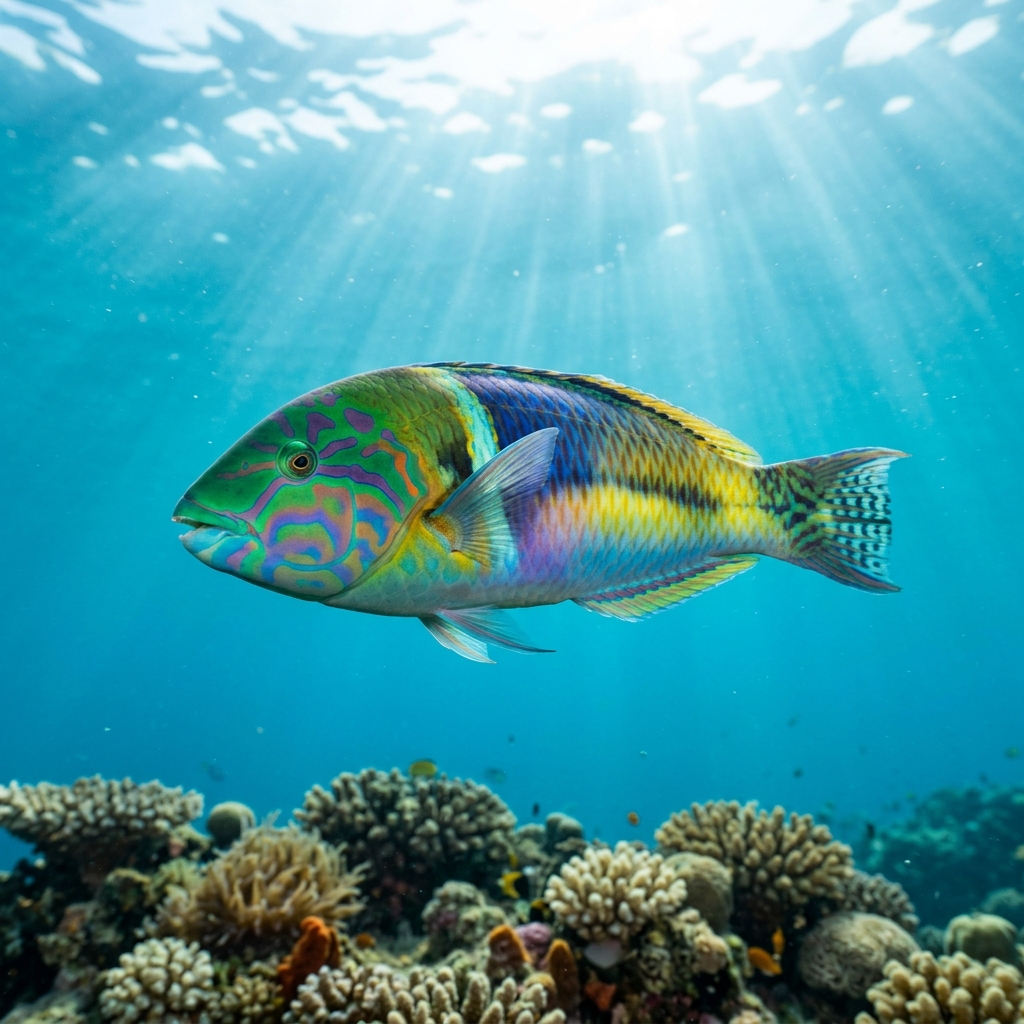
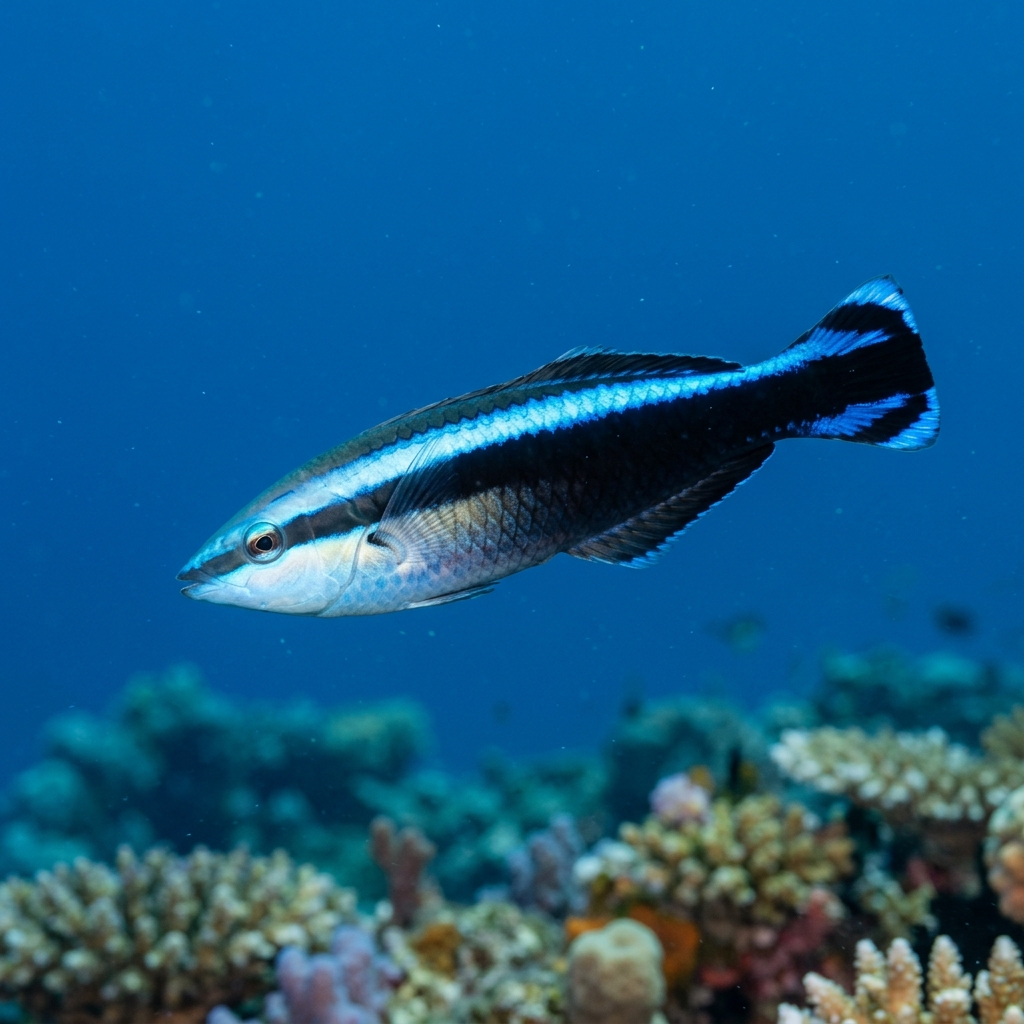
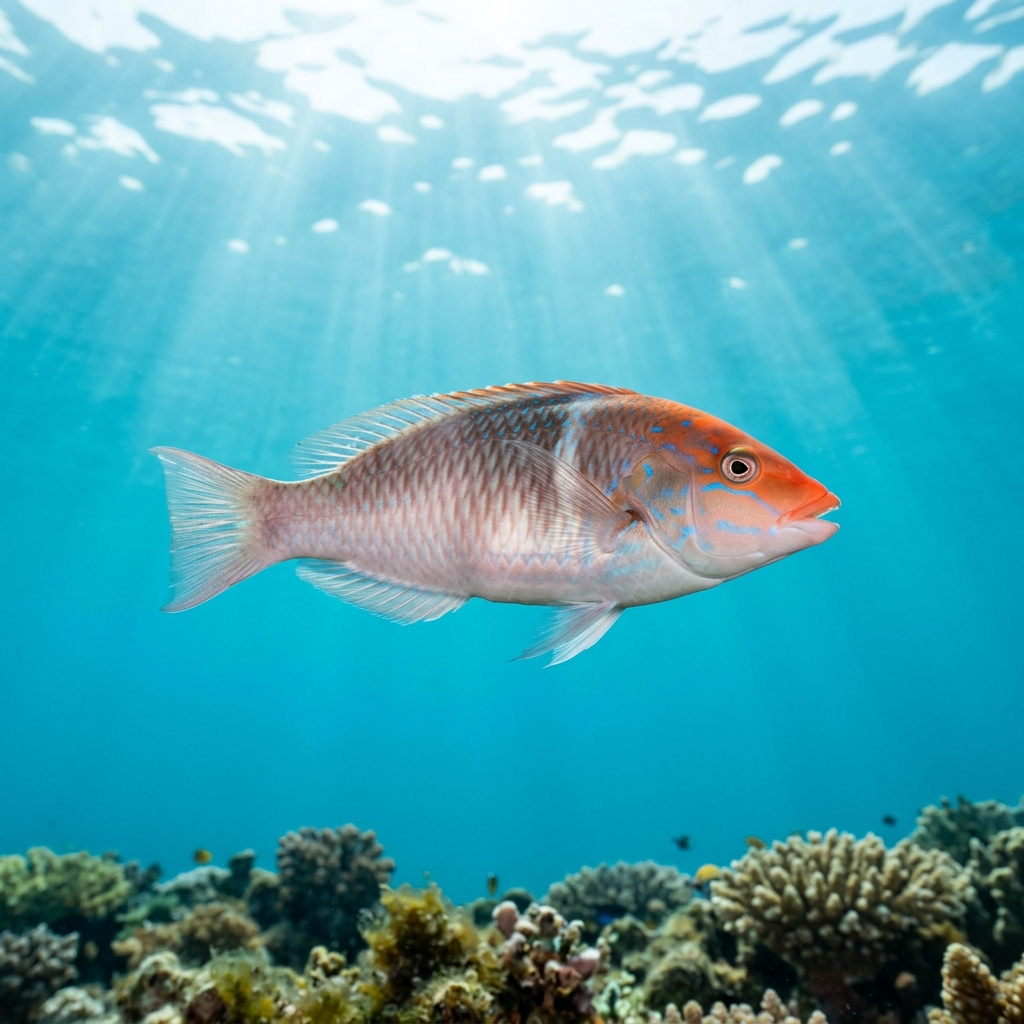
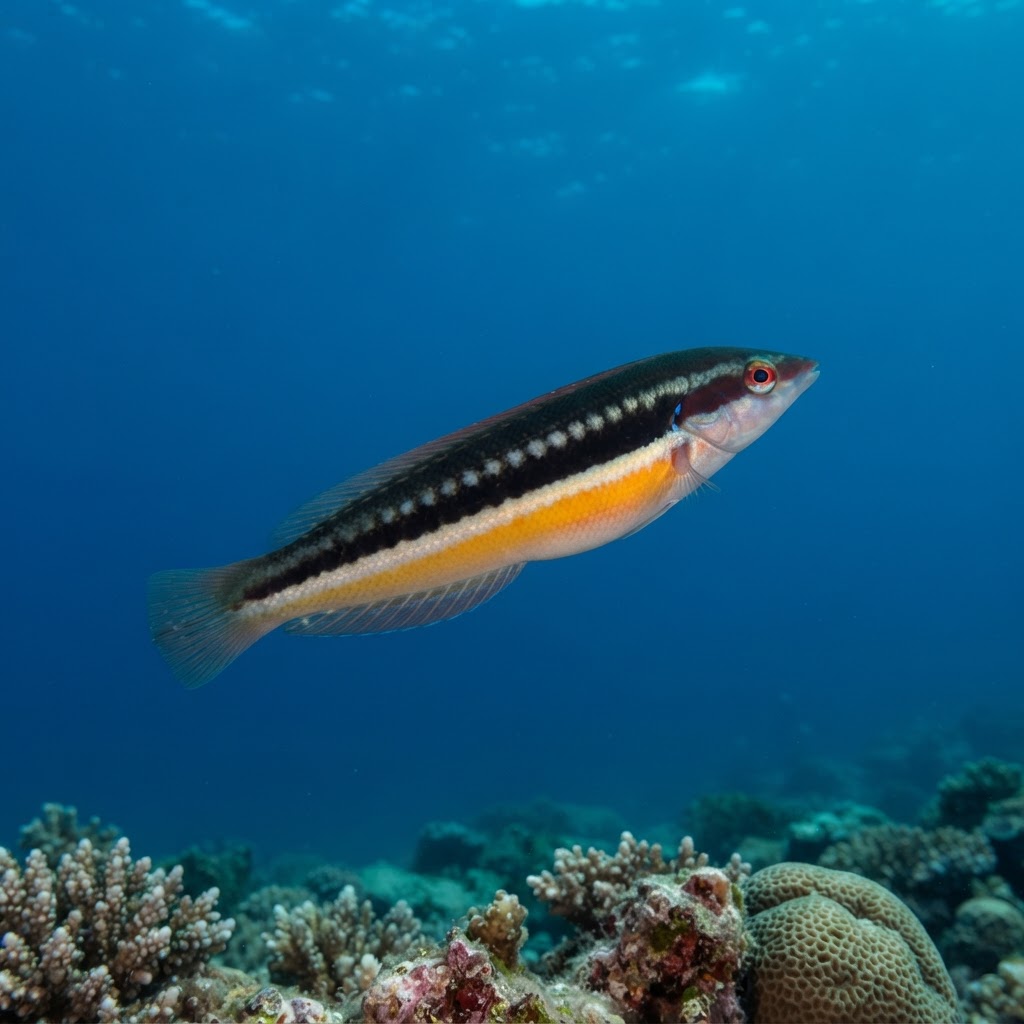
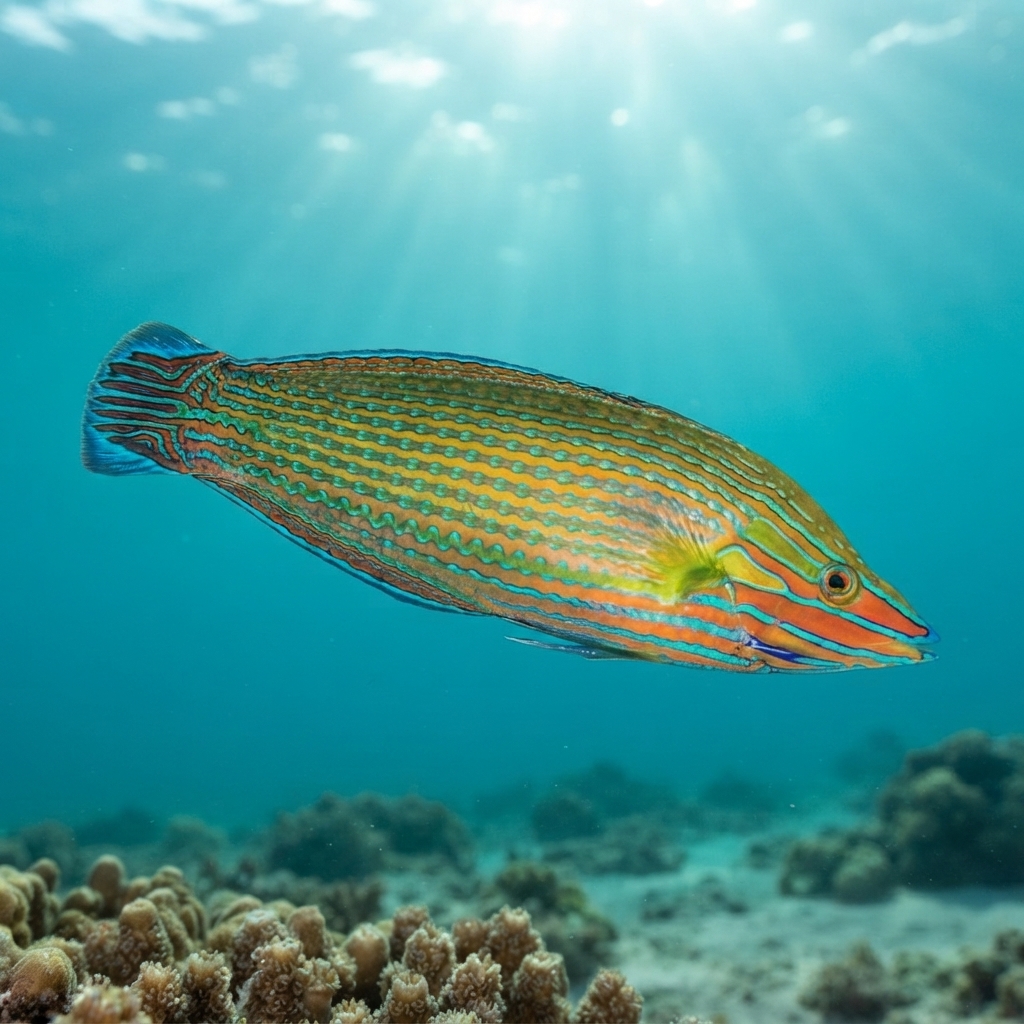
A small, slender wrasse topping out around 13 cm, built like most Halichoeres species with a torpedo-shaped body and constant darting swimming style. Look for it low over rubble patches and mixed reef rather than up in open water, moving in short bursts rather than gliding. At this size and in mixed-species company it is easy to overlook, so a slow scan of the substrate near coral rubble is usually what turns one up.
Divers typically find it working low over rubble and reef structure, picking at the substrate in short, quick movements rather than holding still for a photo. It keeps a low profile and does not react much to divers beyond staying a fish-length or two out of easy reach, blending into the general wrasse traffic on the reef.
Like other Halichoeres wrasses, it likely buries itself in sand at night and when startled, a defence trick worth knowing if you spot one vanish mid-dive.
Sightings show no clear seasonal pattern, and the observed water temperature range of 27.5 to 29.3C reflects stable warm-water reef conditions year-round, so any time of year works for a visit to Atauro Island or Sulawesi.
Most reliably logged around Atauro Island in Timor-Leste, which accounts for the bulk of recorded sightings, with smaller numbers turning up in Sulawesi, Indonesia and the Yasawa Islands in Fiji. Across all these sites it is rated uncommon, so it is a nice bonus find rather than a fish you can plan a whole dive around.
Mapping where Richmond's Wrasse is logged…
Atauro Island in Timor-Leste is the most consistent spot, with additional sightings from Sulawesi in Indonesia and the Yasawa Islands in Fiji. At all of these it is logged as uncommon, so treat it as a bonus sighting rather than a guaranteed one.
There is no detected seasonal pattern, and it favours consistently warm reef water of about 27.5 to 29.3C, so it can turn up on any dive through the year at sites like Atauro Island.
It is a small wrasse, around 13 cm, with the typical slender, torpedo-shaped Halichoeres build and a quick, darting swimming style low over rubble and reef. There are no strongly confusable species logged for it, so size, shape and habitat are your best clues.
They reach roughly 13 cm in length, making them one of the smaller reef wrasses a diver will encounter.
No, they pose no danger to divers. They are small, non-aggressive reef fish that keep their distance and go about their own business.
Site and sighting data is aggregated from diver logs, iNaturalist and GBIF. For taxonomy and conservation status:
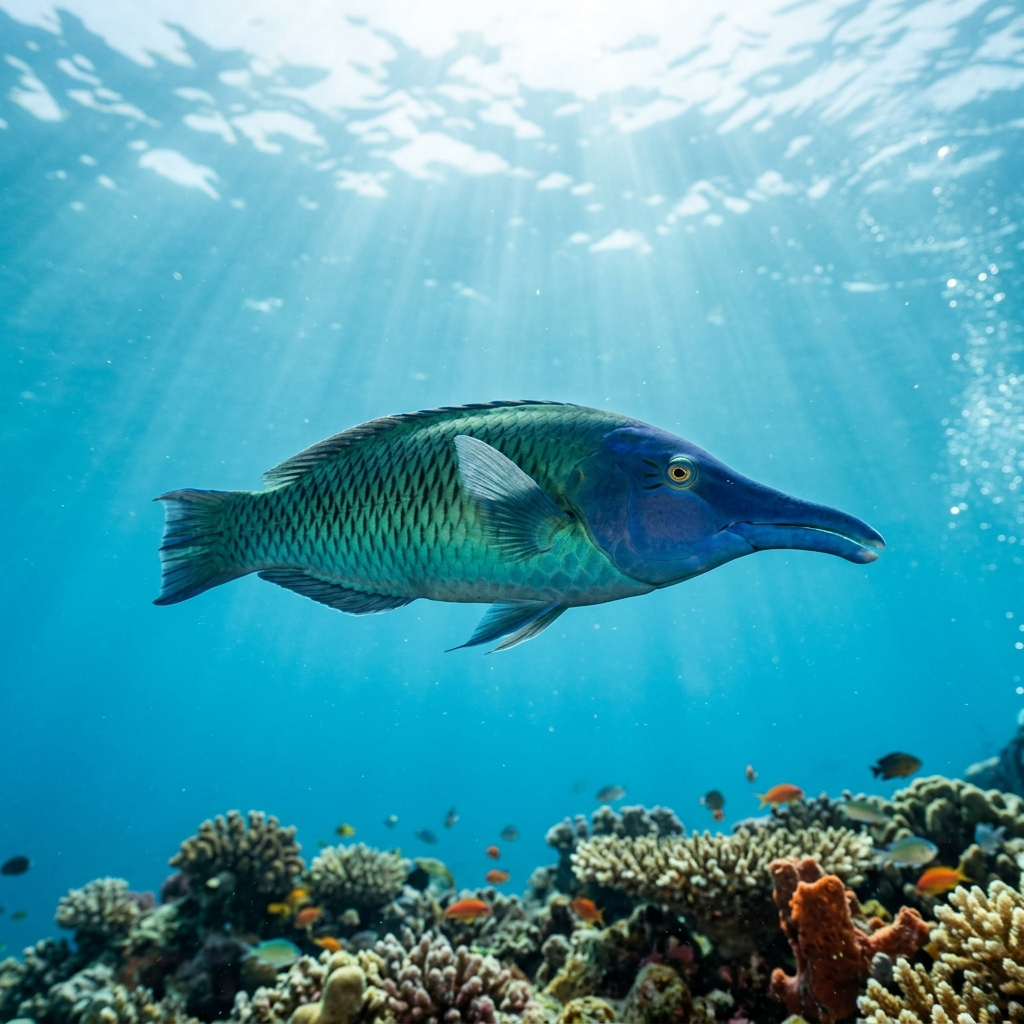
Bird Wrasse
3,632 sites