Rhynchocinetes durbanensis
Spot the Camel Shrimp in West Sabah, Sipadan, Durban and Bali. Tips on ID, when to dive, and where it's most commonly logged.
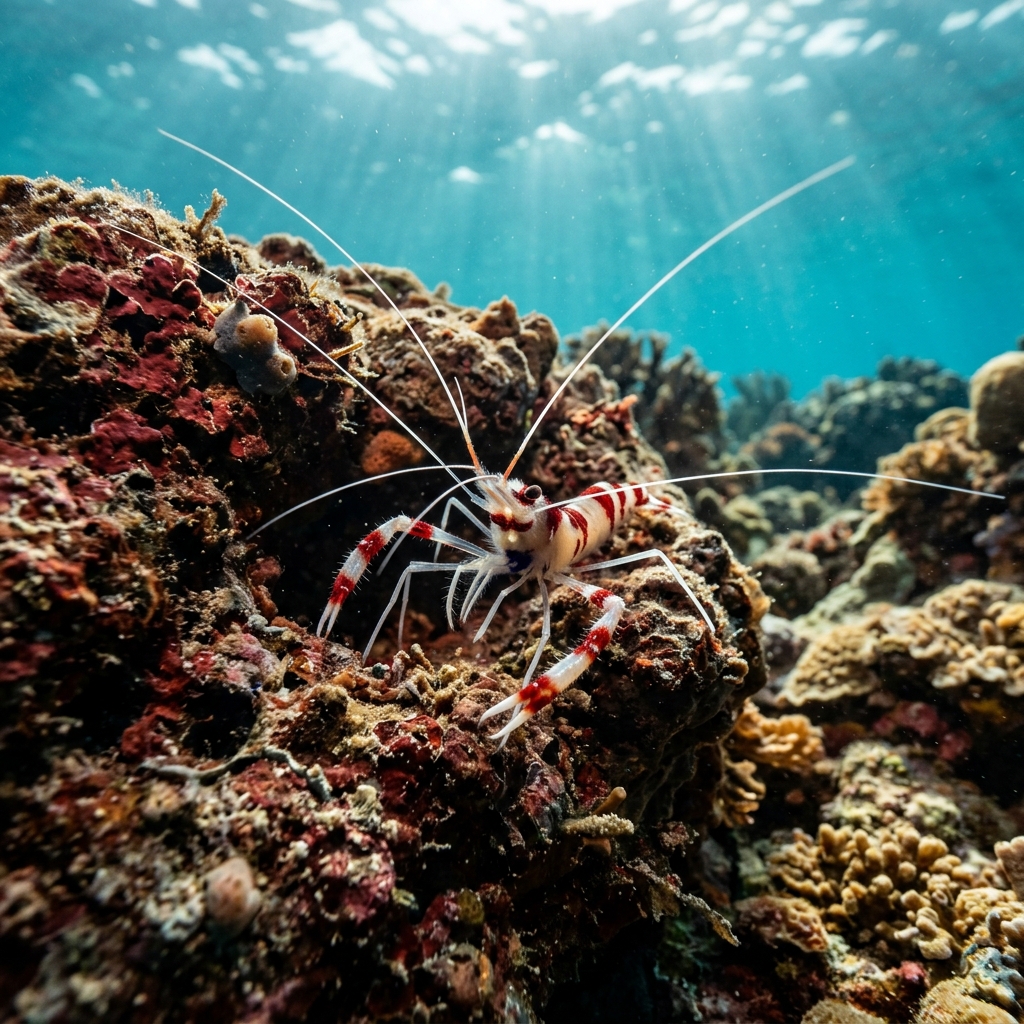
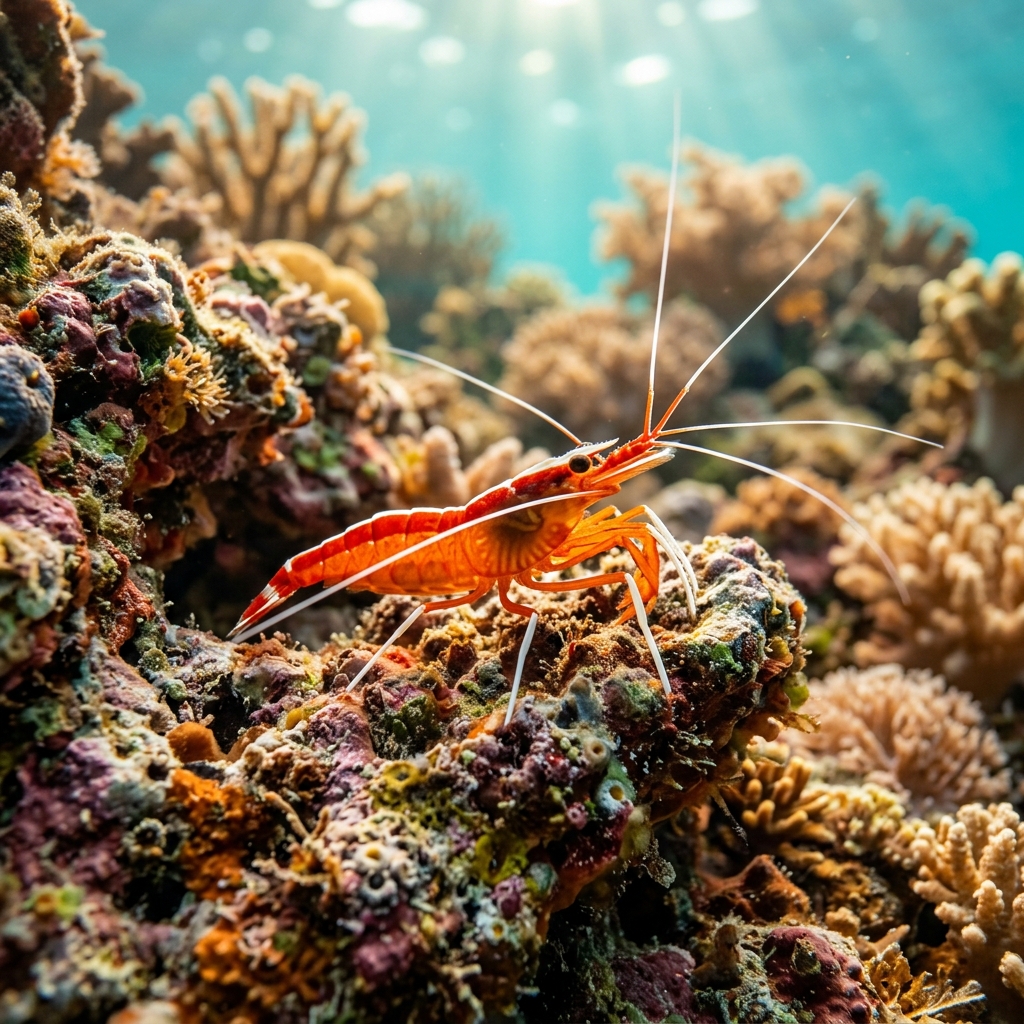
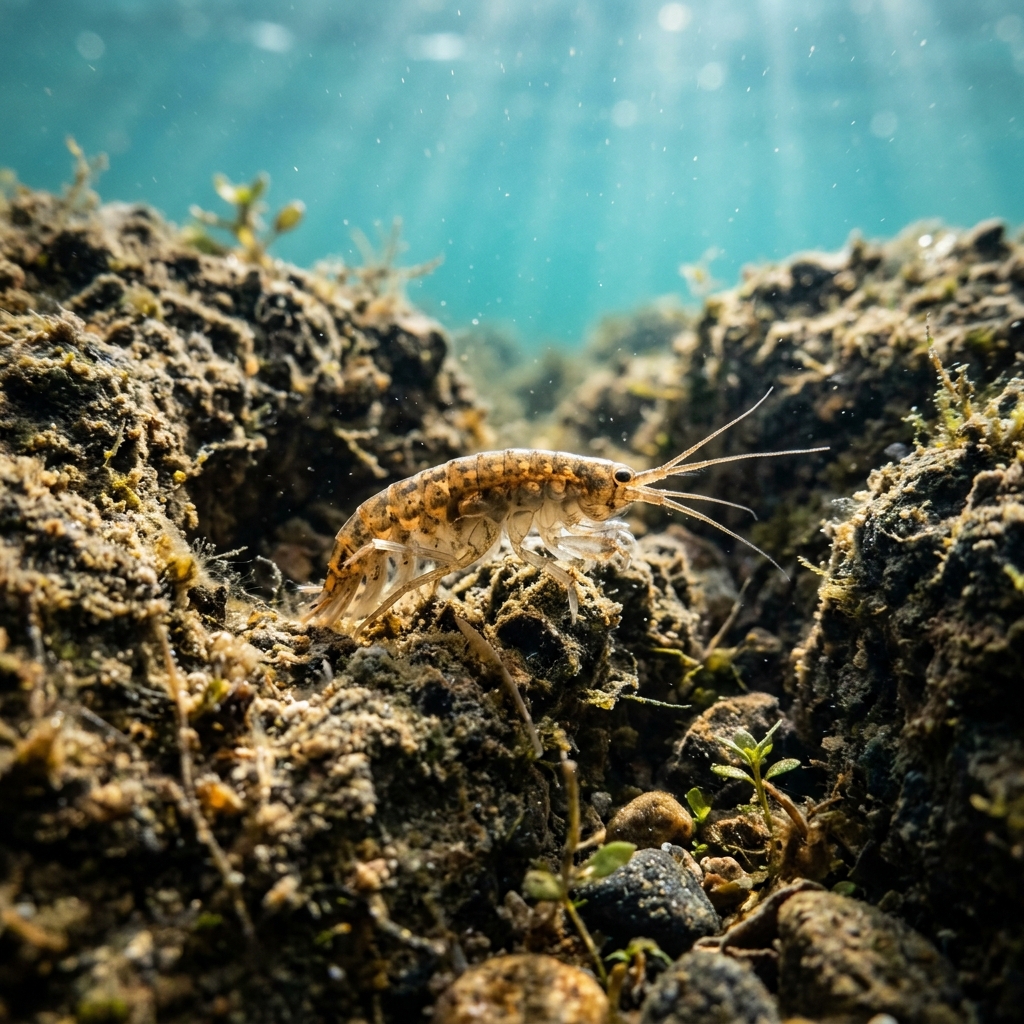
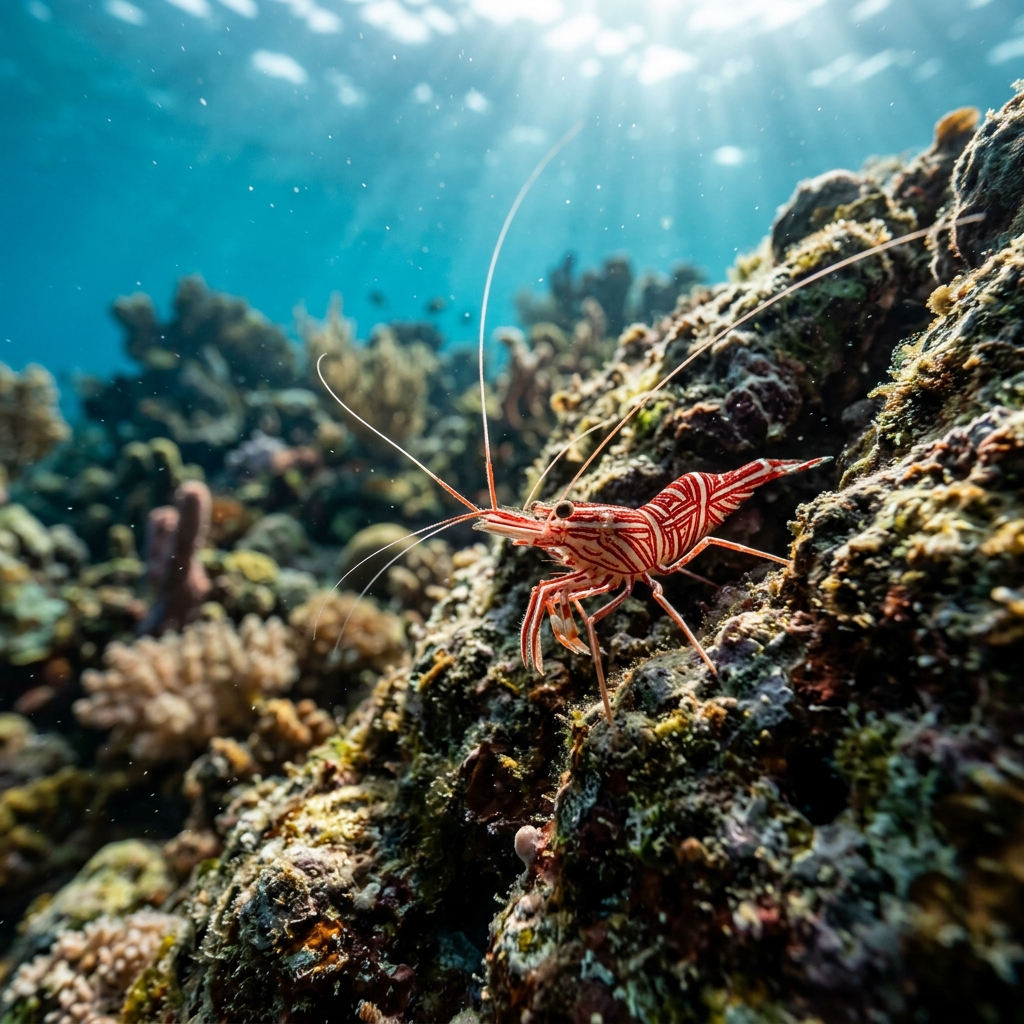
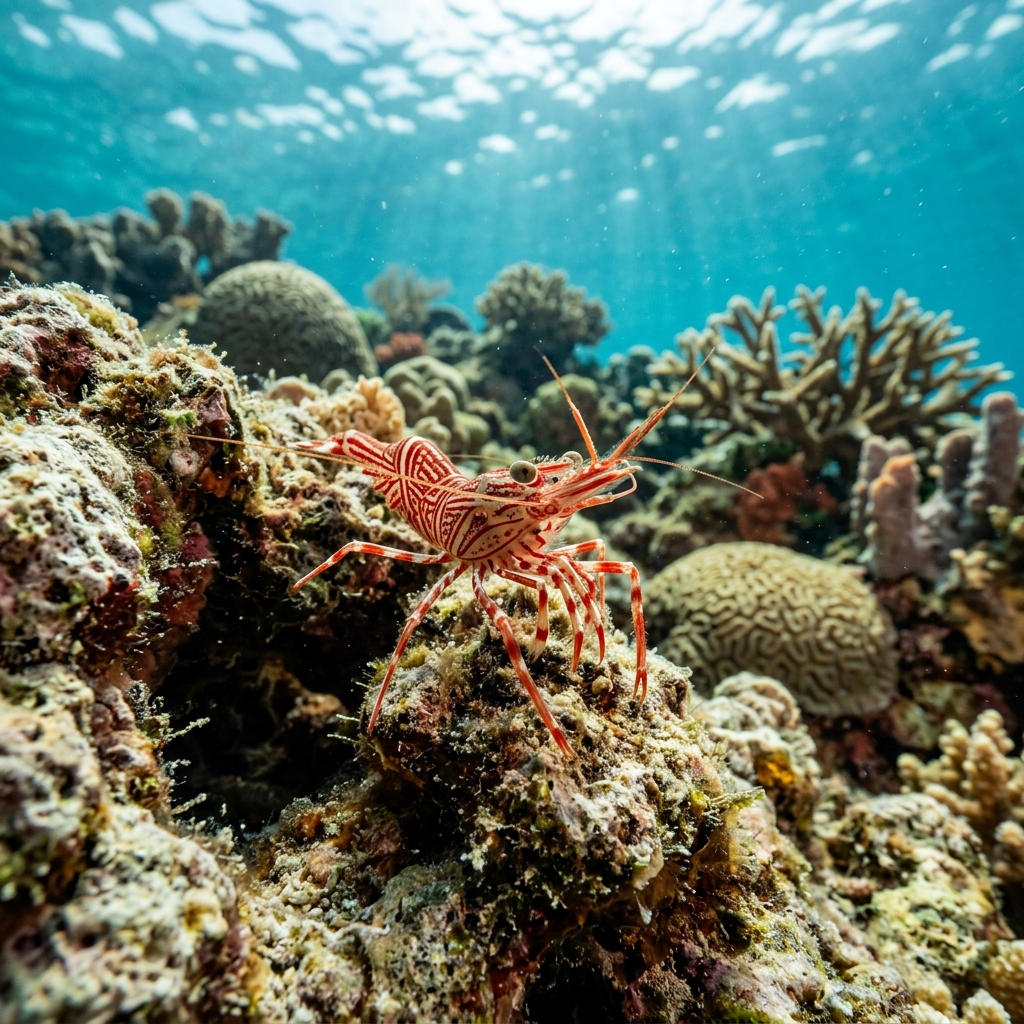
A small, hump-backed shrimp with a distinctive raised carapace (the shell covering its head and thorax) that gives it the "camel" silhouette divers key on immediately. The body is brick-red to orange-red, broken up by irregular white or pale blotches and fine white lines. The eyes are large and conspicuous, and the rostrum (the spike projecting from the head) is notably long and hinged, giving it a slightly prehistoric look. Spotting one usually means looking carefully at rubble, crevices, and the underside of ledges rather than open reef faces.
Camel shrimp are typically found hunkered in small groups inside crevices, under ledges, or tucked into rubble, often emerging just enough to be visible by torchlight. They tend to be skittish when approached directly, retreating deeper into cover if a diver moves quickly. Night dives and dusk dives give the best chance of catching them more exposed as they become more active outside their shelters.
Rhynchocinetes durbanensis gets its name from Durban, South Africa, where it was first described, yet the bulk of diver sightings come from South-East Asian reefs thousands of kilometres away, underlining how wide and patchy its true range is.
In Northern Hemisphere destinations such as Malaysia and Thailand, sightings concentrate between February and June, so plan accordingly. Southern Hemisphere data is limited, but Australian sightings lean toward January through April.
Most commonly logged across Malaysia, particularly in West Sabah and Labuan, Sipadan and East Sabah, and the Perhentian and Redang islands, making Malaysian Borneo a reliable area to search. Australia's New South Wales coast and Indonesia's Bali, Lombok and Java are the next strongest showing, followed by South Africa's Durban and North Coast and Thailand's Phuket and Phi Phi. Chile's Valparaíso region is a notable outlier that extends the species' known range into the eastern South Pacific.
Mapping where Camel Shrimp is logged…
The strongest concentrations of sightings come from Malaysian Borneo, especially West Sabah, Labuan, and Sipadan. Bali and the Perhentian Islands are also reliable. South Africa's Durban coast and Chile's Valparaíso region show that the species turns up well outside the tropics too.
In Northern Hemisphere destinations, February through June is the window when sightings peak. If you're diving in Australia or South Africa, aim for January to April. Outside those peaks they can still be found, just less frequently.
Look for the hump-backed profile that gives the species its name, combined with a red-orange body patterned with irregular white blotches. The hinged, elongated rostrum and large eyes make it distinctive among reef shrimp. A torch aimed into crevices and under ledges is your best tool for picking one out.
They are most often logged as uncommon, and rare at a large proportion of the sites where they appear. Common sightings are the exception rather than the rule, so treat a spotting as a good find. Macro-focused night dives improve your odds considerably.
No. Camel shrimp pose no risk whatsoever to divers. They are small, shy crustaceans that will flee rather than stand their ground if approached.
Site and sighting data is aggregated from diver logs, iNaturalist and GBIF. For taxonomy and conservation status:
Rockpool Prawn
2,179 sites