Xyrichtys spp.
Spot razor wrasse in Florida, the Yucatán, or Caribbean Colombia in warm 24-29 °C waters year-round. Here's where divers most commonly log them.
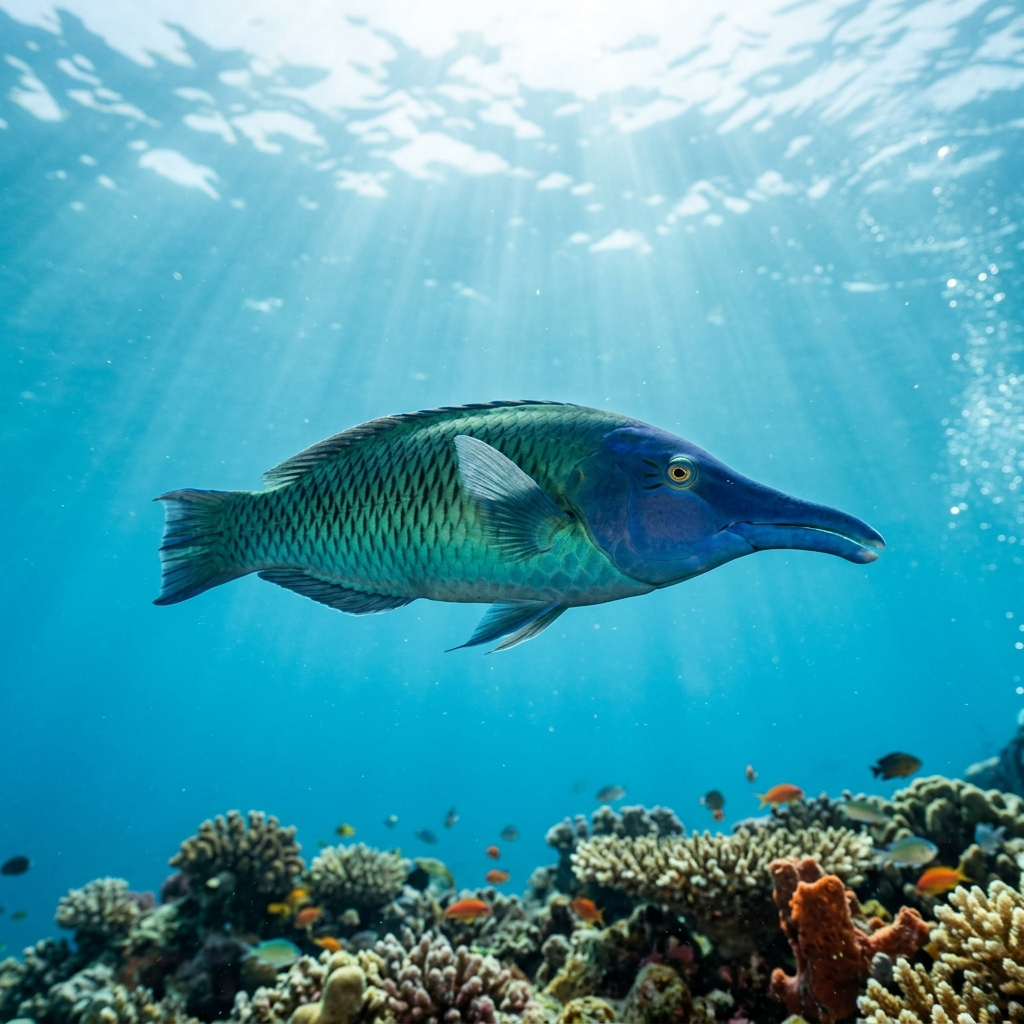
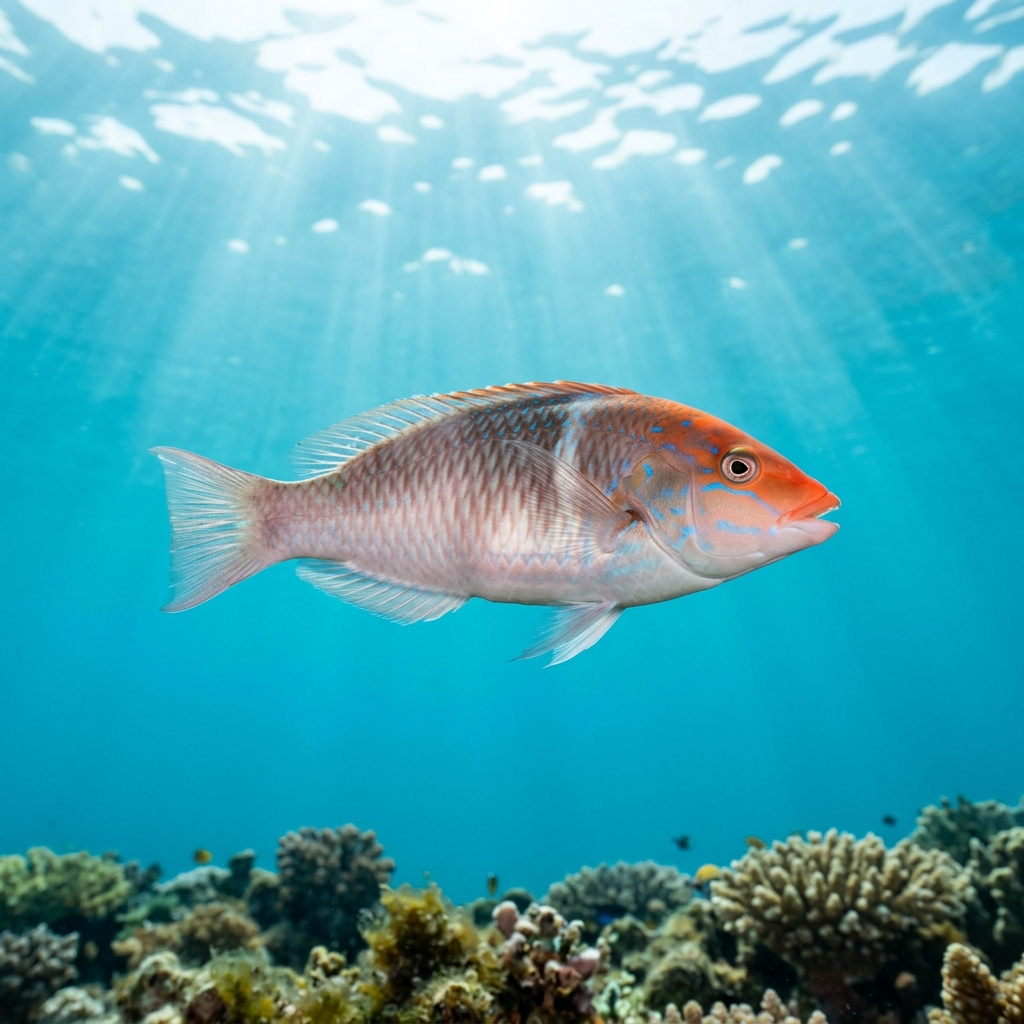
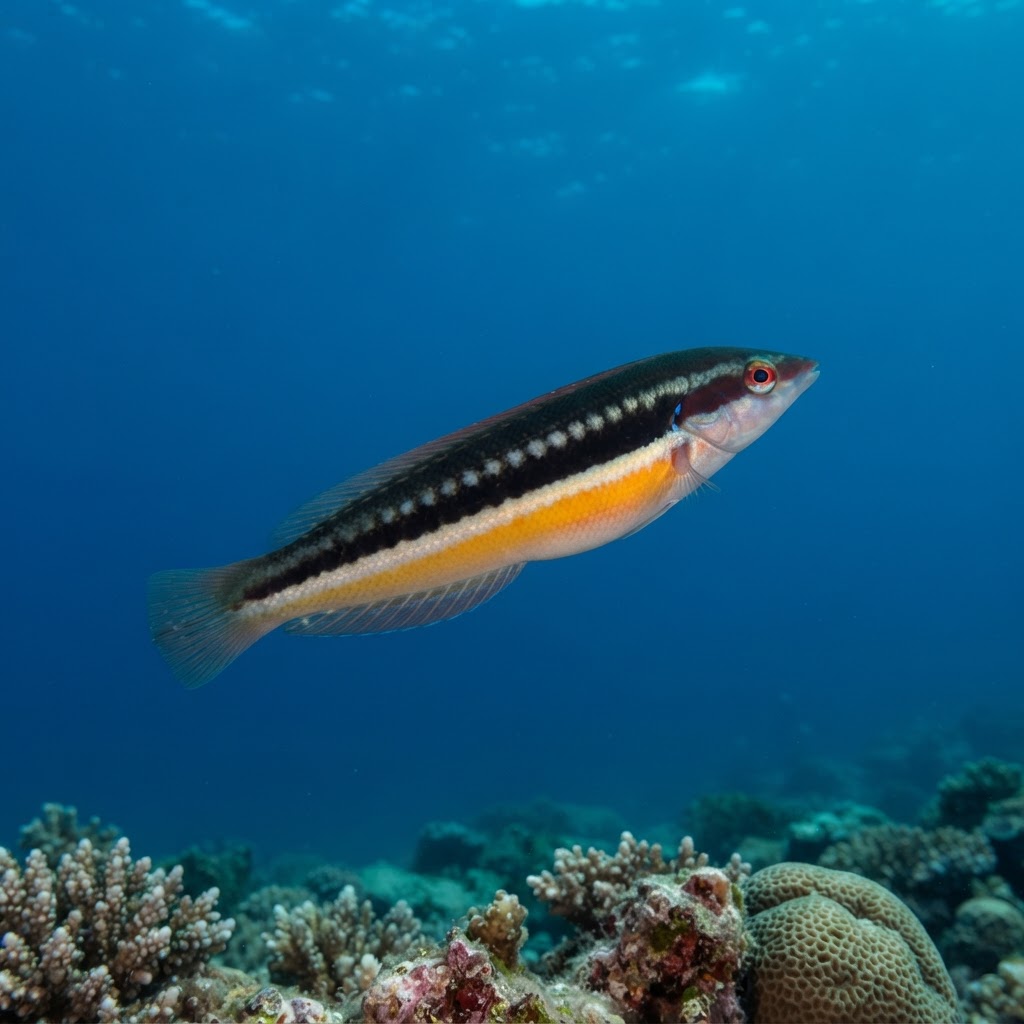
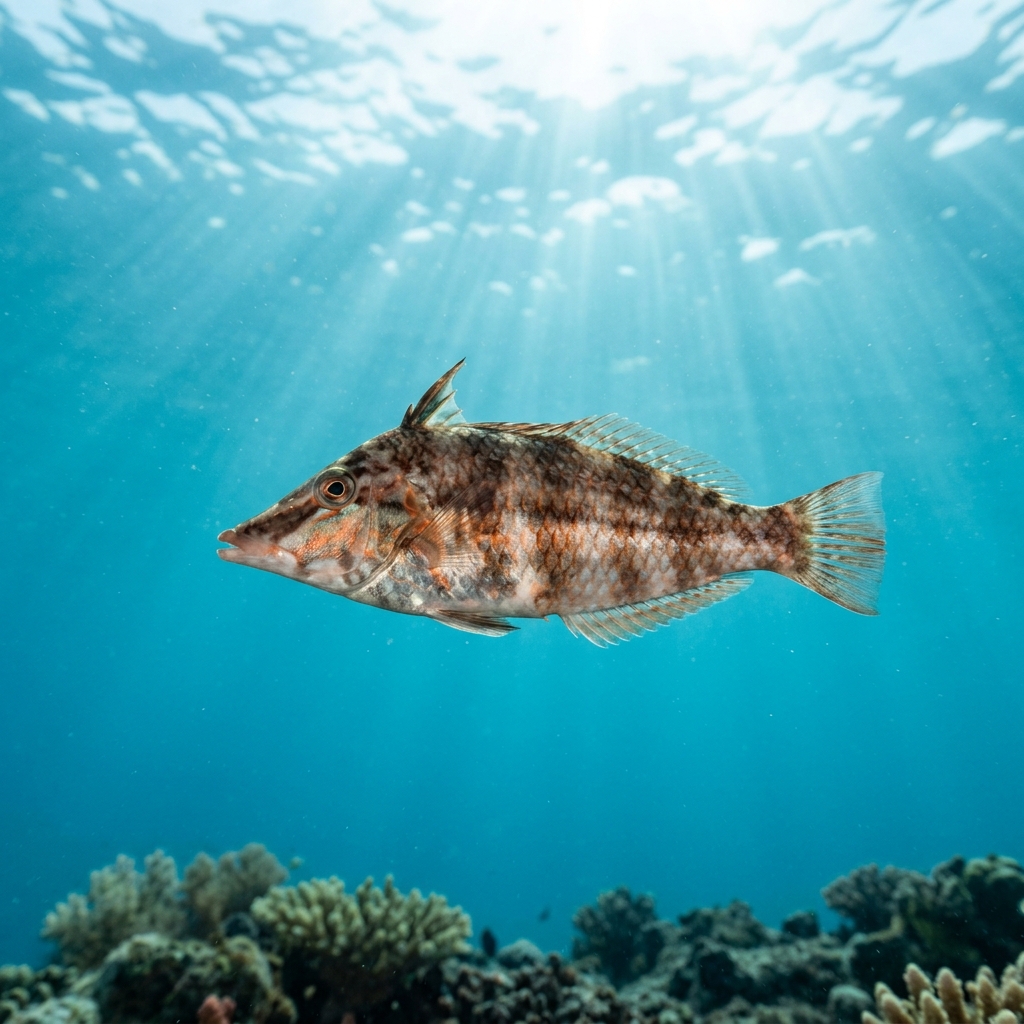
Razor wrasse are instantly recognisable by their extremely thin, blade-like body profile (laterally compressed to an almost knife-like edge) that lets them knife headfirst into sand in the blink of an eye. Adults are typically elongate with a steep, sloping forehead and a pointed snout; colouration varies across species from greenish or bluish to pale silver, often with faint horizontal banding or a reddish flush on the head. Females and juveniles tend to be paler with more muted patterning, while males develop bolder colours and more pronounced facial markings. The diving-into-sand escape behaviour is, in practice, the single best field ID clue.
Look for them hovering just above sandy patches or rubble at the base of the reef, often in small loose groups, moving in short darts as they pick invertebrates from the sediment. When approached, they are notoriously skittish; the moment they feel threatened they dive headfirst into the sand and vanish entirely, sometimes not re-emerging for several minutes. Slow, low approaches and staying well back give you the best chance of an extended observation before they disappear.
The sand-diving escape is not just a party trick: razor wrasse can bury themselves completely within a fraction of a second, and they also sleep buried in sand at night, a behaviour shared across the group.
Razor wrasse are present year-round on sites where they occur, which matches their preference for consistently warm tropical water in the 24-29 °C range. There is no concentrated season, so any time you visit their core Caribbean or Florida habitats is equally viable.
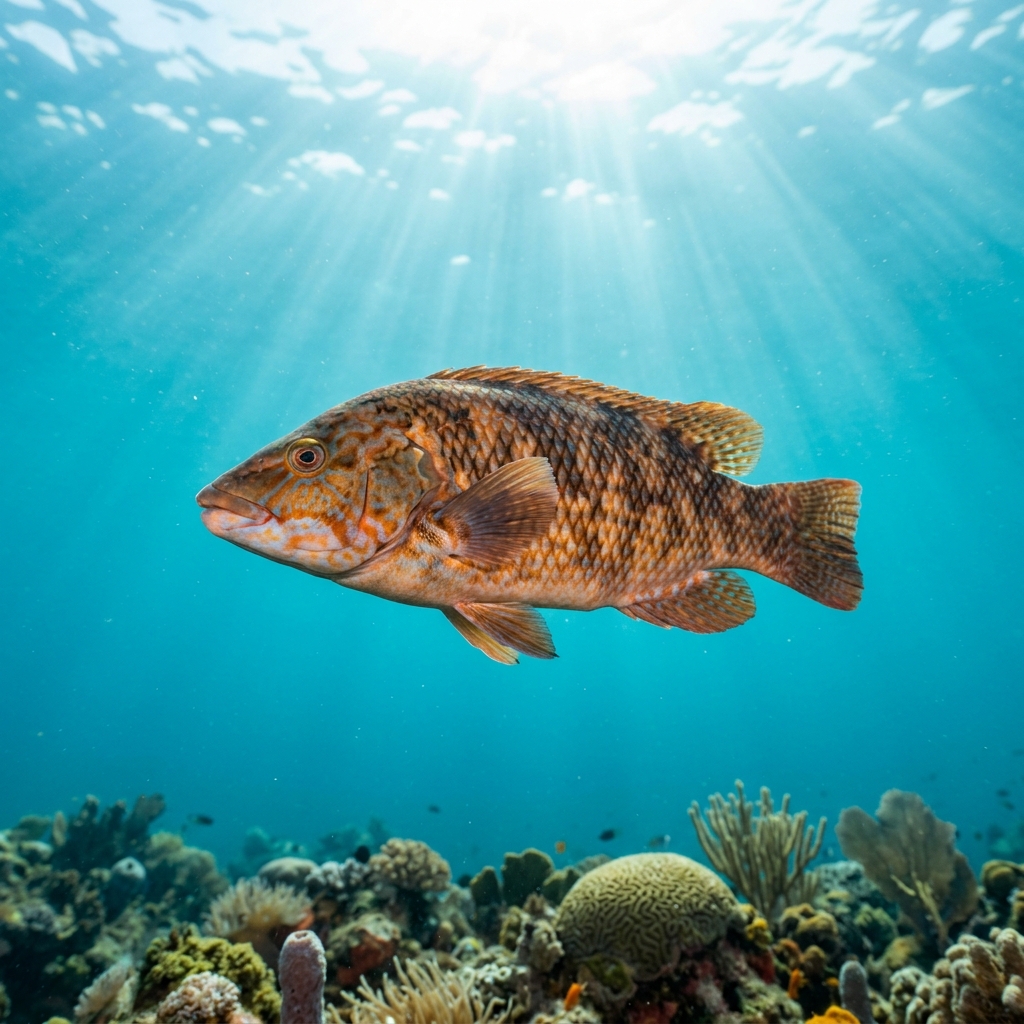
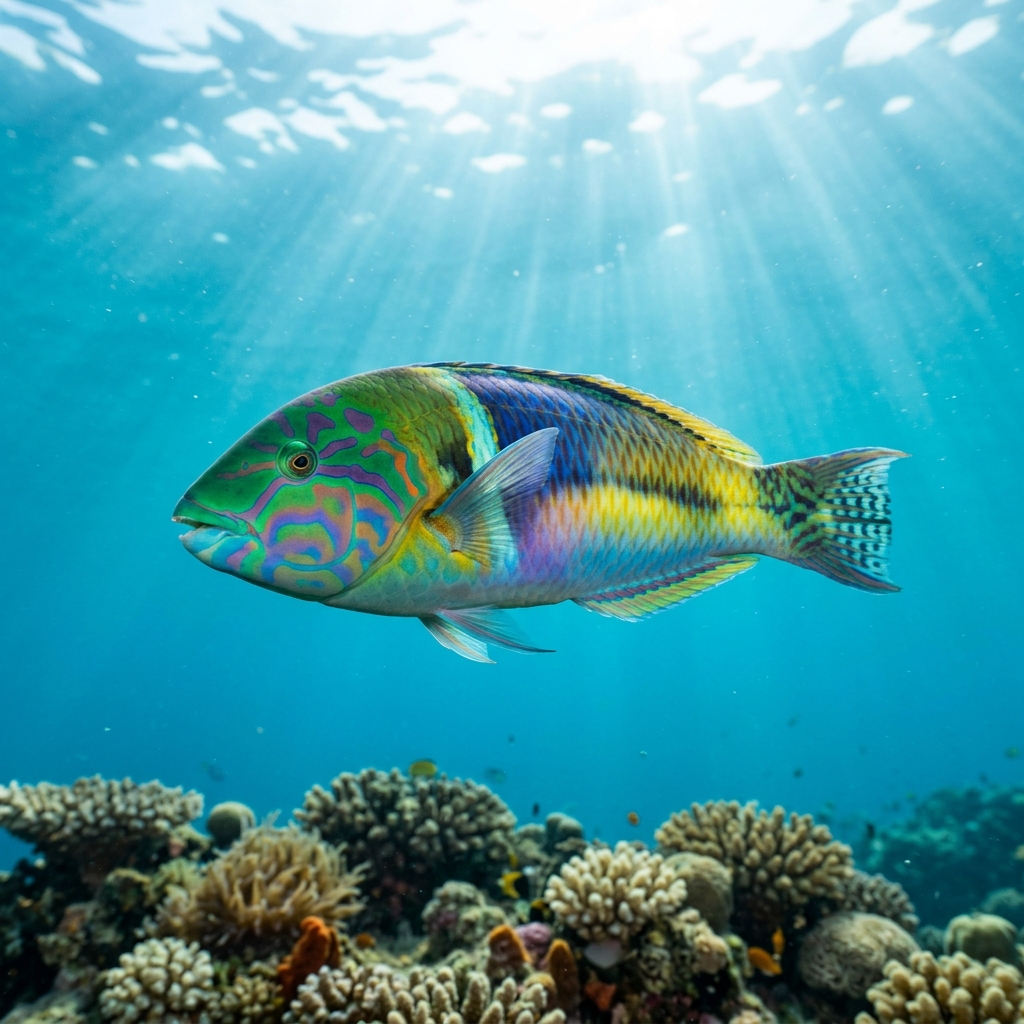
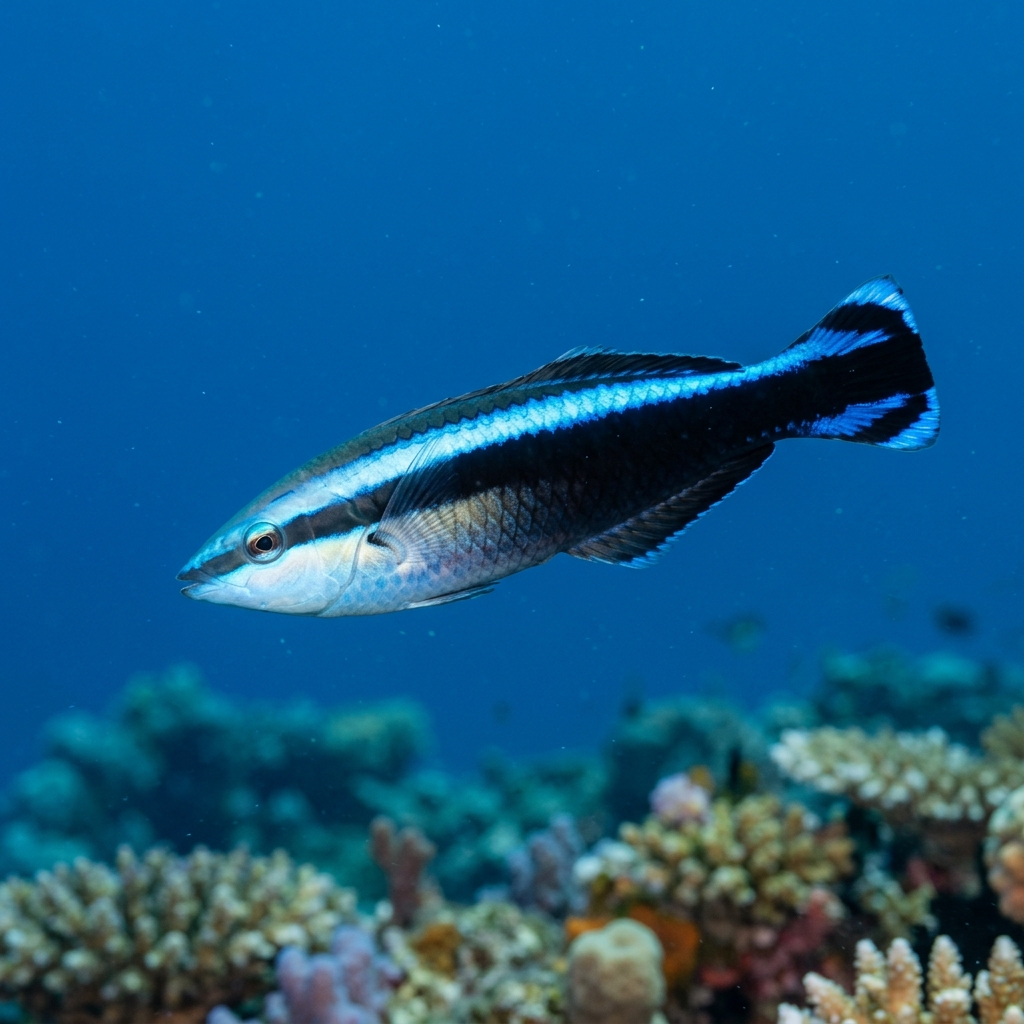
Reef neighbours a diver could mistake it for. Use the identification notes above to tell them apart.
Razor wrasse are most commonly logged across the tropical western Atlantic, with particularly strong representation in Florida and the Southeast United States, the Yucatán Peninsula in Mexico, and the northeast coast of Brazil. The Caribbean is a reliable stronghold, with notable sightings in Colombia's Caribbean Coast, Roatán in Honduras, Cuba's Jardines del Rey, and Klein Bonaire. Outside the Americas, they turn up widely but are best sought in the warm, shallow sandy-reef habitats of these core regions.
Mapping where Razor Wrasse is logged…
Razor wrasse are most reliably found across the tropical western Atlantic. Florida and the Southeast United States, Mexico's Yucatán Peninsula, Brazil's northeast coast, and the wider Caribbean including Colombia, Honduras, Cuba, and Bonaire are the top spots. They favour shallow sandy or rubble-bottomed reef habitats in warm water.
They are present year-round wherever they occur, with no distinct season. Their preferred water temperature of 24-29 °C describes the permanent conditions on tropical Caribbean and Florida reefs, so any time of year works.
The key feature is the extremely thin, blade-like body viewed head-on or from the side, combined with a steep sloping forehead and pointed snout. If you see a fish vanish straight down into the sand, it almost certainly was a razor wrasse. Colouration ranges from pale silver to greenish or bluish depending on species and sex.
Size varies across the Xyrichtys genus, but most species reach roughly 15-35 cm in length. In the water they often appear slimmer and smaller than expected because of their compressed profile.
Sand-diving is their primary defence against predators. They can bury themselves headfirst in under a second, disappearing completely beneath the surface of sandy or fine rubble substrate. They also use this same behaviour every night to sleep, emerging again at dawn.
Site and sighting data is aggregated from diver logs, iNaturalist and GBIF. For taxonomy and conservation status:
Bird Wrasse
3,632 sites