Halichoeres iridis
An 8cm flash of colour on reefs from KwaZulu-Natal to Mafia Island, best spotted in 25-28C water year-round if you look closely.
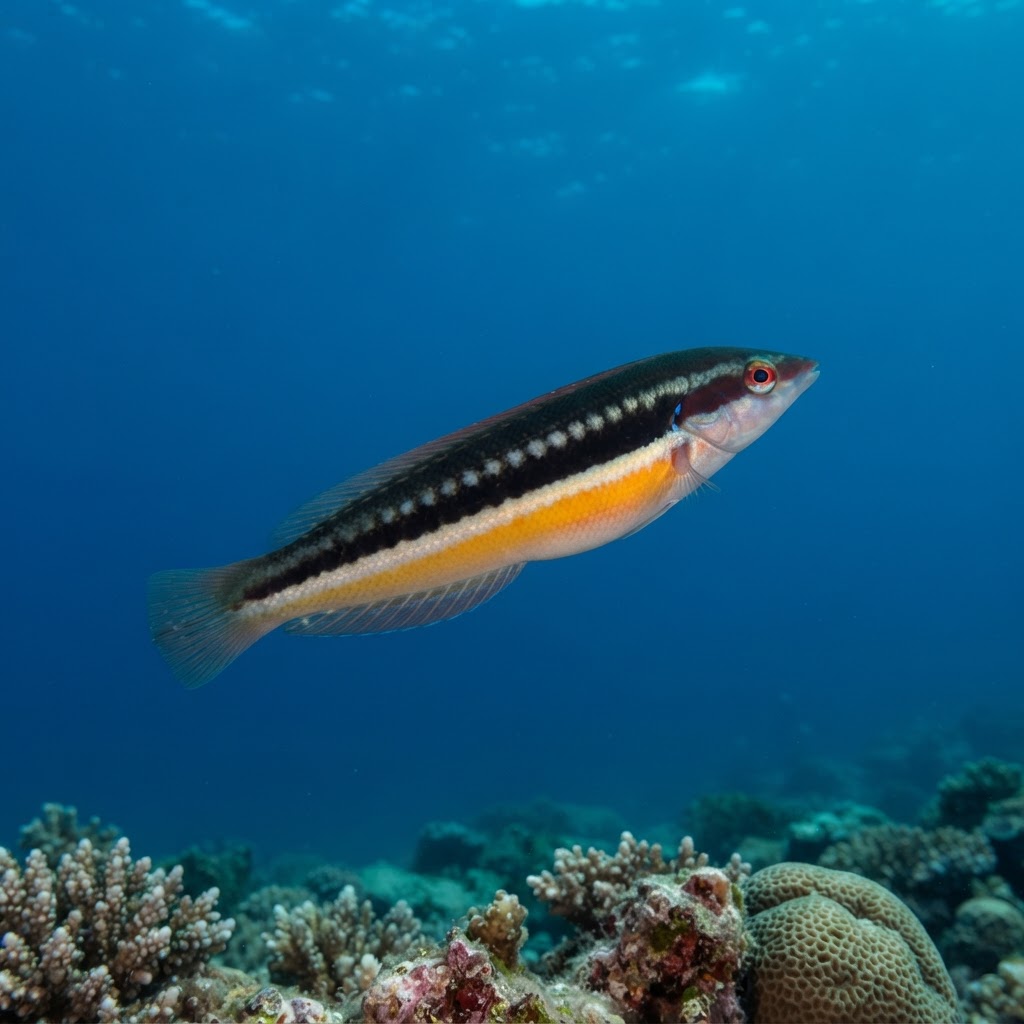
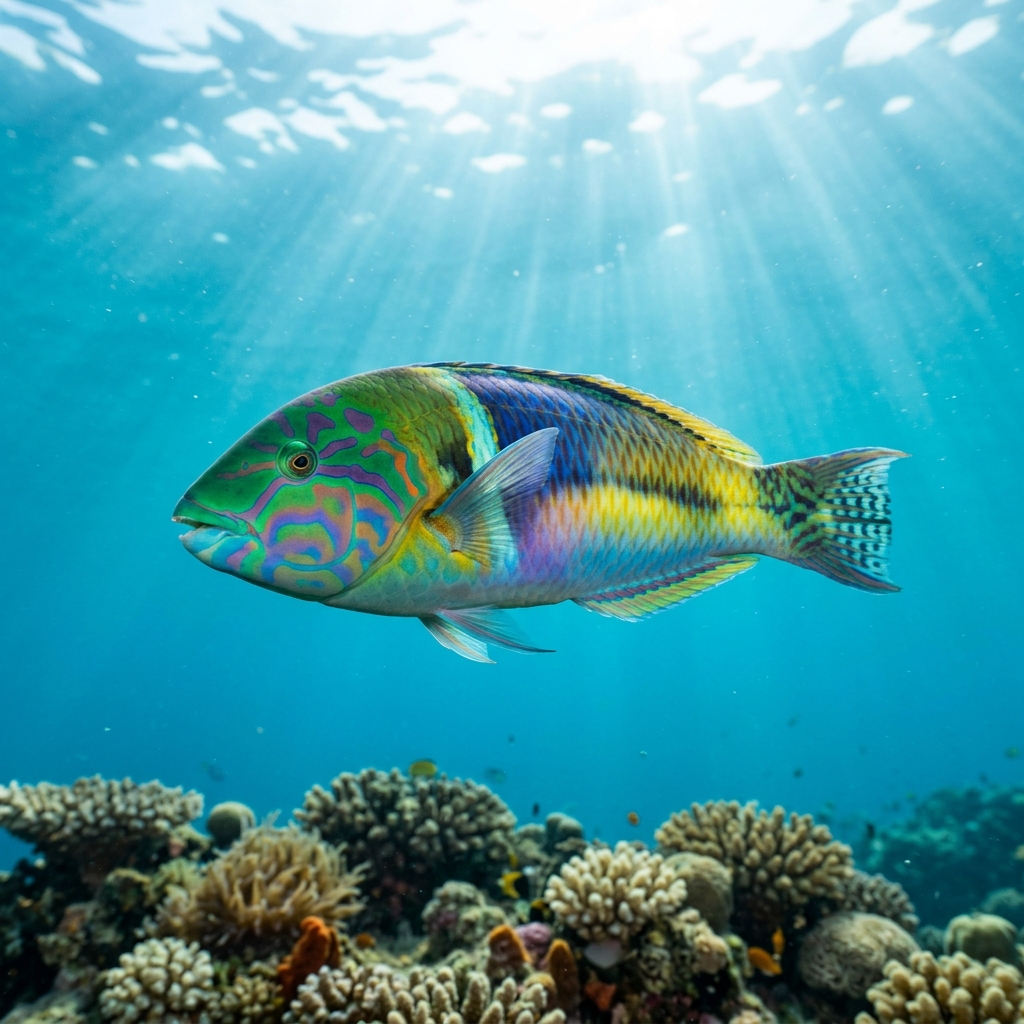
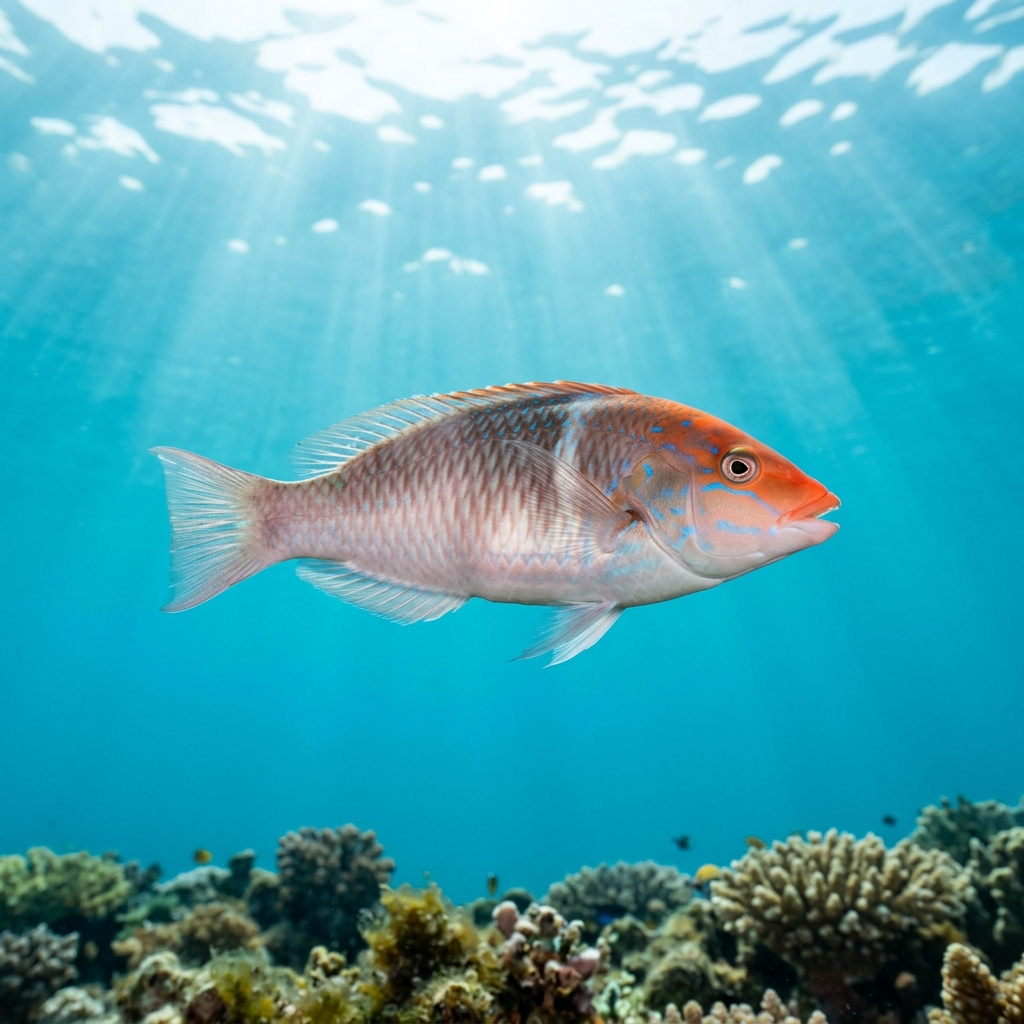
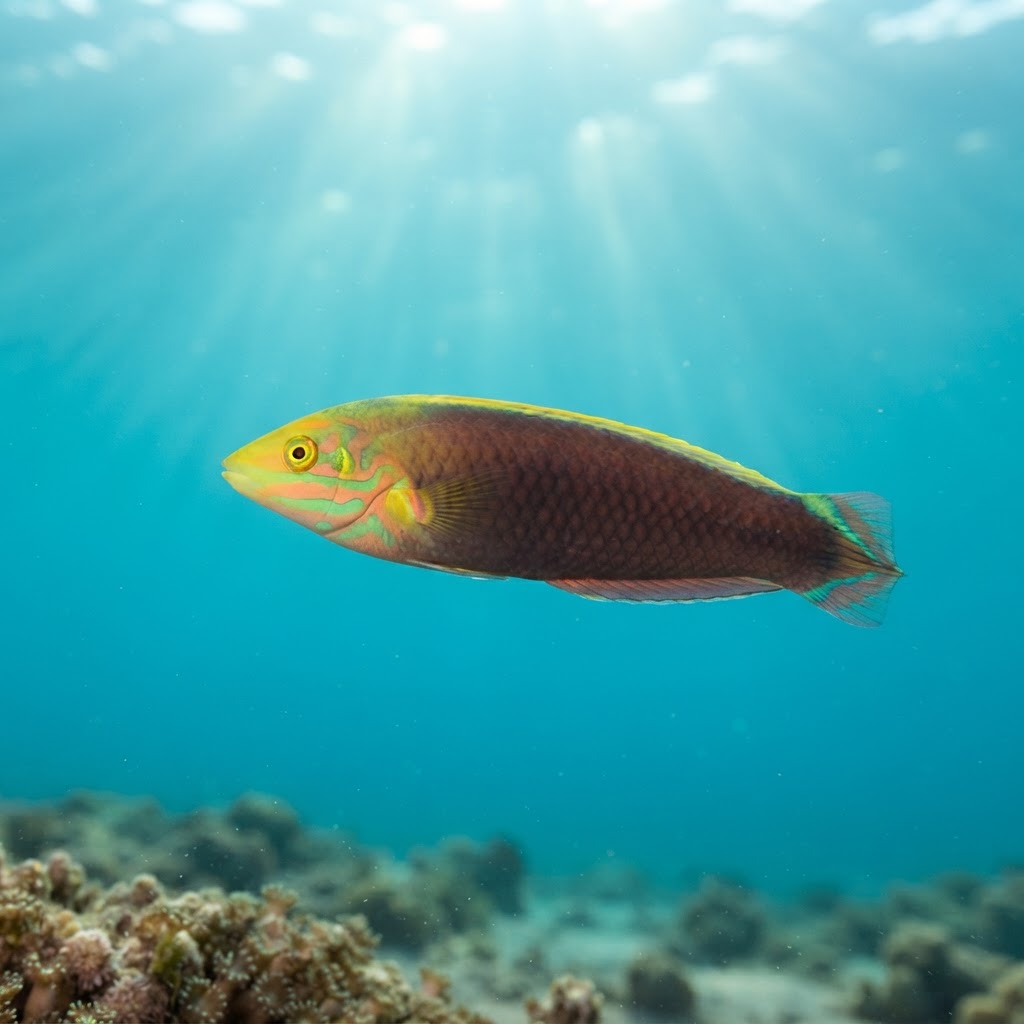
A small, slender fish at only around 8 cm, easy to overlook against a busy reef backdrop. Look for iridescent streaks of blue, green, orange or pink running along the body, catching the light as it darts between rocks and coral rubble. It swims with the quick, jerky wriggle typical of small wrasses rather than a smooth glide, which is often the first thing that gives it away.
Divers typically spot it picking around low reef structure and rubble patches, weaving in and out of small crevices rather than holding still for a photo. It is not shy exactly, but its small size and constant motion mean it is easy to miss unless you slow down and scan the substrate rather than the water column. Most logs describe it as an uncommon to rare find even at sites where it is known to occur, so a sighting takes a bit of patient looking rather than being guaranteed.
Like many small wrasses, it is likely a protogynous hermaphrodite, meaning individuals can start life as females and later change sex to male, though this hasn't been specifically studied in this species.
No clear seasonal pattern shows up in the sighting data, and it sits comfortably in 25.1 to 27.8C water, so it is a year-round resident wherever it is found rather than a seasonal visitor.
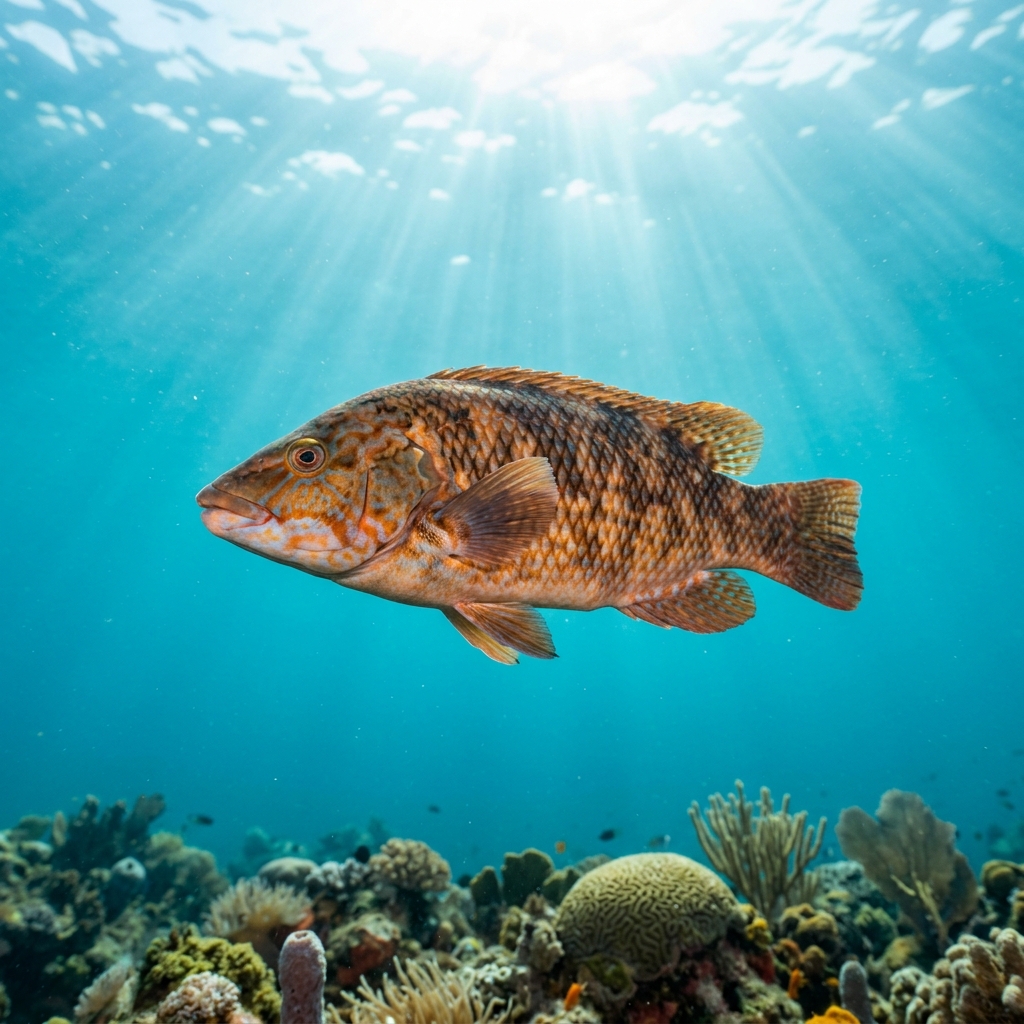
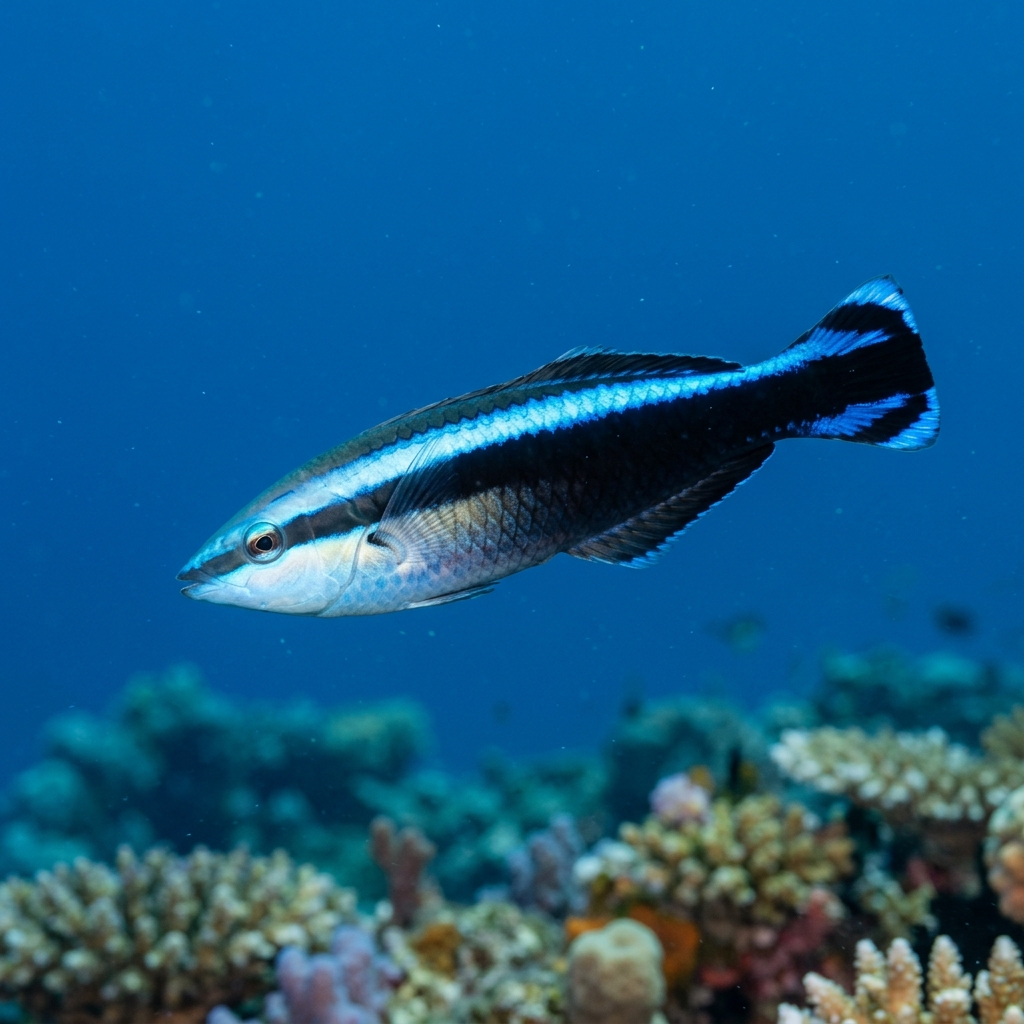
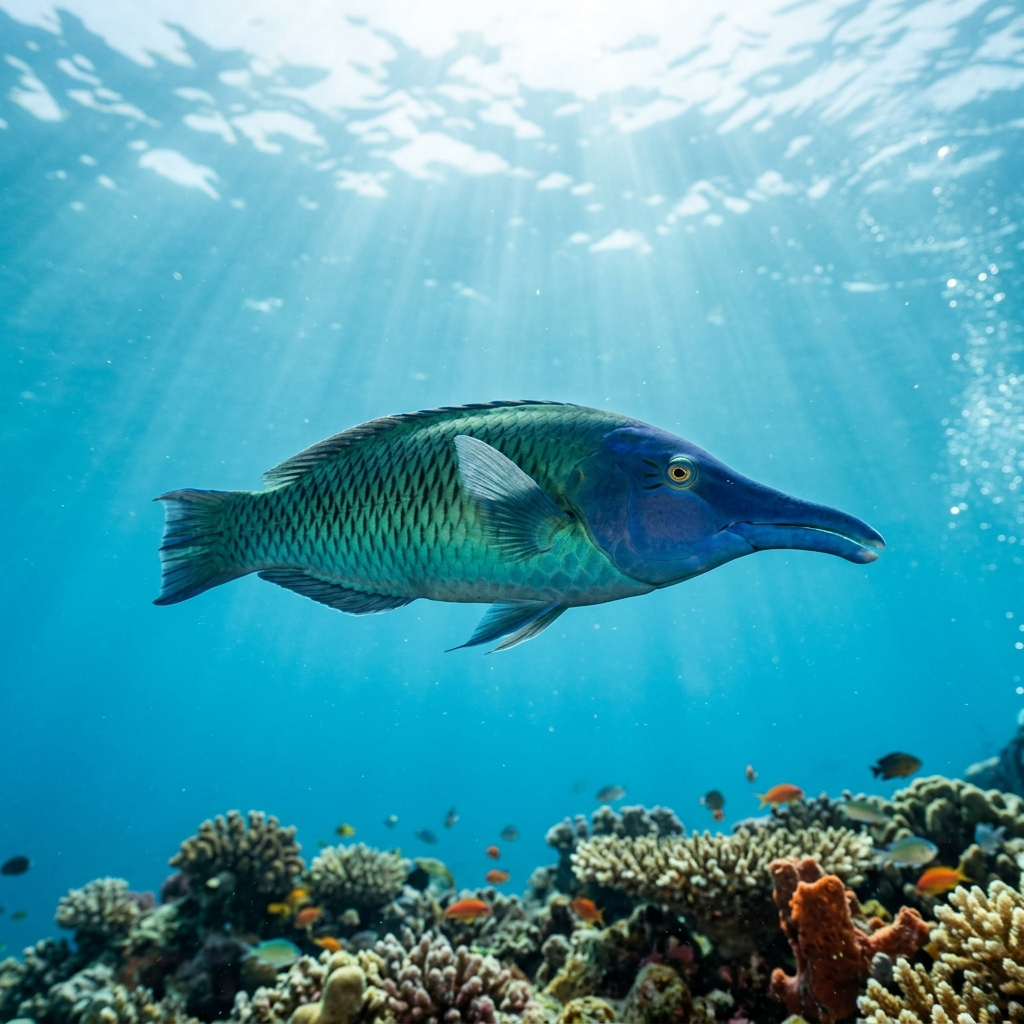
Reef neighbours a diver could mistake it for. Use the identification notes above to tell them apart.
Most reliably logged along KwaZulu-Natal in South Africa, with strong numbers also reported at Ponta do Ouro in Mozambique and Mafia Island in Tanzania. These three regions between them account for the great majority of logged sightings, making the western Indian Ocean coastline the place to focus a search.
Mapping where Rainbow Wrasse is logged…
The strongest sightings come from KwaZulu-Natal in South Africa, Ponta do Ouro in Mozambique, and Mafia Island in Tanzania, all on the western Indian Ocean coast.
There's no strong seasonal pattern in the data, and it favours warm water between roughly 25 and 28C, so it can turn up on reefs at any time of year.
Look for a small fish, around 8 cm, with iridescent blue, green and orange streaks along a slim body, darting quickly around rubble and low reef structure rather than swimming in open water.
They are small, reaching only around 8 cm in length, which makes them easy to overlook against a busy reef.
No. It poses no threat to divers and simply goes about its business picking through the reef substrate.
Site and sighting data is aggregated from diver logs, iNaturalist and GBIF. For taxonomy and conservation status:
Bird Wrasses
3,632 sites