Sebastes maliger
Mottled and spiny, quillback rockfish turn up on cold British Columbia reefs year-round in 6 to 11 C water.
Safety warning
Quillback rockfish carry venomous spines in their dorsal, anal and pelvic fins, and a puncture from an unaware diver bracing against rock can be painful. Admire them from a distance and avoid putting hands into crevices or ledges where one might be resting.
If you're stung
Venomous spinesGeneral first-aid guidance, not a substitute for professional medical care. In an emergency, call your local emergency number.
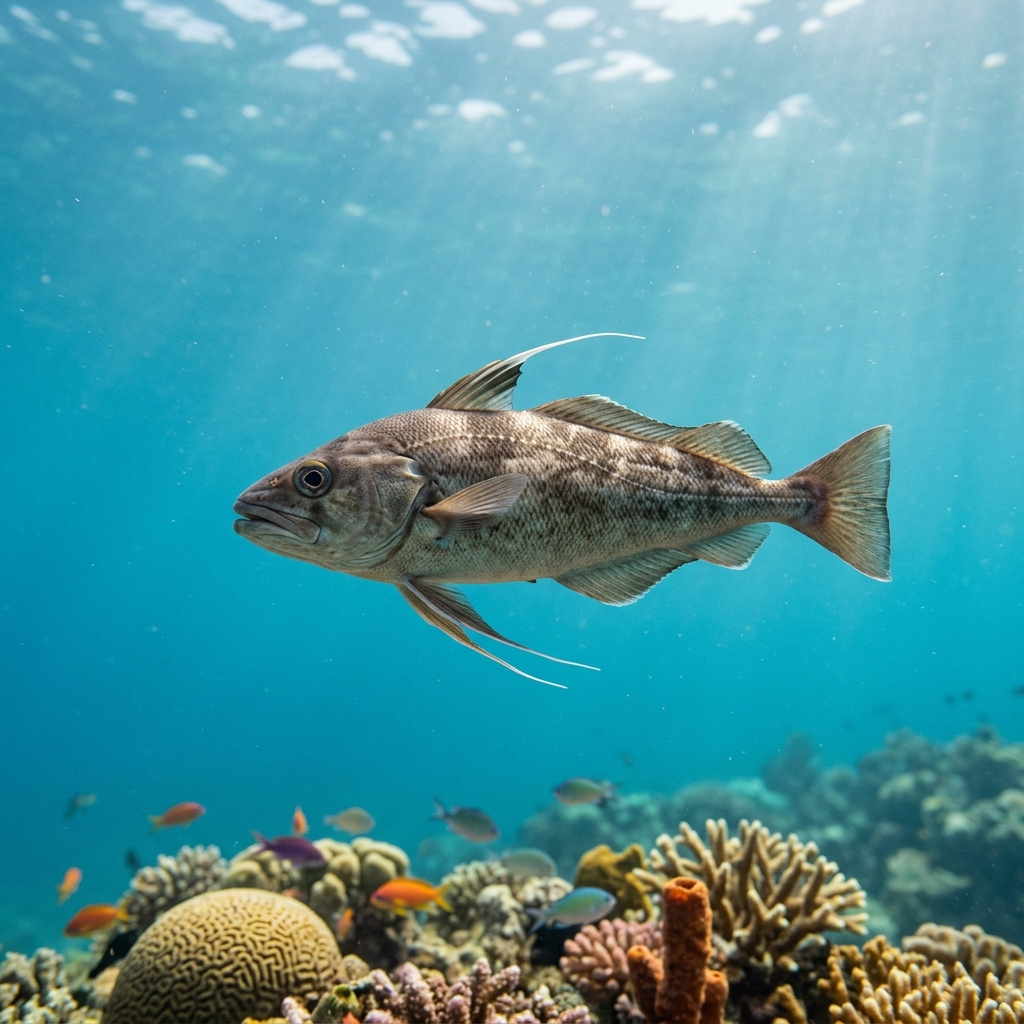
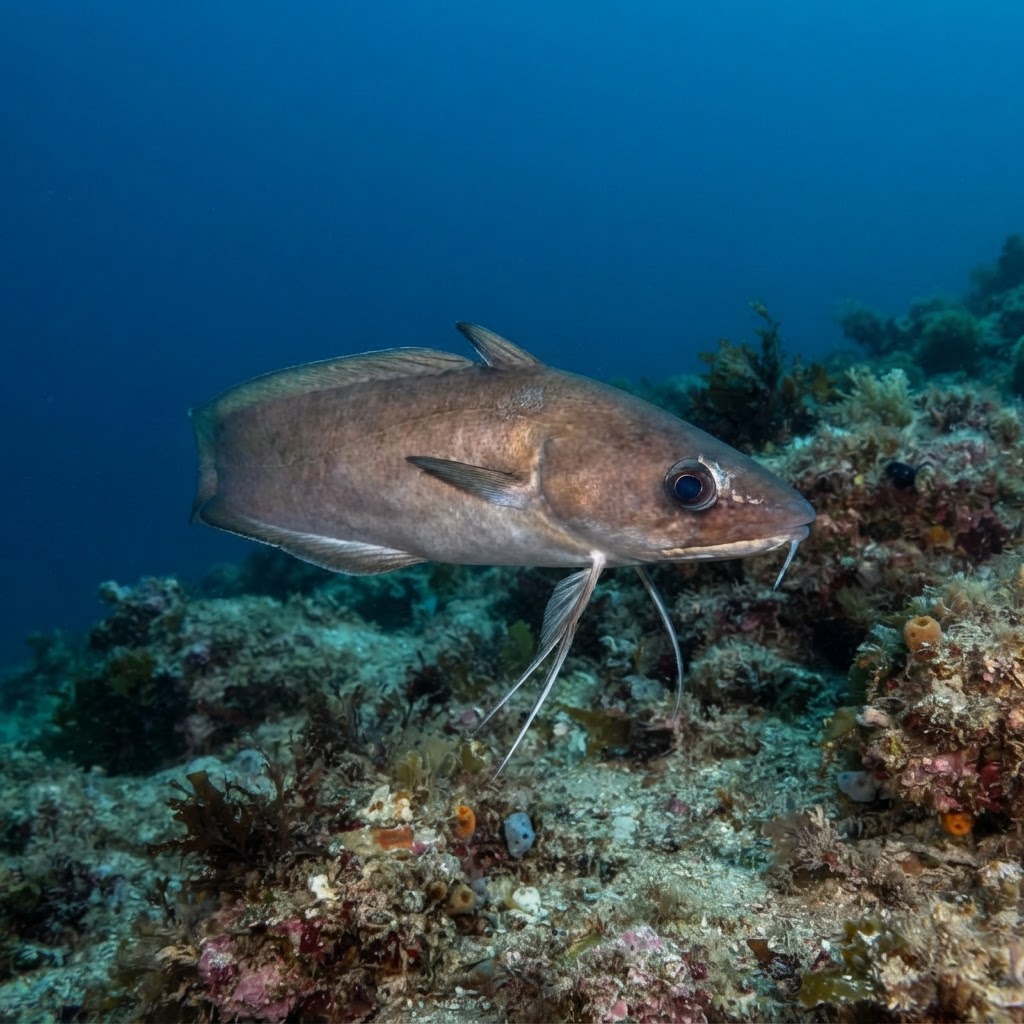
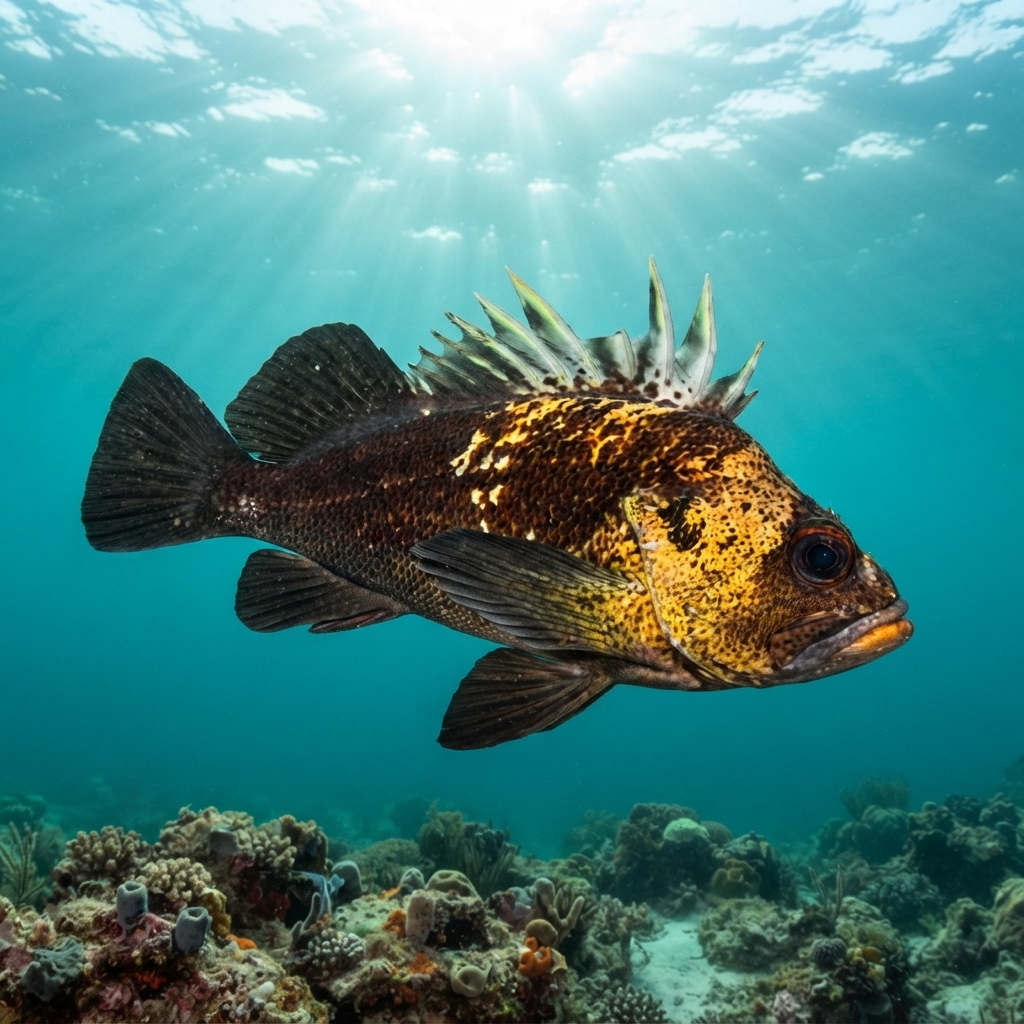
Look for a stocky, deep-bodied rockfish around 40 cm, mottled in dark brown, olive and yellow-orange blotches that break up its outline against rock and kelp. The giveaway is the tall, notched dorsal fin with long spines that stand up like a comb, often edged in dusky black between the spines. It tends to sit motionless against a rocky wall or ledge rather than swim in open water, which makes that spiky fin silhouette easy to pick out.
Quillback rockfish are ambush predators by habit, so most sightings are of one parked against a rock wall, under a ledge or tucked into a crevice, barely moving as divers pass. They rely on their mottled camouflage rather than fleeing, so a slow approach often gets you a long, close look before it finally shifts position. Most logs describe them as uncommon rather than common, so finding one usually means checking likely rocky structure rather than expecting one in open water.
Rockfish in this genus are notably long-lived and slow to mature, with quillback rockfish able to reach several decades of age, which makes localised populations slow to recover if disturbed.
Sightings show no clear seasonal pattern, and with water temperatures logged between 6.3 and 11.1 C, this is a cold-water resident that stays put through the year rather than migrating with warmer conditions. Plan around good visibility and calm currents on the BC coast rather than a particular month.
This is very much a British Columbia fish, with the strongest and most consistent logs coming from sites across BC, especially around the Pacific Northwest. Divers also report it further south along the coast in California, though sightings there are patchier than the dense cluster of records in Canadian waters.
Mapping where Quillback Rockfish is logged…
British Columbia, Canada is by far the most reliable place, with consistent logs across its rocky reef sites. Smaller numbers turn up further south in the Pacific Northwest and California.
There is no strong seasonal pattern in the sighting data, so they are considered a year-round resident of cold BC waters between roughly 6 and 11 C. Dive whenever conditions and visibility suit you.
Yes, they have venomous spines in their dorsal, anal and pelvic fins that can deliver a painful sting if handled or brushed against. Keep hands away from rocky ledges and crevices where they rest.
Look for a stocky, mottled brown and yellow-orange body around 40 cm long, sitting still near rocky structure rather than swimming openly. Its tall, notched dorsal fin with long spines is the clearest visual clue.
They typically reach around 43 cm in length, making them a mid-sized rockfish compared to some of their larger cold-water relatives.
Like many rockfish, quillbacks are slow-growing and long-lived, with lifespans that can stretch several decades. That longevity means local populations take a long time to rebuild if heavily fished or disturbed.
Site and sighting data is aggregated from diver logs, iNaturalist and GBIF. For taxonomy and conservation status:
Pollack
282 sites