Seriphus politus
Uncommon find in California's cool coastal waters, this schooling croaker prefers water between 9.6 and 18.6°C year-round.
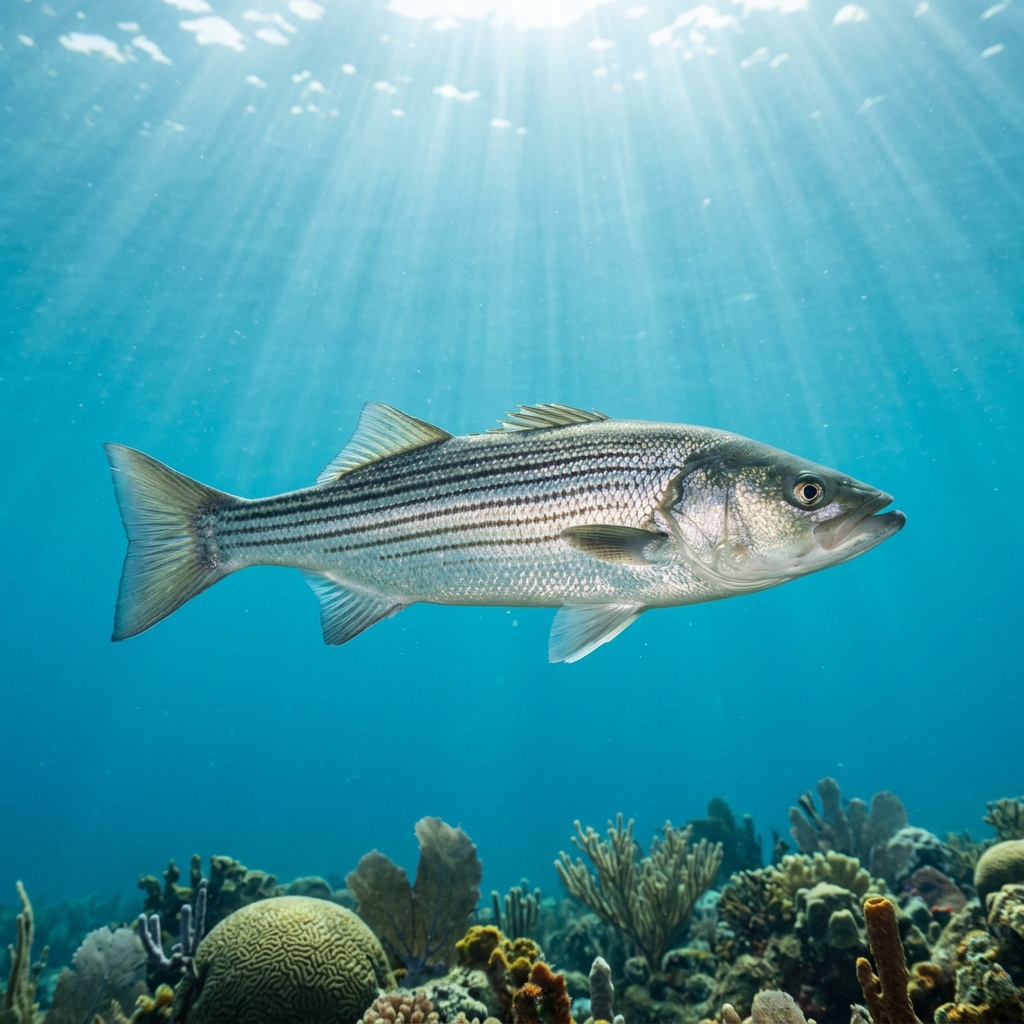
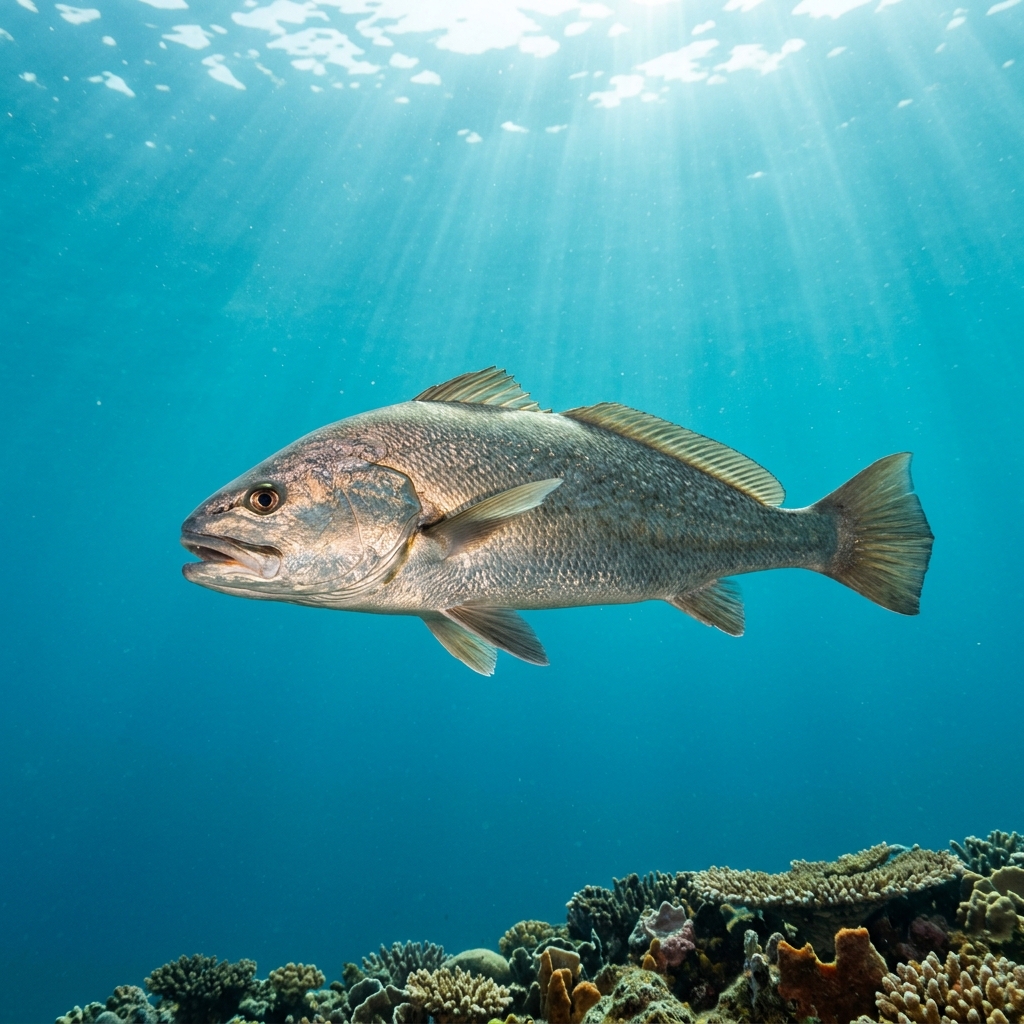
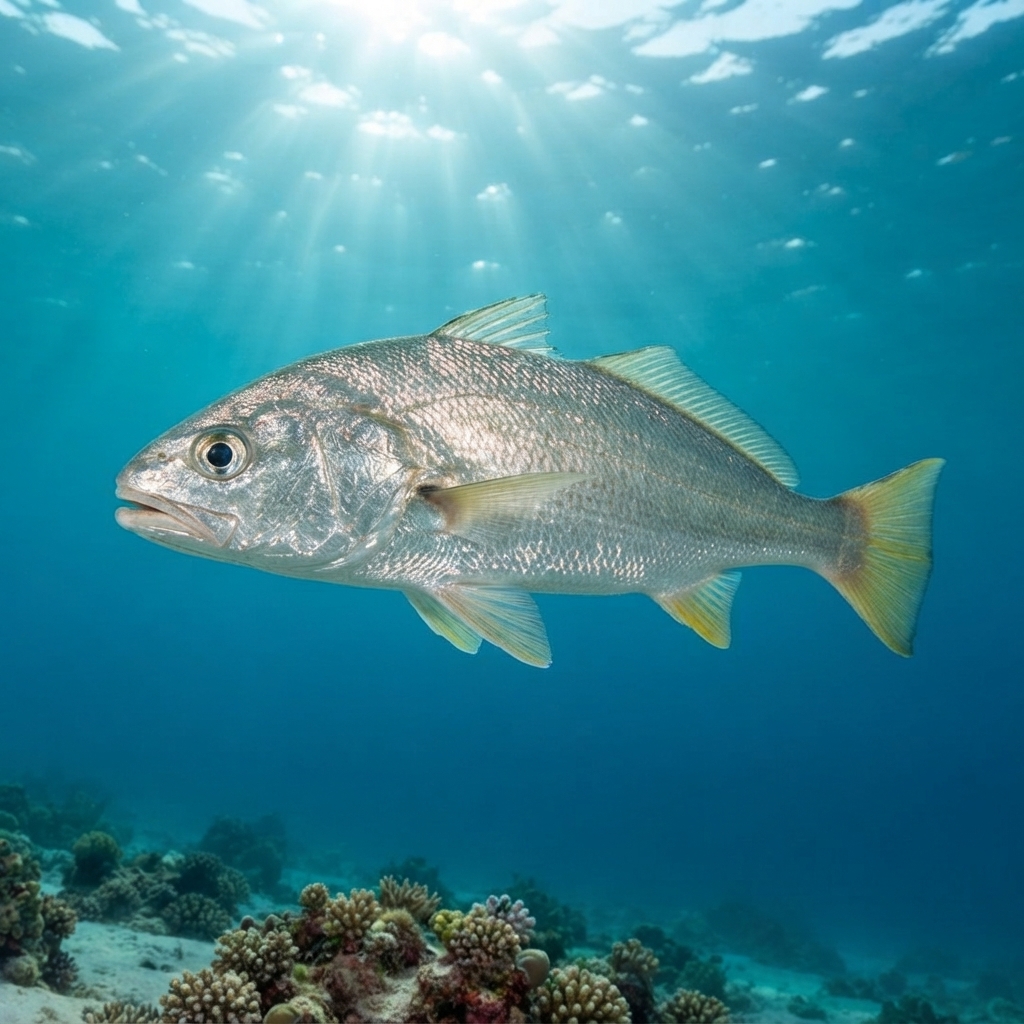
Look for a slim, elongated silver body around 21 cm long with a faint golden or brassy sheen along the flanks. The fins often carry a pale yellow tint, and the underslung mouth typical of croakers sits low on a slightly pointed snout. It usually shows up mid-water in loose groups rather than sitting on the bottom, which helps separate it from reef-hugging species nearby.
Divers encounter it in open water over reef and rock structure rather than tucked into crevices, often moving in loose schools rather than as solitary fish. It tends to keep its distance and carries on with its own business rather than approaching divers, so most sightings are brief passes rather than lingering encounters. Reported as an uncommon find even at the one site where it has been logged, so treat any sighting as a bonus rather than an expectation.
Croakers in the Sciaenidae family are named for the drumming or croaking sounds many species make using specialised muscles against their swim bladder, a trait shared across the group even though it is rarely something a diver notices underwater.
Sighting data does not show a distinct season, and observed water temperatures span a wide 9.6 to 18.6 C range, consistent with a fish present through the cooler and warmer parts of the California diving calendar alike. Treat it as a year-round possibility rather than a seasonal target.
Logged sightings currently trace back to California, United States, where it turns up on temperate rocky reefs and kelp-adjacent sites along the coast. It is not yet documented at dive sites outside this region, so California remains the place to look for it.
Mapping where Queen Croaker is logged…
The clearest logged sightings come from California, United States, on temperate rocky reef sites along the coast. It has not yet been documented at dive sites outside this region.
There is no strong seasonal pattern in the sighting data, and it has been recorded across a wide temperature range from 9.6 to 18.6 C. That points to a year-round presence in California waters rather than a specific season.
Look for a slender silvery body about 21 cm long with a faint brassy sheen and yellow-tinted fins, usually seen moving in loose groups in open water over rocky reef rather than resting on the bottom.
They typically reach around 21 cm in length, making them a small, slim-bodied fish rather than a bulky one, best spotted by their schooling behaviour and silvery flash in mid-water.
Sighting reports mark it as uncommon even at the one known dive site where it has been logged, so encounters are more of a lucky extra than a reliable target.
Site and sighting data is aggregated from diver logs, iNaturalist and GBIF. For taxonomy and conservation status:
Meagre
1,159 sites