Platyrhinoidis triseriata
Spot the thornback along the US Pacific Coast from Jun, Oct in cool 12-20°C water. Learn how to recognise this spiny ray and where divers log it.
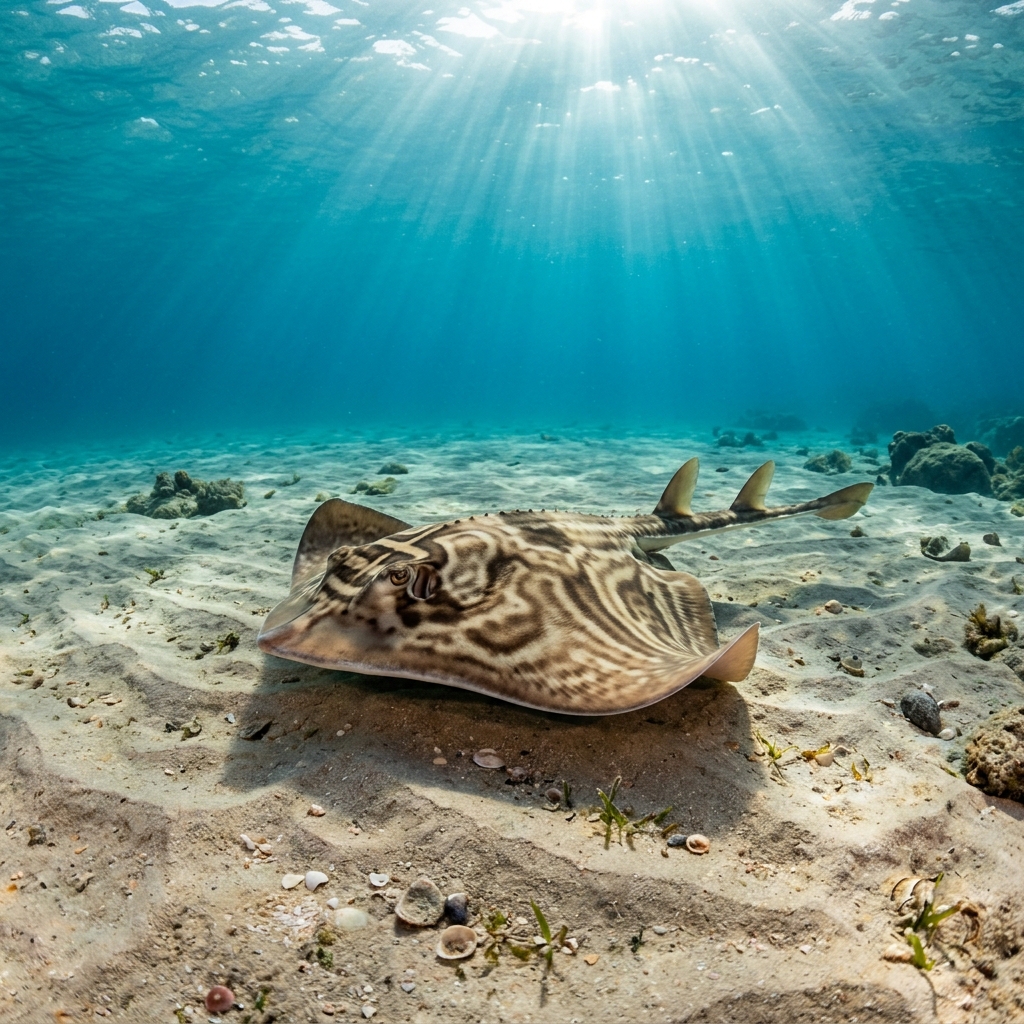
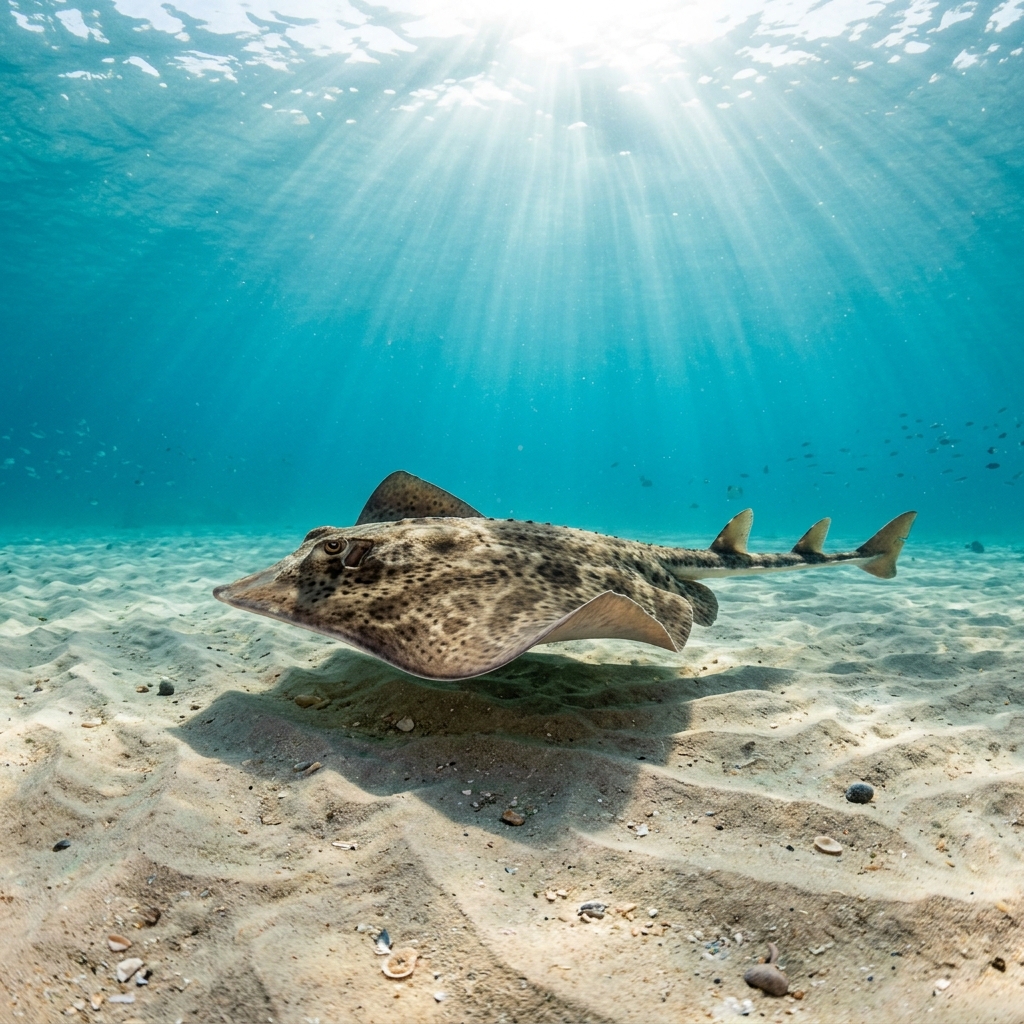
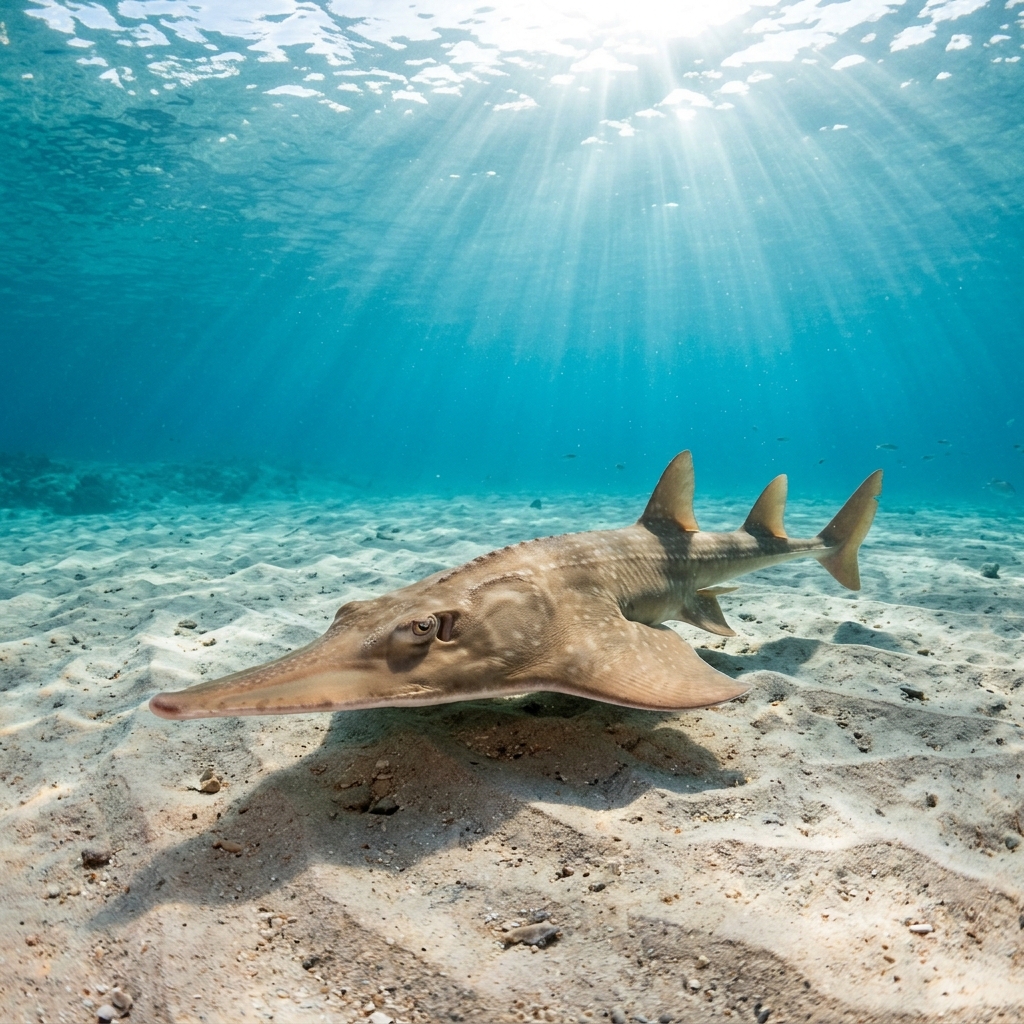
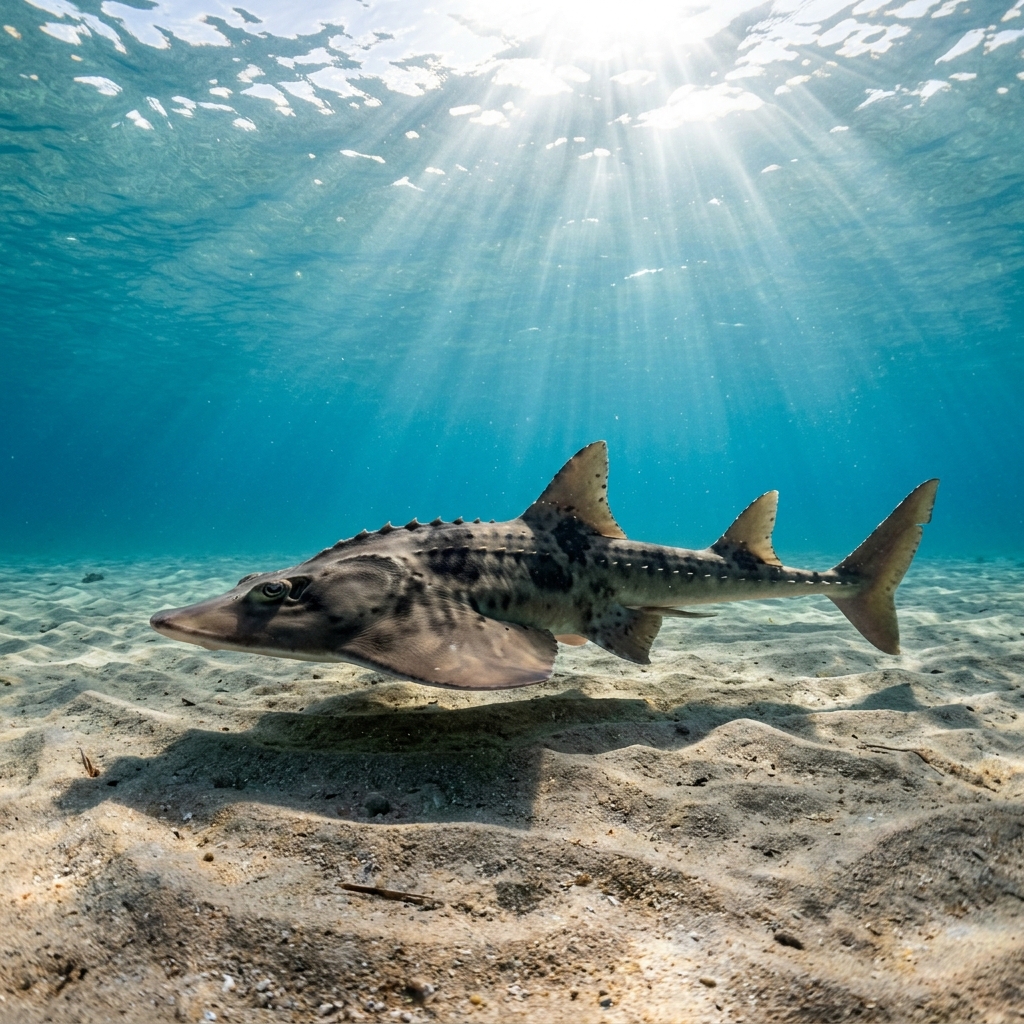
Three rows of sharp thorns (enlarged spines) running along the back and onto the tail are the unmistakable feature that gives this ray its name. The body is flattened and broadly rounded at the front, blending into a fairly short, thick tail. Colouration is generally brownish to olive-grey on top with a paler underside. It sits close to or directly on sandy or muddy bottoms, which is usually where you will find it.
Thornbacks are bottom-dwellers, typically found resting or slowly cruising just above sandy or muddy substrates in relatively shallow coastal water. They tend to be unhurried around divers and will often hold position rather than flee, giving you time for a good look. Most encounters happen during the warmer months when they move into shallower, more accessible dive sites.
The three rows of enlarged thorns on the back are not just a visual quirk, they are a defensive adaptation that makes the thornback noticeably prickly to handle, distinguishing it from most other Pacific rays at a glance.
Sightings on the US Pacific Coast concentrate between June and October, aligning with the warmer end of its cool-water temperature range of around 12 to 20°C.
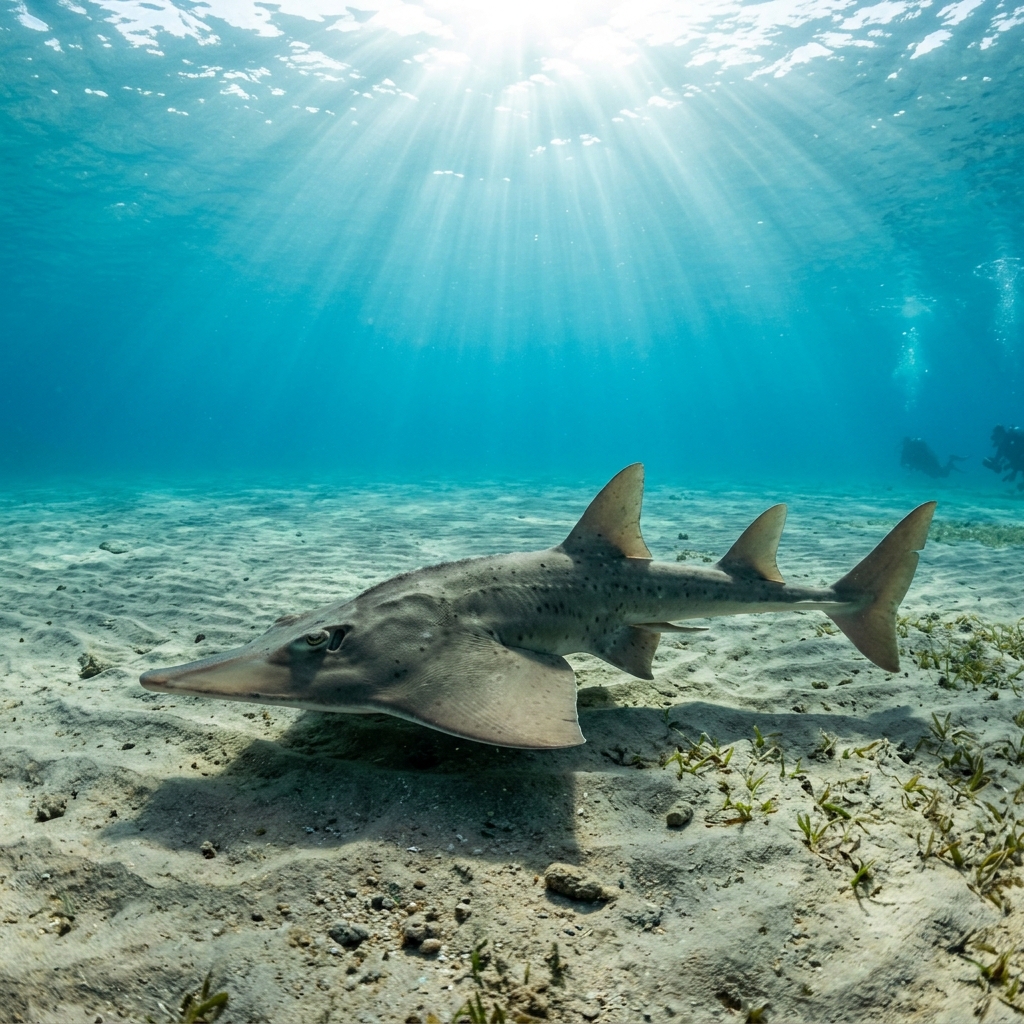
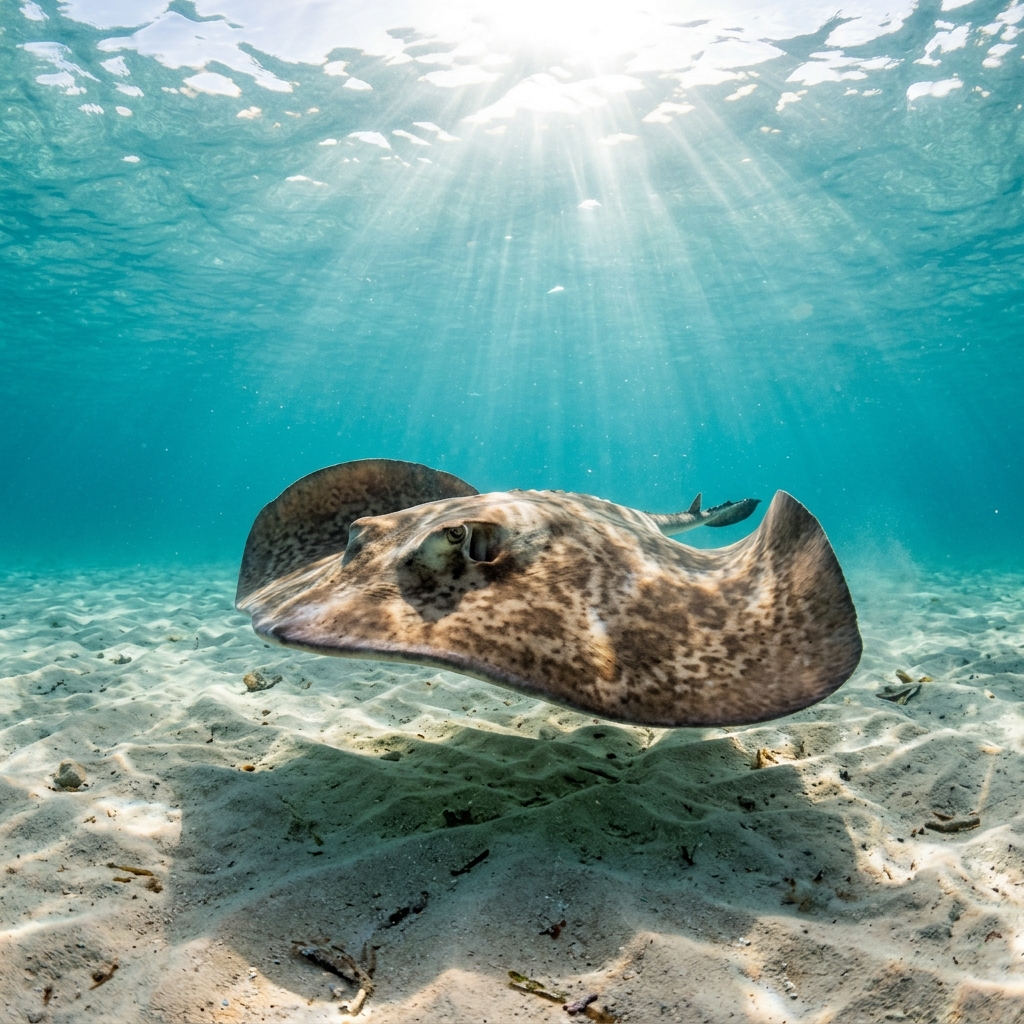
Reef neighbours a diver could mistake it for. Use the identification notes above to tell them apart.
All logged sightings come from the US Pacific Coast, making this a distinctly Californian encounter. Sites stretch across this cool-water Pacific coastline, where divers report it most frequently at a handful of spots and less reliably at the majority of sites logged.
Mapping where Thornback is logged…
Thornbacks are logged exclusively along the US Pacific Coast. All known dive-site records come from this cool-water region, making California and nearby Pacific coastal sites your best bet for an encounter.
On the US Pacific Coast, sightings peak between June and October. This warm-season window corresponds with when thornbacks move into shallower water, making them more accessible to divers working typical recreational depths.
Look for three distinct rows of sharp spines running down the back and onto the tail, no other ray commonly encountered in California waters has this feature. The body is broadly rounded and the colouration is brownish to olive-grey on top. It rests on sandy bottoms, which is where you will almost always find it.
Thornbacks pose no meaningful threat to divers. They are not venomous and are not recorded as aggressive. The rows of sharp spines on their back would be unpleasant to grab, so simply avoid handling them and you will have no issue.
Across the Pacific Coast sites where they are recorded, thornbacks are most often described as uncommon, meaning a sighting is possible but not guaranteed on any given dive. A small number of sites report them as common, so local knowledge about specific spots can improve your chances considerably.
Site and sighting data is aggregated from diver logs, iNaturalist and GBIF. For taxonomy and conservation status:
Halavi Guitarfish
412 sites