Halichoeres margaritaceus
A small, shy reef wrasse common in the Society Islands and Rarotonga, at home in warm 25-29C shallows year-round.
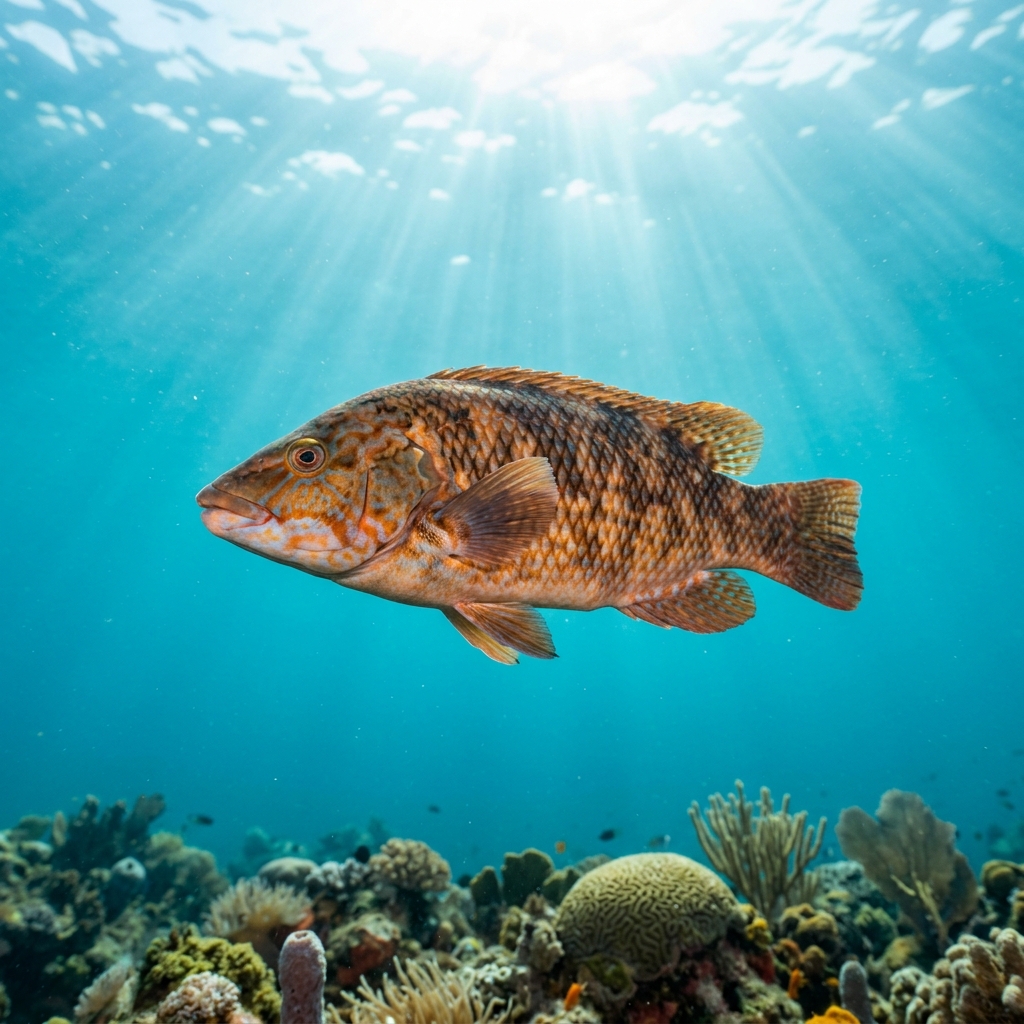
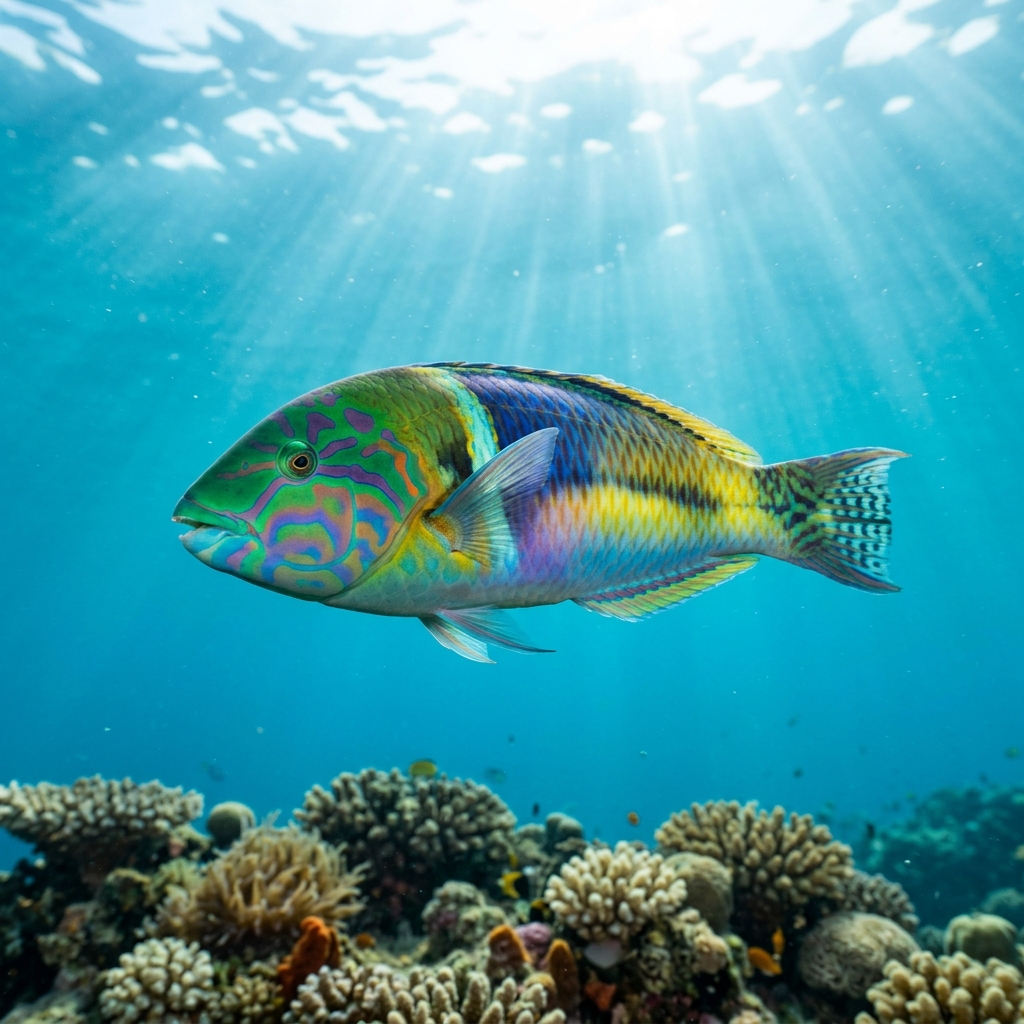
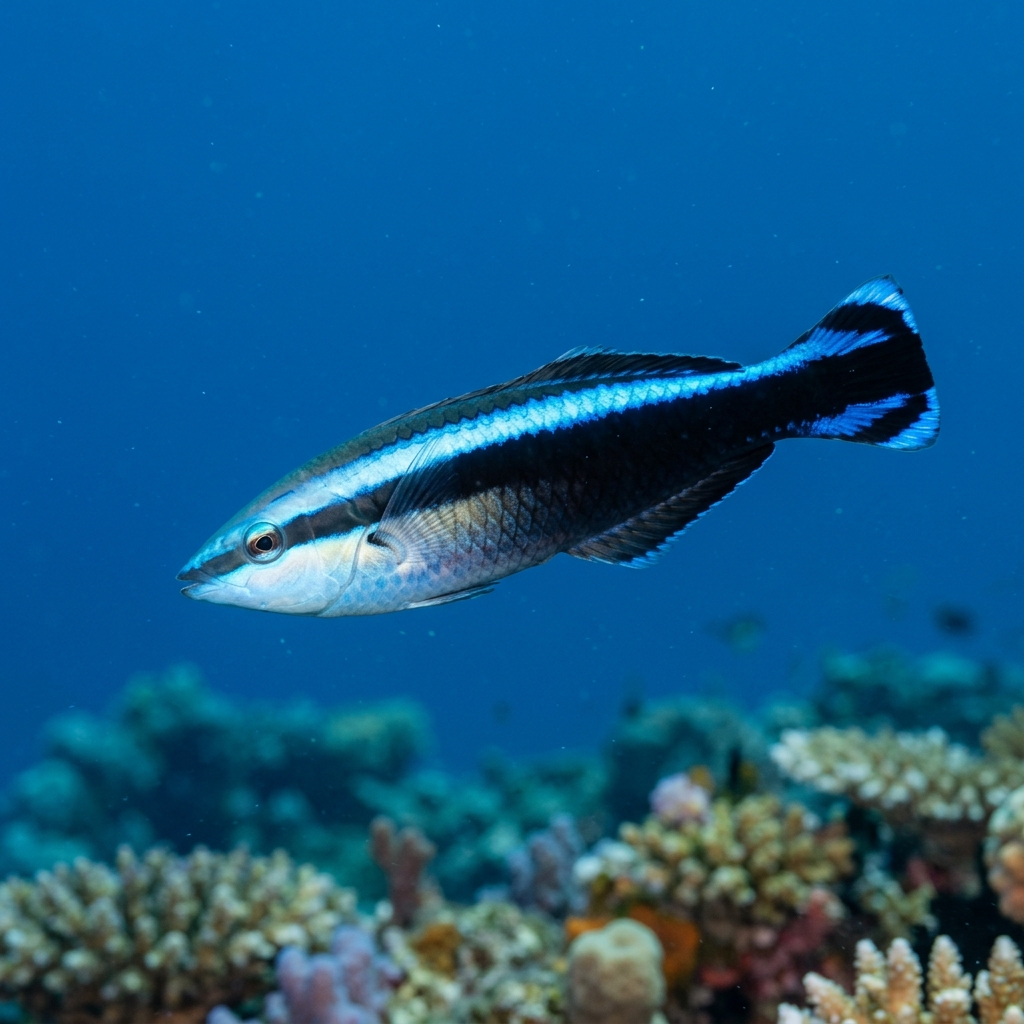
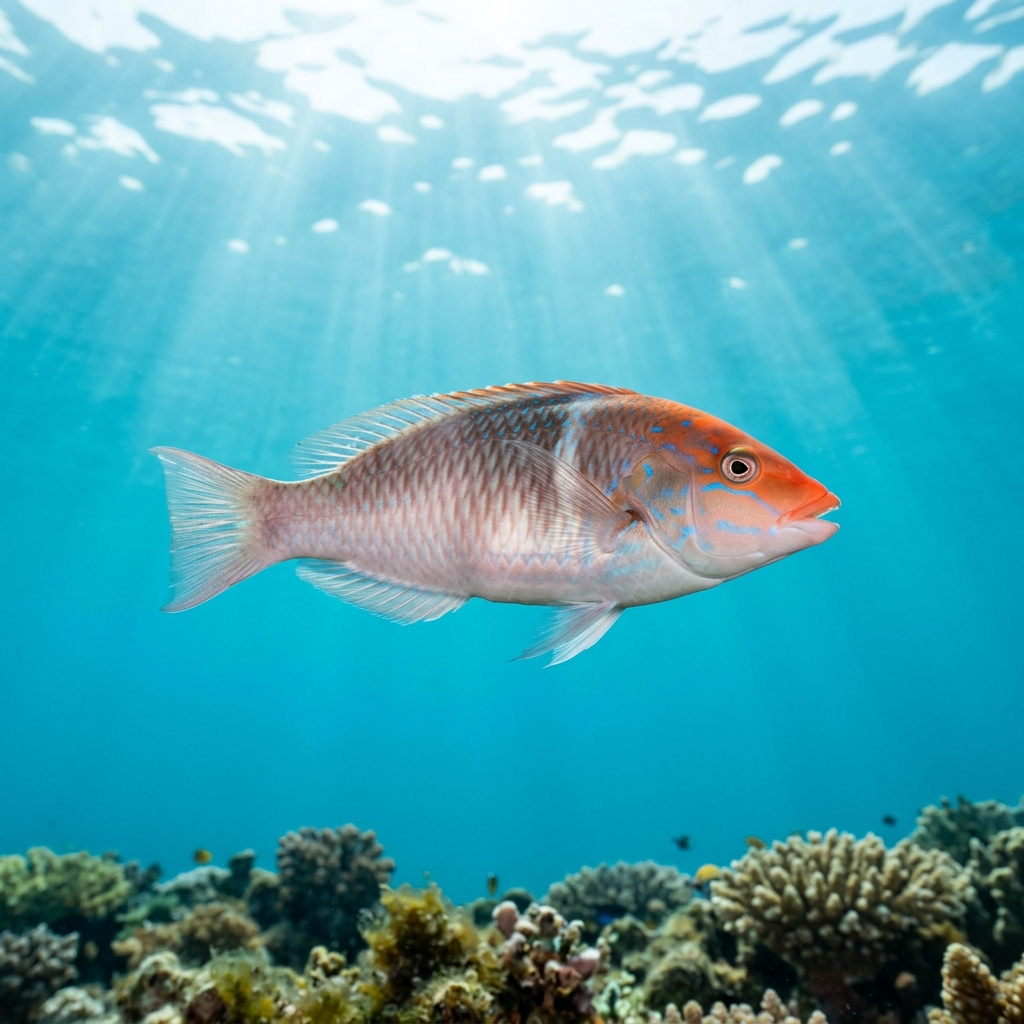
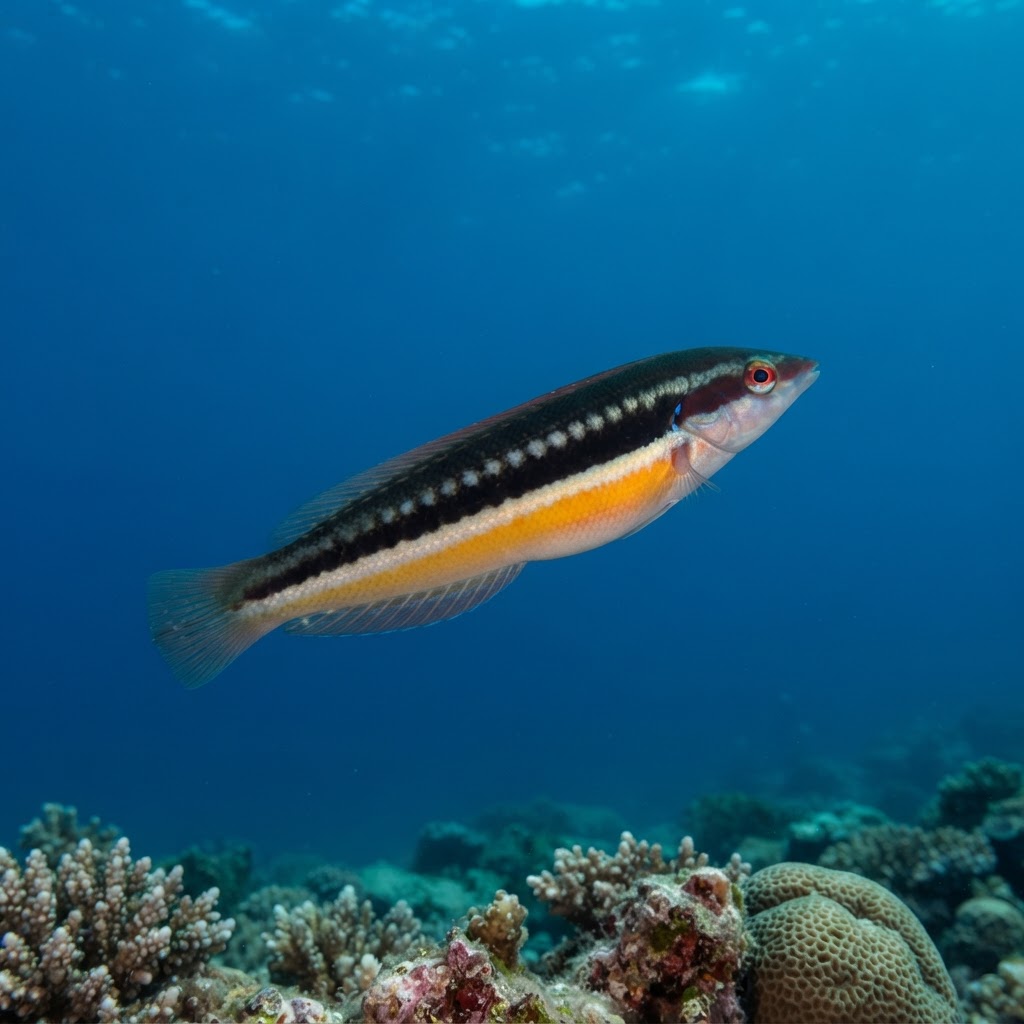
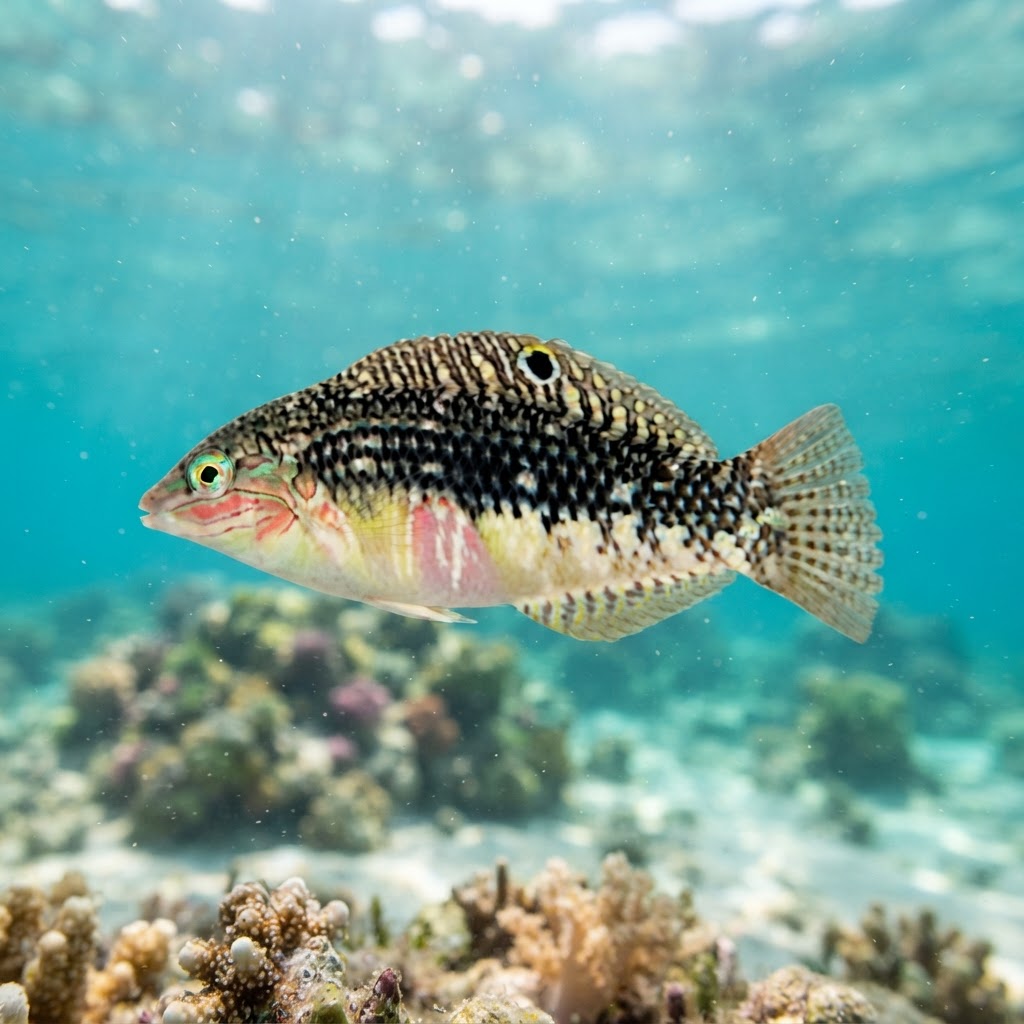
A small, slender wrasse that tops out around 8 cm, with a pearly, iridescent body that flashes pale blue-white and cream as it catches the light. Look for a slim, torpedo-shaped body and quick, darting swimming bursts low over the reef rather than steady cruising. It stays close to rubble and coral cover, so you often see only a flicker of movement before it vanishes into a crevice.
Expect quick, low darts across rubble and coral rather than any lingering pose, this is a fish that treats divers as background noise and keeps foraging. Most sightings come from shallow reef flats and lagoon margins where it picks at small invertebrates among the rubble and coral debris. It rarely strays far from cover, so patient, slow-moving divers scanning the substrate spot it more often than those cruising past.
Like many Halichoeres wrasses, pearly wrasse bury themselves in sand at night and when startled, a defence trick that also means a shallow, sandy-bottomed dive site gives you better odds of seeing one active by day.
No clear seasonal pattern shows up in the sighting data, and its comfortable range of roughly 25 to 29C covers tropical reefs all year, so any month works. Shallow lagoon and reef-flat dives in the 0 to 5 m range are where it turns up most consistently.
Most reliably logged in the Society Islands of French Polynesia and around Rarotonga in the Cook Islands, with a strong secondary presence in the Visayas region of the Philippines. Divers also report it regularly in Queensland, Australia, and around Taveuni in Fiji, usually on shallow reef flats and lagoon edges.
Mapping where Pearly Wrasse is logged…
It shows up most consistently in the Society Islands of French Polynesia and around Rarotonga in the Cook Islands, with reliable sightings in the Visayas region of the Philippines and in Queensland, Australia, and Taveuni, Fiji.
There's no strong seasonal pattern in the sightings, and it tolerates a wide 25 to 29C range, so it's present on shallow tropical reefs throughout the year.
Look for a small, slender wrasse around 8 cm with an iridescent pale, pearly sheen, darting in quick bursts low over rubble and coral rather than swimming steadily in open water.
They stay small, typically around 8 cm as adults, making them easy to overlook against busy rubble and coral backgrounds.
No, they pose no threat to divers. They are small, shy reef fish that keep their distance and focus on foraging in rubble.
Yes, like several related Halichoeres wrasses, pearly wrasse dive into sand to hide when threatened or to rest, a behaviour worth watching for over sandy reef flats.
Site and sighting data is aggregated from diver logs, iNaturalist and GBIF. For taxonomy and conservation status:
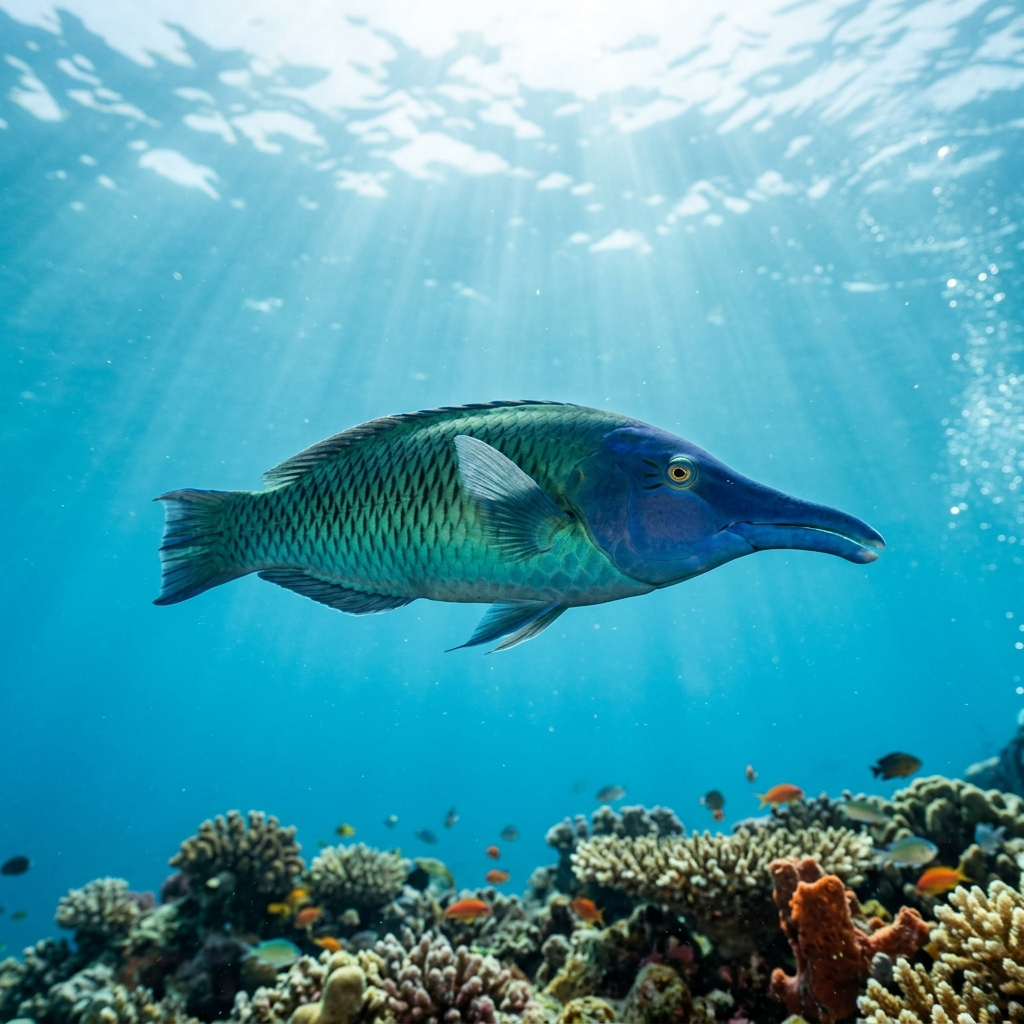
Bird Wrasse
3,632 sites