Anampses cuvier
Pearl Wrasse turns up on reefs across Hawaii year-round, most often as an uncommon but reliable find in 24-27C water.
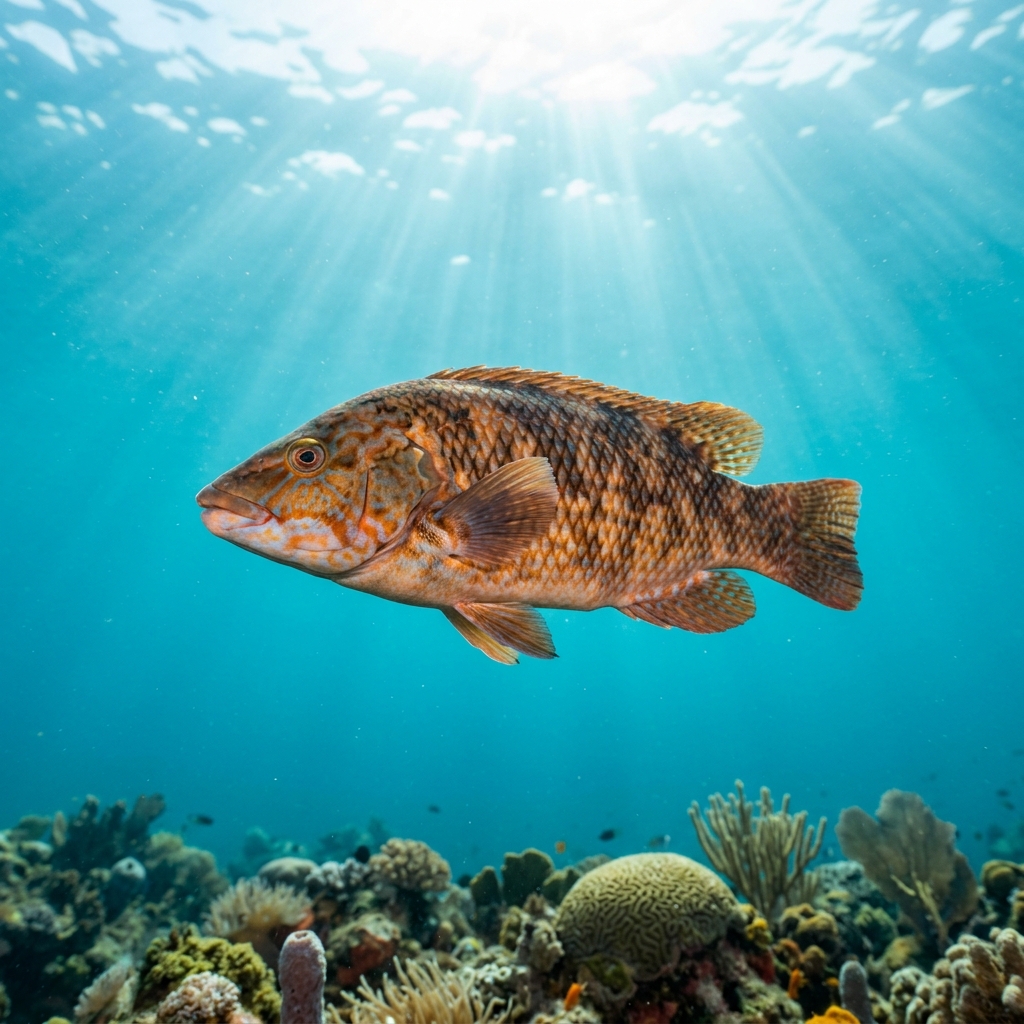
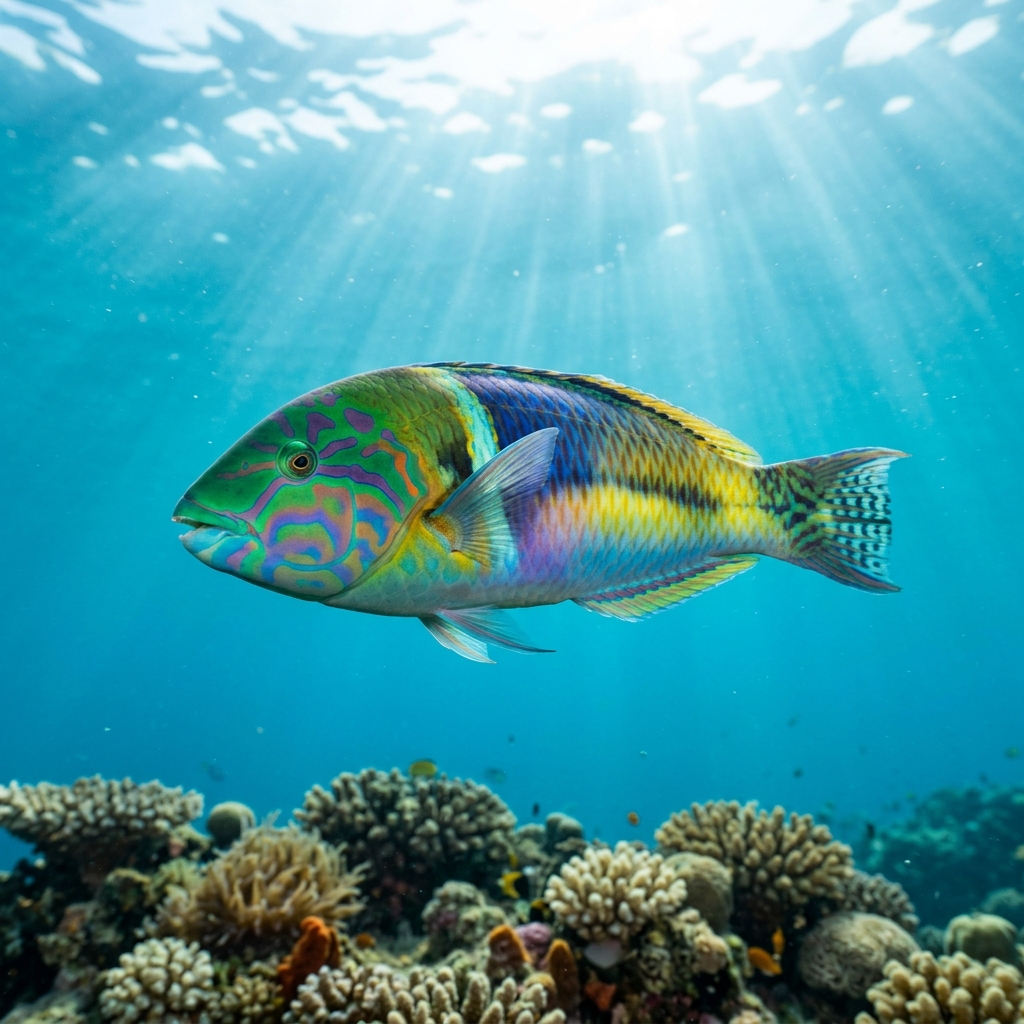
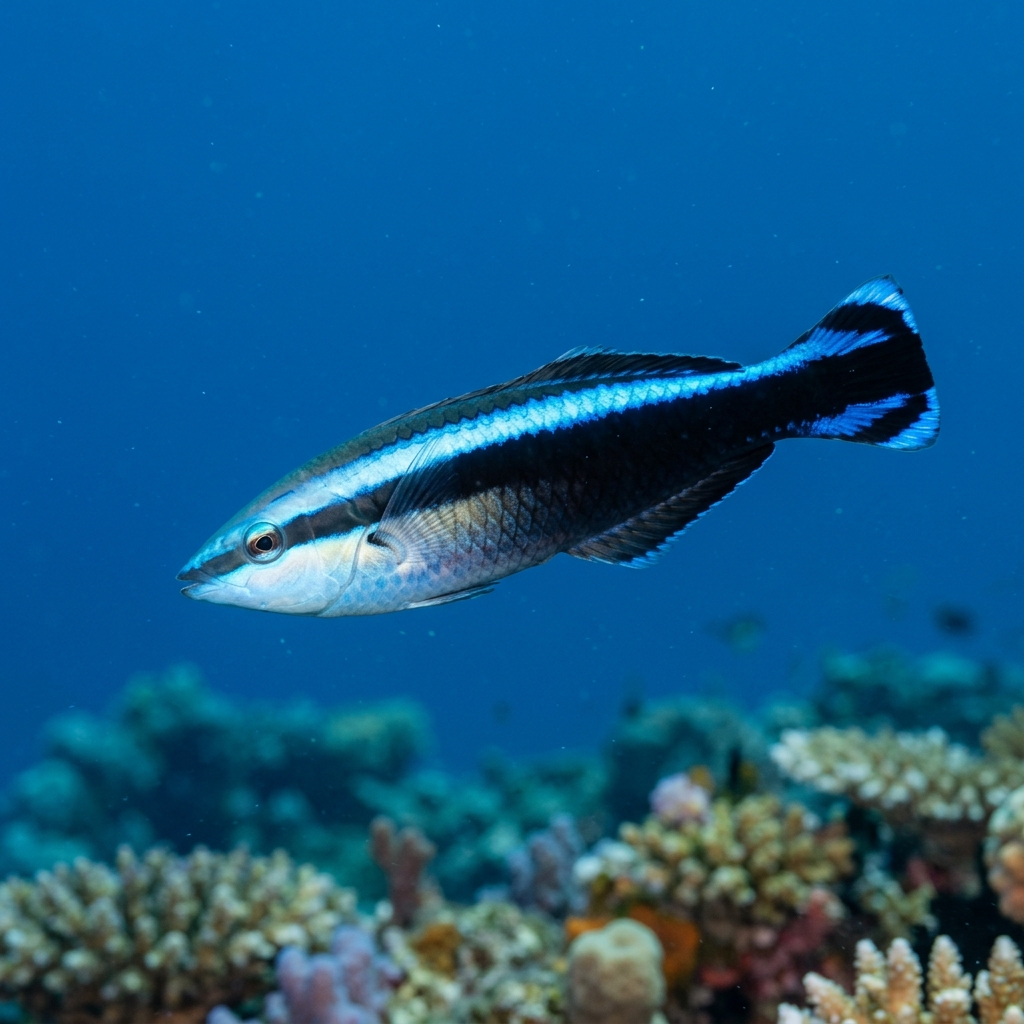
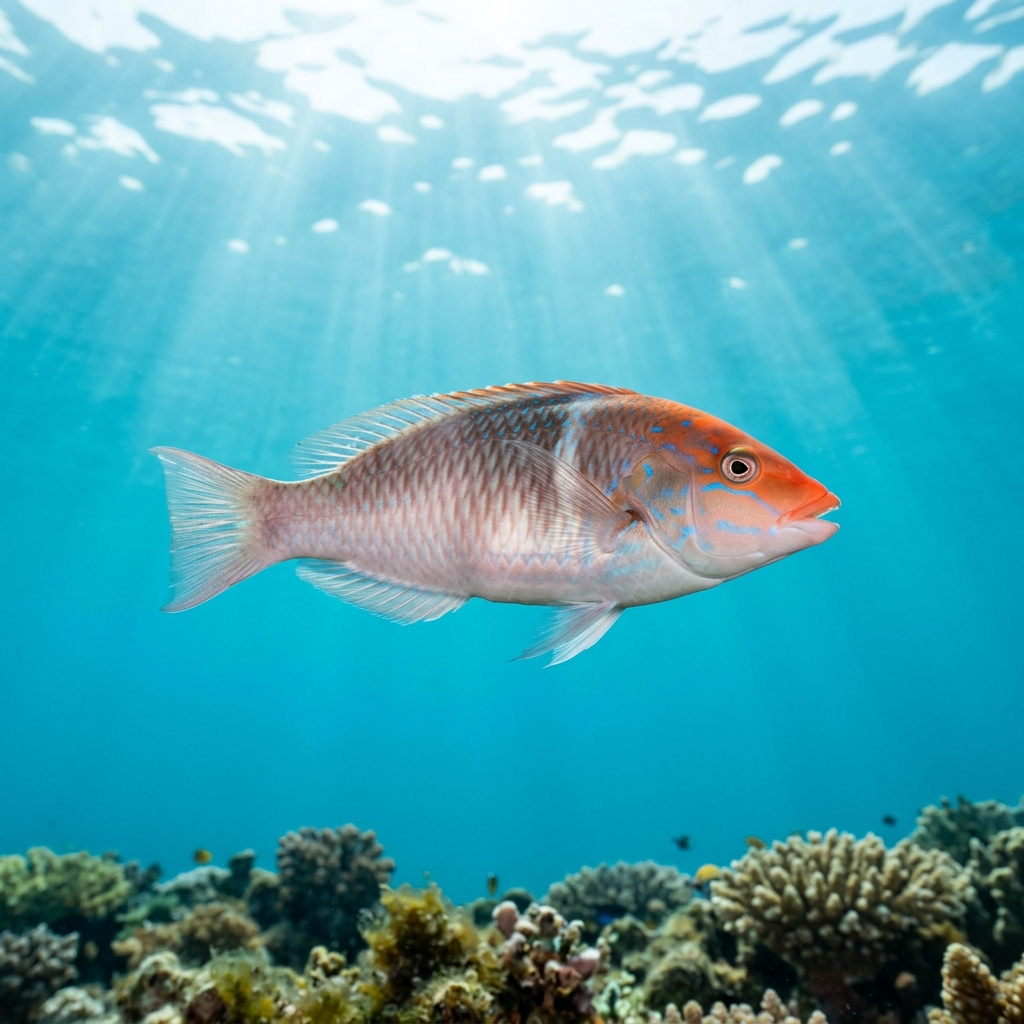
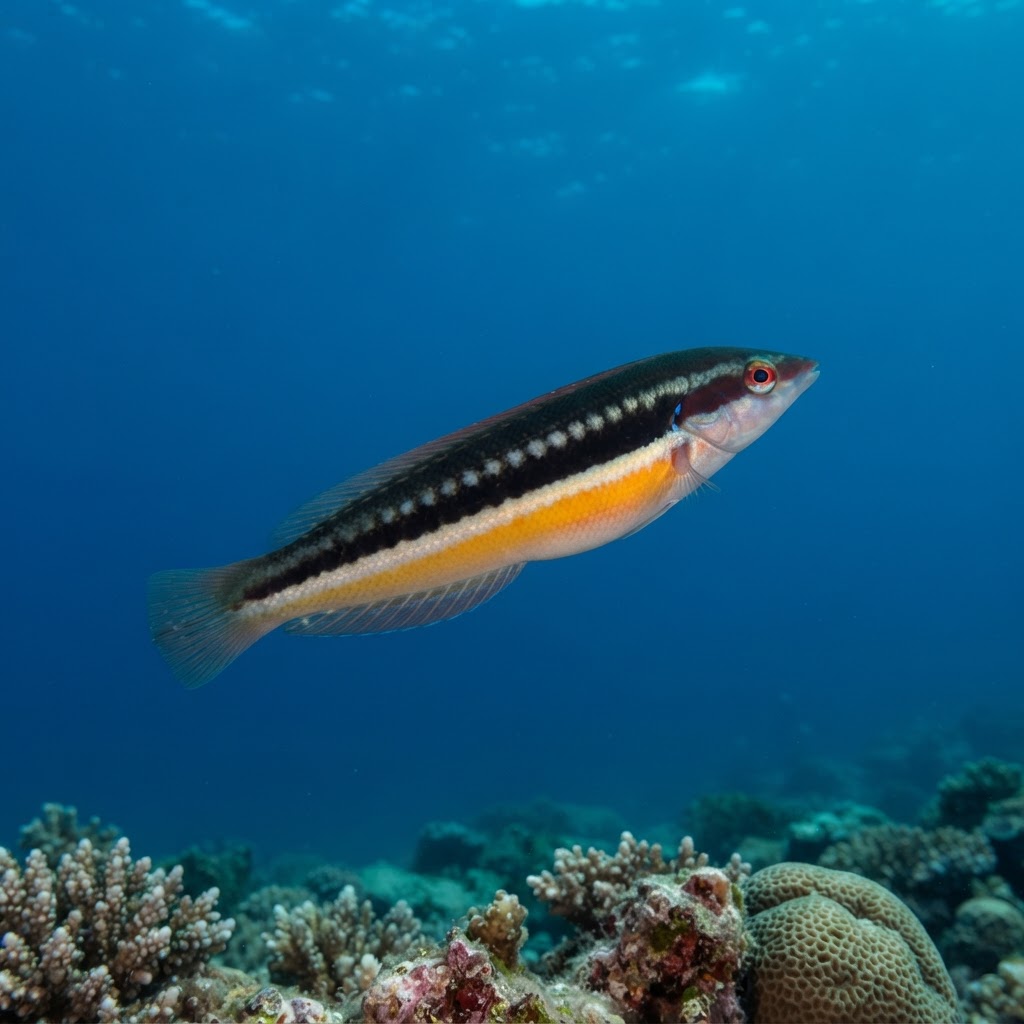
Grows to around 21 cm, with a slender, torpedo-shaped body typical of wrasses. Adults show a pale grey to whitish body flecked with fine dark scale markings, giving a speckled, pearled look that gives the species its name. Look for the pointed snout it uses to pick at the reef and its habit of swimming with quick, darting bursts rather than a steady glide.
Divers typically spot it picking around rubble and reef crevices for small invertebrates, often alone rather than in groups. It tends to keep a cautious distance and will dart for cover if approached too quickly, so a slow, steady swim past gives the best chance of a good look. Most sightings come from shallow to mid-depth reef, within the 2 to 26 m range where it is usually logged.
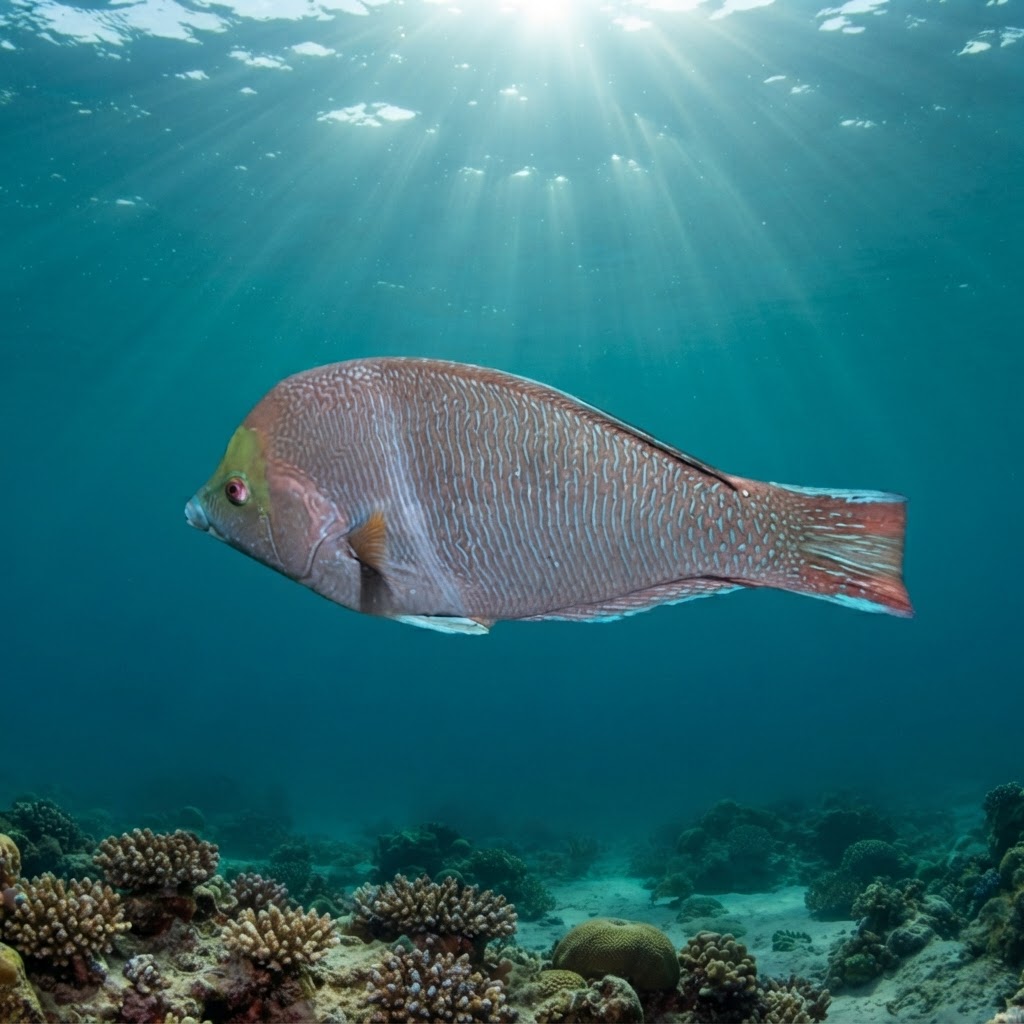
Like many wrasses, it likely shifts colour and pattern between juvenile, female, and male stages over its life, a common trait in the family that makes matching individuals to field guide photos tricky underwater.
Sightings show no clear seasonal pattern, so treat it as a year-round find. Water temperatures logged for this species run 24.2 to 27.2C, which matches Hawaii's reef conditions for most of the year.
Every logged sighting in the data comes from Hawaii, making it the place to look for this species, with divers reporting it across a wide spread of Hawaiian sites. It is not a fish you would plan a trip abroad around, but on Hawaiian reefs it is a regular, if uncommon, encounter.
Mapping where Pearl Wrasse is logged…
Hawaii is the standout region for this species, with sightings logged across a broad range of its reef sites. Outside Hawaii it has little recorded presence in diver logs.
There is no strong seasonal pattern in sightings, so it can be seen year-round. It favours warm reef water in the 24 to 27C range, which suits Hawaii's conditions for most months.
Look for a slim, torpedo-shaped fish around 21 cm long with a pale, speckled body and a pointed snout. It moves in quick darting bursts over reef and rubble rather than swimming in a steady line.
They typically reach about 21 cm in length, a modest size that keeps them easy to overlook against busier reef fish.
No, they pose no threat to divers. They are shy, reef-feeding fish that tend to keep their distance rather than approach.
Site and sighting data is aggregated from diver logs, iNaturalist and GBIF. For taxonomy and conservation status:
Bird Wrasse
3,632 sites