Paraluteres prionurus
Spot the False Puffer in the Maldives, Réunion and across Indonesia, a rare filefish that mimics a toxic puffer. Here's how to tell it apart.
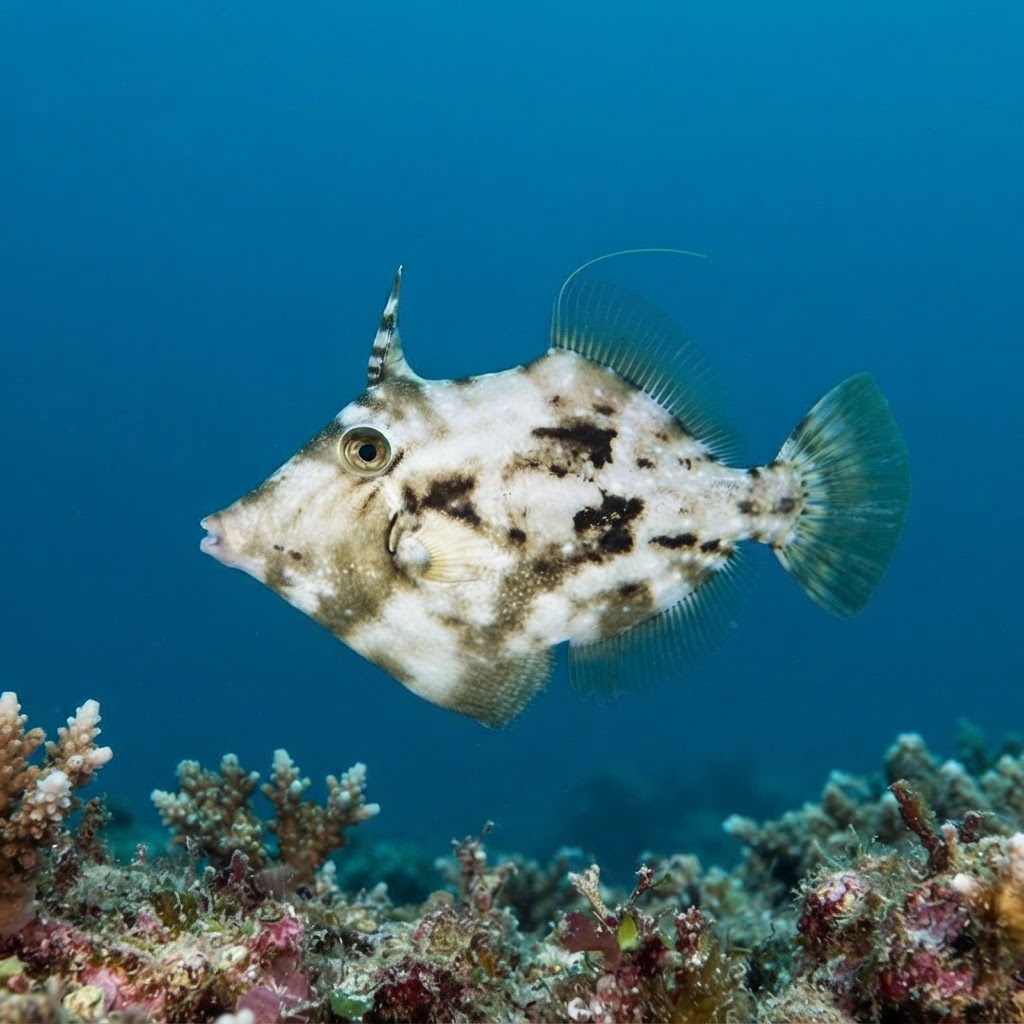
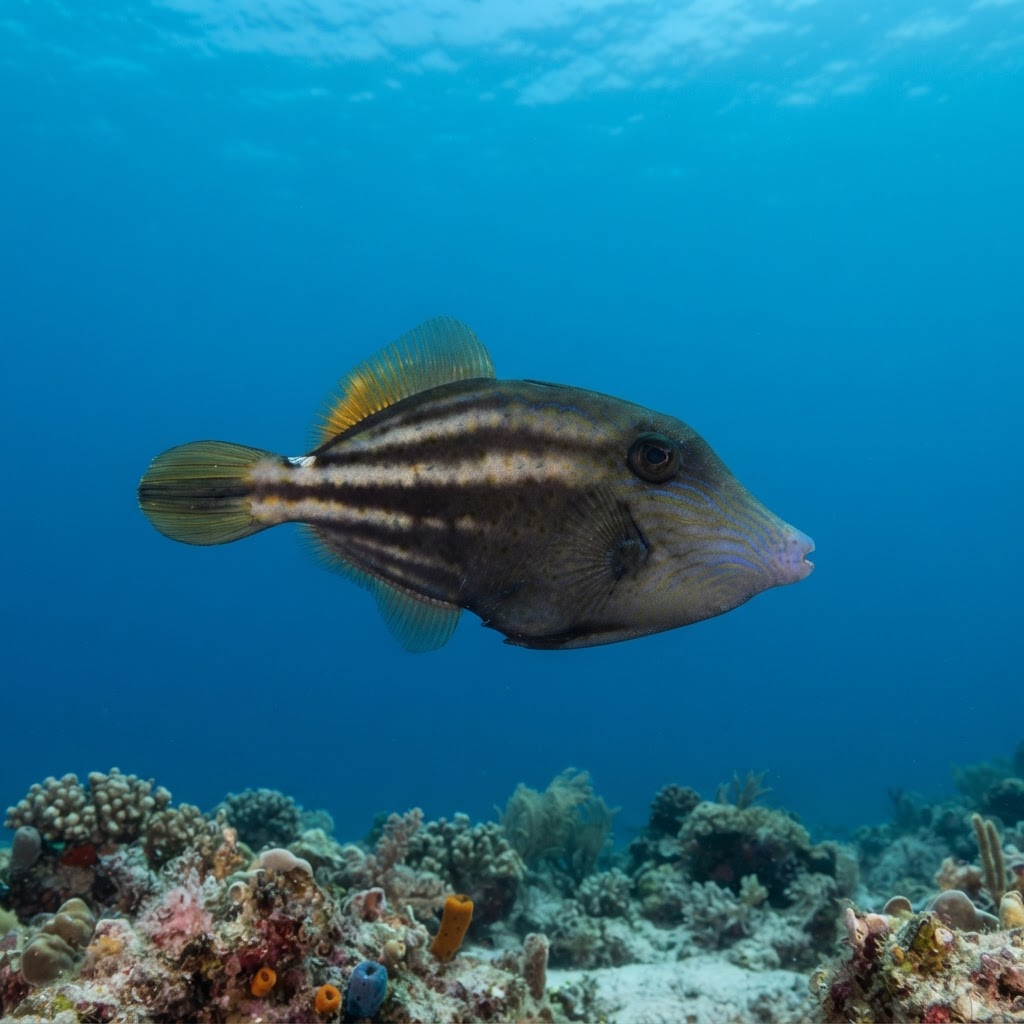
At first glance it looks exactly like a toby pufferfish, small, rounded body, short snout, and a similar spotted pattern of yellowish-brown with dark spots and a pale belly. The giveaway is the tiny retractable spine (dorsal spine, characteristic of filefish) just above the eye, visible on close inspection, and the slightly compressed, flattened body typical of filefish rather than the inflatable sphere of a true puffer. The tail fin often shows a pale or whitish margin. Adults are typically small enough to sit comfortably in the palm of a hand.
False puffers are typically seen moving slowly over coral and rubble, often alone, browsing close to the reef structure. Their mimicry of the toxic toby pufferfish is thought to deter predators, so they tend to move with a calm, unhurried confidence rather than darting for cover. Most divers encounter them at reef depth rather than in open water, and they generally tolerate a careful approach without fleeing immediately.
This fish is a textbook Batesian mimic (where a harmless species copies the warning signals of a toxic one), it has evolved to closely resemble the saddle toby pufferfish, which carries tetrodotoxin. The resemblance is good enough to fool not just predators but also divers on most dives.
The species has been observed across a wide tropical temperature range of roughly 21 to 29 °C, suggesting year-round presence on suitable reefs. The limited Southern Hemisphere seasonality data points to February through April as the most productive window in places like Réunion and New South Wales.
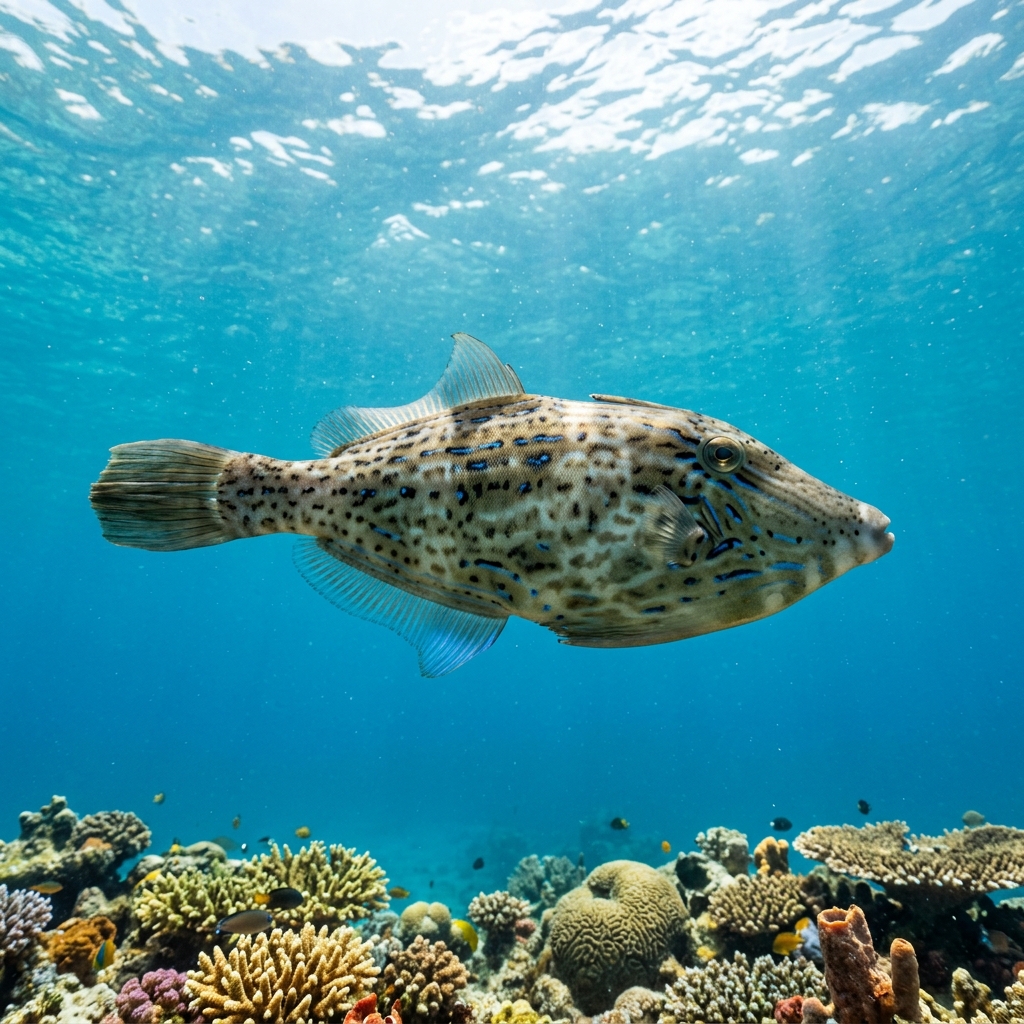
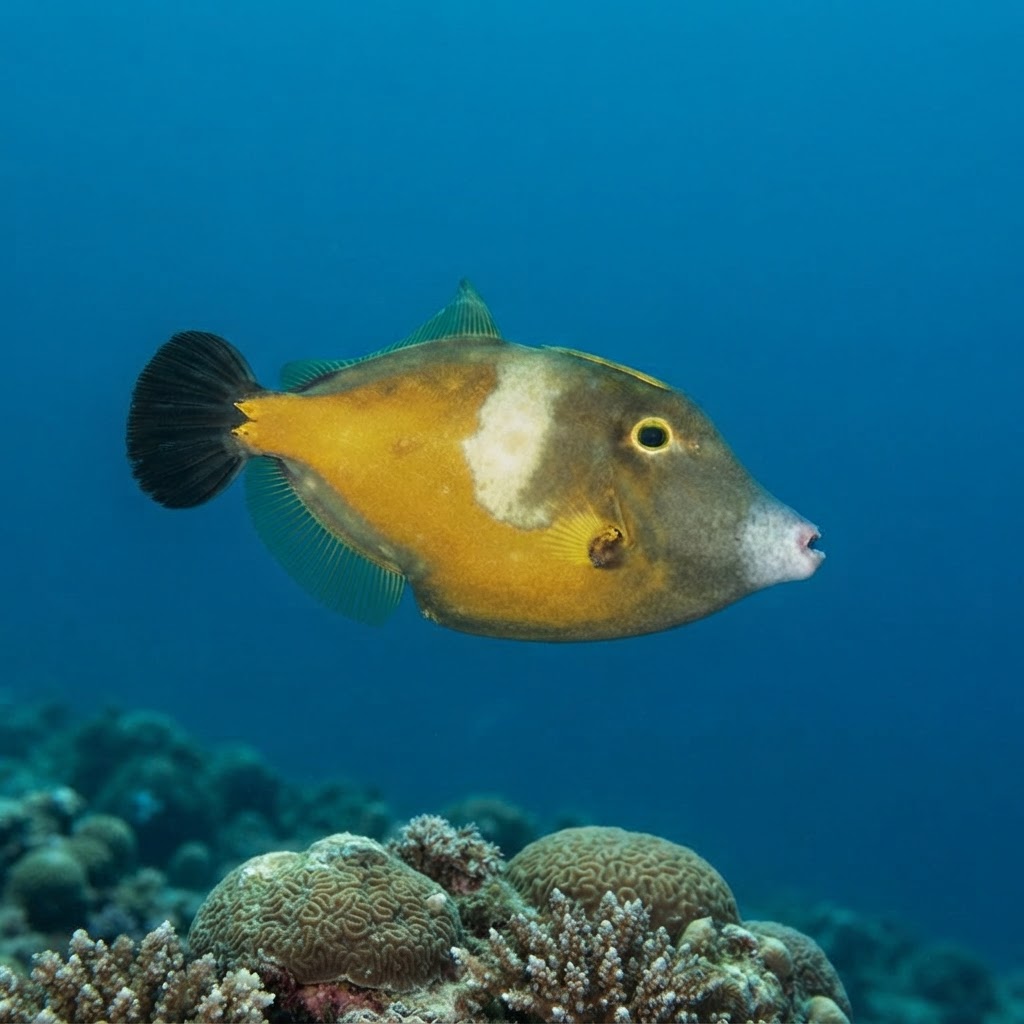
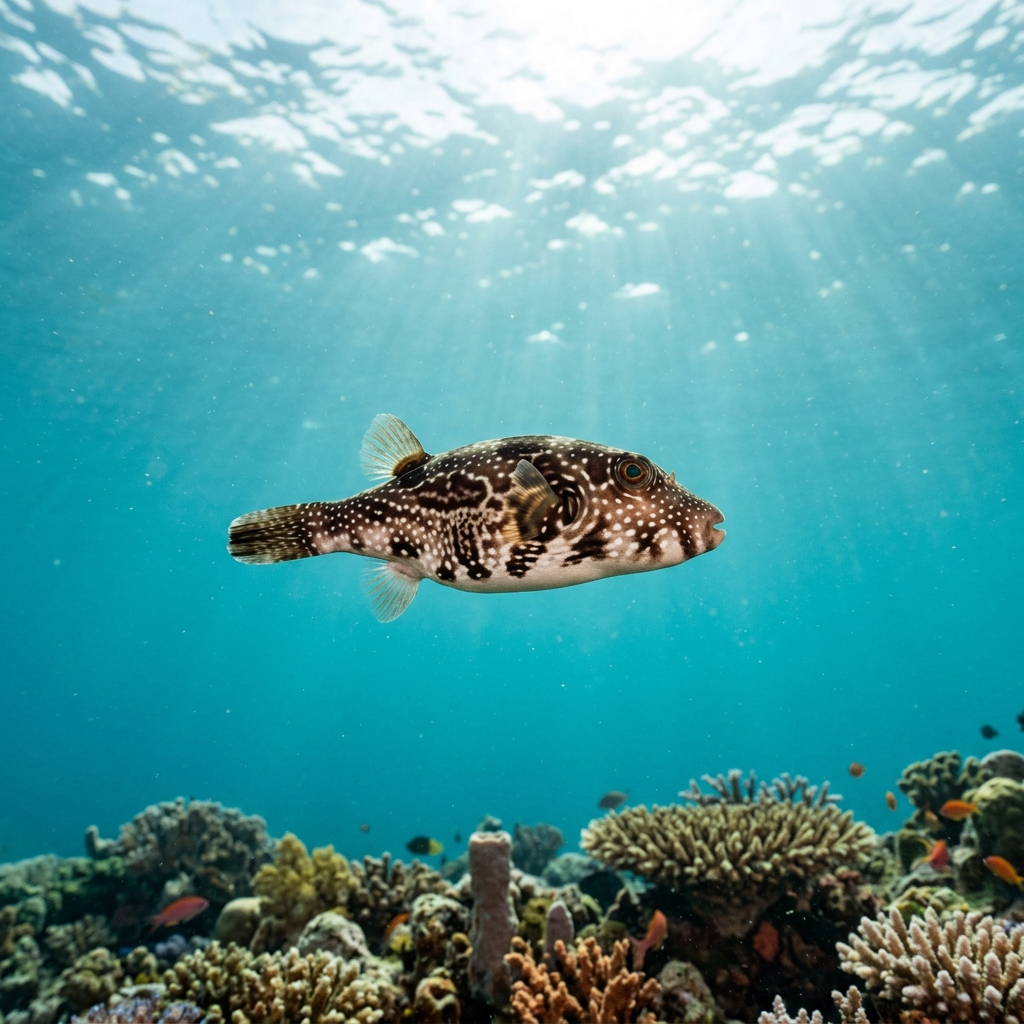
Reef neighbours a diver could mistake it for. Use the identification notes above to tell them apart.
Most sightings come from the Maldives, particularly the Male and Ari Atolls, making the Indian Ocean a strong bet. Réunion (concentrated around Saint-Gilles-les-Bains) and Sulawesi in Indonesia are the other two standout regions. Bali, Okinawa, Timor-Leste, and New South Wales round out a spread that covers much of the Indo-Pacific.
Mapping where False Puffer is logged…
The Maldives, especially the Male and Ari Atolls, leads the way for logged sightings. Réunion around Saint-Gilles-les-Bains and Sulawesi in Indonesia are also reliable areas. It has been recorded across the wider Indo-Pacific including Bali, Okinawa, Timor-Leste, the Philippines, and New South Wales in Australia.
On tropical Indo-Pacific reefs, the species is present year-round given its comfort in water temperatures between roughly 21 and 29 °C. In Southern Hemisphere locations such as Réunion and Australia, sightings appear to concentrate between February and April.
Look for a small, rounded fish with a yellowish-brown body covered in dark spots, a pale belly, and a whitish tail-fin margin. The key to separating it from actual pufferfish is its laterally compressed (flattened side-to-side) body and the tiny retractable spine above the eye, a filefish trait no true puffer has.
No precise size data is captured in current dive-log observations, but this is a small species, broadly comparable in size to the toby pufferfish it mimics, which typically reaches around 10 cm in length. On the reef it reads as a palm-sized fish.
It is a Batesian mimic, a harmless species that has evolved to resemble the saddle toby pufferfish, which carries the potent toxin tetrodotoxin. Predators that have learned to avoid the toxic toby also leave the false puffer alone, giving it strong survival advantages without needing to produce any toxins itself.
Site and sighting data is aggregated from diver logs, iNaturalist and GBIF. For taxonomy and conservation status:
Orangespotted Filefish
836 sites