Suezichthys arquatus
A small, uncommon wrasse logged mainly around New South Wales and New Zealand's North Island in 18-24C water, year-round.
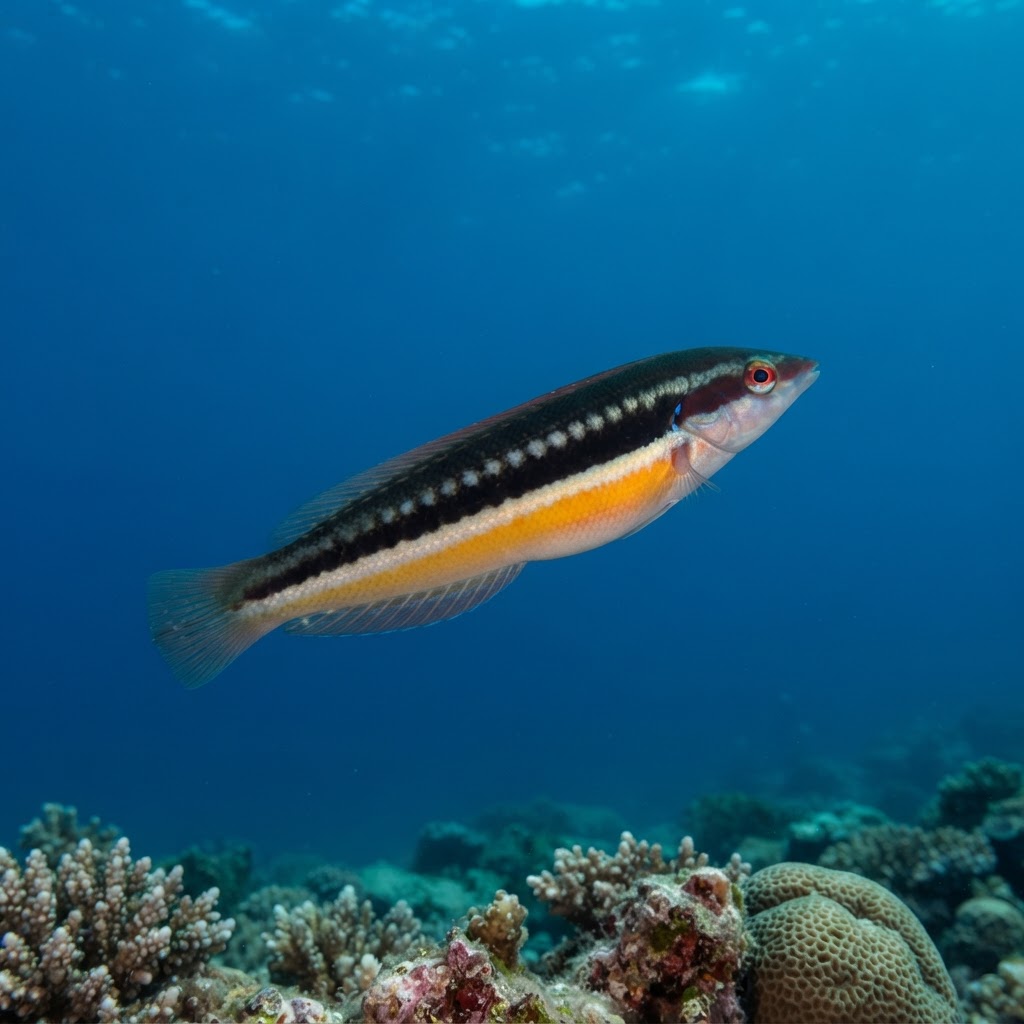
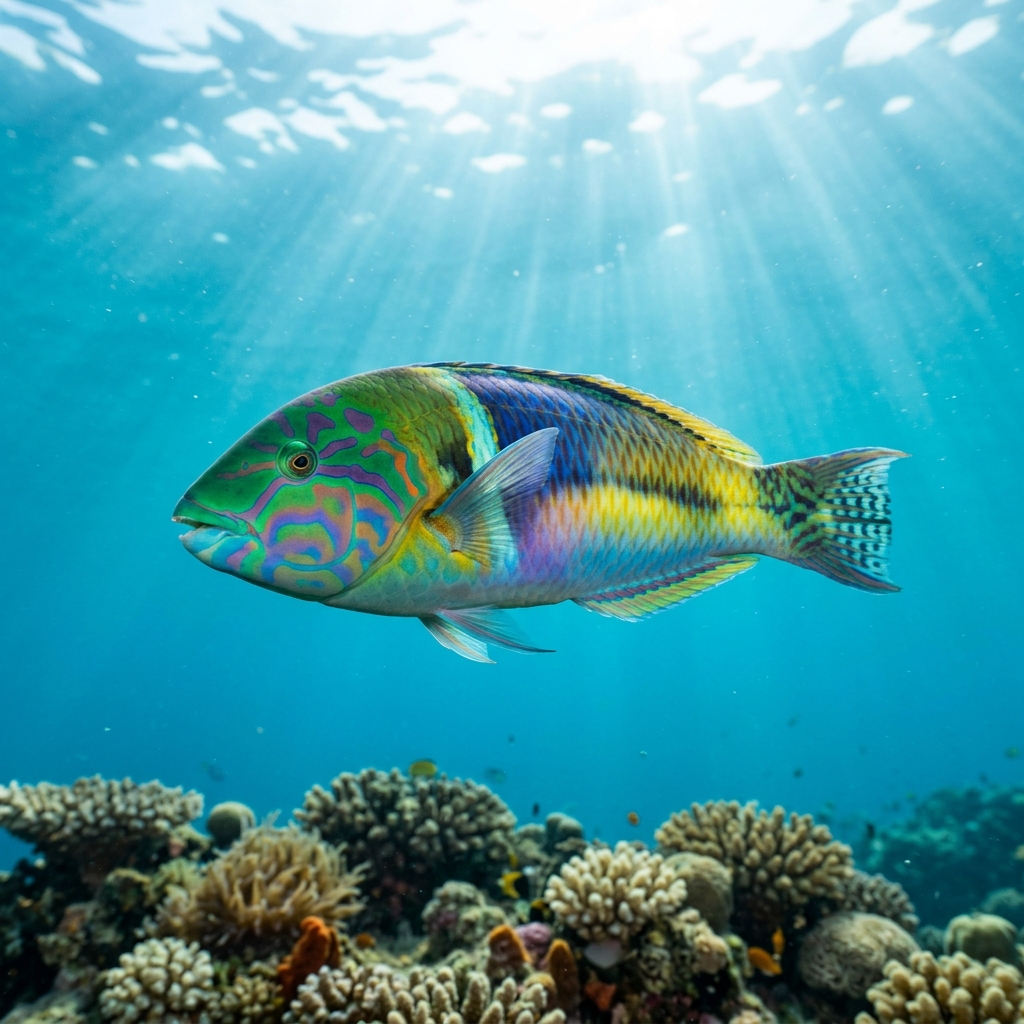
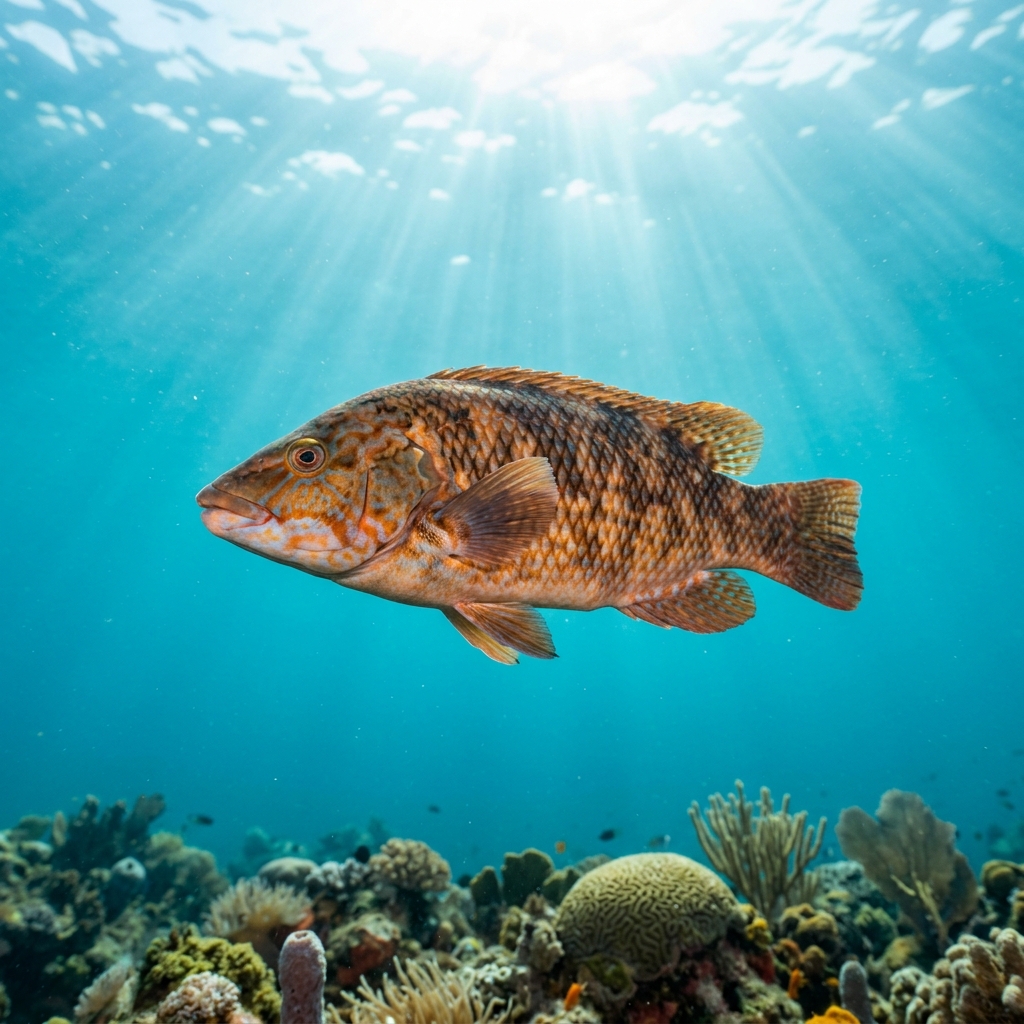
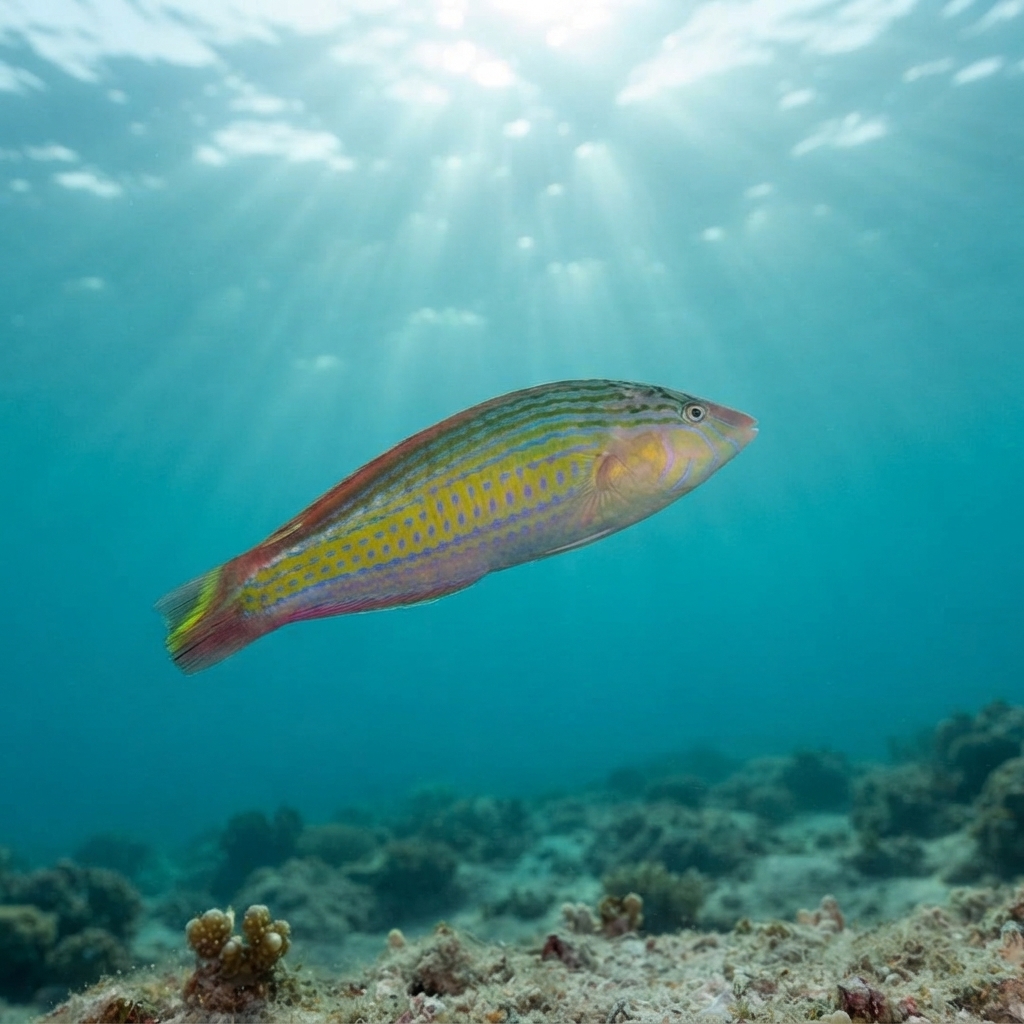
A slim, small wrasse topping out around 10cm, easy to miss against rubble or rocky reef unless you're looking close. Look for streaked bands of orange, blue and green running along the body, a pattern that gives it its rainbow name, with the colour intensity varying between individuals. Its narrow, tapered body and constant low-level darting over the substrate separate it from bulkier reef wrasses.
Divers typically spot it hovering or darting low over rocky reef and rubble patches, sticking close to structure rather than venturing into open water. It doesn't school in numbers and isn't drawn to divers, so most sightings come from slowing down and scanning crevices and reef edges rather than expecting it to approach. Given its small size and uncommon-to-rare logging frequency, it rewards a careful, patient look rather than a quick reef cruise.
Like many small wrasses in this family, it's likely a sequential hermaphrodite, meaning individuals can change sex over their lifetime, though this hasn't been specifically documented for the species.
No clear seasonal pattern shows up in the sighting data, so treat it as a year-round species. Its comfort range of roughly 17.6 to 24.3C covers the typical annual swing on temperate NSW and North Island reefs, which likely explains why it turns up across the calendar rather than in a tight window.
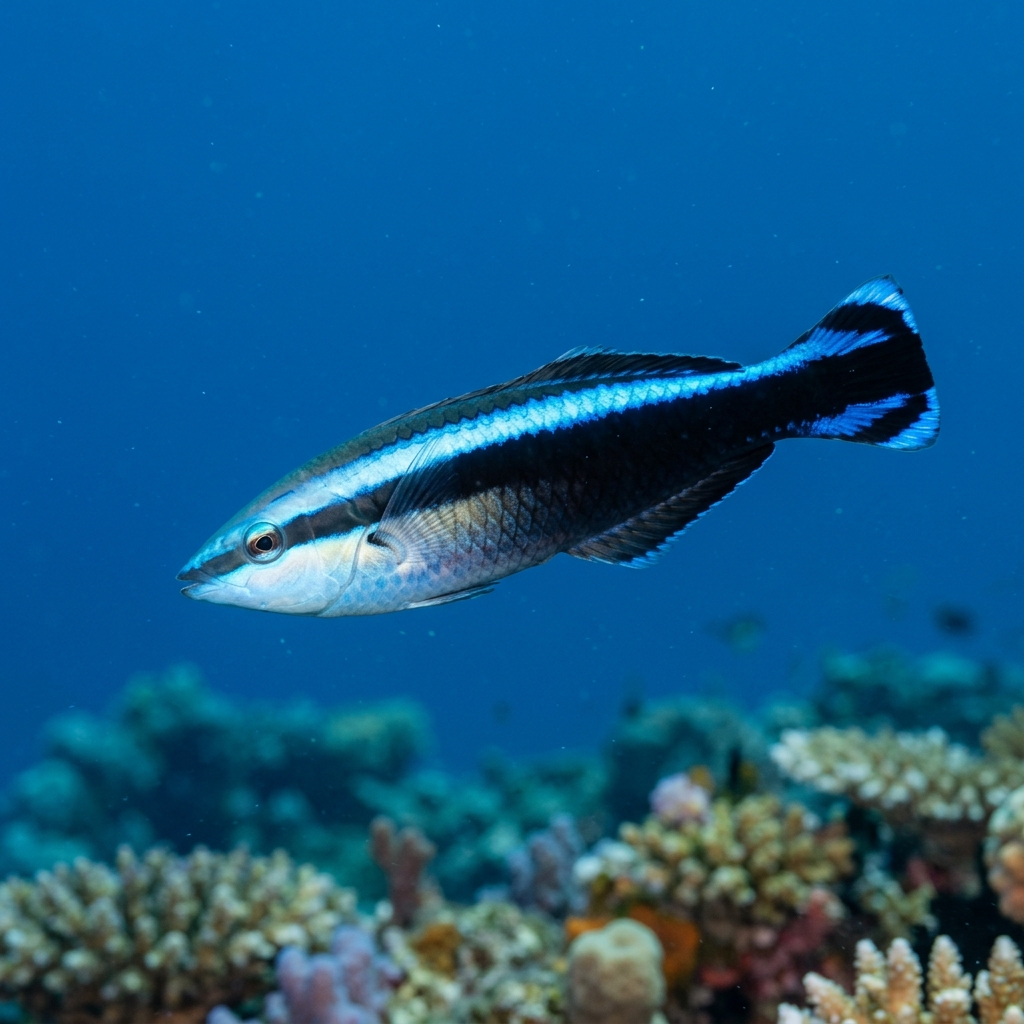
Reef neighbours a diver could mistake it for. Use the identification notes above to tell them apart.
Most reliably logged along New South Wales in Australia and the North Island of New Zealand, which together account for almost every recorded sighting of this species. Divers doing temperate rocky-reef sites in these two regions have the best shot at finding it, though even there it's logged as uncommon rather than a guaranteed find.
Mapping where Painted Rainbow Wrasse is logged…
The most consistent sightings come from New South Wales in Australia and the North Island of New Zealand. It's logged as uncommon even in these strongholds, so it helps to dive rocky reef sites known for temperate wrasse diversity.
There's no strong seasonal signal in the sighting data, so it's considered a year-round species. Its water temperature niche of roughly 17.6 to 24.3C spans the normal annual range on NSW and North Island reefs.
Look for a small, slender wrasse around 10cm long with streaked orange, blue and green colouring along the body. It stays close to rocky reef and rubble, darting in short bursts rather than schooling in open water.
They're a small species, typically reaching around 10cm in length, so they're easy to overlook against a busy rocky reef backdrop.
Site and sighting data is aggregated from diver logs, iNaturalist and GBIF. For taxonomy and conservation status:
Bird Wrasse
3,632 sites