Sardinops sagax
Silver schooling fish logged in South Australia, comfortable from 9.5 to 25.2C, seen year-round though sightings remain rare.
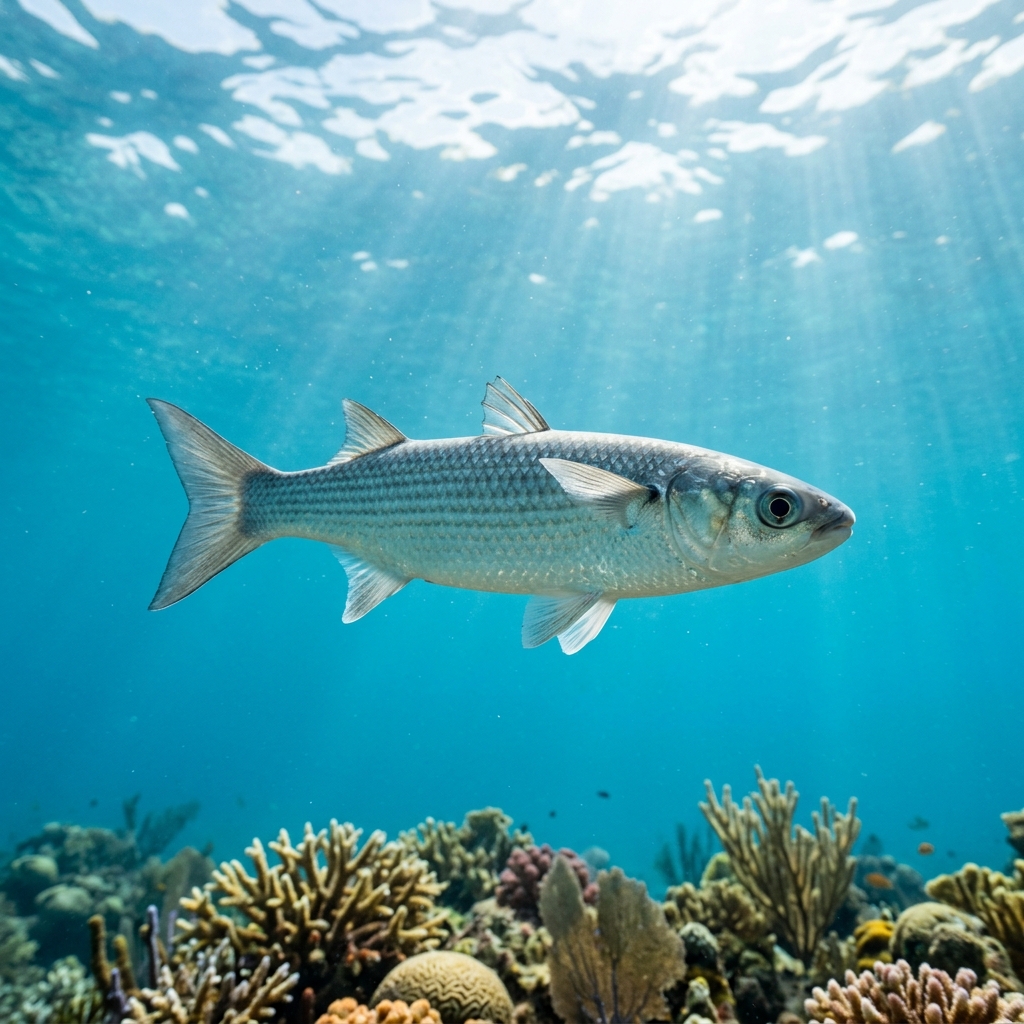
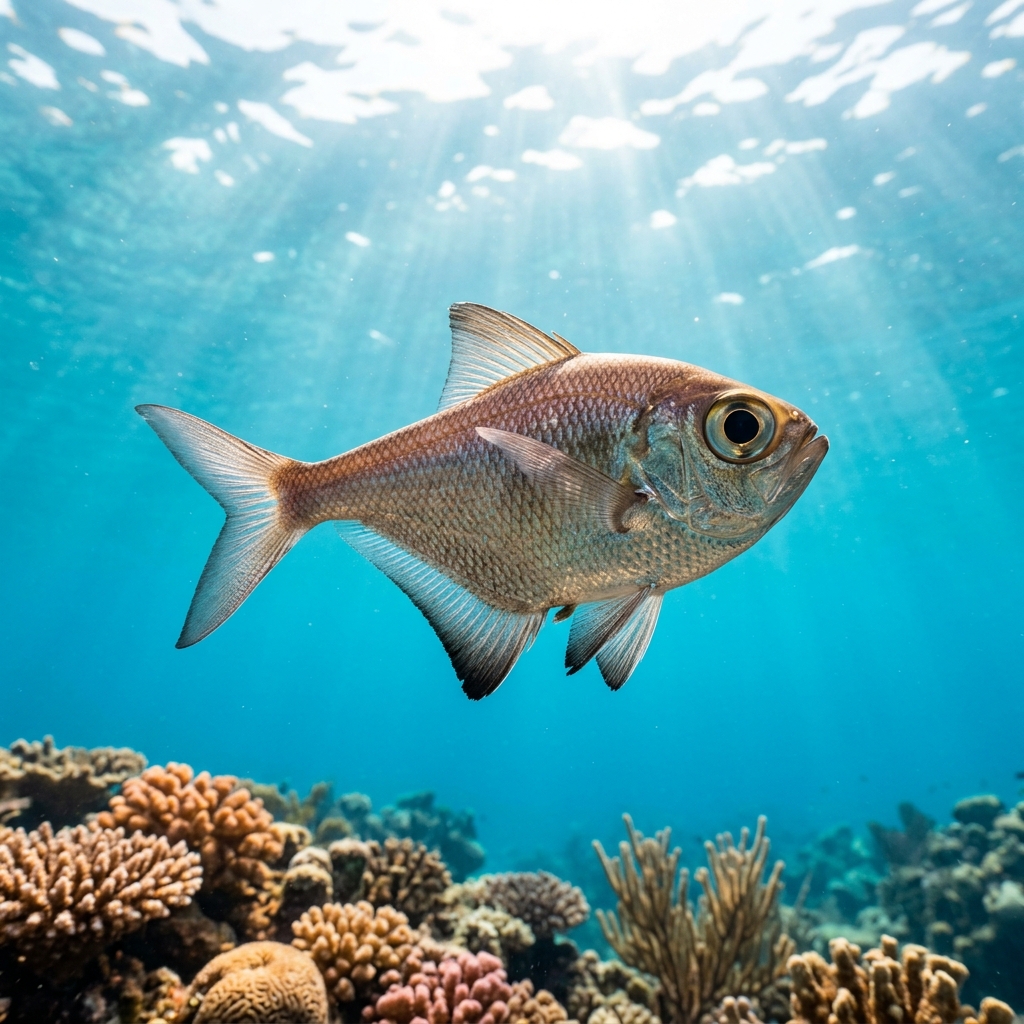
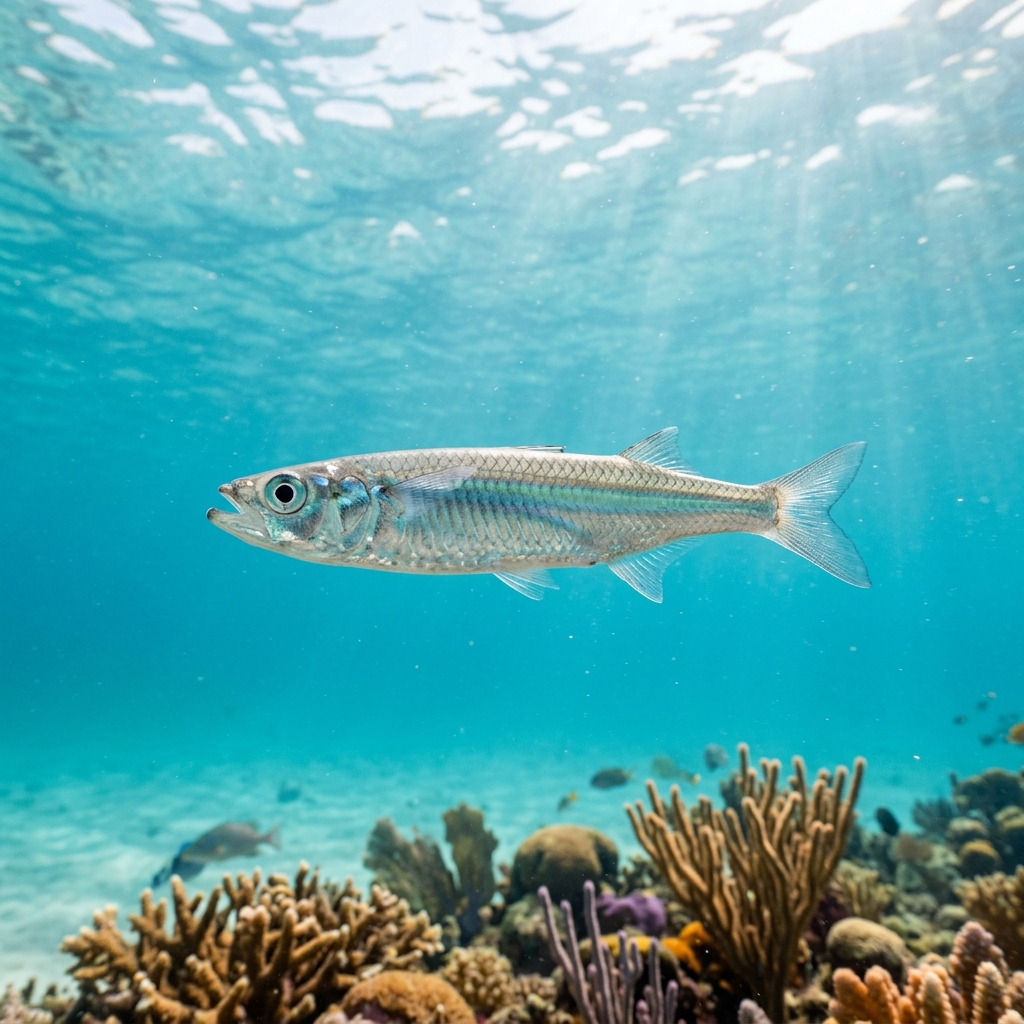
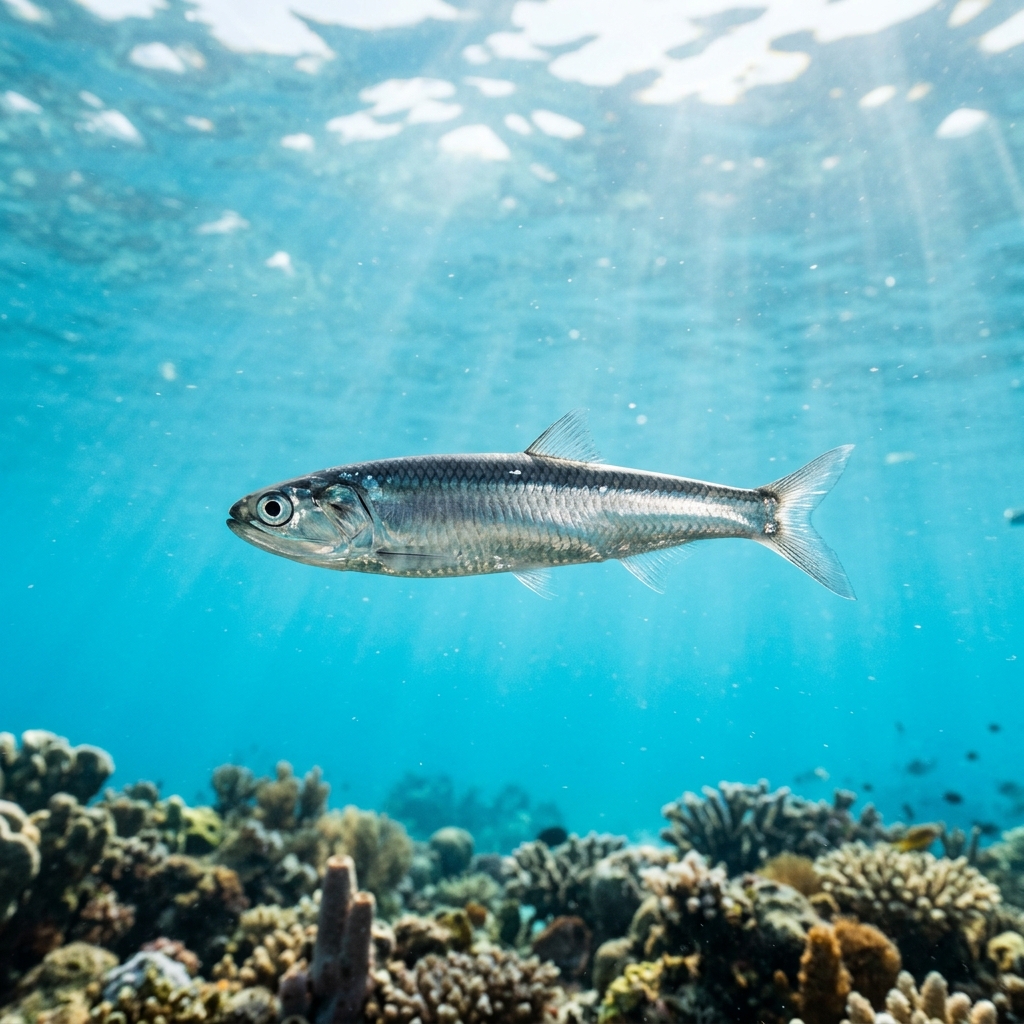
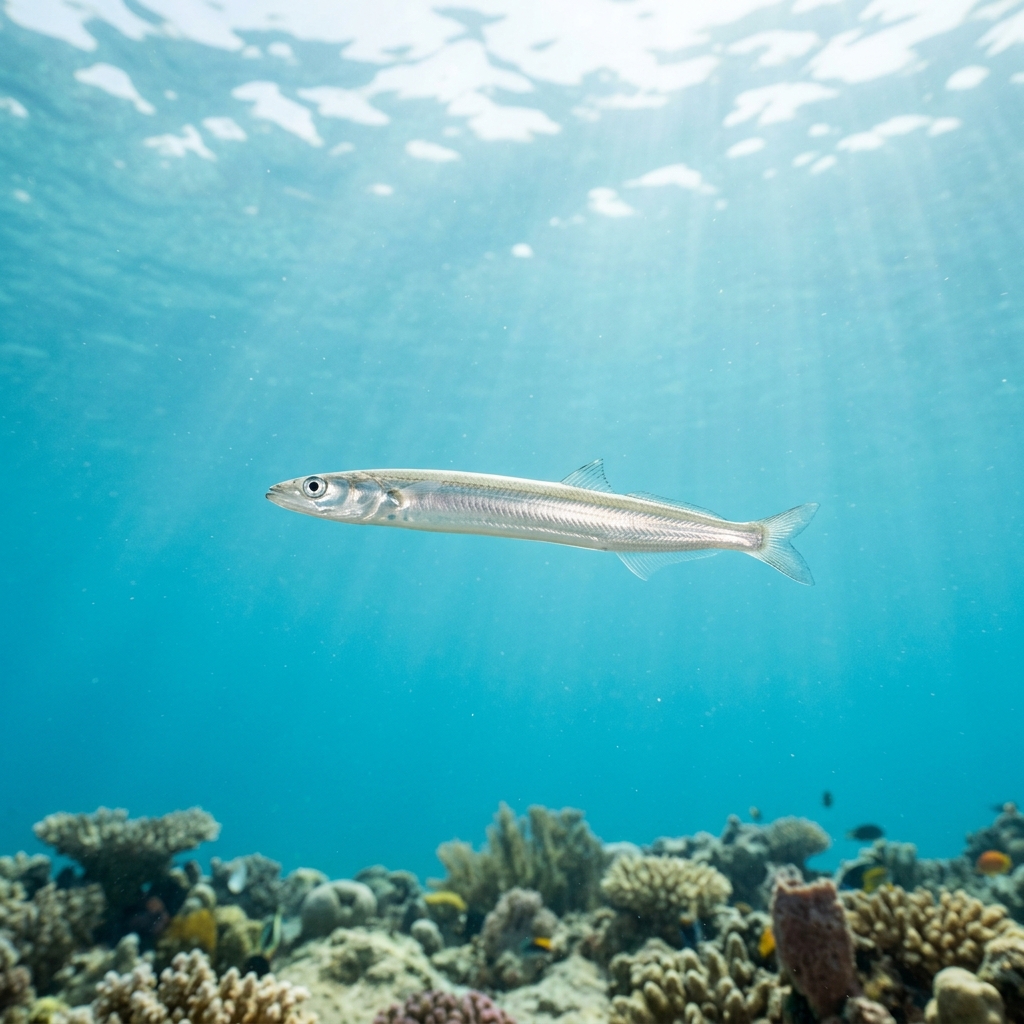
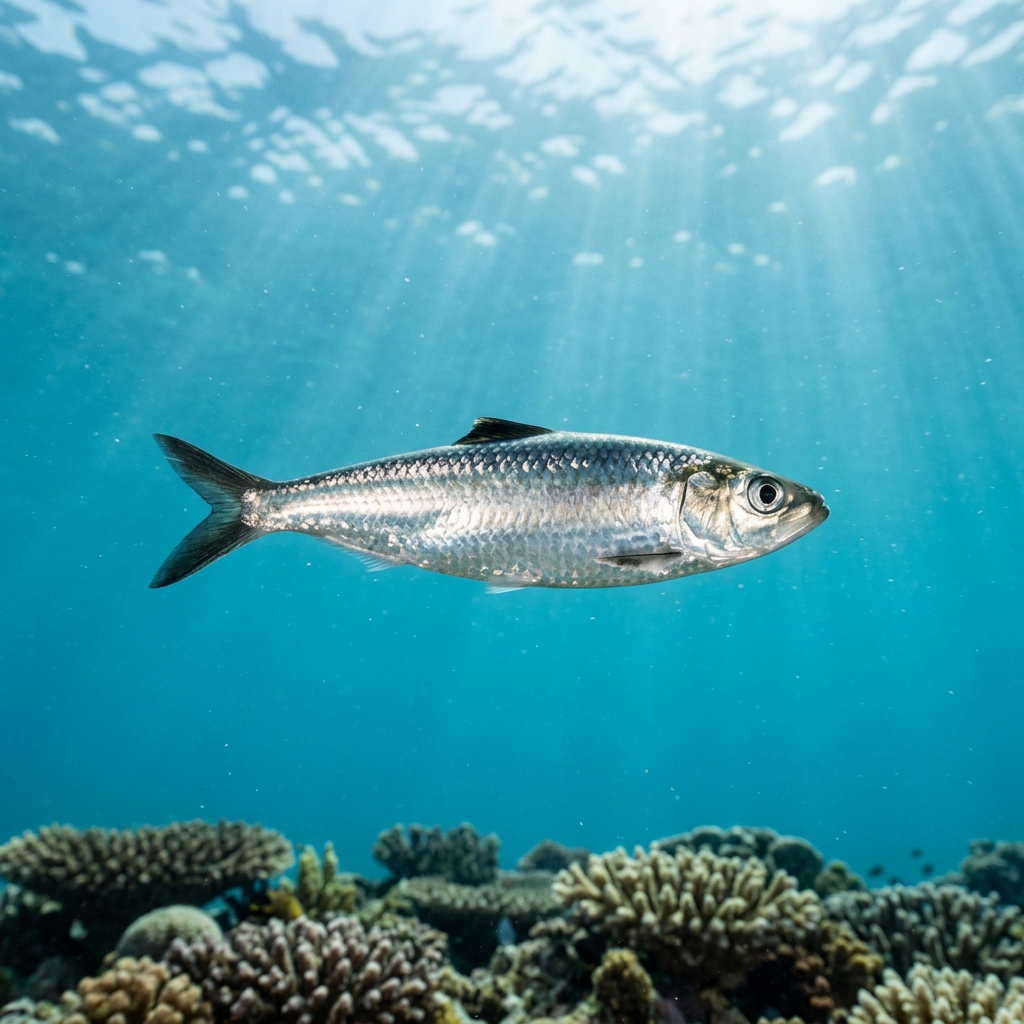
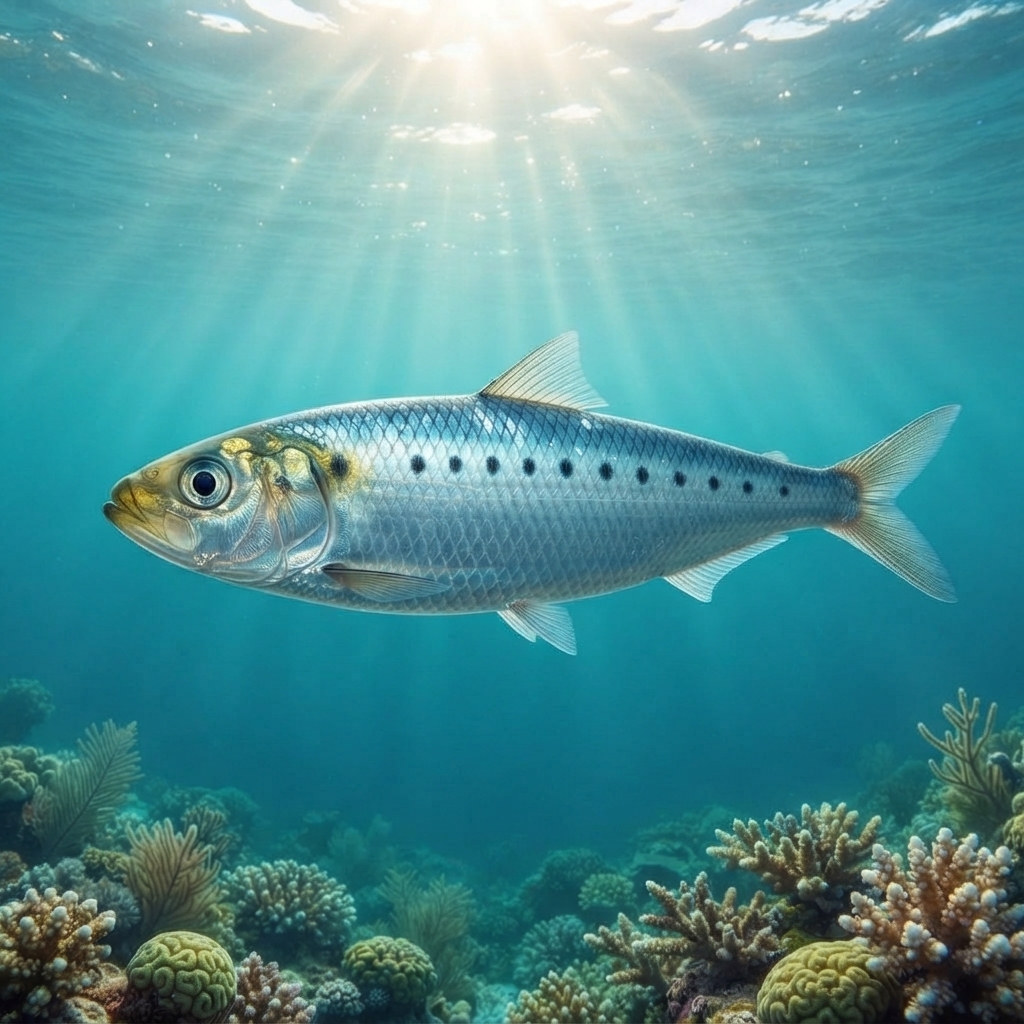
A slim, torpedo-shaped fish reaching about 28cm, with bright silver flanks and a bluish-green back that flashes as it turns. Look for a single faint dark spot behind the gill cover, sometimes followed by a fainter row of spots along the side. Underwater it rarely appears alone; even a small group moves as a tight, glinting unit rather than as individual fish.
When divers do cross paths with them, they're typically moving in tight, fast-shifting schools through open water rather than hovering near structure. They're skittish and keep their distance, reacting to divers by bunching tighter or peeling away as a unit rather than scattering individually. Expect brief encounters rather than a sustained hover-and-watch.
Schooling this tightly is a defence strategy: a shifting wall of silver bodies makes it hard for a predator, or a diver's eye, to lock onto a single fish.
Sightings so far don't show a clear seasonal pattern, and with a wide temperature tolerance of 9.5 to 25.2C it can plausibly be encountered across the year rather than in one narrow window.
Logged data currently points to South Australia as the place divers have recorded this species, though as a widely distributed schooling fish along the Pacific coast it likely turns up well beyond that single logged site. If you're specifically hunting for it, South Australian temperate reef and open-water sites are the confirmed starting point.
Mapping where Pacific Sardine is logged…
The clearest logged sightings are from South Australia, where divers have recorded them at temperate coastal sites. As a wide-ranging Pacific coastal species, they're likely present elsewhere too, but South Australia is the confirmed spot in current diver data.
There isn't enough logged data to pin down a season, and their broad comfort range of roughly 9.5 to 25.2C means they can turn up across a wide stretch of the year rather than in one short window.
Look for a small silver fish around 28cm with a greenish-blue back and a single faint dark spot behind the gill cover. They're almost always seen in tight, fast-moving schools rather than alone.
They typically reach around 28cm in length, a compact size that helps them manoeuvre as a dense school in open water.
No. They're a harmless schooling fish with no venom, teeth, or defensive behaviour that poses any risk to divers.
Their tight schooling behaviour is a survival tactic, creating a shifting silver mass that makes it difficult for predators to target one individual fish.
Site and sighting data is aggregated from diver logs, iNaturalist and GBIF. For taxonomy and conservation status:
Anchovy
2,433 sites