Clupea pallasii
Silver schooling fish common in British Columbia's cold water, often seen in dense bait balls from 0 to 10C year-round.
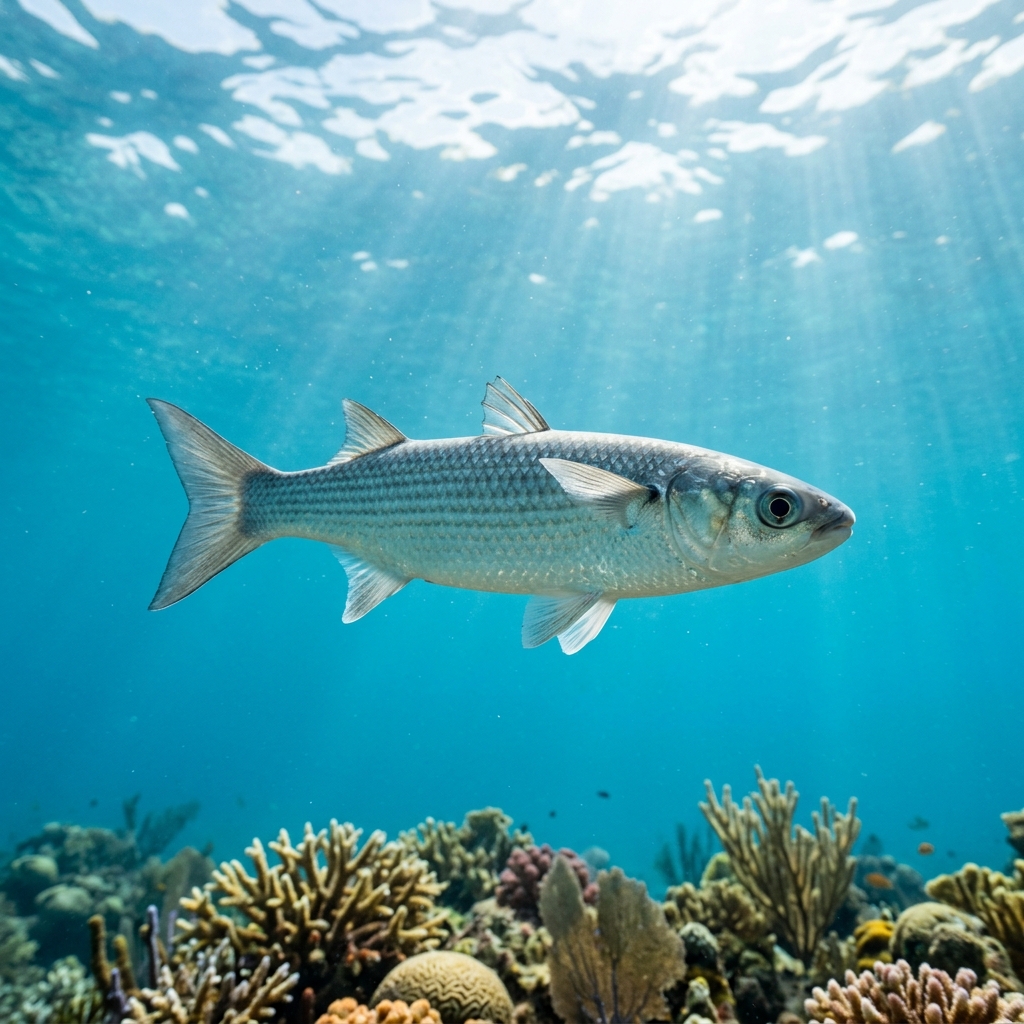
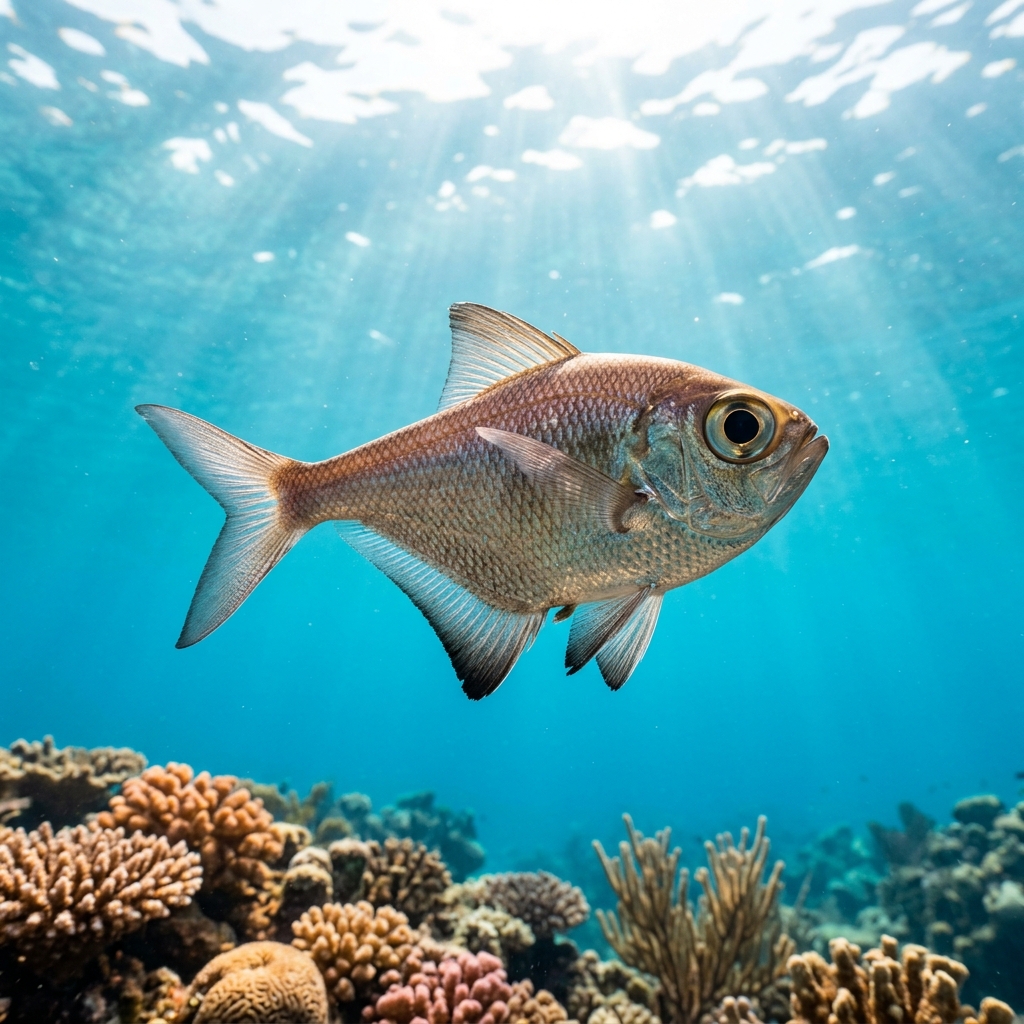
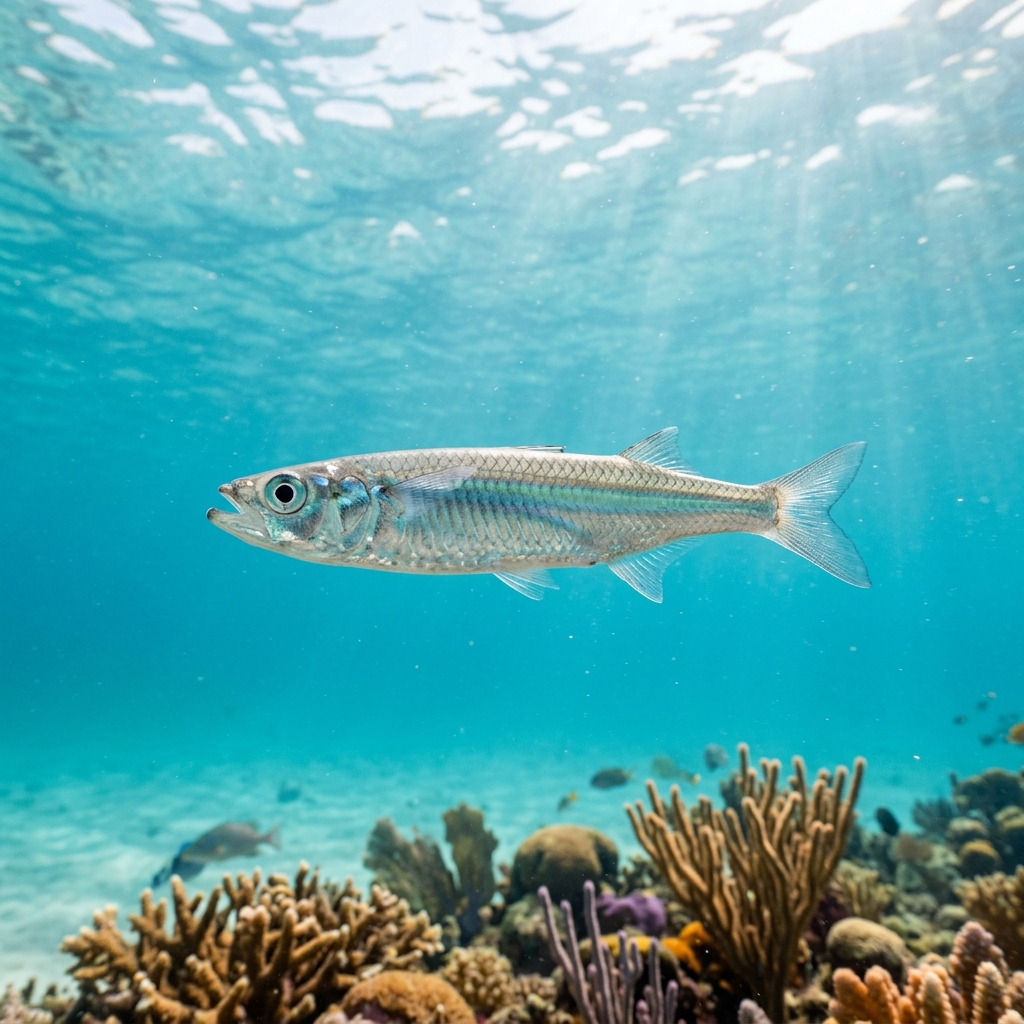
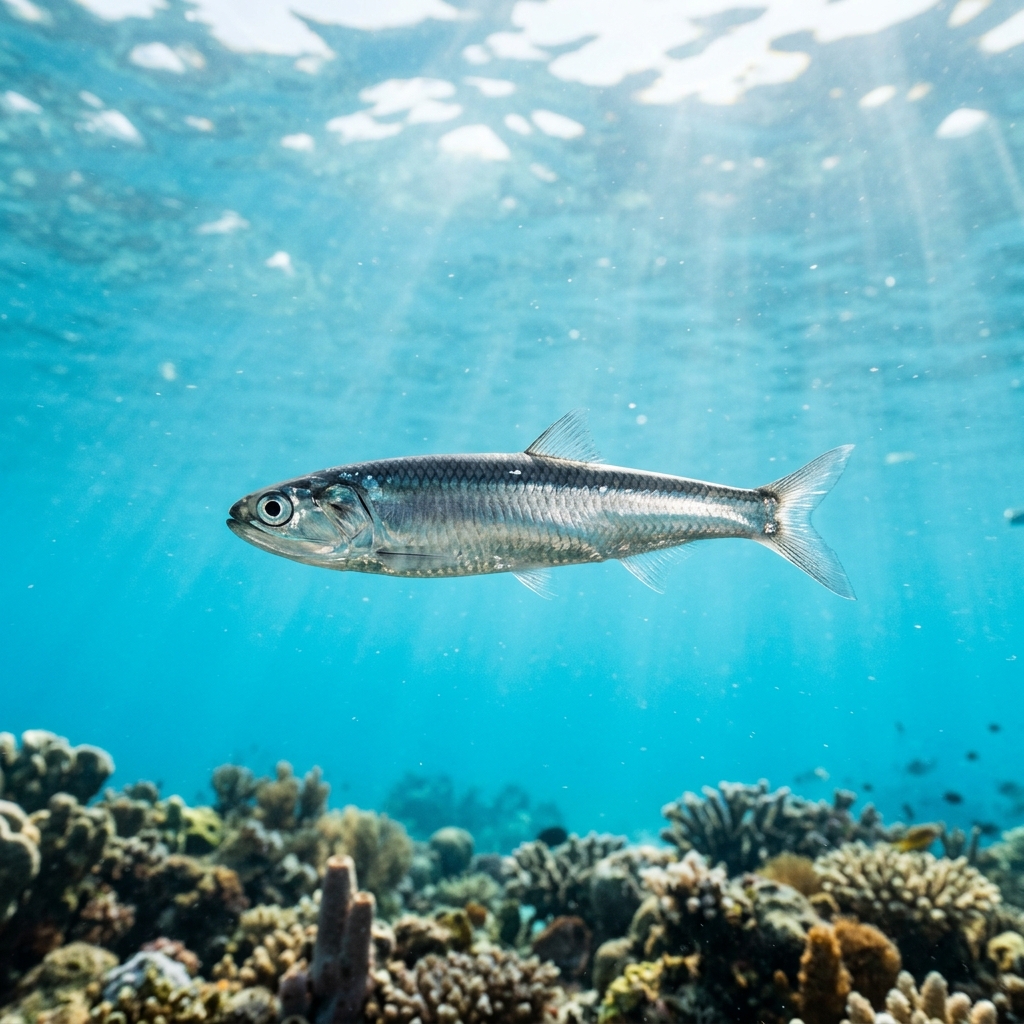
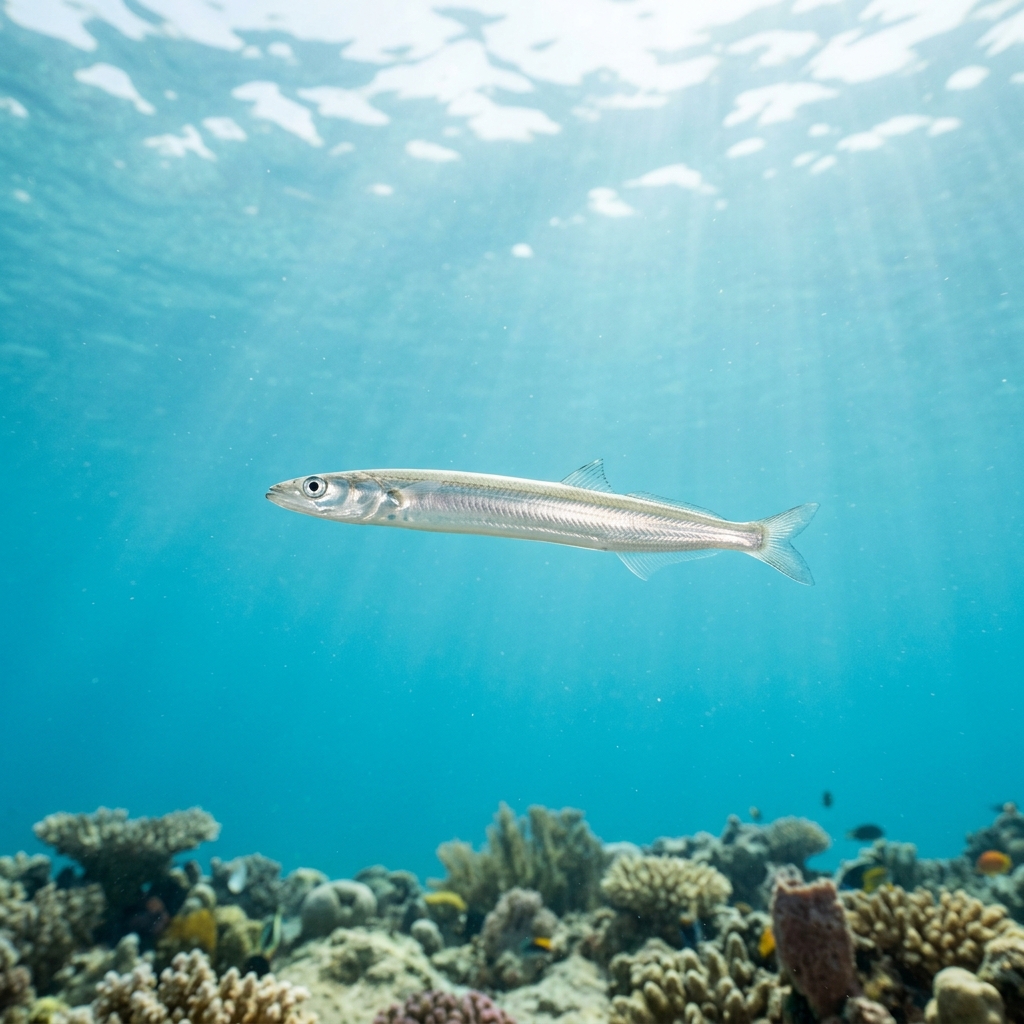
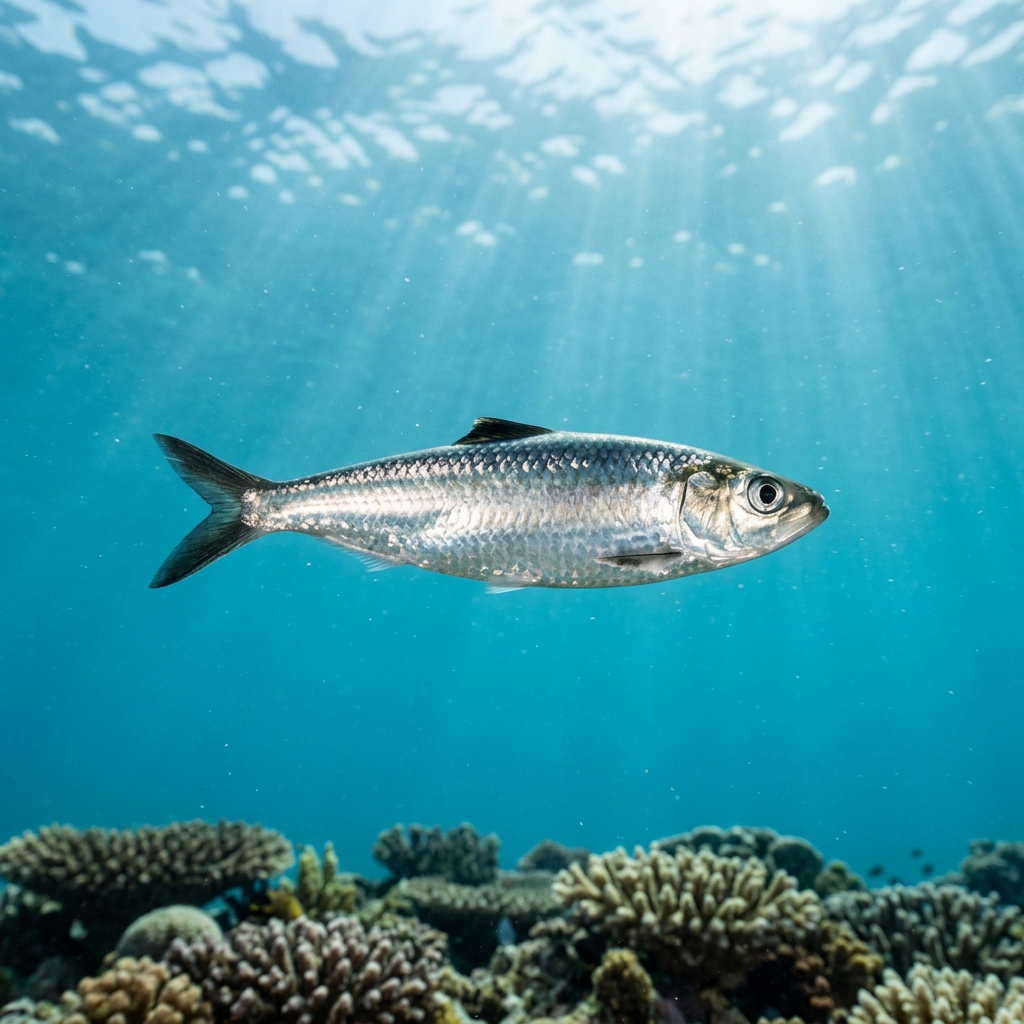
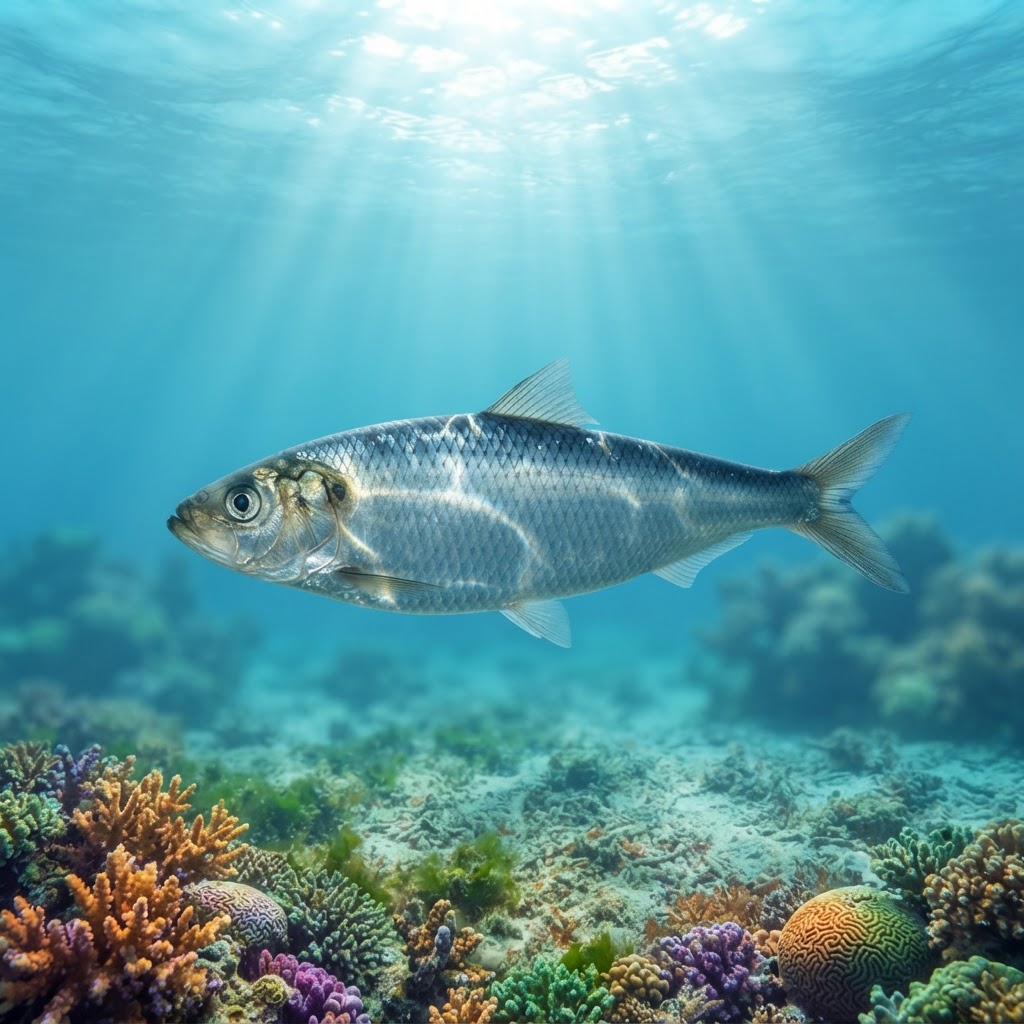
A slender, silvery fish around 32cm long with a single dorsal fin set mid-body and no visible lateral line. It has a blue-green back, bright silver flanks, and a deeply forked tail, and underwater it almost always appears as part of a dense, tightly packed school rather than alone. There's no obvious spotting or barring to key on; the giveaway is the sheer number of fish moving as one shimmering mass.
When you find them, they're almost always schooling tightly in open water or along rocky reef edges, wheeling and flashing as a unit rather than holding still for a look. They're jumpy around divers and predators alike, scattering and re-forming in response to the slightest disturbance, which is part of what makes a big school so mesmerising to watch. Look for them mid-water rather than hugging the bottom, often with rockfish, lingcod, or diving birds working the edges of the school.
Herring spawning events along the British Columbia coast draw in seals, sea lions, diving birds, and larger fish in huge numbers, making a spawn one of the more dramatic wildlife spectacles a cold-water diver can time a trip around.
Sightings are logged year-round with no strong seasonal pattern in the data, which fits a species comfortable in the 0.2 to 9.7C range typical of Pacific Northwest and British Columbia waters. Expect them on most cold-water dives in the region regardless of month, though frequency at any given site is usually only uncommon to rare.
British Columbia in Canada is by far the most reliable place to find these schools, with sites scattered along the coast reporting sightings far more often than anywhere else in the data. Across the border, divers also log them in the Pacific Northwest of the United States, with smaller numbers turning up in Alaska and California.
Mapping where Pacific Herring is logged…
British Columbia, Canada is the strongest area by far, with dozens of sites reporting them. The Pacific Northwest, Alaska, and California in the United States also have logged sightings, though less frequently.
There's no strong seasonal signal in the sighting data, so they're logged across the year in cold water between roughly 0 and 10C. Rather than picking a month, plan around British Columbia's cold-water dive season generally.
Look for a tight, fast-moving school of small silvery fish, each around 32cm, with blue-green backs and forked tails. The behaviour is the biggest clue: solitary sightings are unusual, so a shimmering, wheeling mass in open water is the typical view.
They typically reach about 32cm in length, a modest size that lets them form the dense, fast-turning schools divers recognise them by.
No, they pose no threat to divers. They're a harmless schooling fish that simply scatters if you get too close.
Their coastal spawning events are a major seasonal draw for predators, with seals, sea lions, and diving birds converging on British Columbia's shoreline to feed, turning an ordinary dive site into a short-lived wildlife hotspot.
Site and sighting data is aggregated from diver logs, iNaturalist and GBIF. For taxonomy and conservation status:
Anchovy
2,433 sites