Halichoeres melanochir
Small labrid seen year-round in 24.7 to 29.3C water off Longdong, Taiwan and Sabah, Malaysia. Here's how to spot one and where to look.
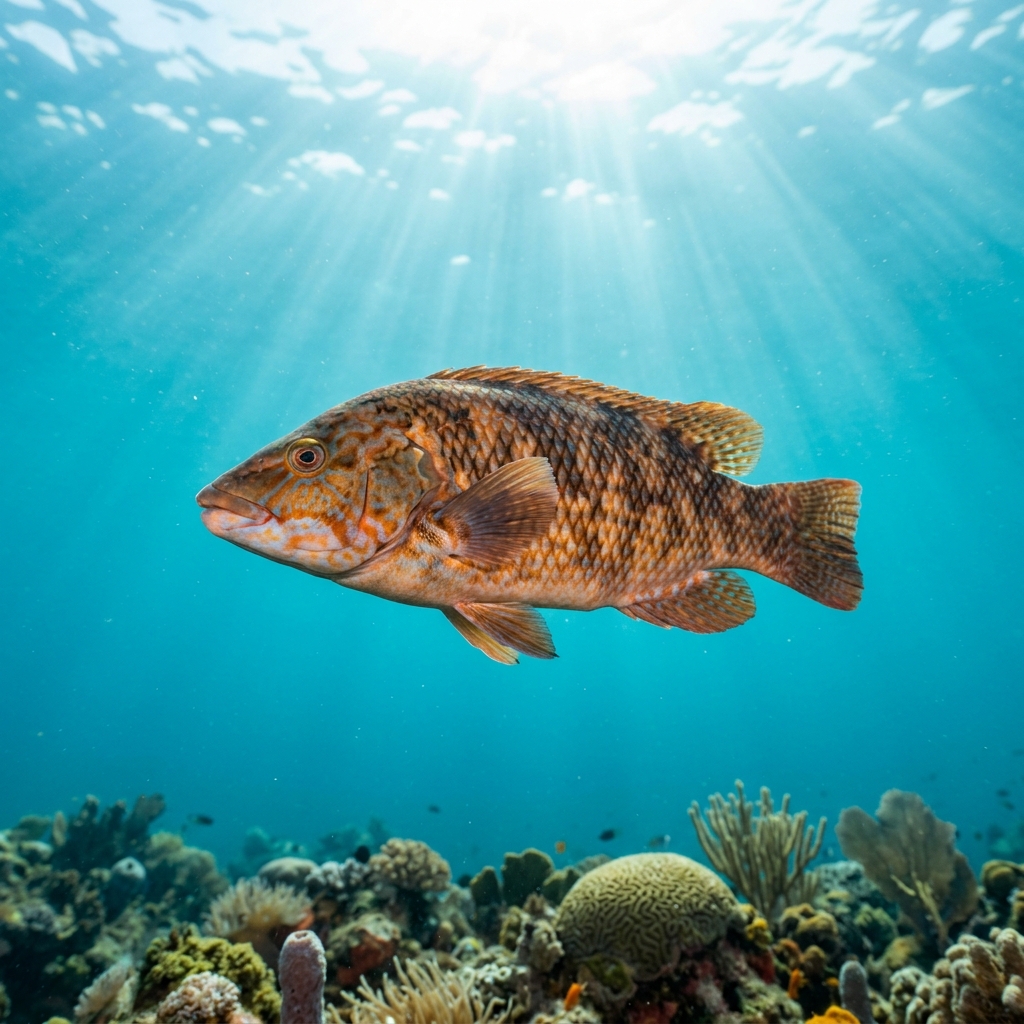
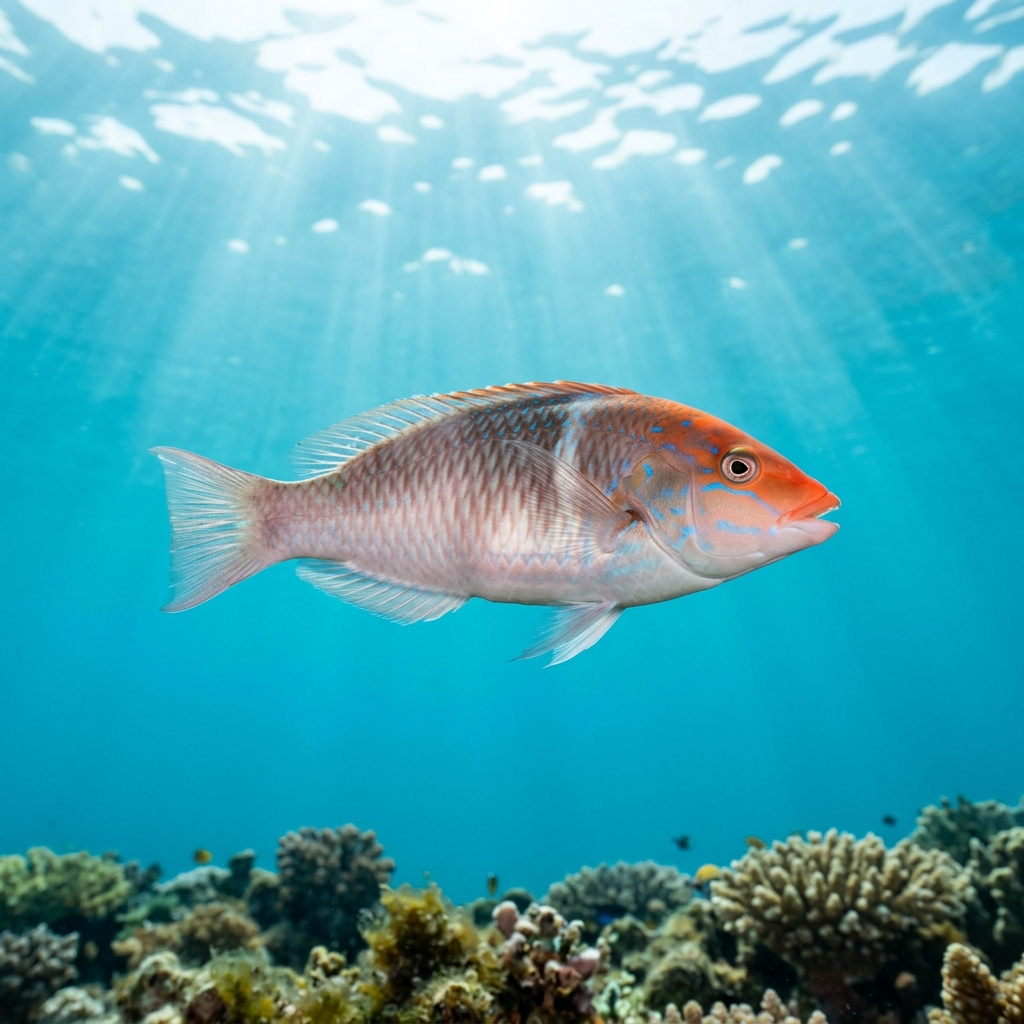
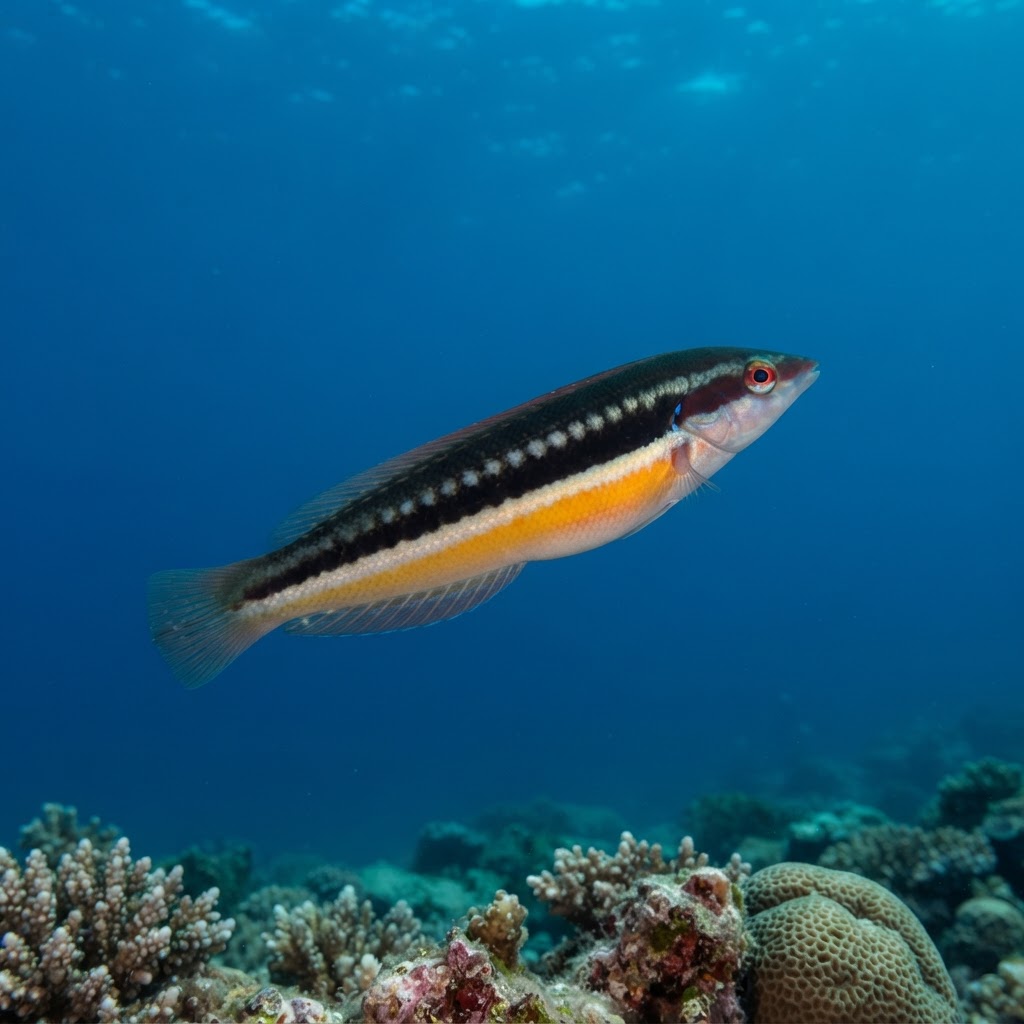
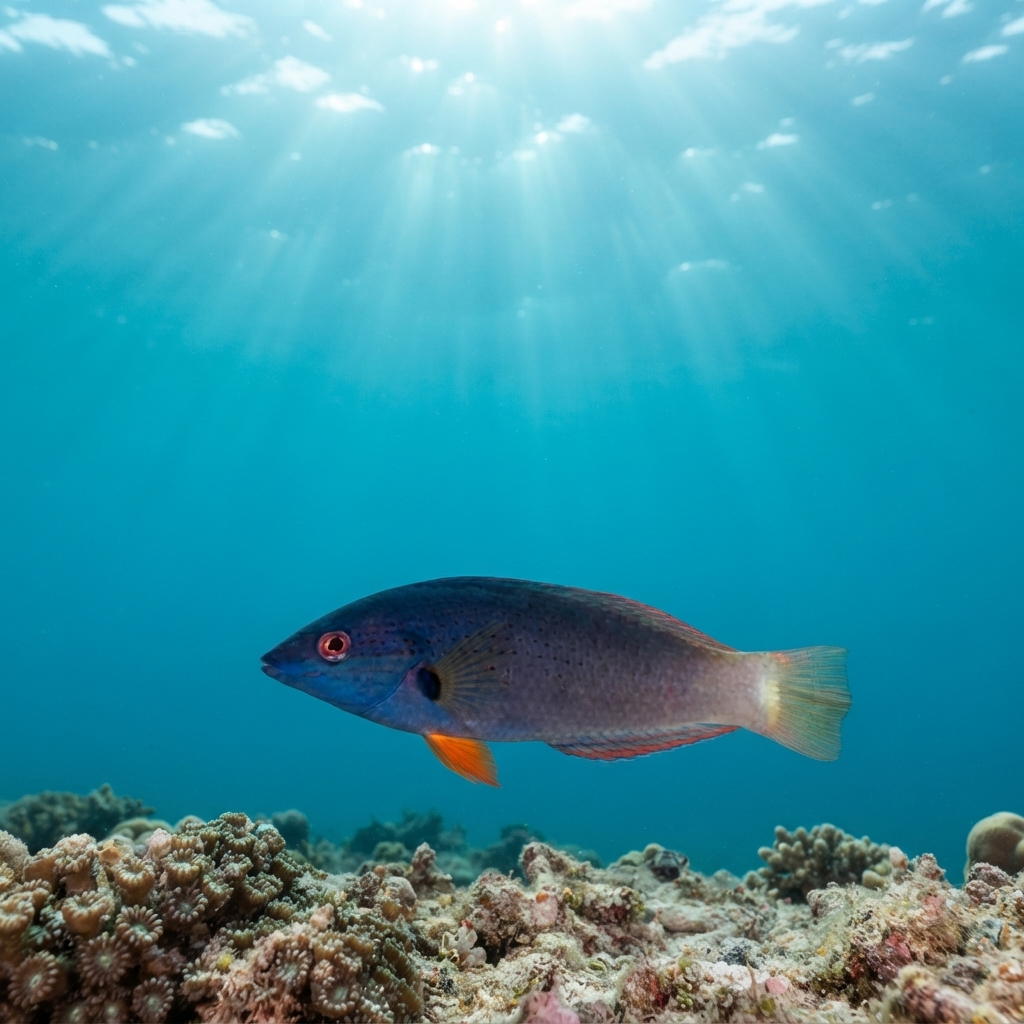
A small, slender wrasse topping out around 13 cm, easy to overlook among reef rubble and rocky crevices. Look for the orange tones on the fins against a more muted body, which is the main visual cue that separates it from the dozens of other small wrasses sharing the same reef. It swims with the quick, darting motion typical of the genus rather than gliding, and tends to stay low and close to structure.
Divers typically find it working low over rock and rubble, picking at the substrate in the way small wrasses do while foraging. It's logged as uncommon even at its best sites, so this isn't a fish you plan a dive around, more one you notice while working a wall or rocky slope at Longdong. It doesn't seem to pay divers much attention and carries on foraging rather than fleeing or approaching.
Like many wrasses in the family, it's likely a protogynous hermaphrodite, meaning individuals can start life as females and later transition to males, though this hasn't been specifically documented for this species.
No clear seasonal pattern shows up in the sightings, and its comfort range of 24.7 to 29.3C matches Taiwan and Malaysia's reef temperatures for most of the year, so it's a year-round target rather than a seasonal one.
Longdong on Taiwan's northeast coast is by far the most reliable spot, logged far more often than anywhere else in the data. Sabah, Malaysia is the other confirmed region, giving divers a second, less-visited option if they're island-hopping through Southeast Asia.
Mapping where Orangefin Wrasse is logged…
Longdong in Taiwan is the most consistent spot for this small wrasse, with Sabah, Malaysia the other confirmed region in diver records. It's uncommon even at these sites, so treat it as a nice find rather than a guaranteed sighting.
There's no detected seasonal pattern, and its temperature range of 24.7 to 29.3C covers Taiwan and Malaysia's reef conditions most of the year, so it can turn up on any dive regardless of month.
Look for a small wrasse, around 13 cm, with orange-toned fins set against a more subdued body colour. It stays low near rock and rubble and moves in quick darts rather than slow cruising.
They're small, reaching roughly 13 cm in length, which puts them among the more diminutive wrasses divers encounter on rocky reef terrain.
No. They pose no threat to divers and simply carry on foraging over the reef when approached.
Site and sighting data is aggregated from diver logs, iNaturalist and GBIF. For taxonomy and conservation status:
Bird Wrasse
3,632 sites