Tambja olivaria
A small olive-green nudibranch turning up on Visayas reefs in the Philippines, warm water 25.6-31.6C, uncommon but worth the search.
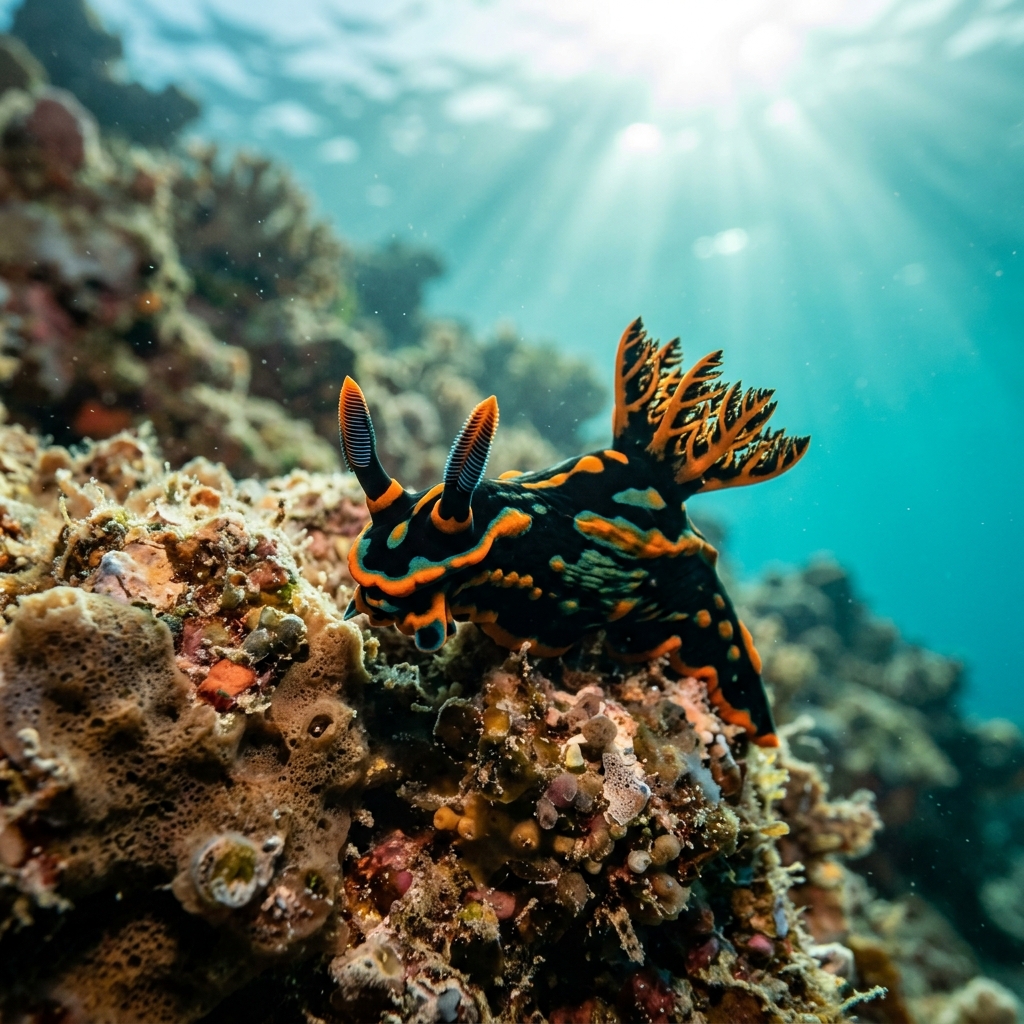
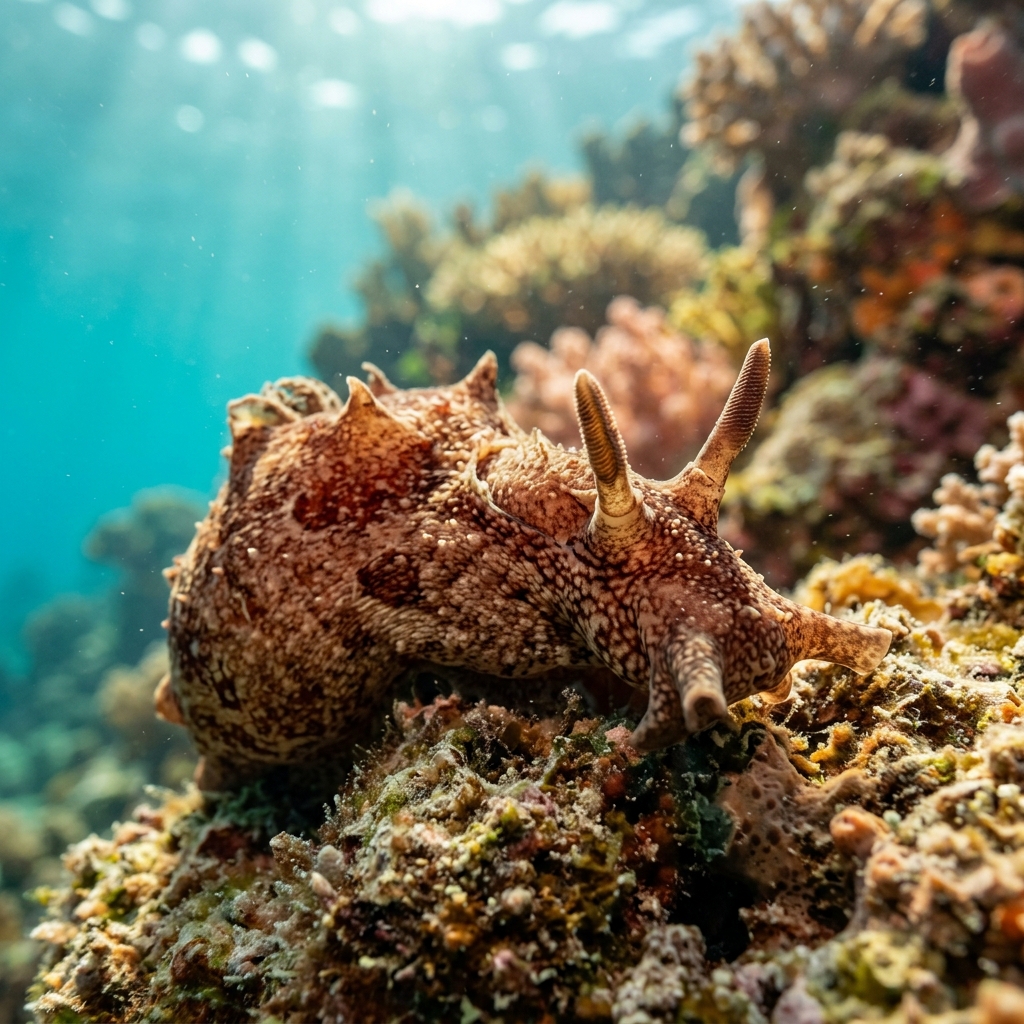
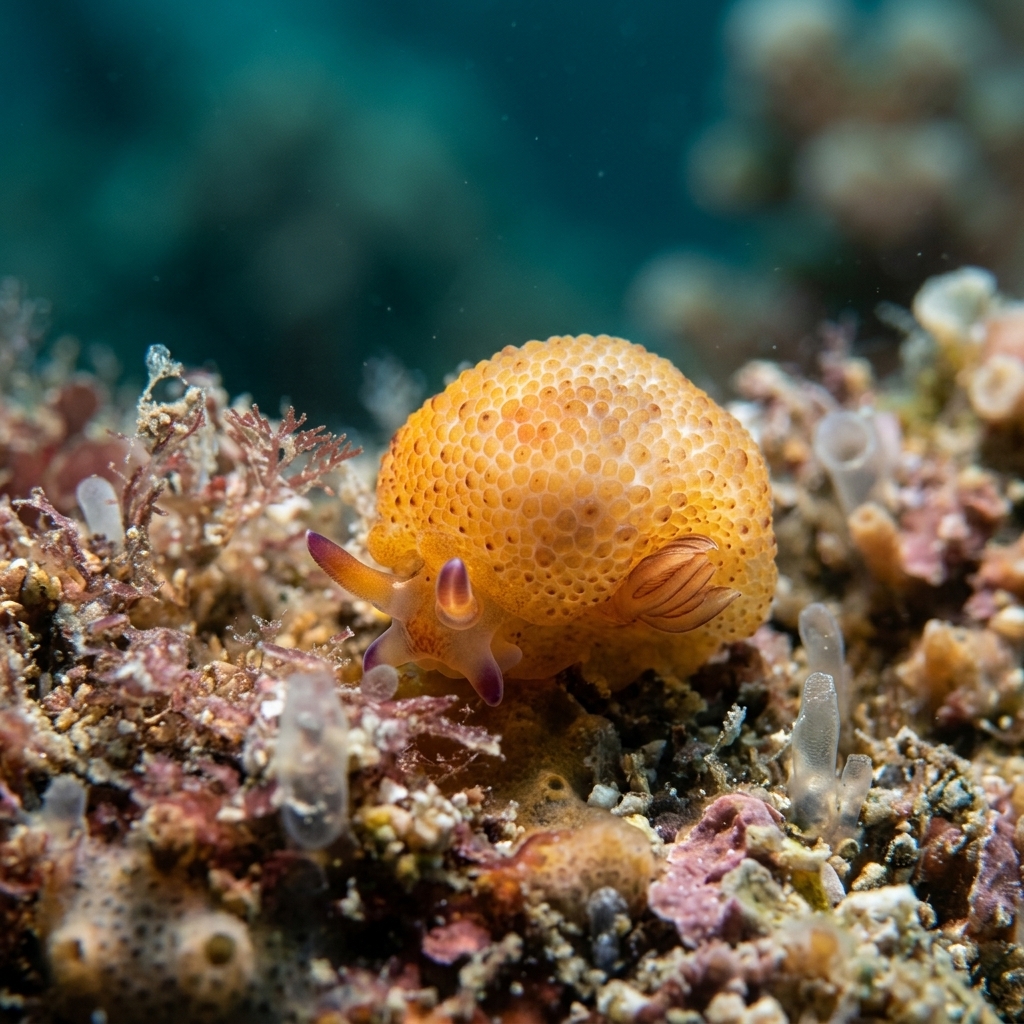
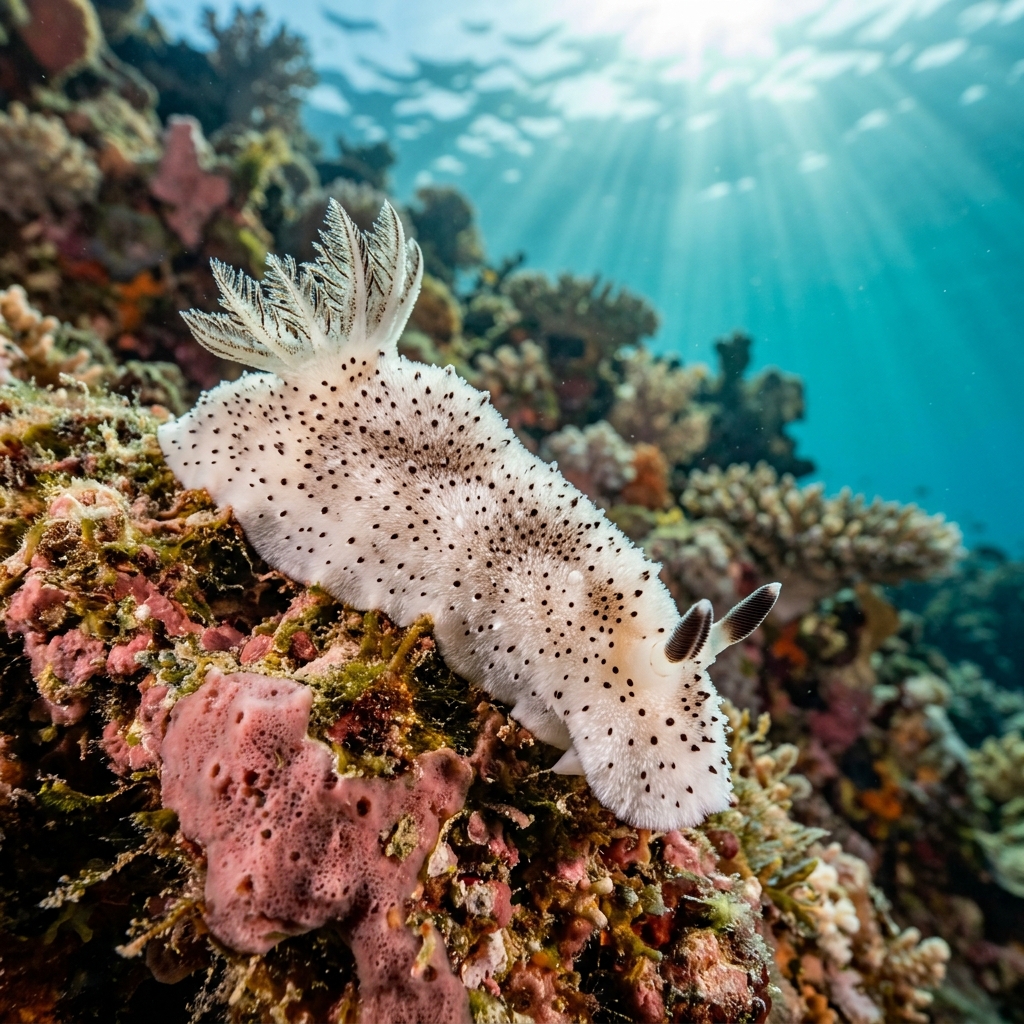
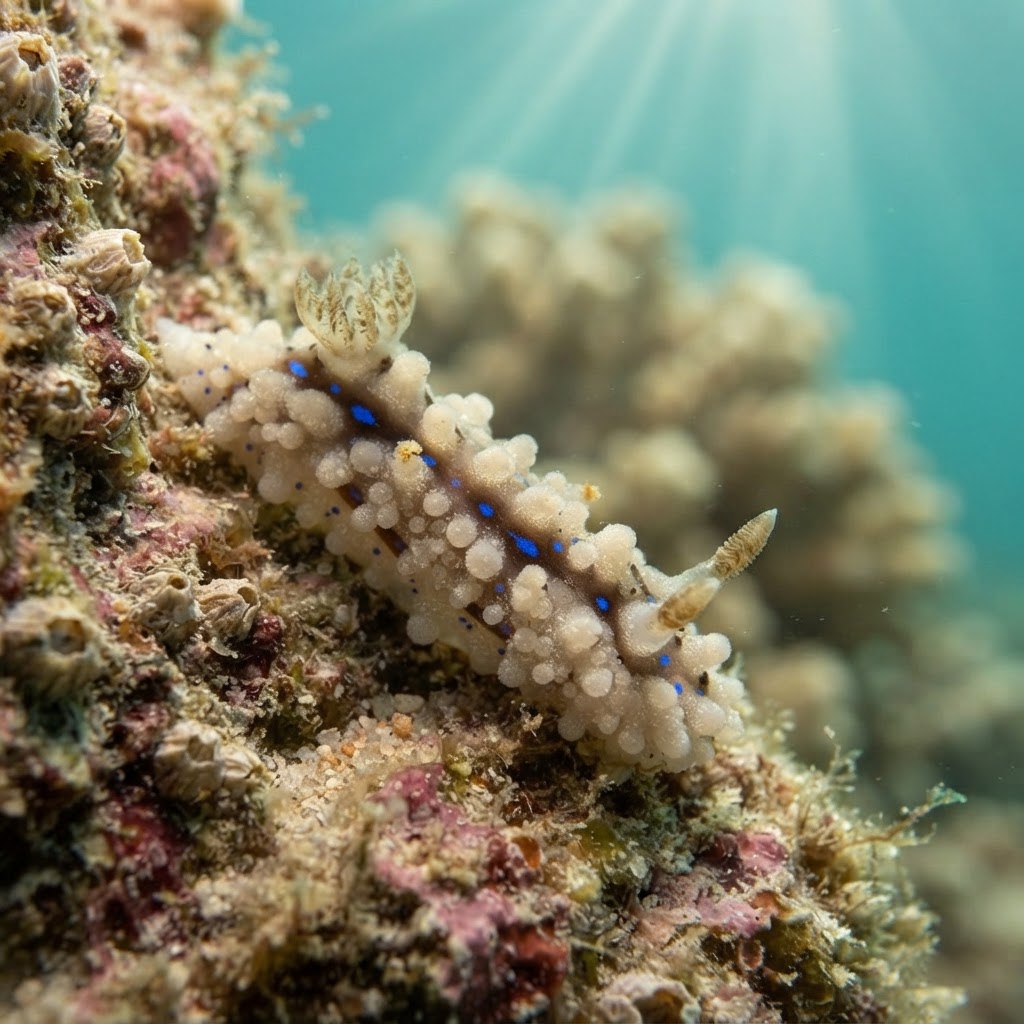
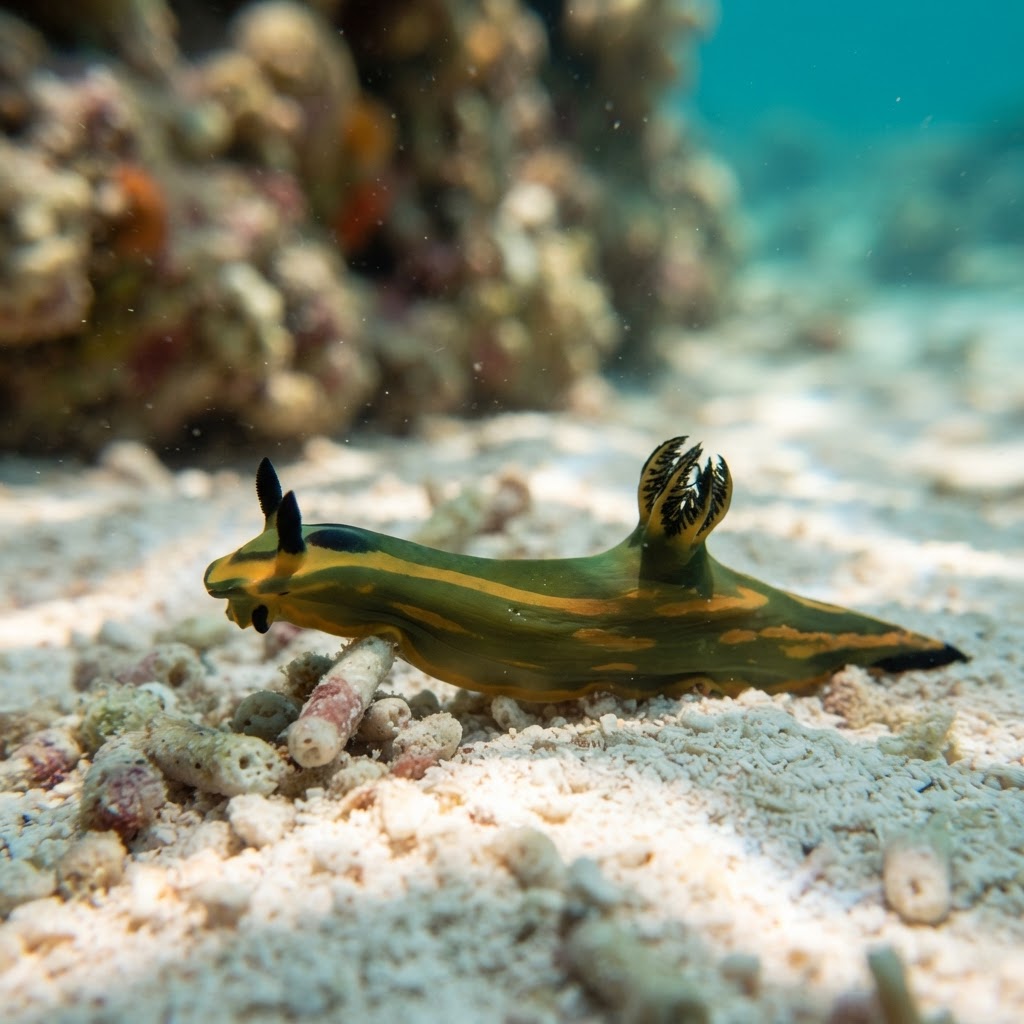
A small slug barely 4cm long, with an olive-green body and a ruffled, gill-like fringe (called the mantle edge) running down its back. Look closely for a smoother, glossier sheen than the encrusting sponges it crawls over, and a pair of small rhinophores (sensory tentacles) up front. Size and colour together are the giveaway: most Tambja species run brighter or more patterned, so a uniformly olive body this small narrows things down fast.
Divers find this one grazing slowly over encrusting sponges and rubble patches, usually on the reef itself rather than in open water. It pays no attention to divers and will not react to a slow, close look, which is handy given how small and easy to overlook it is. Most sightings are opportunistic finds during a macro-focused dive rather than a targeted search, since it sits low against the substrate and blends into algae-covered surfaces.
Like other members of the Polyceridae, it almost certainly feeds on sponges, and species in the genus Tambja are known to sequester chemical compounds from that diet as a defence against predators, an easy trade-off for an animal with no shell.
No clear seasonal pattern shows up in the sighting data, and with water temperatures logged between 25.6 and 31.6C it is living on reefs that stay warm year-round, so any month is fair game in the Visayas.
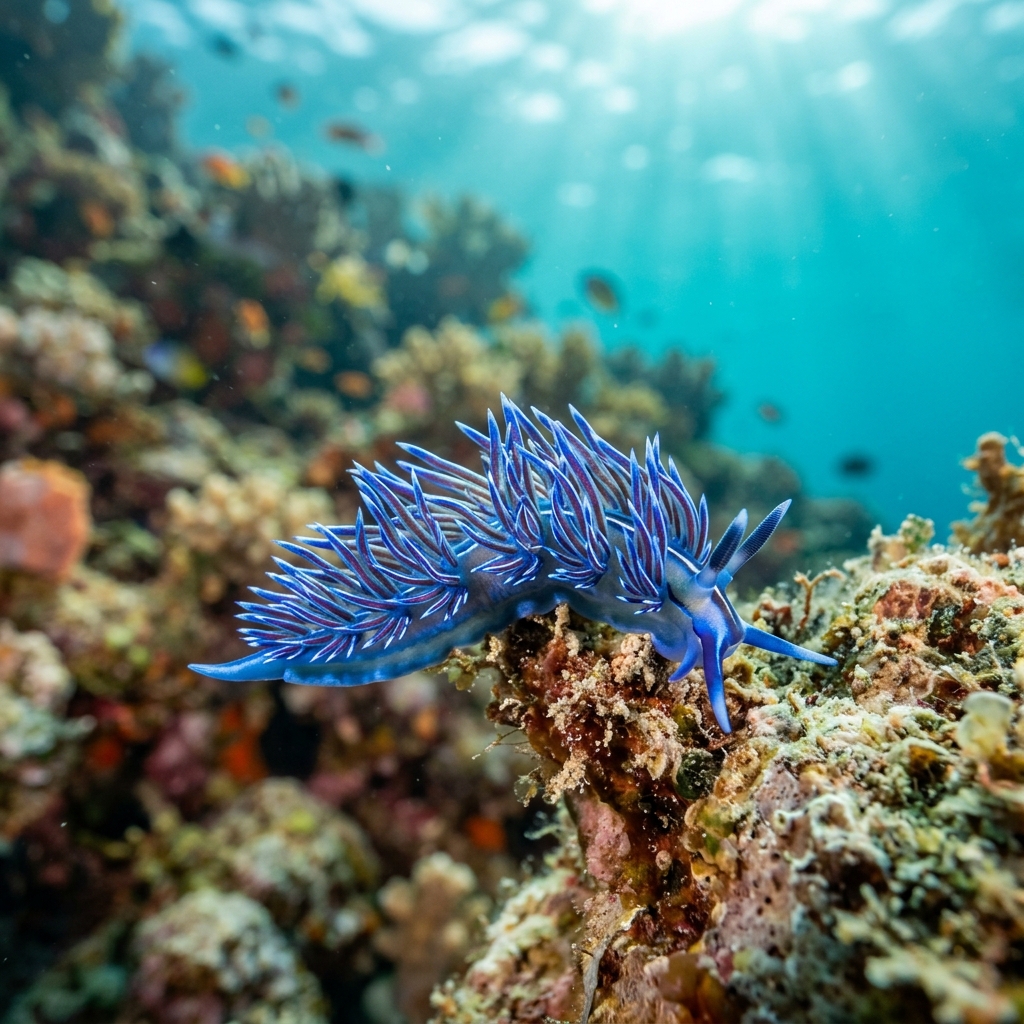
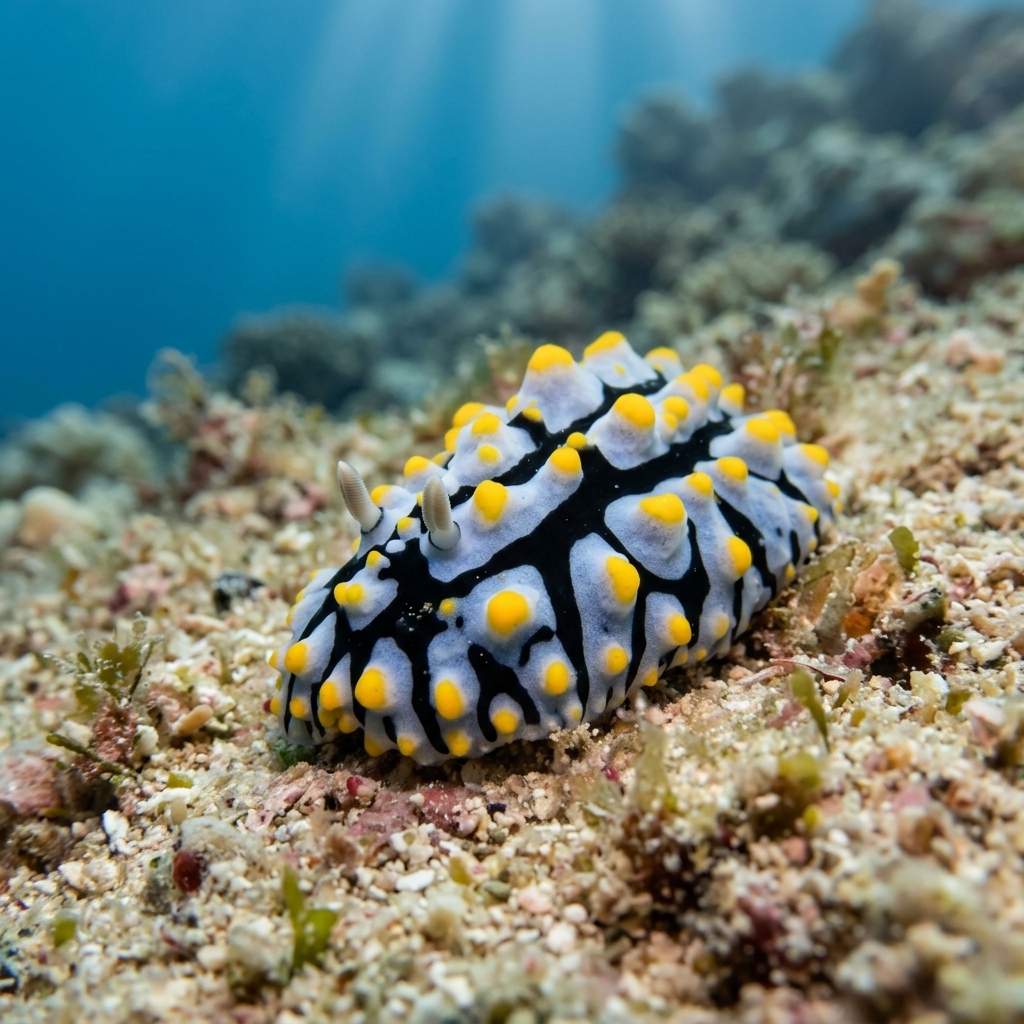
Reef neighbours a diver could mistake it for. Use the identification notes above to tell them apart.
Almost every logged sighting comes from the Philippines, concentrated in the Visayas region, making it the place to search if you want a real shot at one. A single sighting from the Central Atolls of the Maldives shows it turns up well outside the Philippines too, so it is worth keeping an eye on rubble and sponge patches wherever you dive in the Indo-Pacific.
Mapping where Olive Dorid is logged…
The strongest records come from the Visayas region in the Philippines, where it has been logged across numerous dive sites. A single sighting from the Central Atolls of the Maldives shows it is not confined to the Philippines, so check rubble and sponge-covered substrate wherever you dive in the wider Indo-Pacific.
There is no detected seasonal pattern, and the warm water it is found in (25.6 to 31.6C) is present year-round on Philippine reefs, so it can turn up on any dive regardless of month.
Look for a small, olive-green nudibranch around 4cm long with a ruffled mantle edge and a smooth, glossy body against the rougher sponges it feeds on. Its plain olive colouring, without bold stripes or spots, helps separate it from many showier reef nudibranchs.
They are small, typically reaching around 4cm in length, so a slow, close look at sponge-covered rubble is usually needed to spot one.
It almost certainly grazes on encrusting sponges, in keeping with feeding habits typical of its family, the Polyceridae. Some Tambja species are known to store defensive chemicals absorbed from their sponge diet, discouraging predators from taking a bite.
Site and sighting data is aggregated from diver logs, iNaturalist and GBIF. For taxonomy and conservation status:
Light-spotted Aegires
3,168 sites