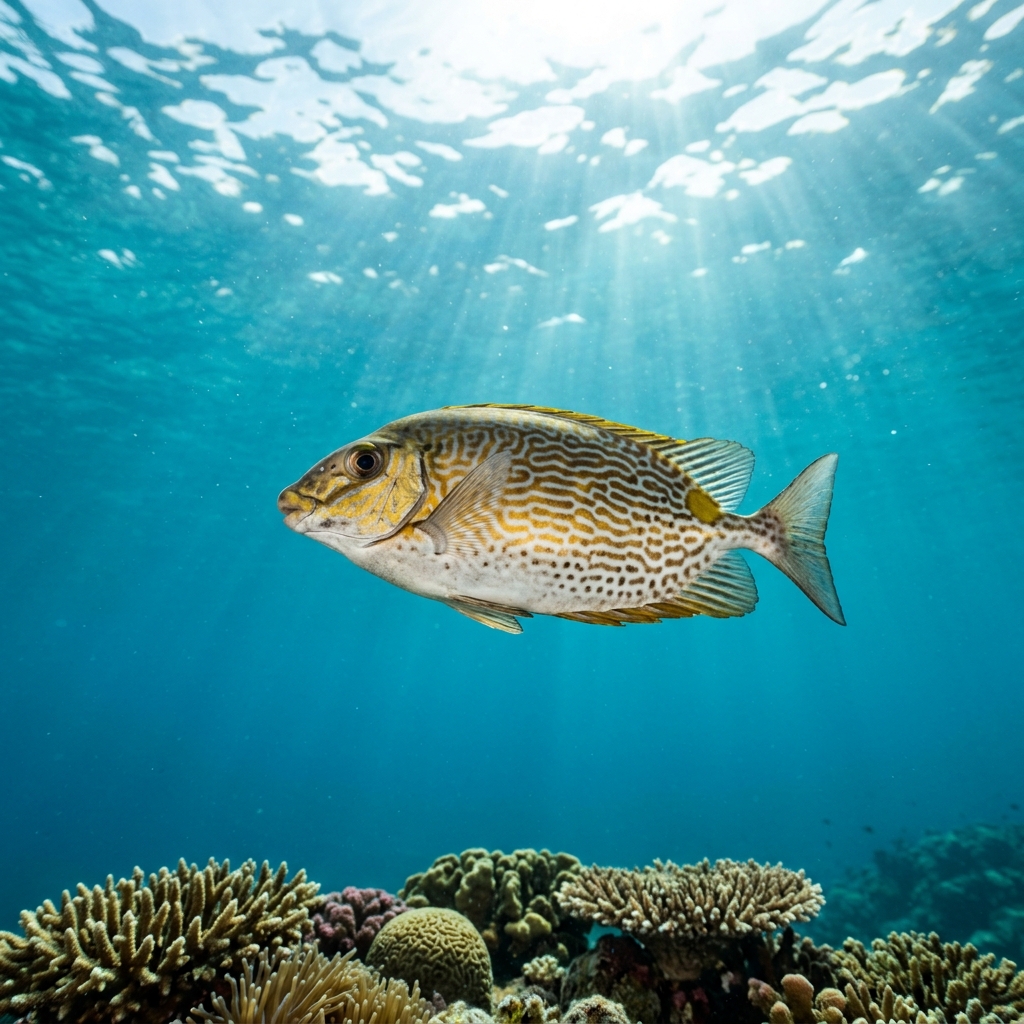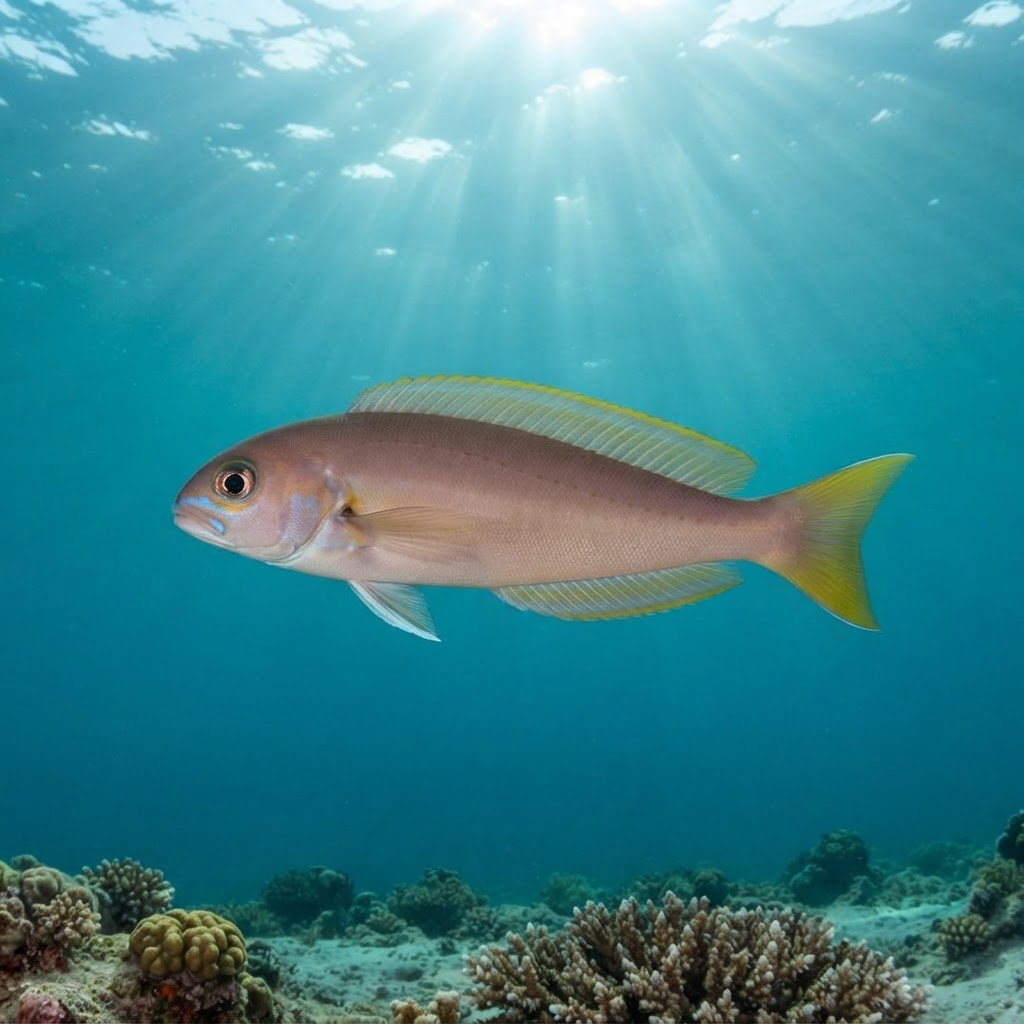
Caulolatilus princeps
Elongated, pale gold fish logged at 41 California sites, often on kelp reefs and rocky ledges from 15.8 to 25.6°C.
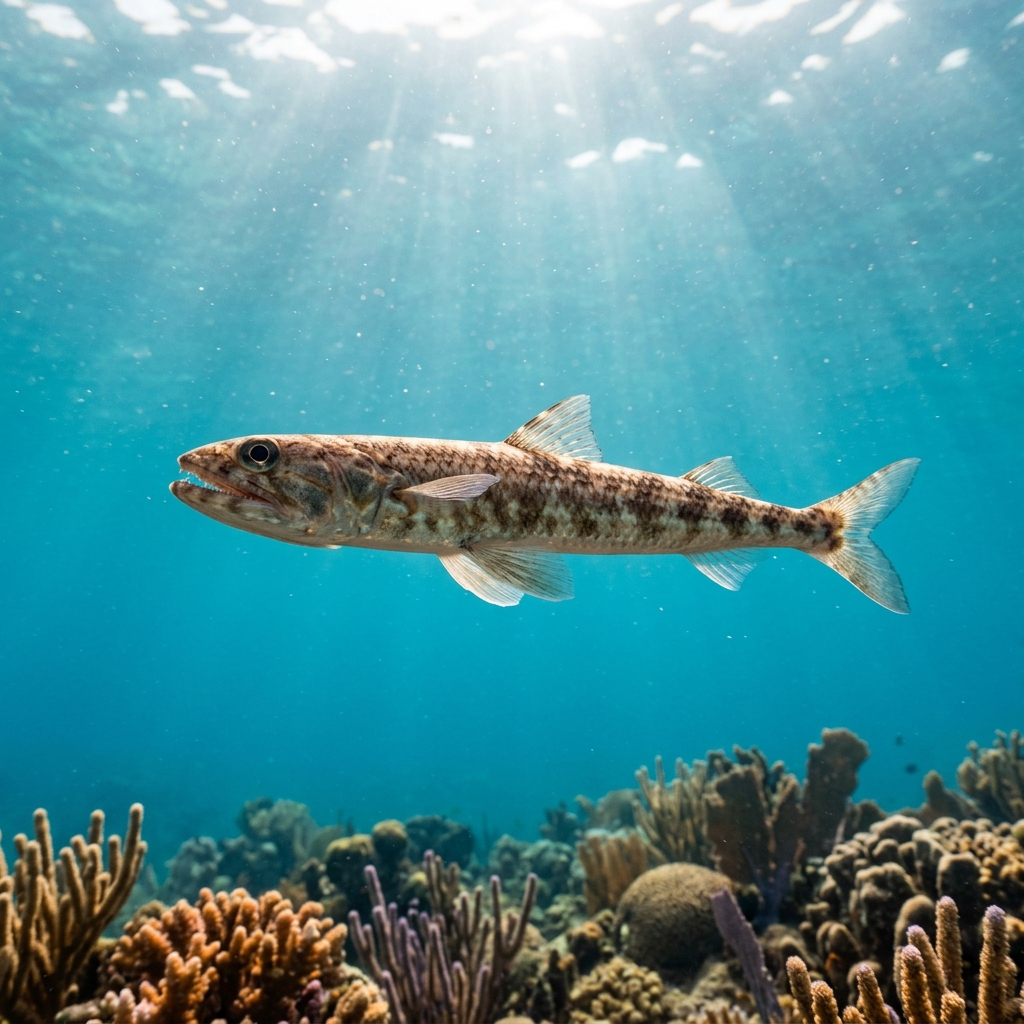
Look for an elongated, slightly torpedo-shaped body in pale tan to gold, sometimes with a faint bluish sheen along the back. It grows to around 71 cm, noticeably longer and more slender than a typical reef fish, with a fairly blunt head and a long dorsal fin running most of its length. There's no bold pattern to key on, so its plain colouring and rocky-bottom habitat are often the giveaway.
Divers typically find it hovering or cruising slowly near rocky bottoms and reef ledges rather than schooling in open water. It tends to keep a bit of distance from divers but doesn't dart off dramatically, making for a decent if brief look if you approach calmly. Most logs describe single fish or small numbers rather than groups, consistent with its uncommon-to-rare sighting frequency.
It's an unusually cool-water member of a mostly warm-water family, which is why you'll find it on California kelp reefs instead of tropical coral, a habitat shift that's fairly rare among its relatives.
Sightings don't show a clear seasonal pattern, so it's considered a year-round species. Its recorded temperature range of 15.8 to 25.6°C spans most of the year on the California and Baja coasts, so timing your dive around water temperature preference rather than a specific month is the safer bet.
Most reliably logged along the California coast in the United States, with strong numbers in Baja California, Mexico, and a smaller presence around the Galápagos Islands in Ecuador. These are cool-to-temperate rocky reef and kelp forest sites rather than tropical coral, which sets the species apart from most of its family.
Mapping where Ocean Whitefish is logged…
California is the strongest region for sightings, particularly along rocky reef and kelp forest sites. Baja California in Mexico also produces regular logs, with a smaller number of sightings around the Galápagos Islands in Ecuador.
There's no strong seasonal pattern in the sightings, so it's best treated as a year-round species. It's been recorded in water from 15.8 to 25.6°C, a range that covers most of the year along its core range.
Look for an elongated, plain tan-to-gold body up to about 71 cm long, a long dorsal fin, and a blunt head, usually seen alone near rocky bottoms rather than in a school. It lacks bold stripes or spots, so its shape and habitat are the main clues.
They can reach around 71 cm in length, making them noticeably larger and more elongated than most fish sharing the same rocky reef habitat.
No, they're not considered dangerous to divers. They tend to keep some distance but pose no threat during a normal encounter.
They're one of the few members of their family adapted to cool temperate water, turning up on California kelp reefs rather than the tropical coral habitats most relatives prefer.
Site and sighting data is aggregated from diver logs, iNaturalist and GBIF. For taxonomy and conservation status:
Soldierfish
3,612 sites