Chromis norfolkensis
A small damselfish logged around Norfolk Island in waters between 17 and 26C, uncommon but distinctive on the reef.
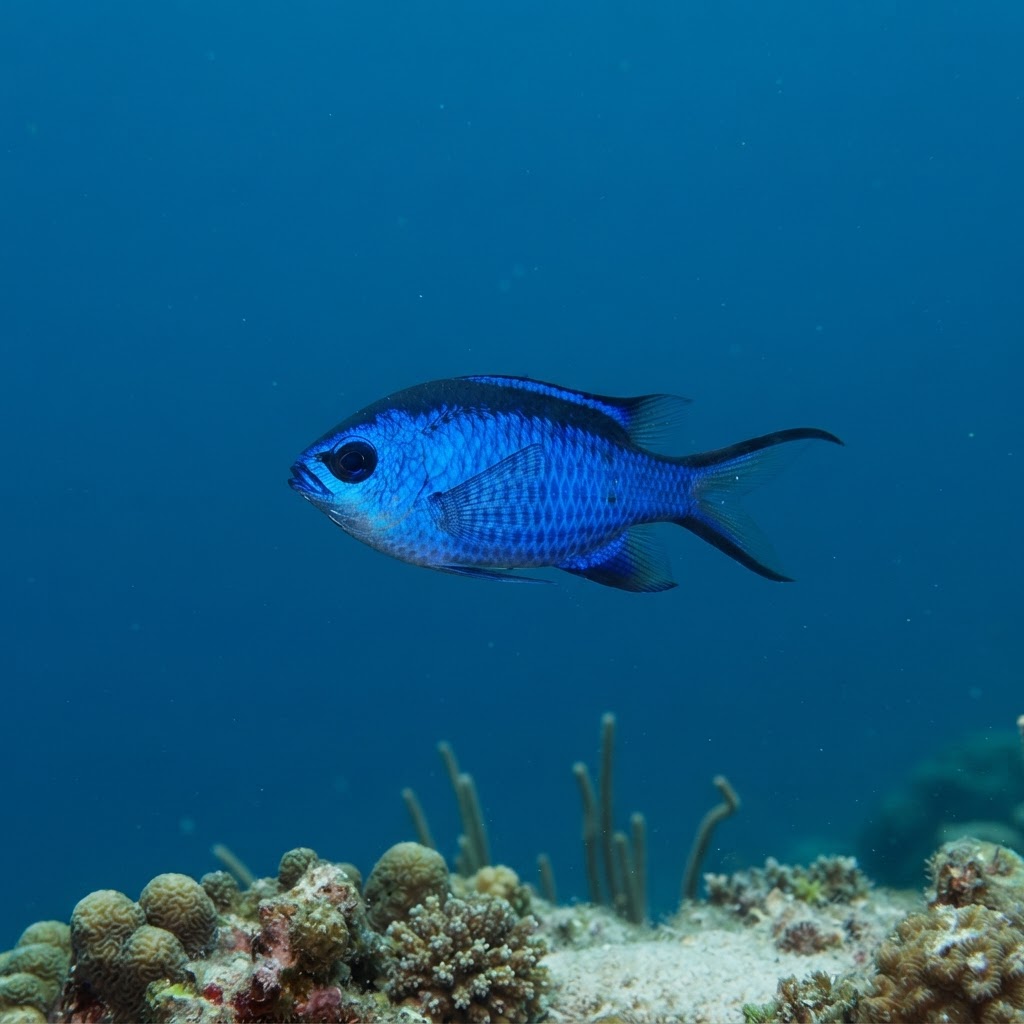
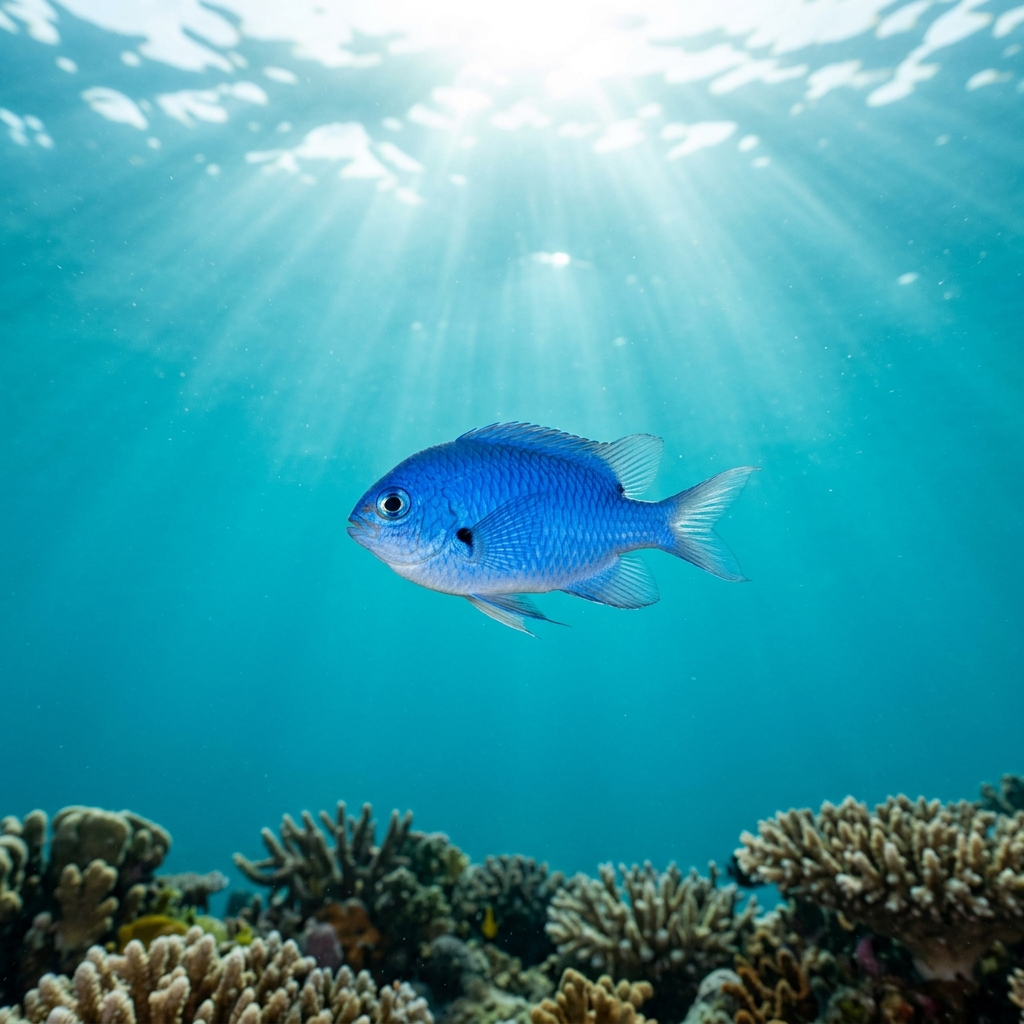
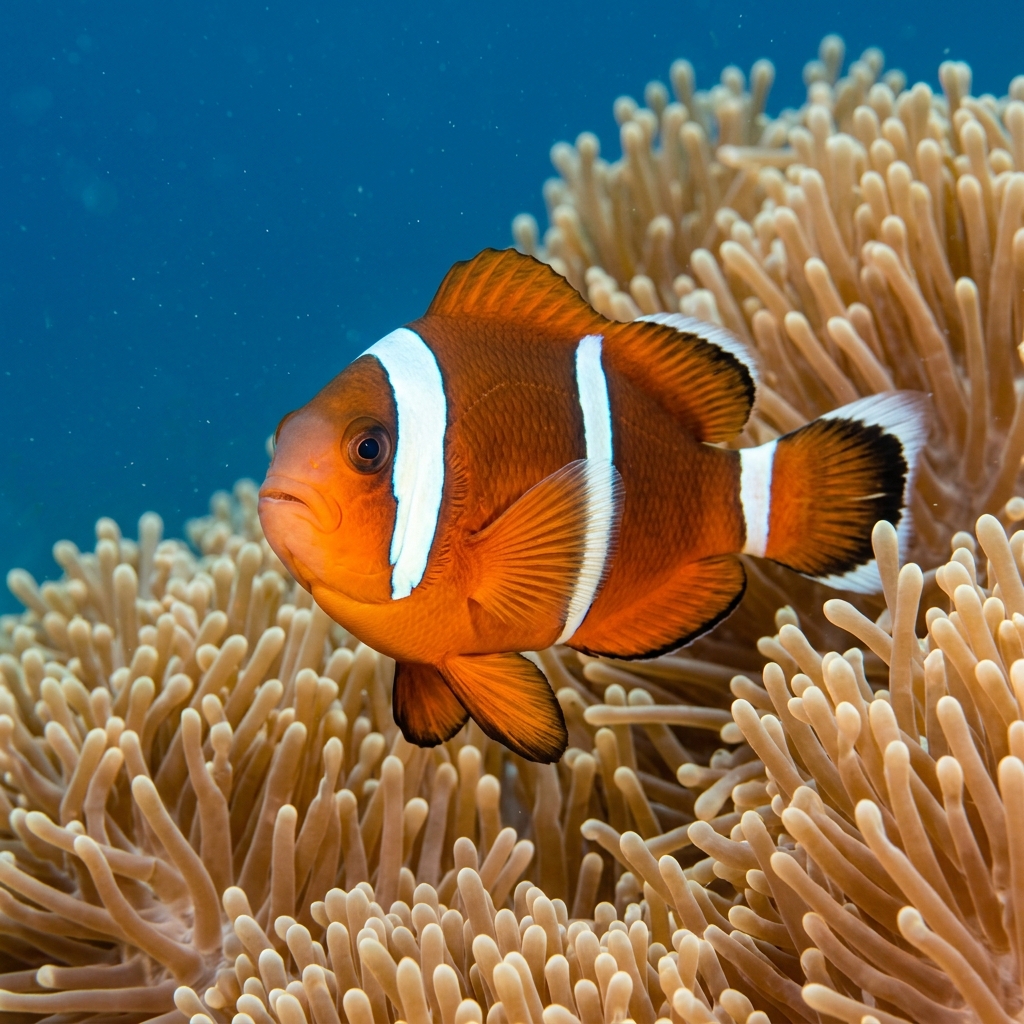
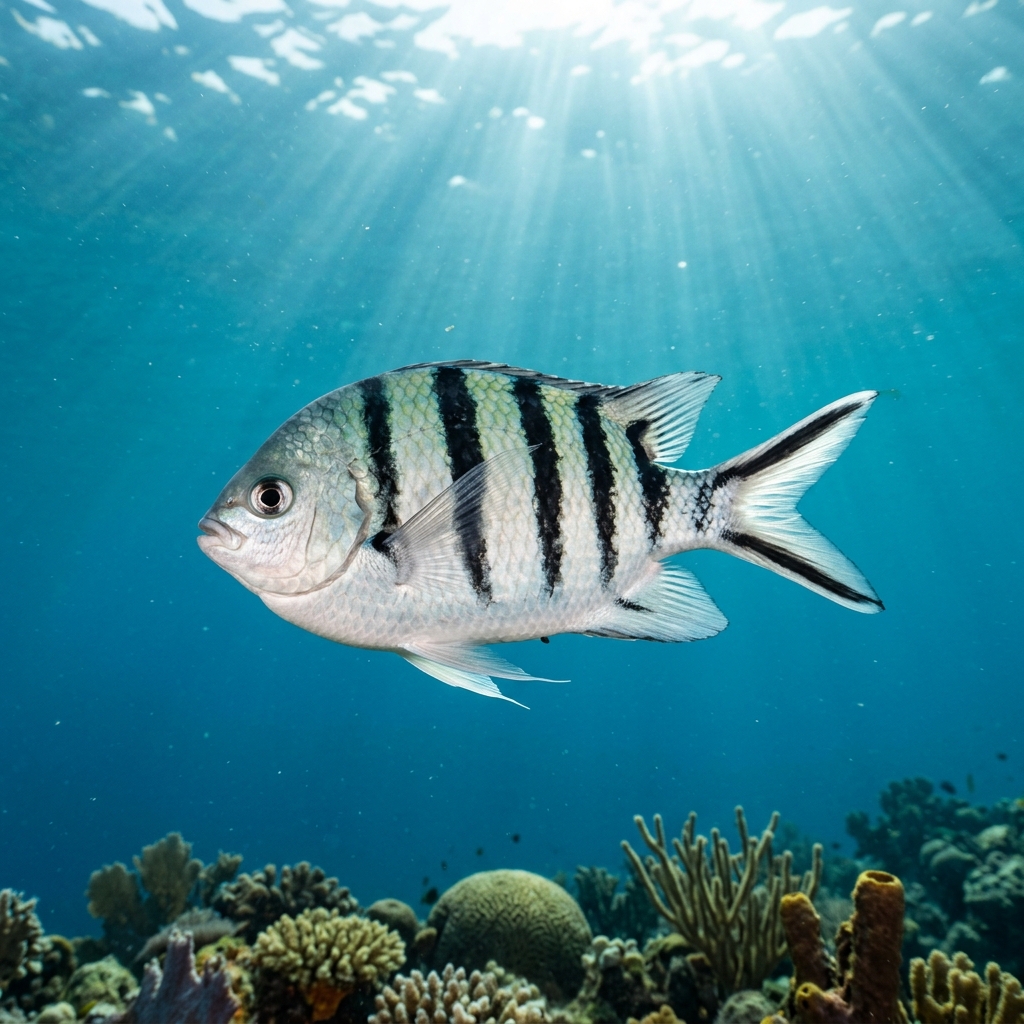
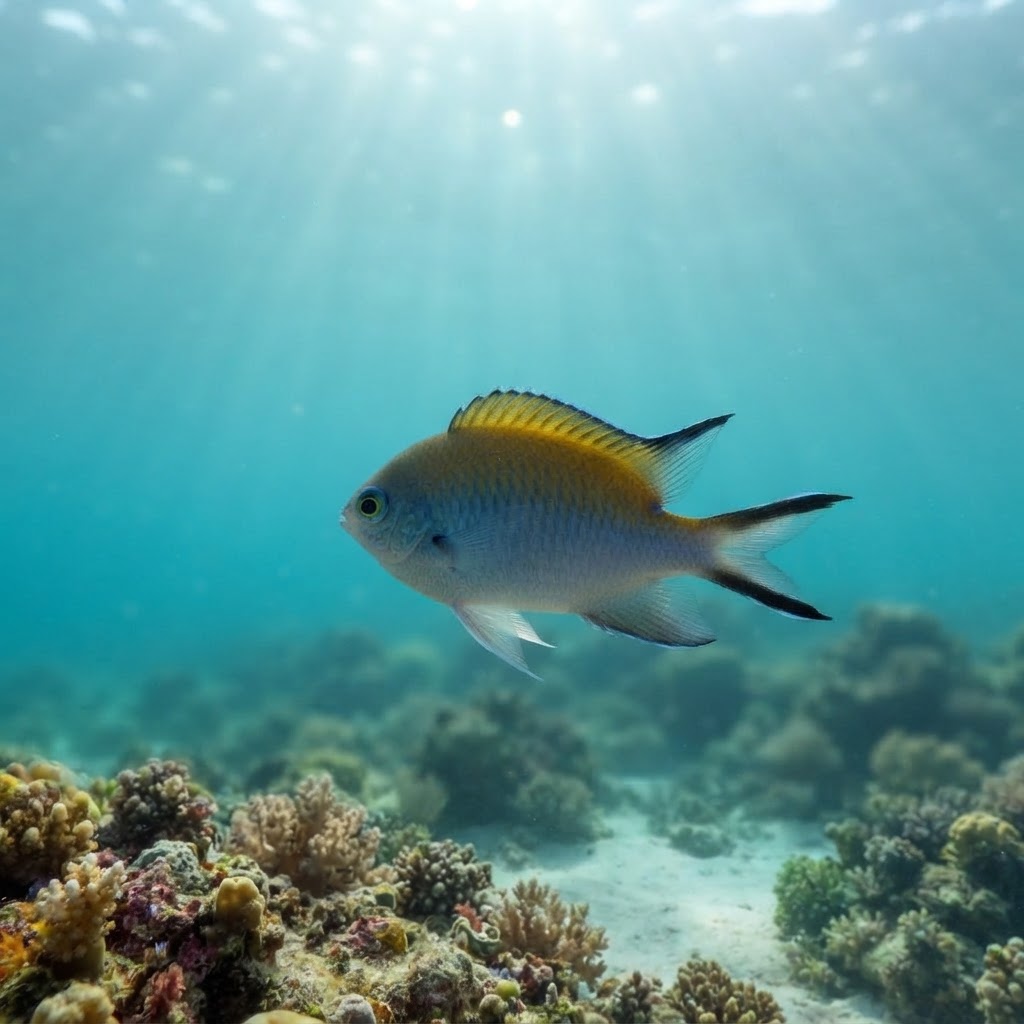
A compact damselfish at around 6 cm, with a deep-bodied, slightly oval shape typical of chromis. Look for a dark, often blue-tinged body with the faint iridescence common to the genus, held in small loose groups just off the reef structure rather than tight against it.
Divers report it as an uncommon sighting, typically seen hovering in small numbers just above the reef rather than schooling in dense clouds like some of its chromis relatives. It keeps a modest distance from divers and tends to stay close to structure it can retreat into if disturbed.
Like other chromis, it likely feeds on drifting plankton in the water column just above the reef, darting out from cover to snatch food before returning to shelter.
Sighting records do not show a clear seasonal pattern, and the observed temperature range of 17.1 to 25.6C spans much of the year at Norfolk Island, so it is best treated as a year-round possibility rather than a seasonal target.
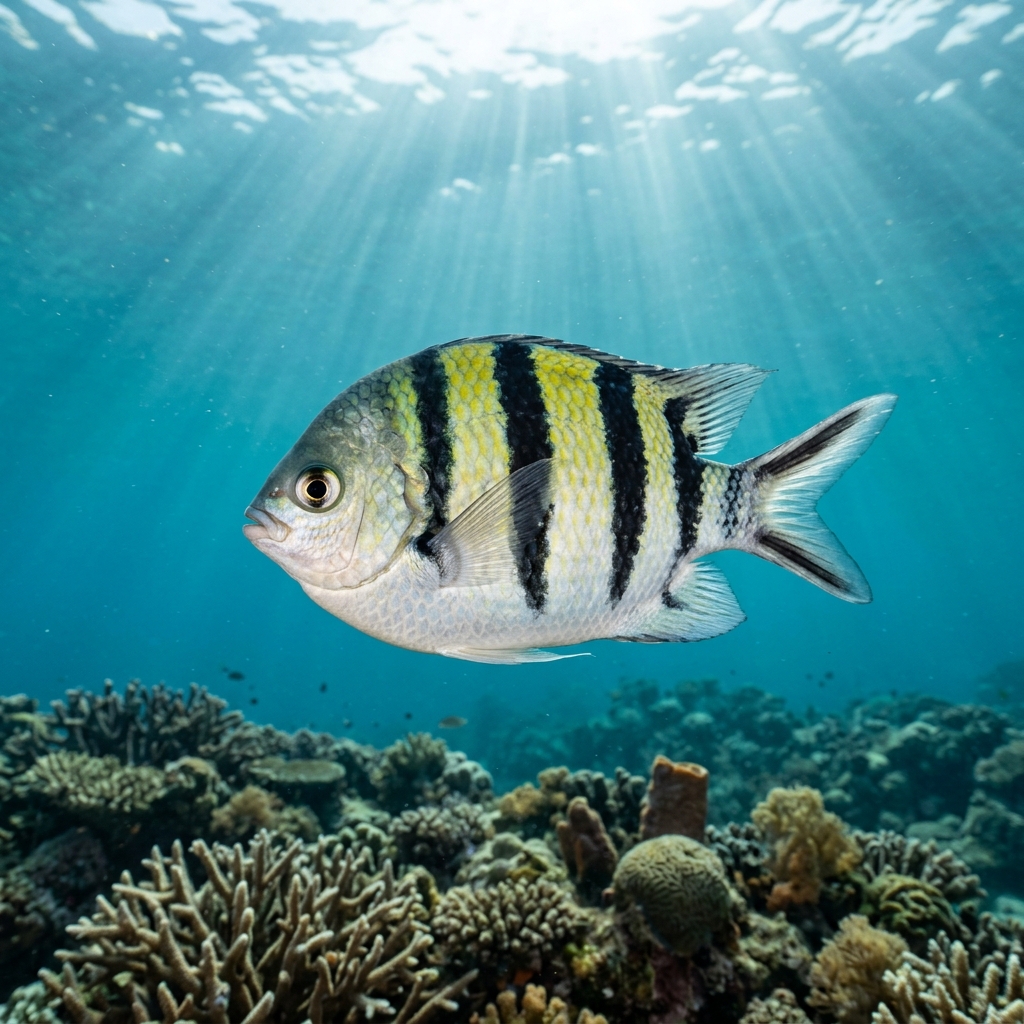
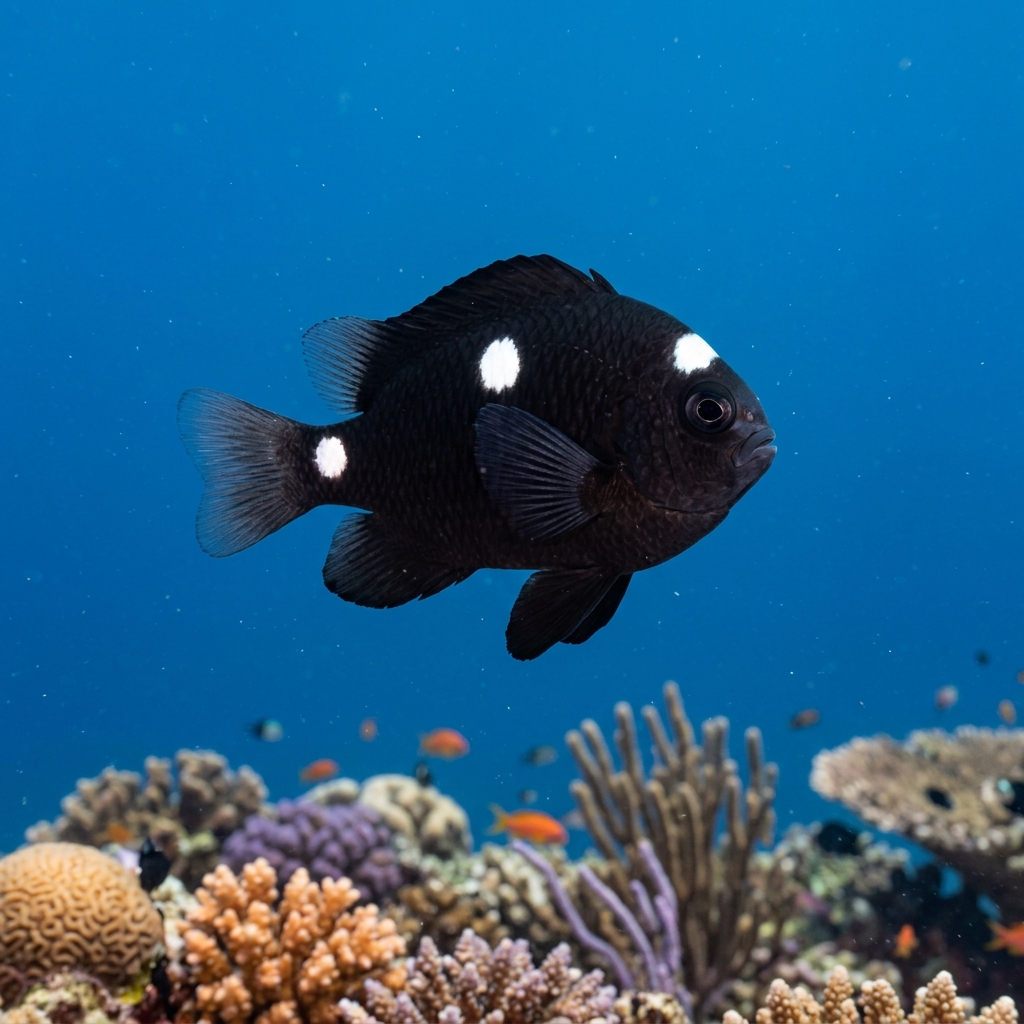
Reef neighbours a diver could mistake it for. Use the identification notes above to tell them apart.
The only confirmed sightings logged for this species come from Norfolk Island, in the New South Wales region of Australian waters. If you are set on finding it, Norfolk Island is currently the one reliable place to look.
Mapping where Norfolk Chromis is logged…
The species is currently documented at Norfolk Island in the New South Wales region, which is the one confirmed location for divers hoping to spot it.
There is no detected seasonal pattern in sightings, and the water temperature range recorded (17.1 to 25.6C) covers most of the year, so it is worth looking for on any dive at Norfolk Island.
Look for a small, deep-bodied damselfish around 6 cm long with a dark body and subtle blue iridescence, hovering in loose small groups just off the reef rather than schooling tightly.
They stay small, reaching around 6 cm, which is typical for damselfish in the chromis group.
No. They pose no threat to divers and are a harmless, small reef fish that will usually keep its distance.
Site and sighting data is aggregated from diver logs, iNaturalist and GBIF. For taxonomy and conservation status:
Dascyllus
3,697 sites