Peltodoris nobilis
Spot Noble Dorid along the Pacific Coast of the US and British Columbia in cool 10-19°C water. Here's where divers log it and what to look for.
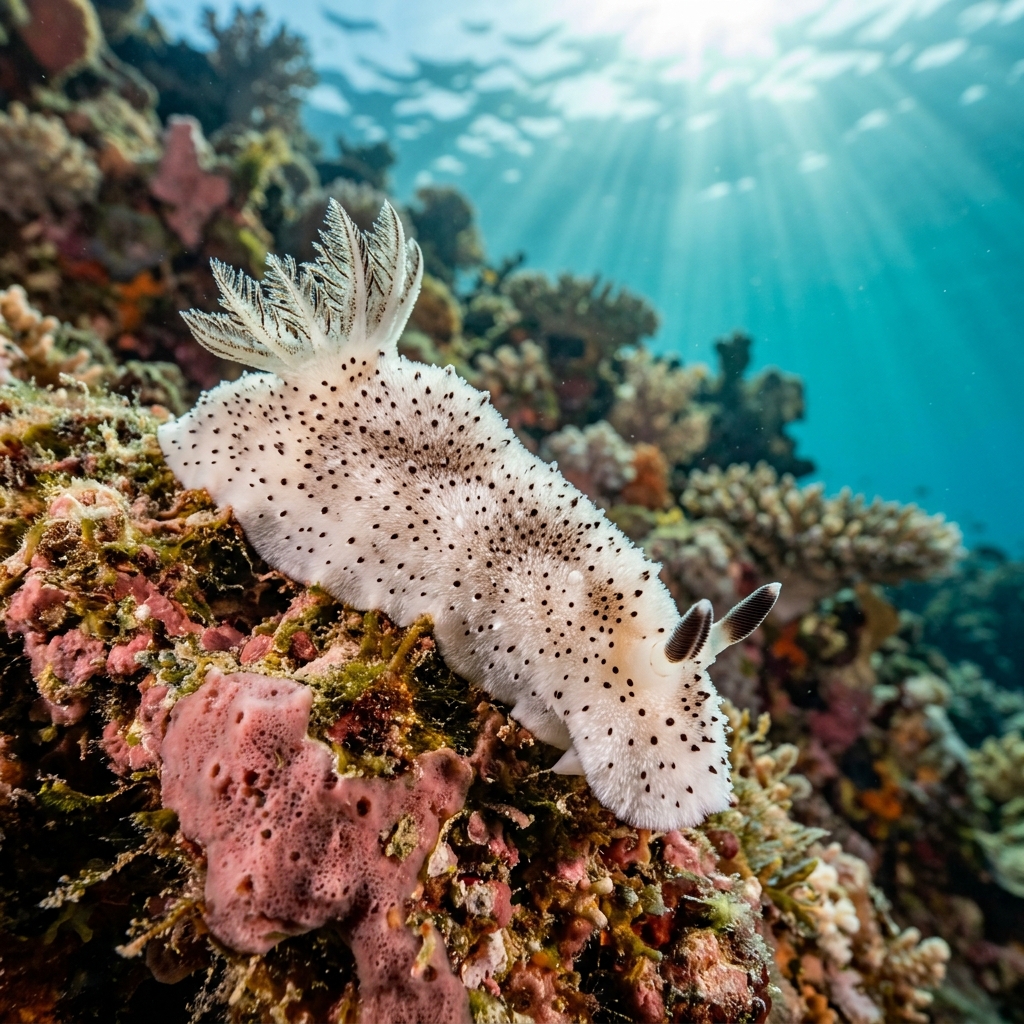
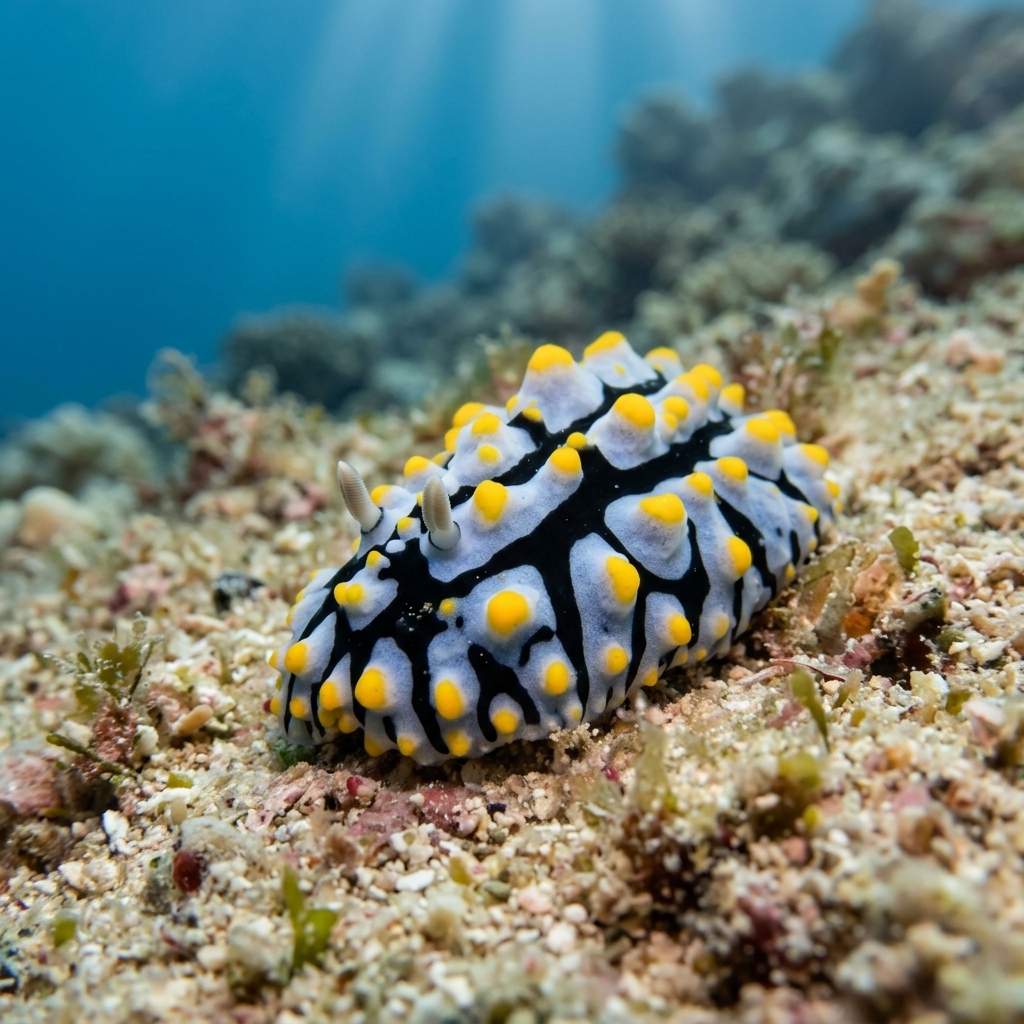
Large and flat-bodied even by nudibranch standards, the noble dorid is pale cream to white with a distinctive pattern of brown or purplish blotches and tubercles (small rounded bumps) across its mantle. The gills form a feathery white plume at the posterior end, and the rhinophores (sensory stalks at the head) are similarly plumed. Its bold, high-contrast patterning makes it one of the more recognisable dorids on a cold-water reef.
When encountered, noble dorids are typically seen crawling slowly across rocky substrates, sponges, or encrusted reef walls as they forage. They tend to be indifferent to divers and will not retreat quickly, which makes calm, close observation straightforward without harassment. Watching quietly from a few centimetres away gives the best chance of seeing feeding behaviour or, if you are lucky, a mating encounter.
Like other dorids, the noble dorid feeds on sponges and sequesters chemical compounds from its prey, making its tissues distasteful to most predators. Its bold patterning likely serves as a warning to anything that might consider eating it.
Northern Hemisphere sighting data suggests the noble dorid can be found from July through May, making it a near year-round species in its preferred range. Its comfortable water temperature of 10-19°C aligns well with the cool Pacific conditions that persist along its core range for most of the year.
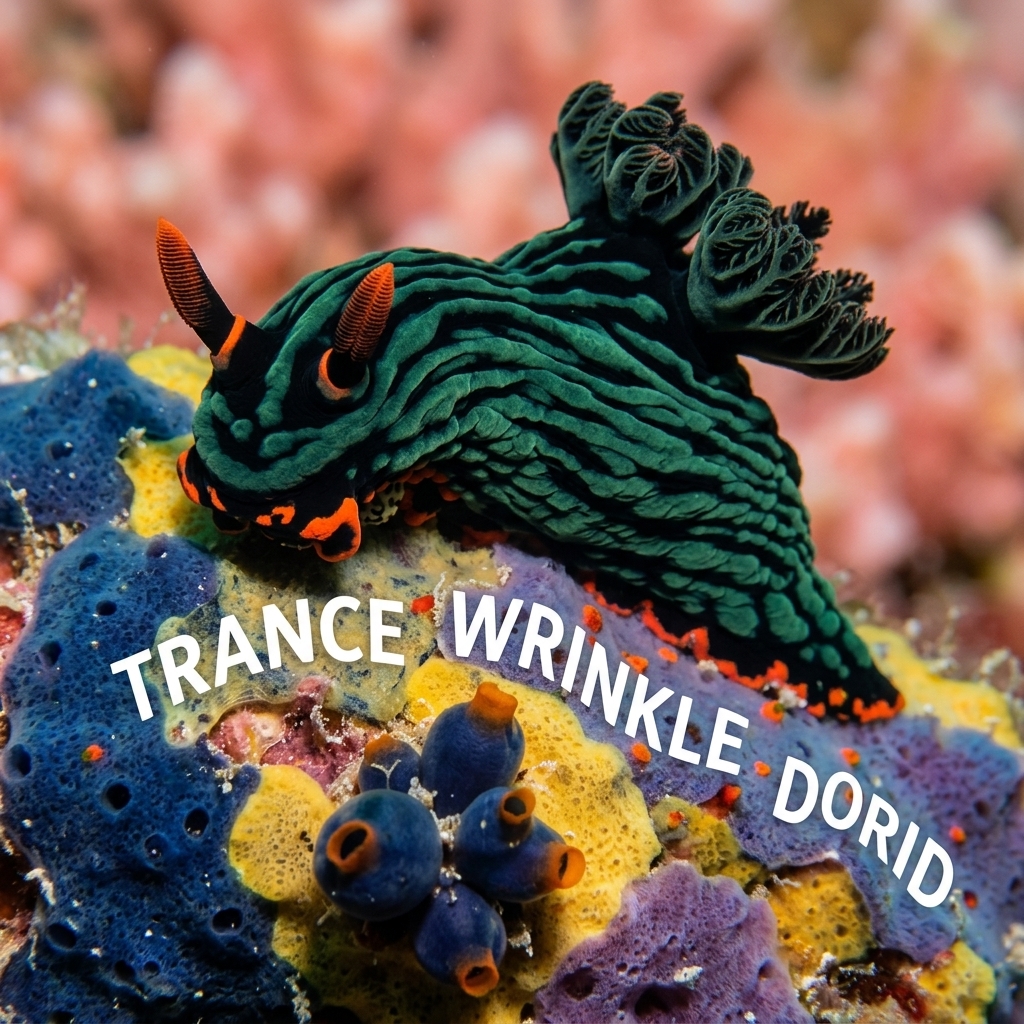
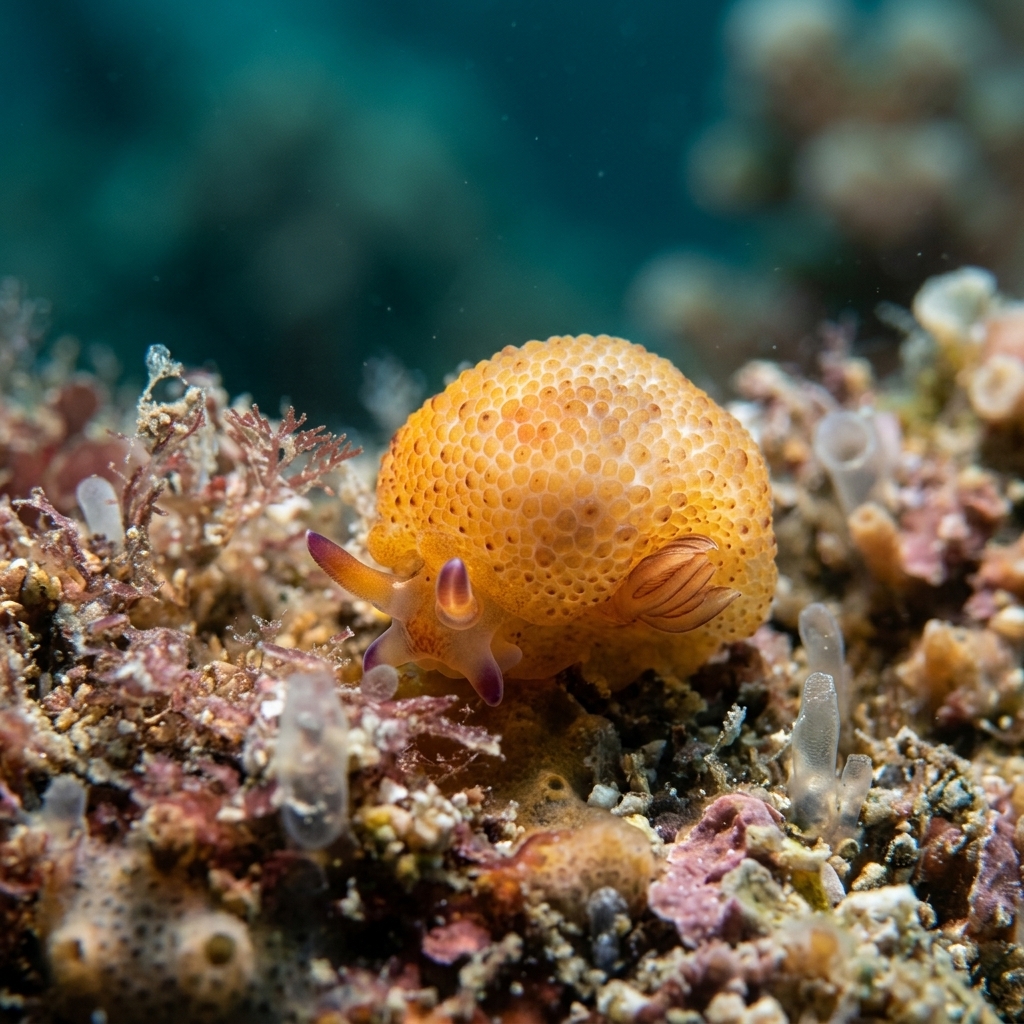
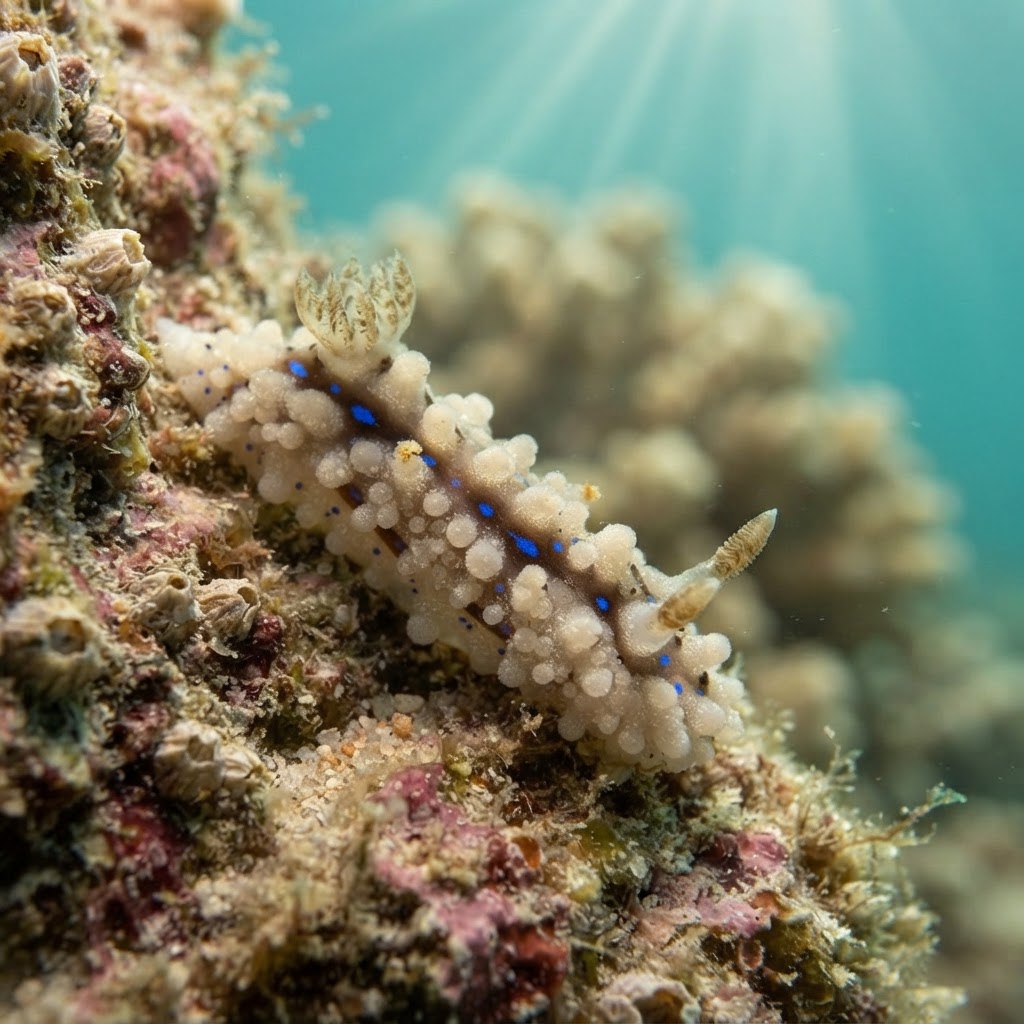
Reef neighbours a diver could mistake it for. Use the identification notes above to tell them apart.
Most sightings come from the Pacific Coast of the United States and the British Columbia coast of Canada, where it is consistently the most-logged nudibranch of its type in cold, temperate waters. A smaller number of records exist from the Northern Pacific coast of Mexico. The British Virgin Islands and China each contribute a single outlying site, likely at the edges of its range.
Mapping where Noble Dorid is logged…
The noble dorid is most reliably logged along the Pacific Coast of the United States and the British Columbia coast of Canada. A smaller cluster of records exists along the Northern Pacific coast of Mexico. Cold, rocky reef habitats are where divers encounter it most often.
Diver sightings span July through May across the Northern Hemisphere, suggesting it is present for most of the year. Its preference for cool water between 10 and 19°C means the consistently cold Pacific coast offers reliable conditions year-round.
Look for a large, flat-bodied nudibranch with a pale cream or white mantle covered in brown or purplish mottled blotches and raised bumps called tubercles. The white feathery gill plume at the rear and similarly plumed rhinophores at the head are key features. Its size and bold patterning make it stand out on cold, rocky reefs.
Precise size data is limited, but noble dorids are considered one of the larger dorid nudibranchs on the North American Pacific coast, with adults commonly reaching several centimetres in length. Their substantial size is part of what makes them relatively easy to spot during a dive.
No, noble dorids pose no risk to divers. They are slow-moving and completely harmless. The recommended approach is simply to observe without touching, both to protect the animal and to avoid disturbing natural behaviours.
Most divers who log it describe it as uncommon rather than common, so a sighting is worth pausing for. It tends to be easier to find at dedicated cold-water sites along the US and Canadian Pacific coasts than elsewhere. Slow, methodical searching of rocky walls and sponge-covered substrates gives you the best chance.
Site and sighting data is aggregated from diver logs, iNaturalist and GBIF. For taxonomy and conservation status:
Blue Dragon
3,163 sites