Processa edulis
A small, rarely-logged shrimp found mostly around Brittany, France, in cool 12-18C water year-round.
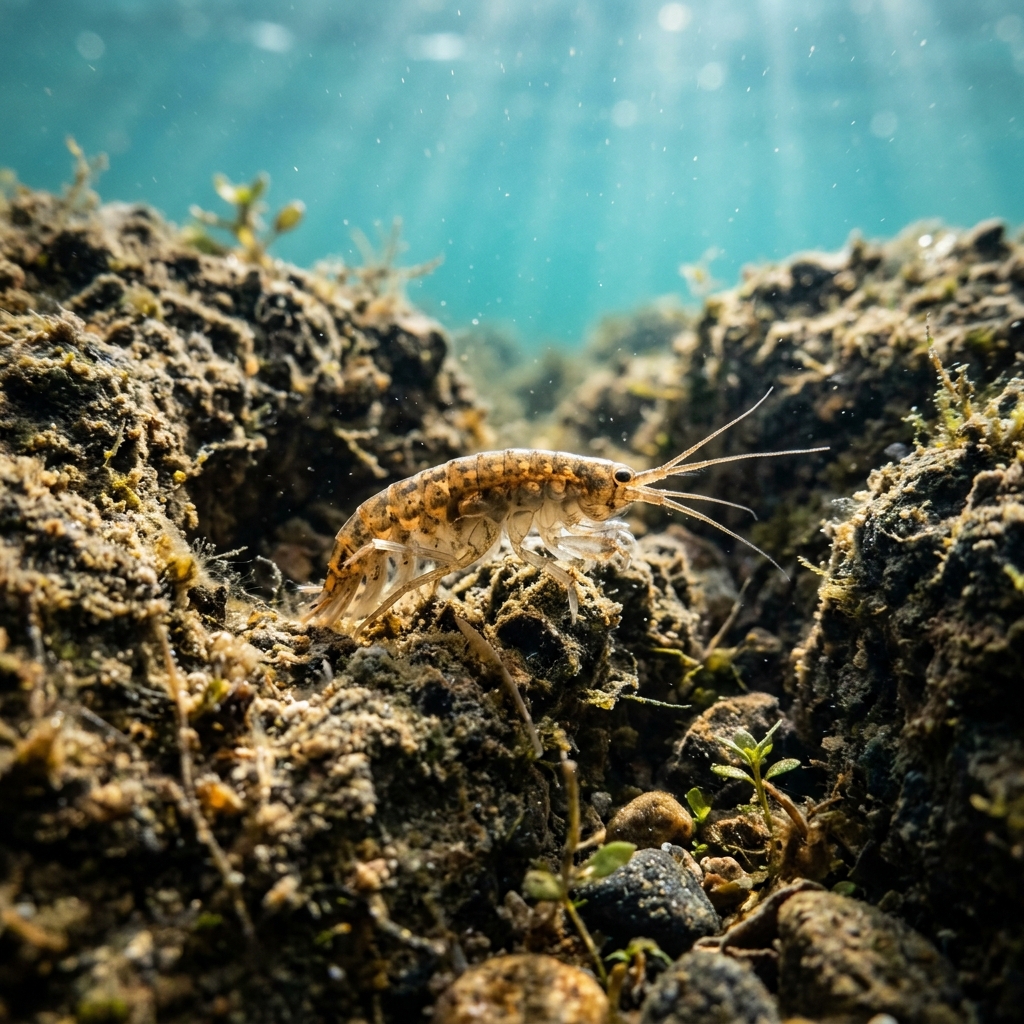
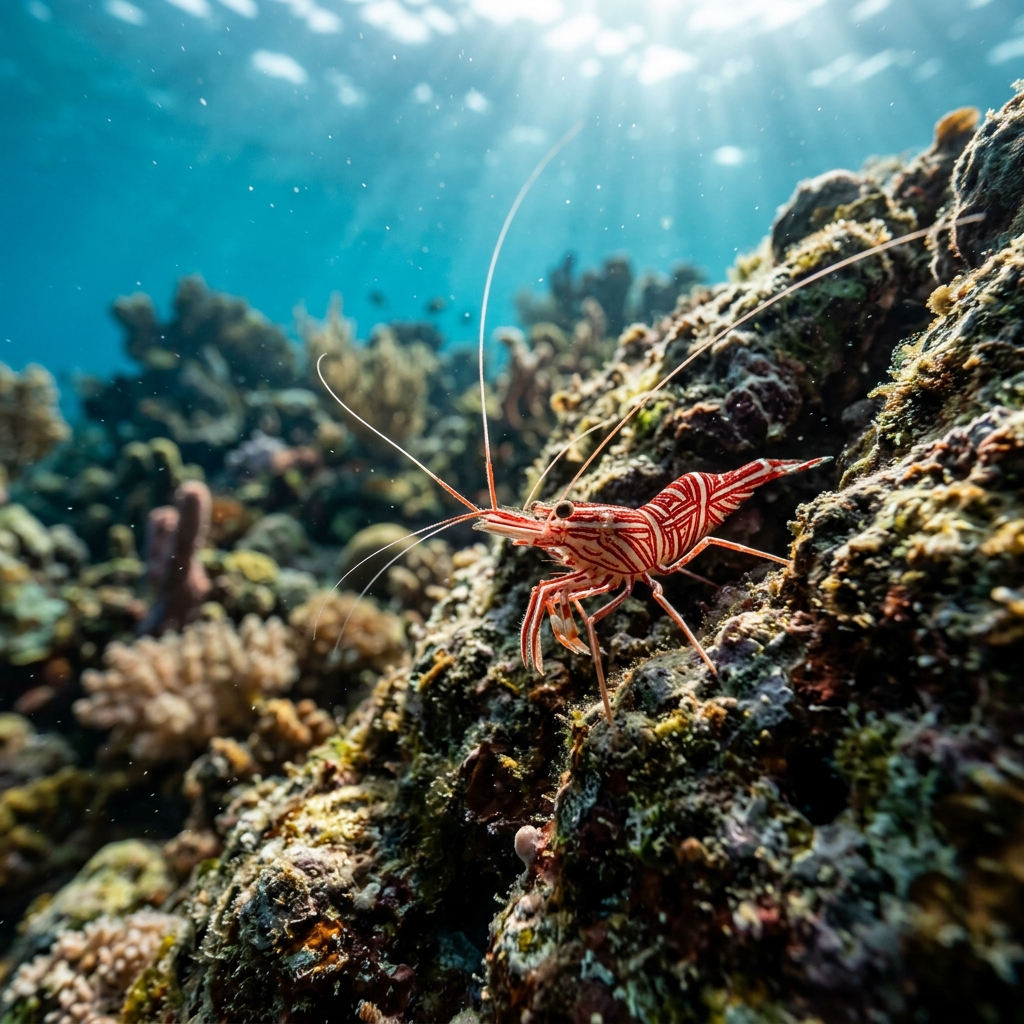
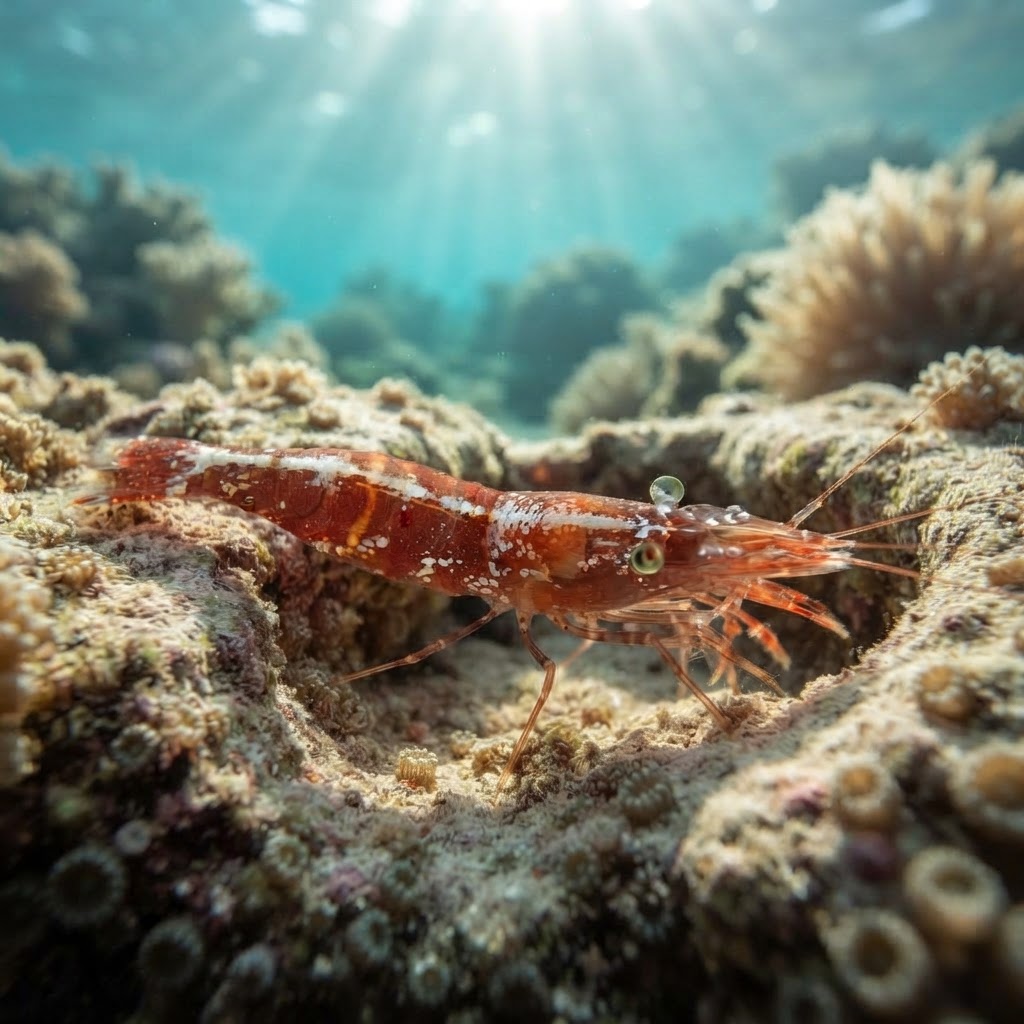
A slender, translucent to pale pinkish-grey shrimp reaching about 4cm, easy to miss against rock or sediment. Look for the long, thin antennae and the slightly humped, laterally flattened body typical of processid shrimps. It sits low on the substrate rather than swimming in open water, which is often the only clue that gives it away.
Divers find it tucked against rocky bottoms or hiding in sediment, moving in short bursts rather than cruising the water column. It's a low-key, easily overlooked animal that doesn't react much to divers, mostly because it relies on staying still and blending in rather than fleeing. Look closely near rock crevices and mixed substrate on Brittany dives rather than expecting it out in the open.
It's logged as rare at most sites where divers have found it, so a sighting is more about careful looking than luck with timing.
No clear seasonal pattern shows up in the sightings, so treat it as a year-round find. It's logged in water from 12 to 18.1C, which fits Brittany's cooler coastal conditions across most of the diving season.
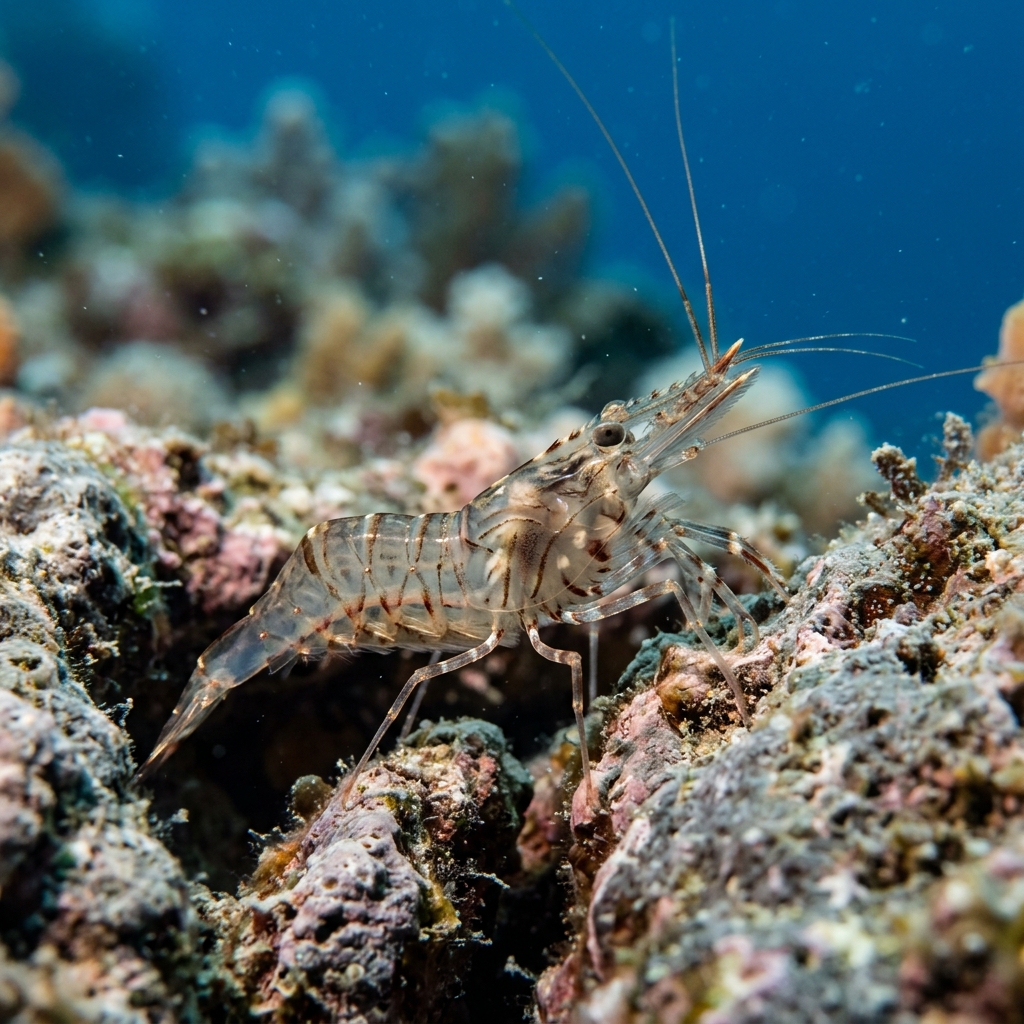
Reef neighbours a diver could mistake it for. Use the identification notes above to tell them apart.
Nearly all logged sightings come from France, with Brittany standing out as the strongest area by far. A handful of sightings also come from Occitanie and the French Riviera & Provence, but Brittany is by far the most reliable region for this species.
Mapping where Nika Shrimp is logged…
Brittany, France is by far the most reliable region, with additional but sparser sightings in Occitanie and the French Riviera & Provence.
There's no strong seasonal pattern in the sightings, so it can turn up year-round in the 12 to 18.1C water typical of Brittany's coast.
Look for a slender, translucent to pale shrimp around 4cm long with long antennae, resting low on rock or sediment rather than swimming freely.
They reach around 4cm, making them a small, easy-to-overlook find best spotted with a slow, close look at the substrate.
No, they pose no danger to divers and are harmless to observe or photograph up close.
Site and sighting data is aggregated from diver logs, iNaturalist and GBIF. For taxonomy and conservation status:
Rockpool Prawn
2,179 sites