Halichoeres nebulosus
Tiny reef wrasse most reliably spotted in the Inner Islands of Seychelles, year-round in warm 25-29C water.
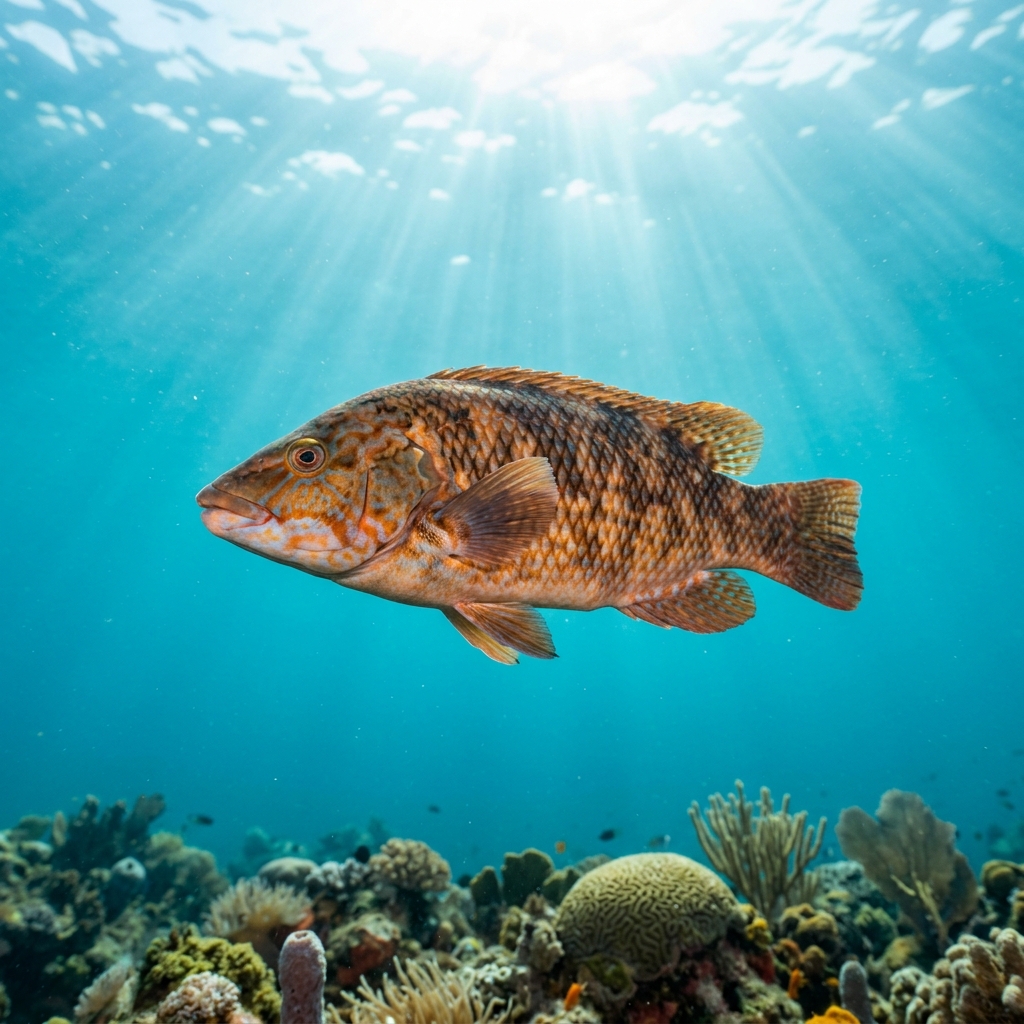
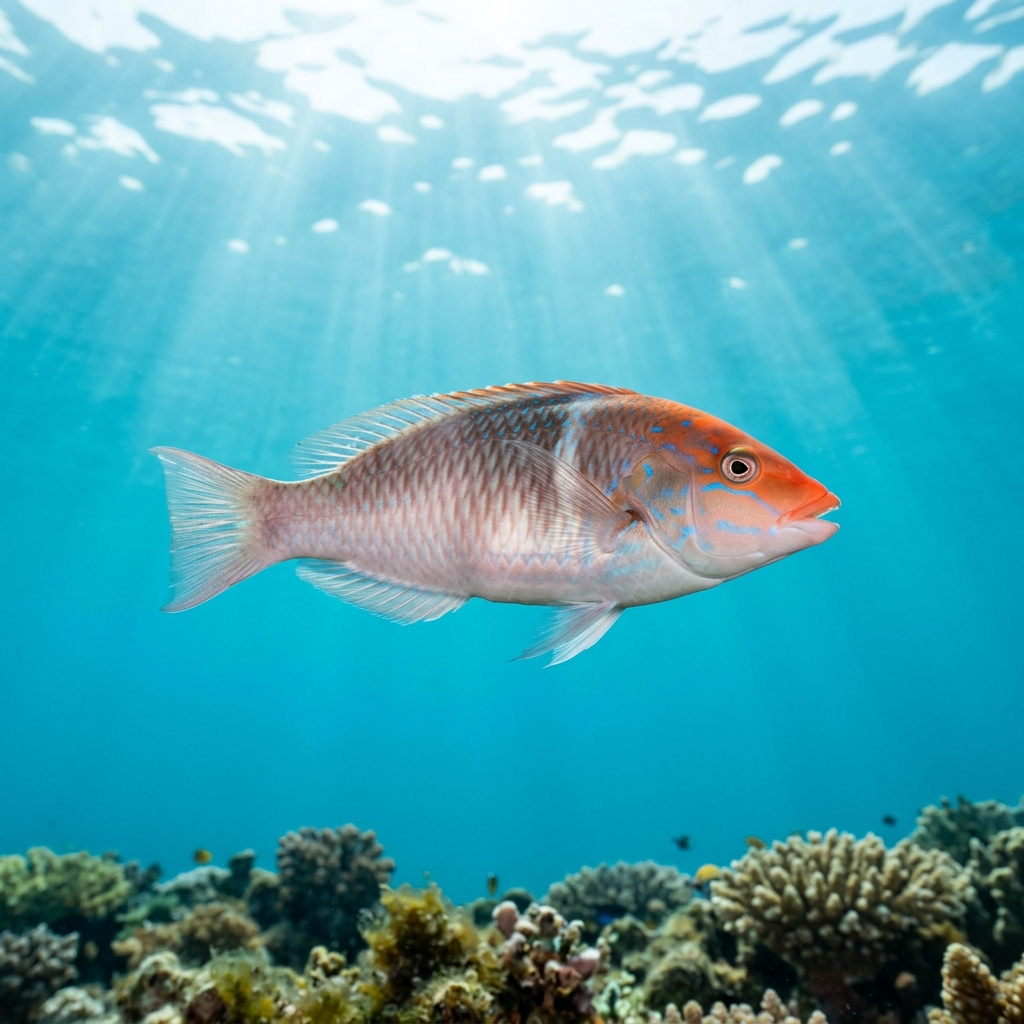
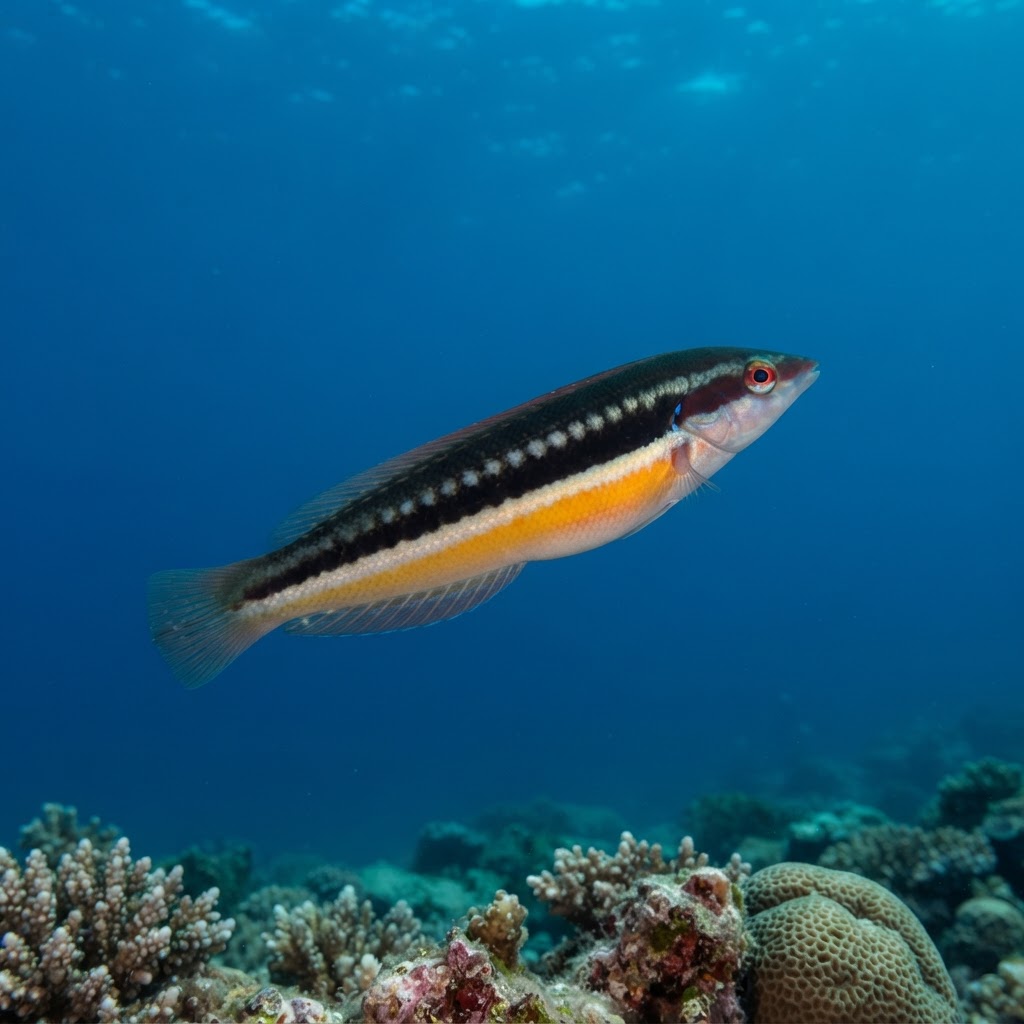
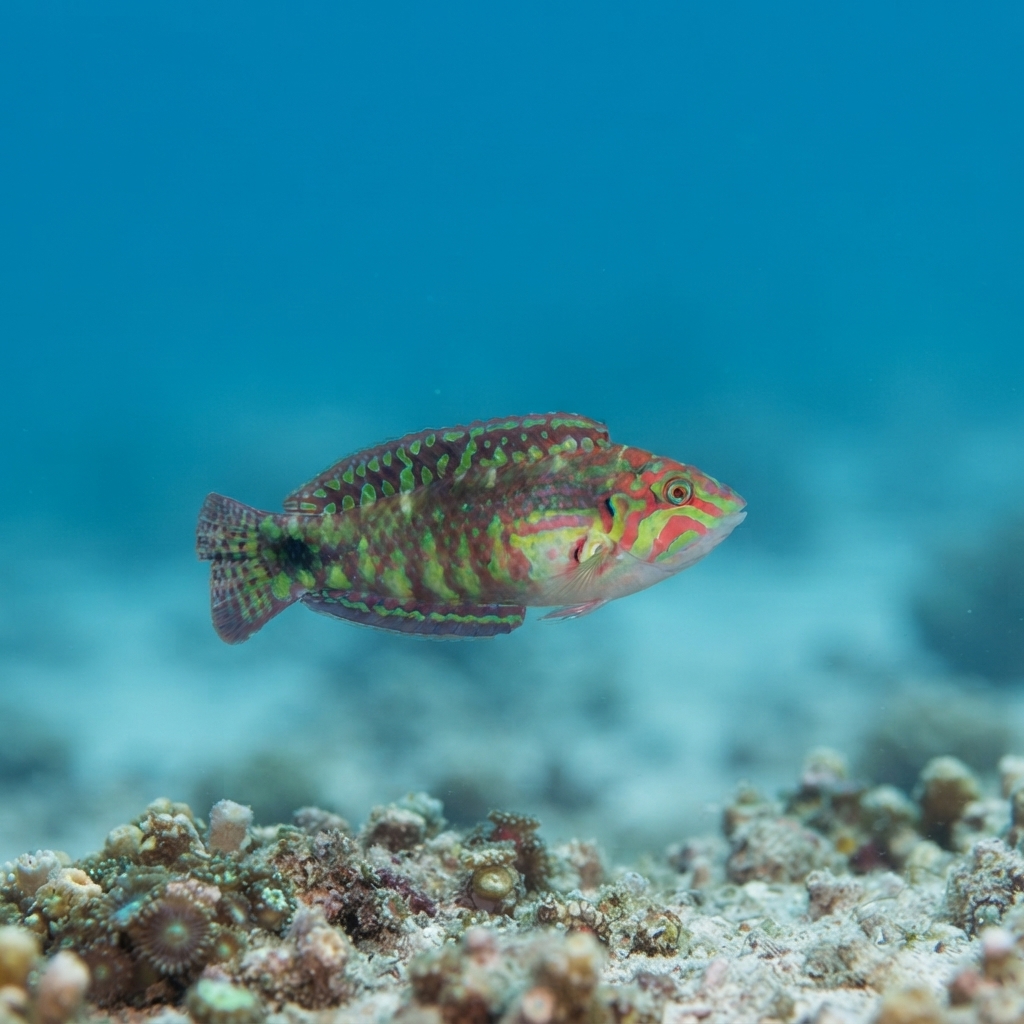
A small, slender wrasse topping out around 8 cm, with a mottled, cloudy pattern of brown, tan and cream blotches that gives it a smoky, indistinct look rather than bold stripes. It swims with the quick, darting wrasse motion low over the reef, and its modest size and blurred markings are the main tell against bigger, sharper-patterned reef wrasses.
Look for it picking over rubble and reef margins in shallow to mid depths, hunting small invertebrates rather than schooling in open water. It is a wary, low-profile fish that tends to keep some distance from divers rather than approach, so slow, quiet reef swims give the best chance of a clear look. Most logs describe it as uncommon rather than common, so patience over a few dives at the same site pays off more than one quick pass.
Like many small wrasses in Halichoeres, it likely buries itself in sand at night and when startled, a defence trick worth watching for if you spot one dart suddenly off the reef.
No clear seasonal pattern shows up in the sightings, and it sits comfortably in 24.7 to 29C water, so it is a year-round find on the reefs where it occurs.
Most reliably logged in the Inner Islands of Seychelles, which accounts for the bulk of sightings, with further reliable populations in the Central Atolls of the Maldives and around Hikkaduwa in Sri Lanka. Divers also log it regularly in New South Wales in Australia, at Xiaoliuqiu in Taiwan, Peleliu in Palau and around Dili in Timor-Leste.
Mapping where Nebulous Wrasse is logged…
The strongest sightings come from the Inner Islands of Seychelles, with further reliable spots in the Maldives' Central Atolls, Hikkaduwa in Sri Lanka, and New South Wales in Australia.
There is no strong season in the sighting data, and it tolerates a warm 24.7 to 29C range, so it turns up year-round wherever it lives.
Look for a small wrasse around 8 cm with a cloudy, mottled brown and cream pattern rather than sharp bands or stripes. It moves in quick darts low over reef rubble and sand patches rather than schooling in open water.
They stay small, typically around 8 cm long, making them one of the more modest members of the wrasse family on the reef.
No. They pose no threat to divers and simply go about hunting small invertebrates over the reef, usually keeping their distance from people.
It is usually logged as uncommon rather than common or rare, so you might spot one on a given dive but should not expect a guaranteed sighting.
Site and sighting data is aggregated from diver logs, iNaturalist and GBIF. For taxonomy and conservation status:
Bird Wrasse
3,632 sites