Ecsenius namiyei
Dark-bodied reef blenny most reliably spotted in Raja Ampat, Indonesia, on warm 26-29C reefs year-round.
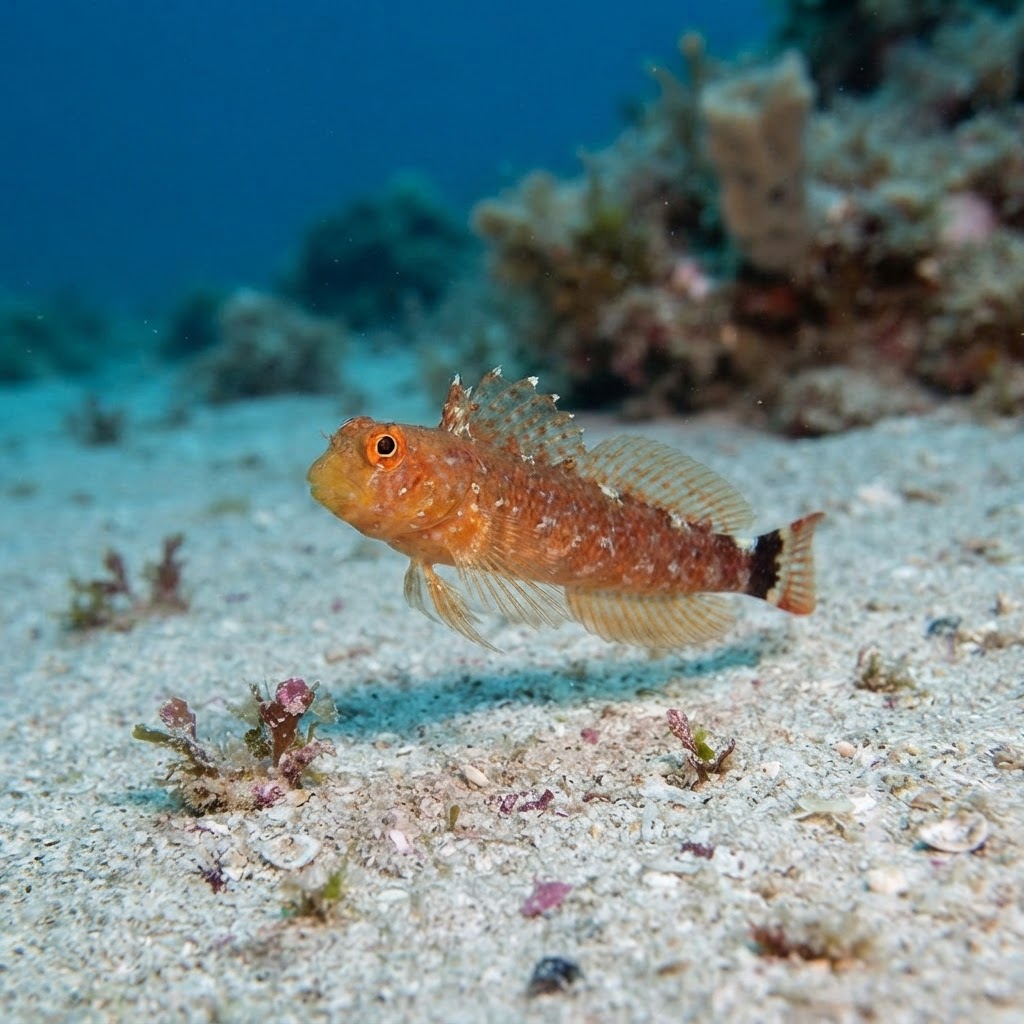
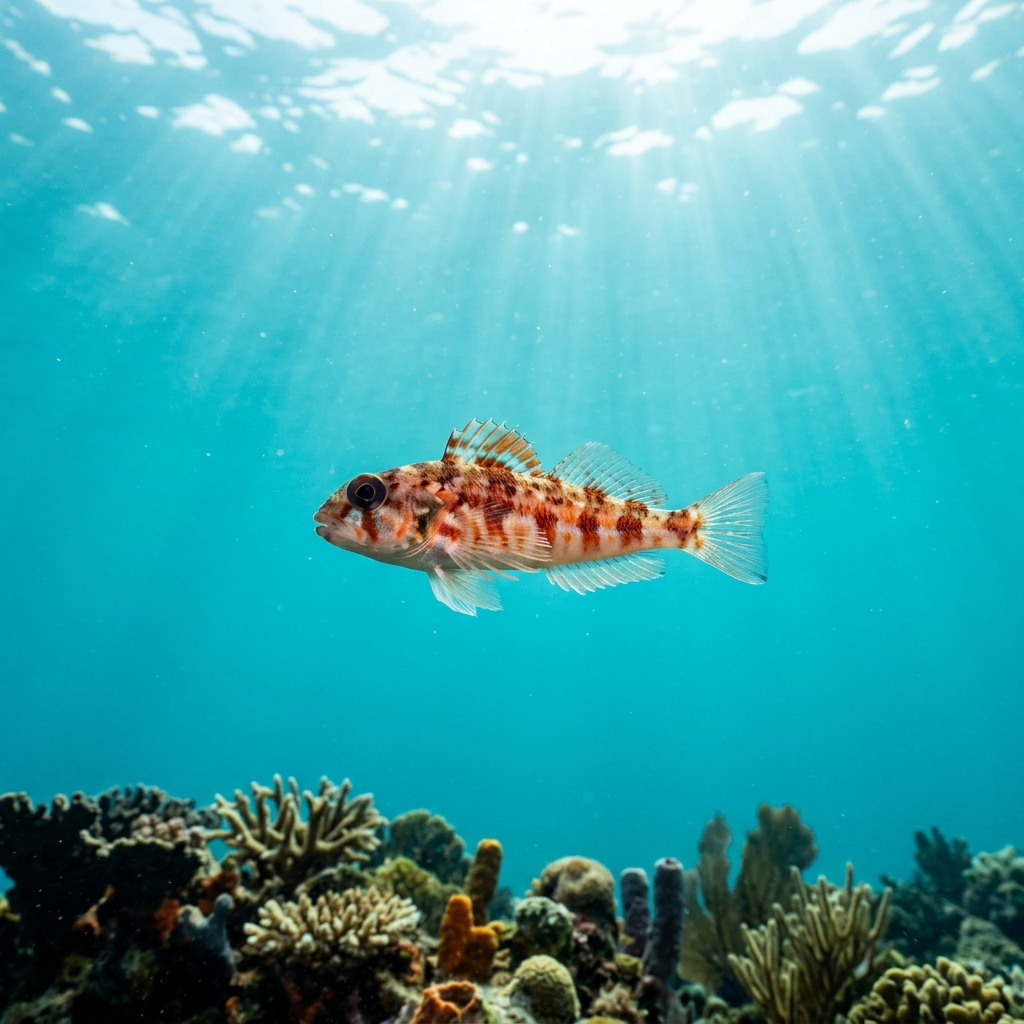
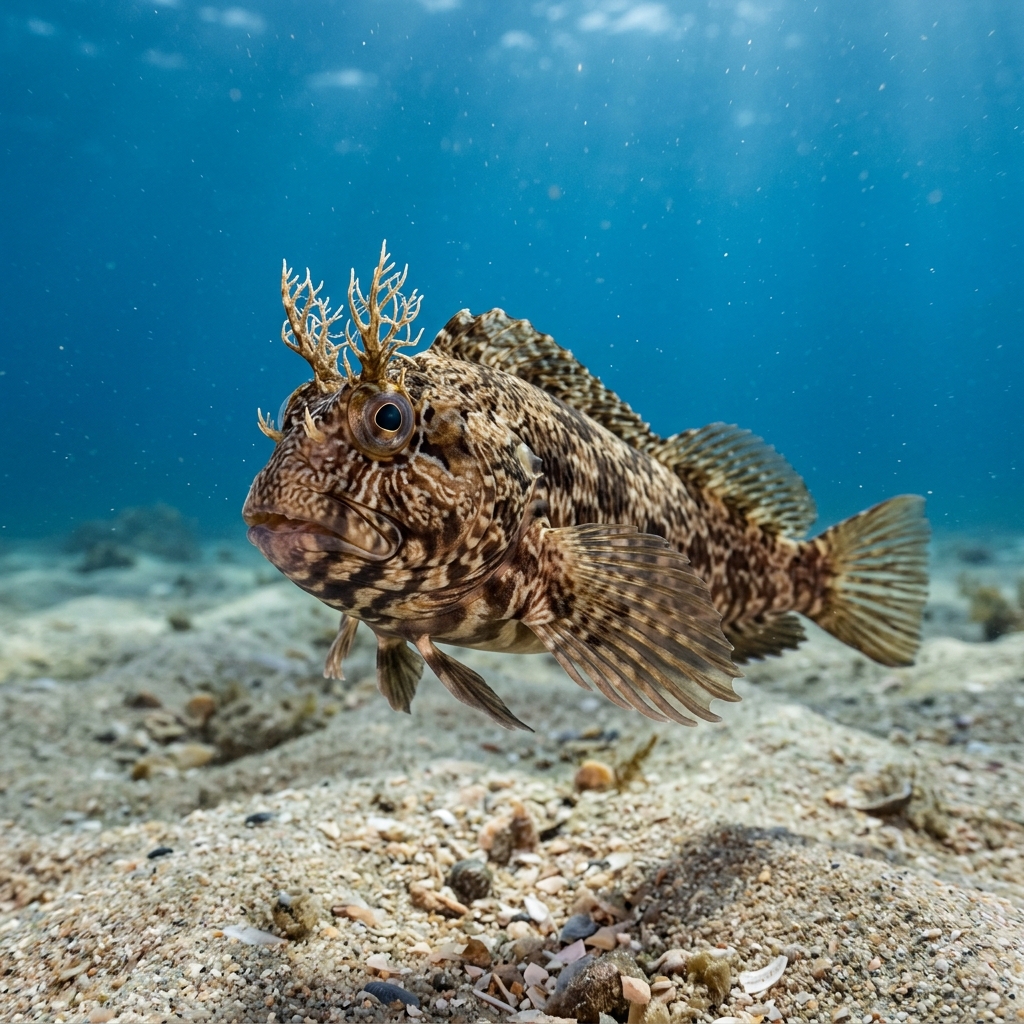
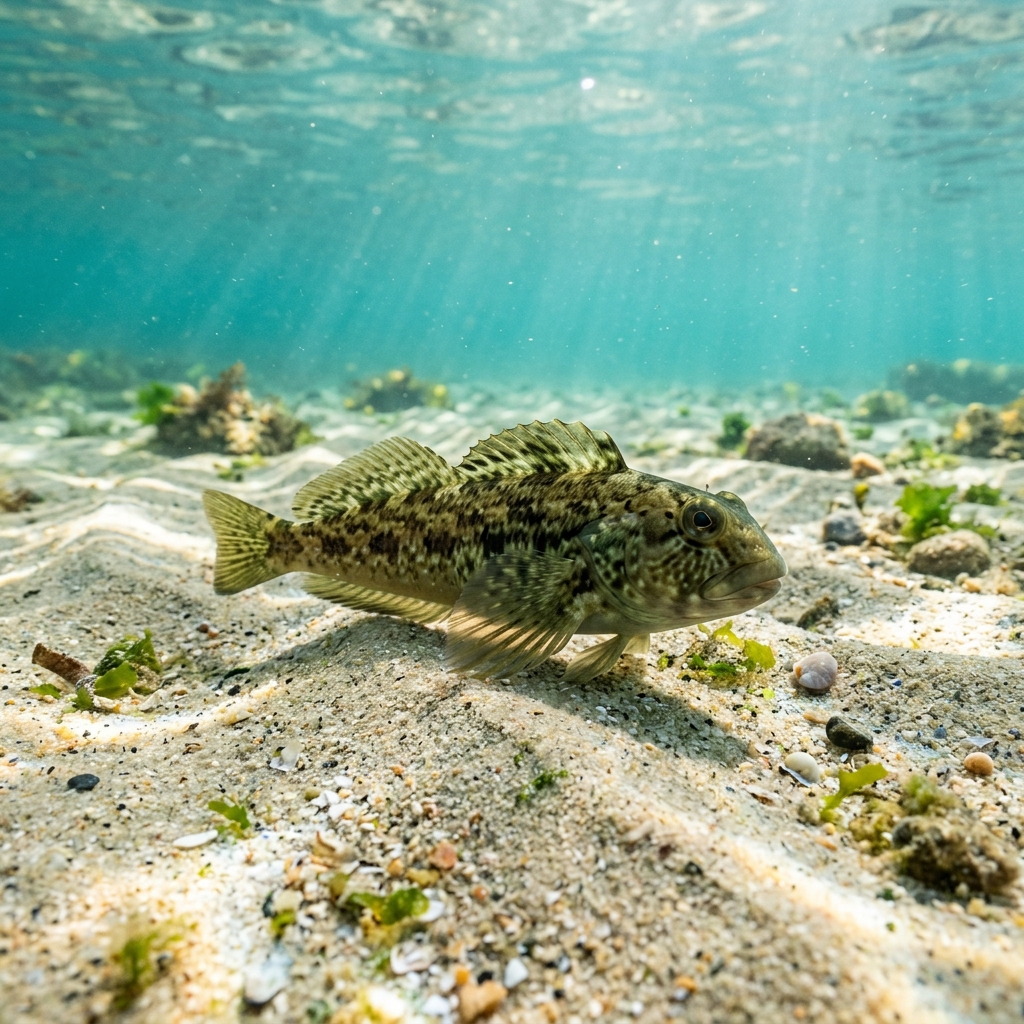
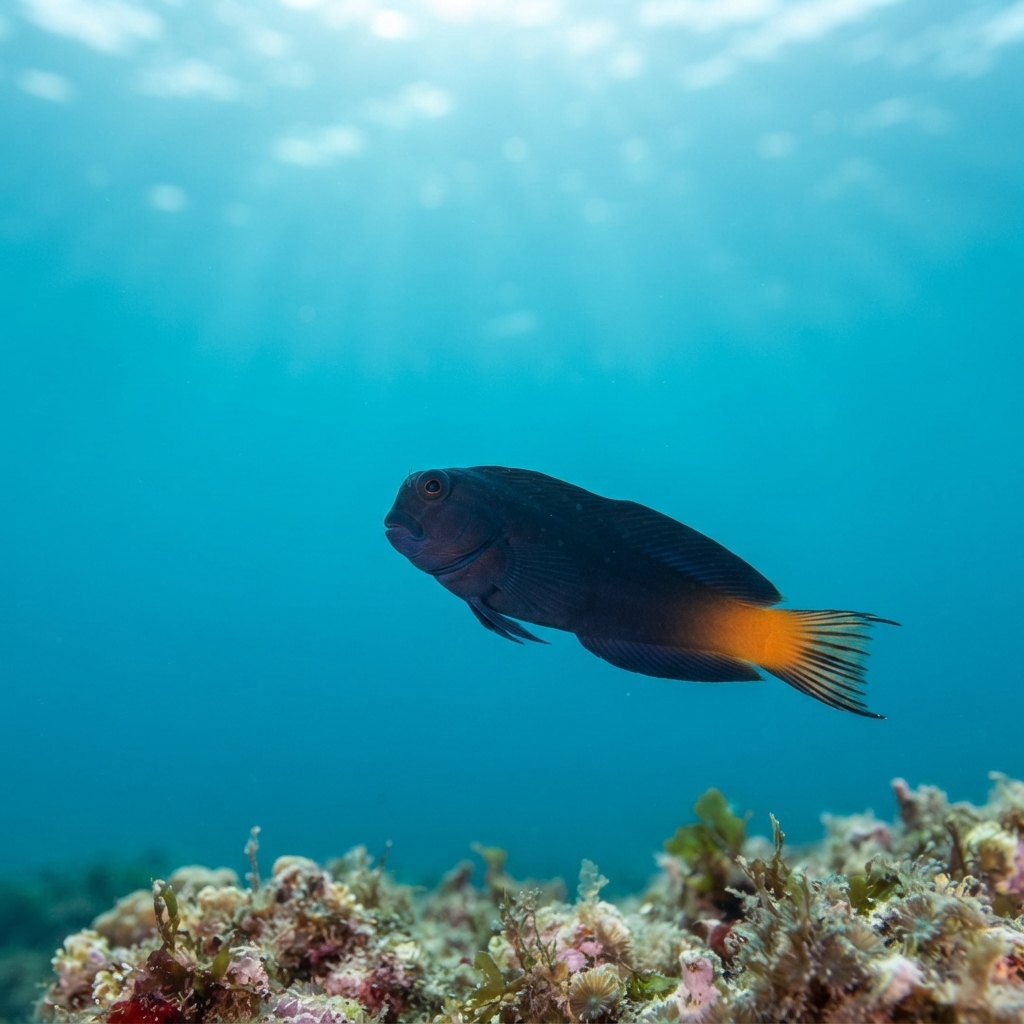
A small, elongated fish around 8 cm, usually dark brown to blackish overall with a subtle iridescent blue-green sheen along the body that shows when light hits it right. Like other combtooth blennies it rests propped on its pectoral fins on rock or coral rubble rather than swimming in open water, and has a blunt head with close-set eyes high on the skull. There's no strong pattern to key on, so body shape, posture, and that dark, faintly glossy colouring are the main clues.
Spends most of its time perched motionless on coral rubble or rocky substrate, darting for cover into a crevice the moment it feels threatened rather than fleeing across open reef. Divers usually spot one by scanning low, broken ground on a slow pass rather than by seeing it move first. It holds still long enough for a photo if you approach gradually and don't cast a shadow directly over it.
Combtooth blennies like this one get their name from a row of fine, comb-like teeth used to graze algae and detritus off rock and rubble surfaces, a feeding style that keeps them tied to the substrate rather than out in the water column.
No clear seasonal pattern shows up in the sighting data, and with a comfortable range of 26.3 to 29.3C it's a year-round resident of these tropical reefs rather than a seasonal visitor.
Reef neighbours a diver could mistake it for. Use the identification notes above to tell them apart.
Most consistently logged in Raja Ampat, Indonesia, which accounts for the bulk of recorded sightings, with further records from Sulawesi in Indonesia, Sabah in Malaysia, and Longdong in Taiwan. It turns up as an uncommon find at most sites where it's seen, though a handful of spots in Raja Ampat report it more reliably.
Mapping where Namiye's Combtooth Blenny is logged…
Raja Ampat in Indonesia is by far the most reliable region, with additional sightings from Sulawesi in Indonesia, Sabah in Malaysia, and Longdong in Taiwan.
There's no strong season in the sighting data. It lives on reefs that sit between 26.3 and 29.3C year-round, so any time of year works.
Look for a small, dark, elongated fish around 8 cm perched on rubble or rock, with a faint blue-green sheen and no bold pattern. Its resting posture on the substrate, rather than swimming, is the biggest giveaway.
They stay small, typically around 8 cm long, which is typical for combtooth blennies.
They use a row of fine, comb-shaped teeth to graze algae and detritus directly off rock and rubble surfaces, which keeps them anchored close to the reef floor rather than out in open water.
Site and sighting data is aggregated from diver logs, iNaturalist and GBIF. For taxonomy and conservation status:
Rusty Blenny
2,605 sites