Hypsoblennius jenkinsi
Small, mottled and easy to miss: find out where to spot the Mussel Blenny on California reefs and pilings, year-round in 15-24C water.
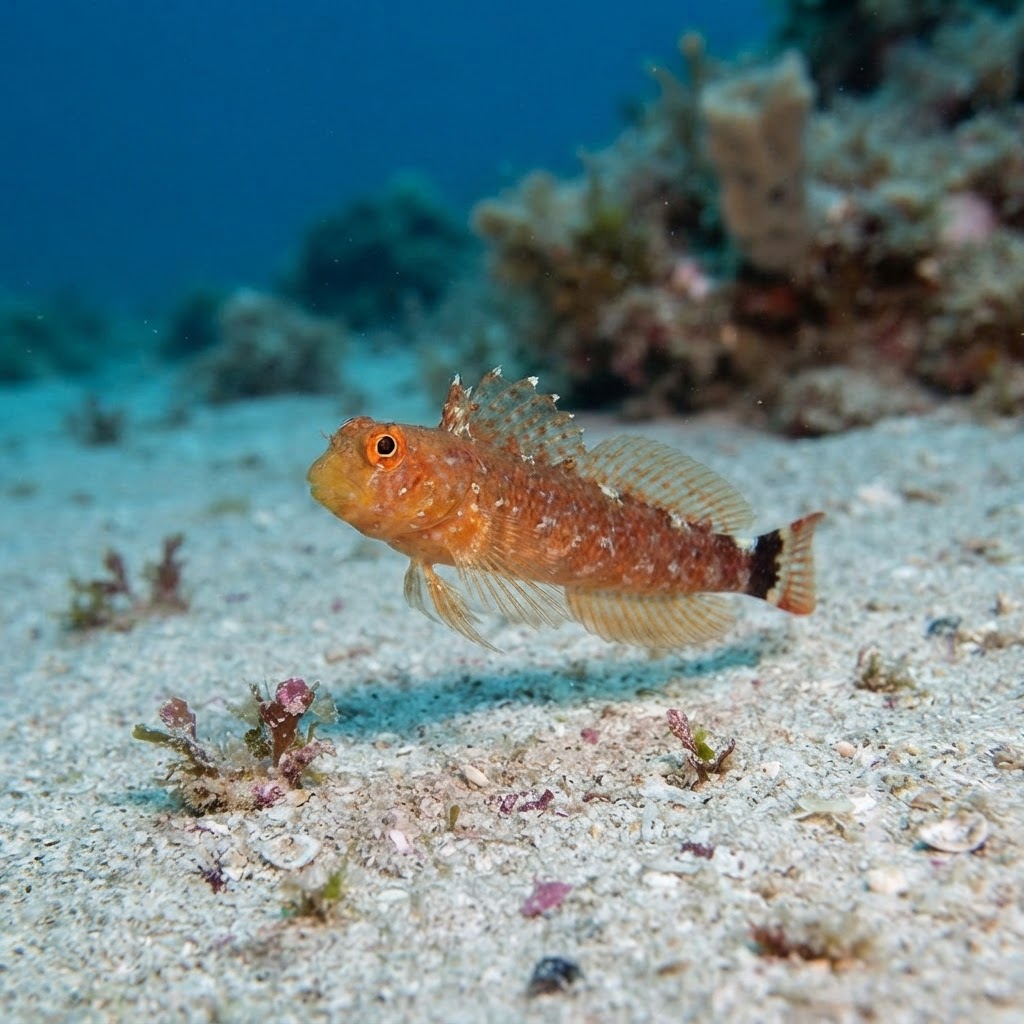
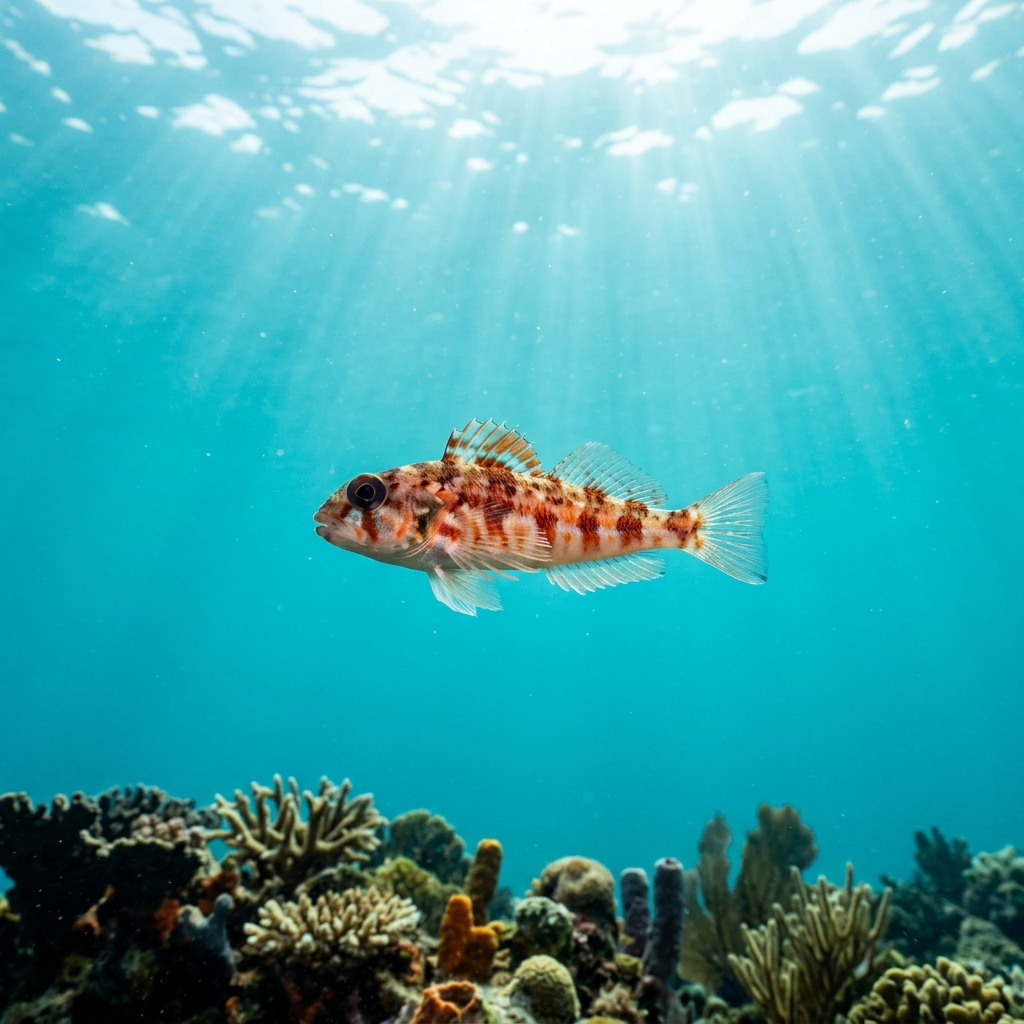
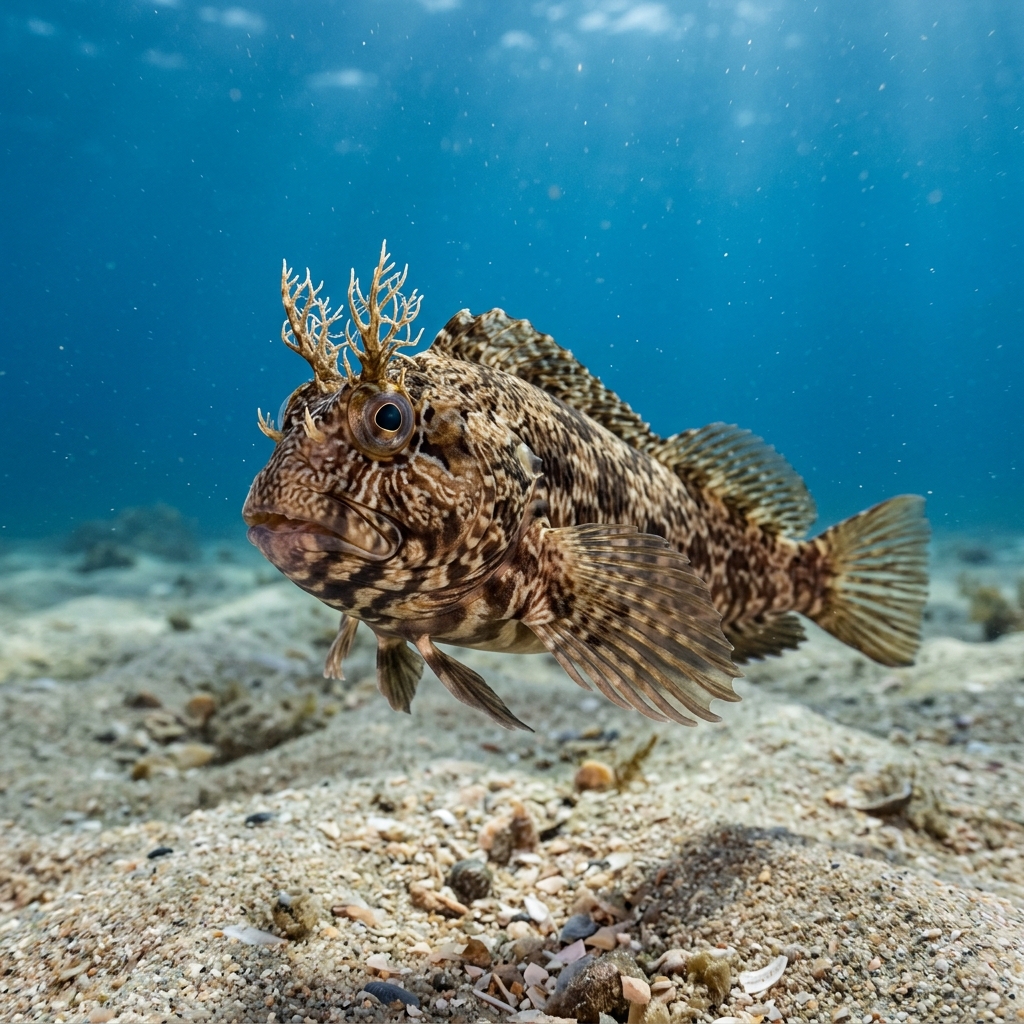
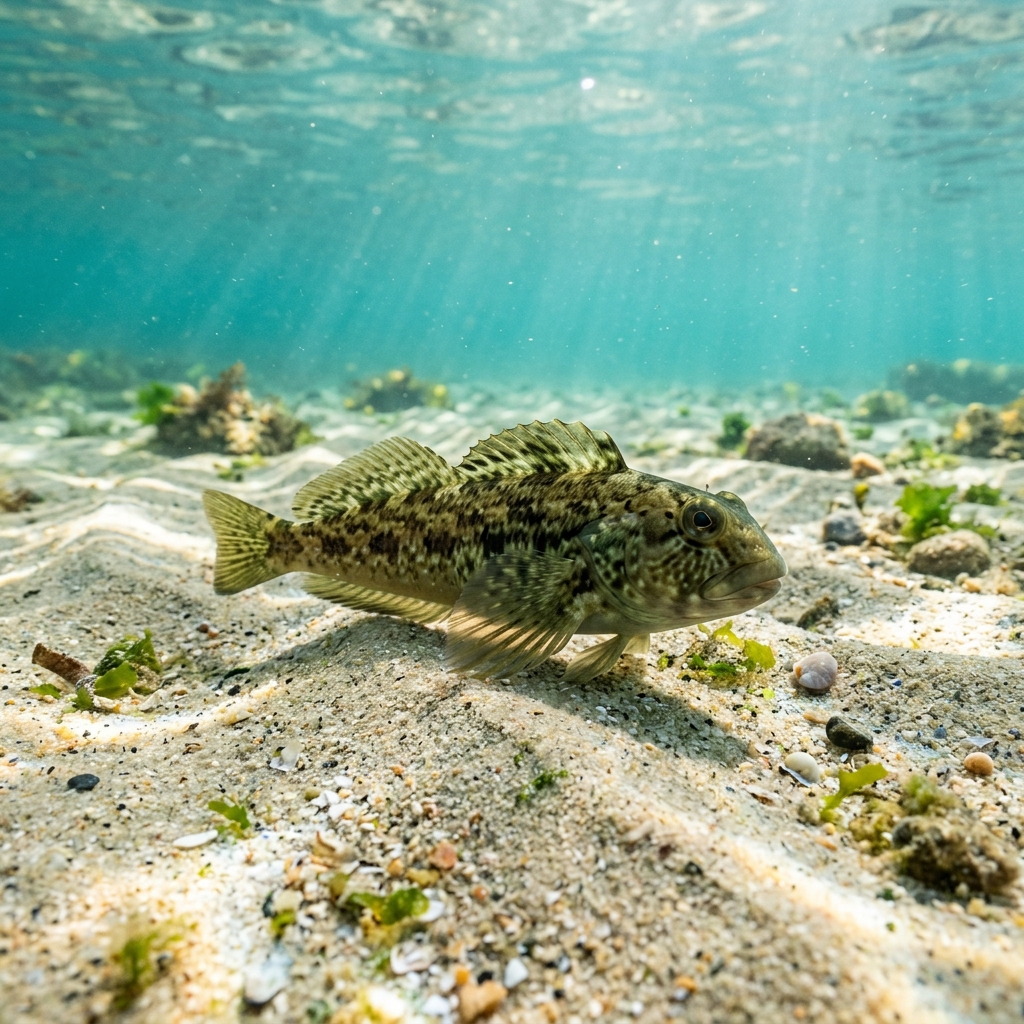
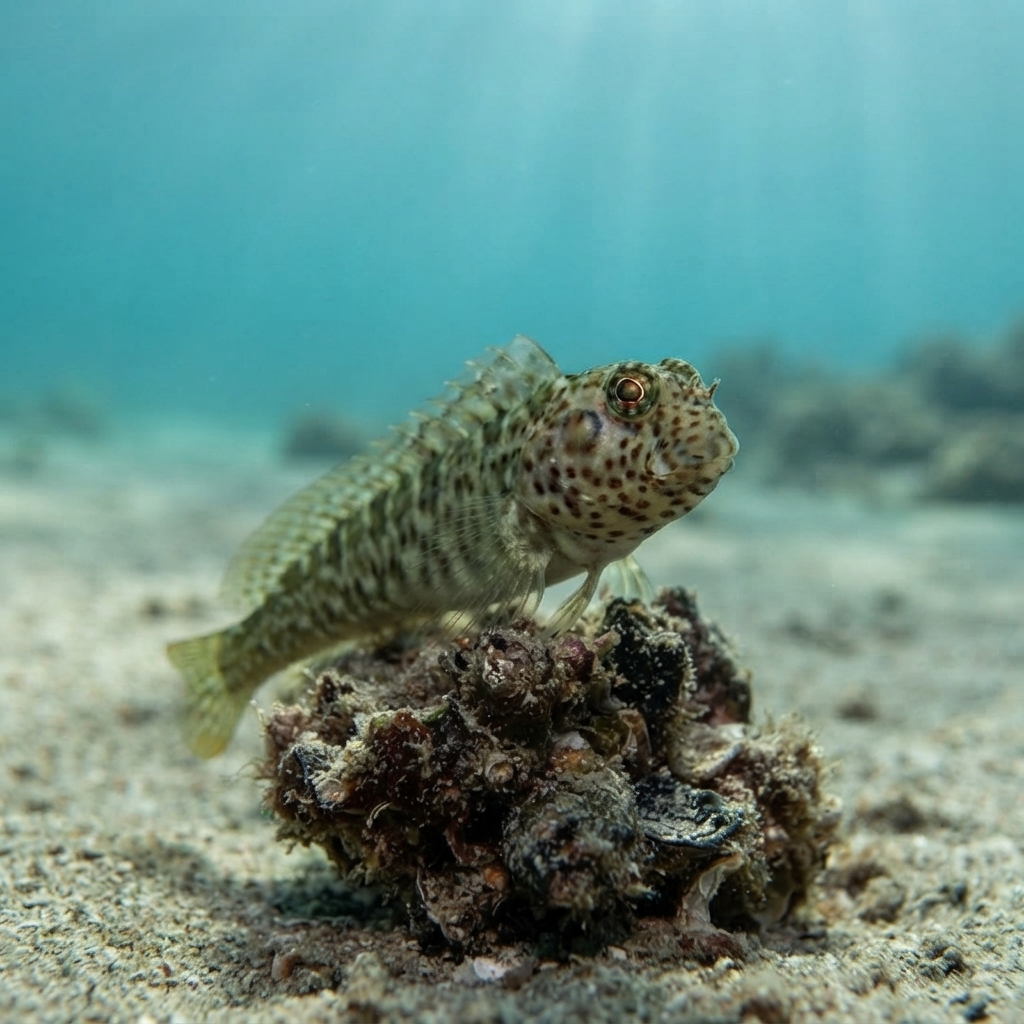
A stubby little fish under 10 cm, mottled brown and grey with faint blotchy bars that make it disappear against rock and shell. Look for a blunt head, a pair of small cirri (fleshy tufts) above the eyes, and a habit of perching motionless in a crevice or empty mussel shell rather than swimming in open water. The tapering body and single long dorsal fin are typical blenny shape, but the camouflage pattern is the real giveaway.
Expect to find it wedged into a rock crevice, worm hole or old mussel shell, barely moving except to dart back if you get too close. It is a bottom-dweller (demersal) that relies on camouflage rather than fleeing, so slow, patient divers scanning rubble and encrusted structure tend to spot it first. Most sightings are on shallow to mid-depth reef and harbour structure rather than open water.
Like other Hypsoblennius species, it nests inside empty shells or crevices, using the same kind of cavity divers might mistake it for hiding in rather than living in permanently.
Sightings show no clear seasonal pattern, and the species turns up across a broad 14.9-24.3C range, so it is fair game on any dive along the California coast throughout the year.
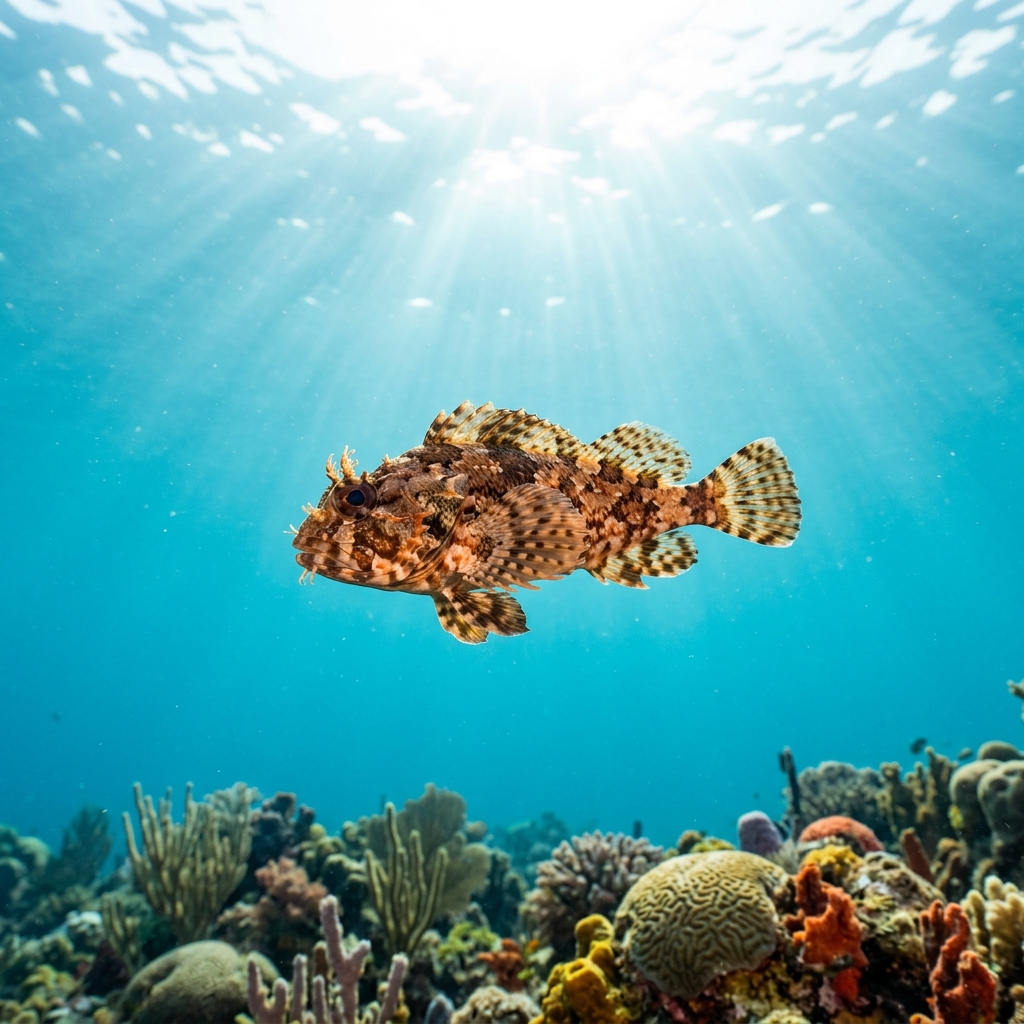
Reef neighbours a diver could mistake it for. Use the identification notes above to tell them apart.
Every logged sighting so far comes from California, USA, making it a reliably Californian find rather than a wide-ranging tropical species. Divers photographing rocky reefs, jetties and pilings around the state's coast have the best shot at spotting one tucked into a hole or shell.
Mapping where Mussel Blenny is logged…
Almost all confirmed sightings are from California, particularly along rocky reef and pier structure. It is not reported as a common find outside this region.
There is no strong seasonal pattern in sightings, and it tolerates a wide temperature range from about 15 to 24C, so it can be spotted on Californian dives at any time of year.
Look for a small, mottled brown fish under 10 cm perched still in a rocky crevice or empty shell, with tiny fleshy tufts above the eyes and a blotchy camouflage pattern rather than bold colour.
They stay small, typically around 9 cm long, which along with their camouflage makes them easy to swim past unnoticed.
No. They are harmless, sedentary little fish that retreat into crevices rather than confront divers.
Site and sighting data is aggregated from diver logs, iNaturalist and GBIF. For taxonomy and conservation status:
Rusty Blenny
2,605 sites