Murphydoris adusta
A rare find on Mindanao's reefs, this small nudibranch turns up in warm 20-29.5C water year-round for sharp-eyed divers.
A small, soft-bodied nudibranch best spotted by scanning reef rubble and sponge patches closely rather than looking for it from a distance. Data on exact size and colour patterning is not well documented, so identification underwater relies heavily on comparing body shape and gill plume (the feathery breathing structure on the back) against similar goniodorid species nearby. Because confirmed sightings are rare, most divers who find one do so by accident while searching for something else on the same patch of reef.
Logged as a rare find even at its most productive sites, meaning divers typically encounter single individuals rather than groups, usually while doing slow, close-focus searches of the substrate. Like other goniodorid nudibranchs, it likely moves slowly over its feeding grounds and pays little attention to divers, tolerating close macro photography without fleeing.
Nudibranchs in the goniodorididae family are typically sponge feeders, and their slow, deliberate crawl across the reef surface is part of what makes them such reliable macro photography subjects once found.
Sightings show no detectable seasonal pattern, and the observed water temperature range of 20 to 29.5C spans both cooler and warm-water conditions on Philippine reefs, so it appears to be a year-round possibility rather than a seasonal one.
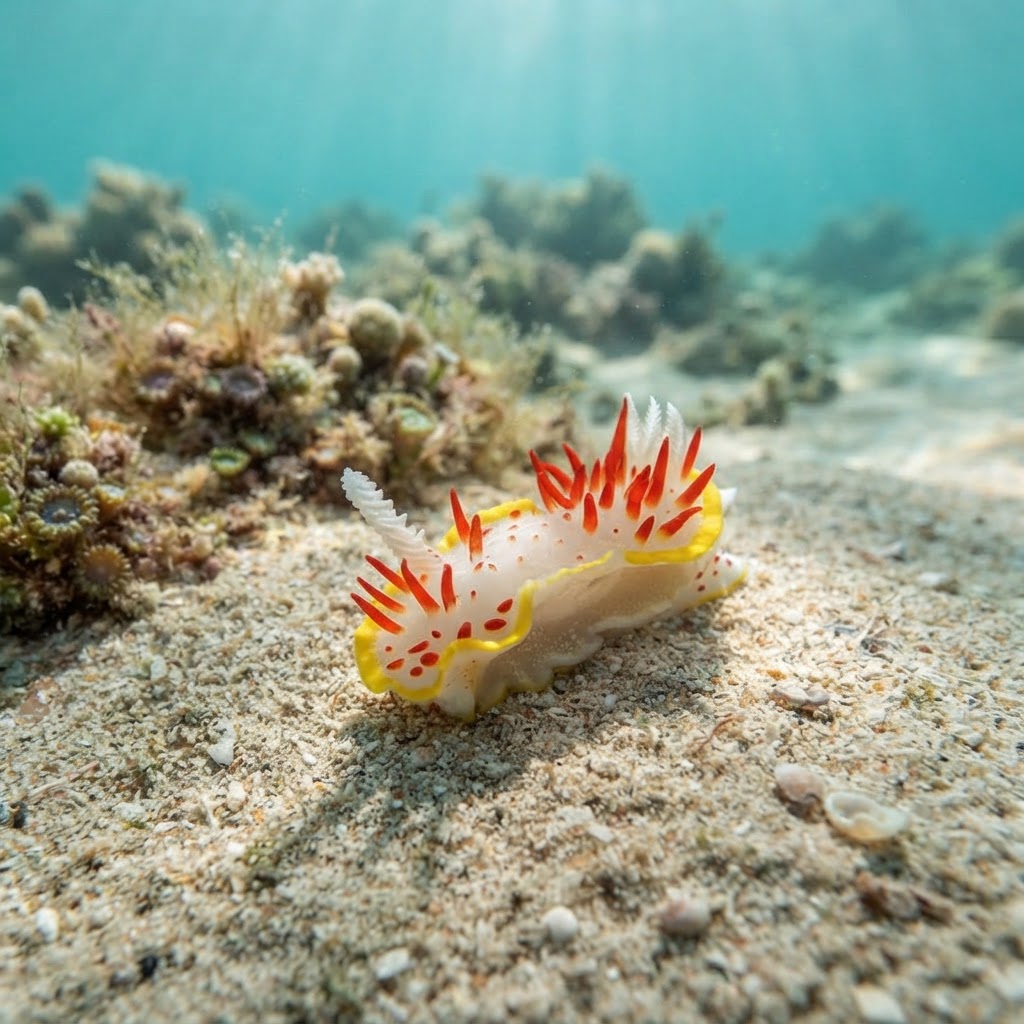
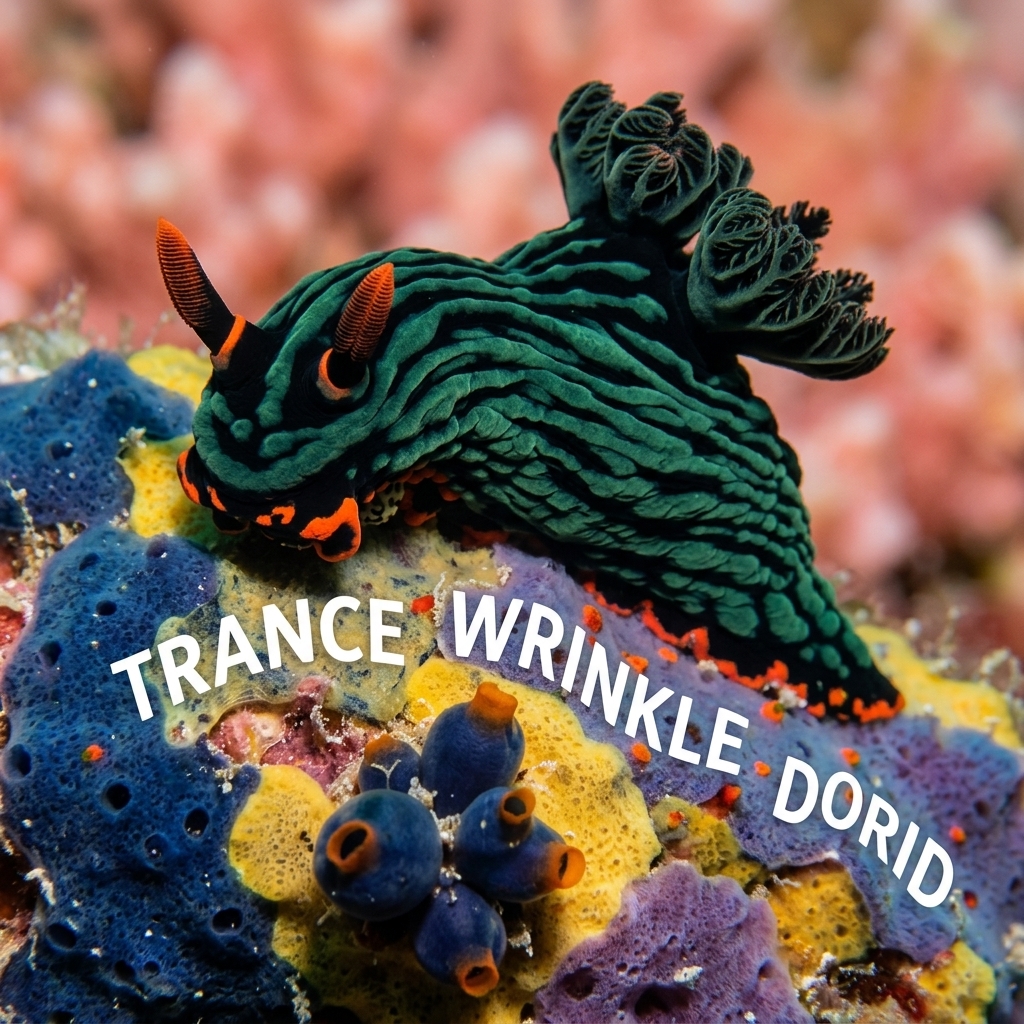
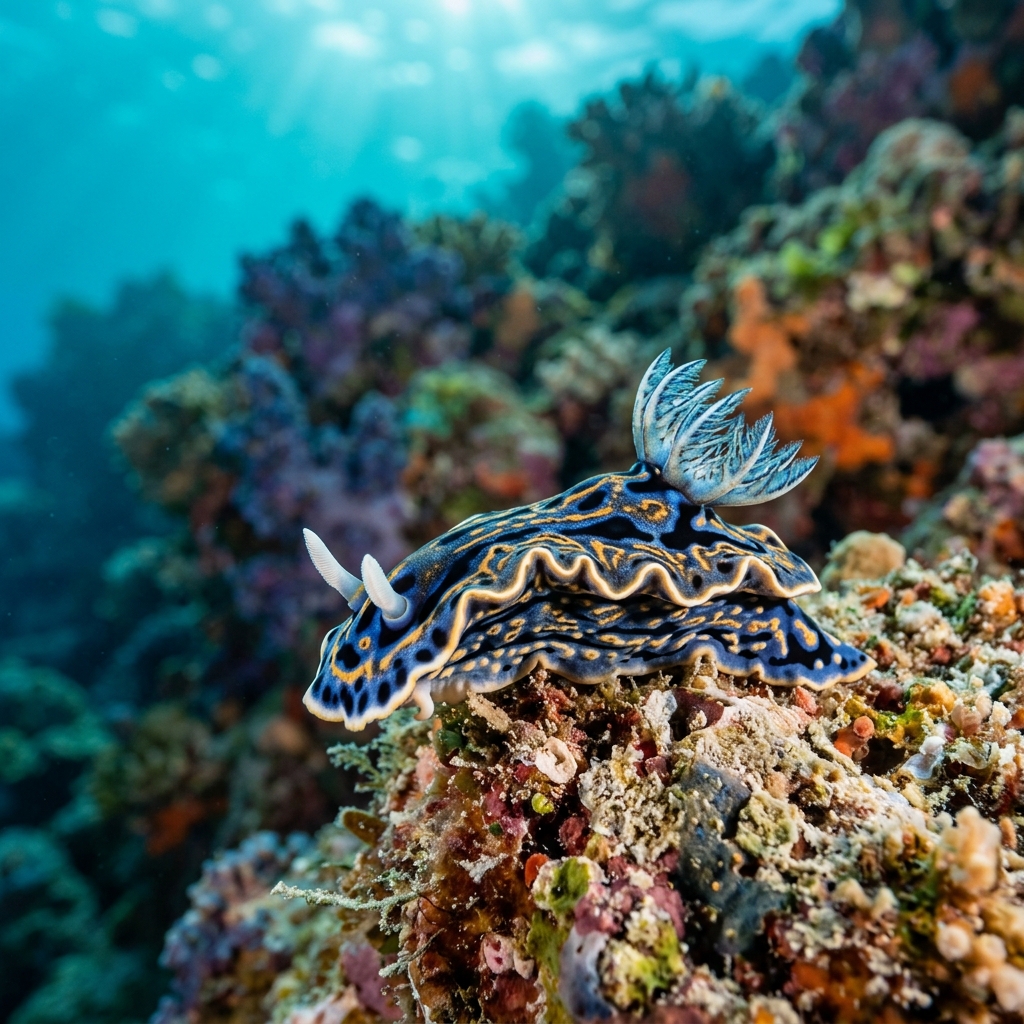
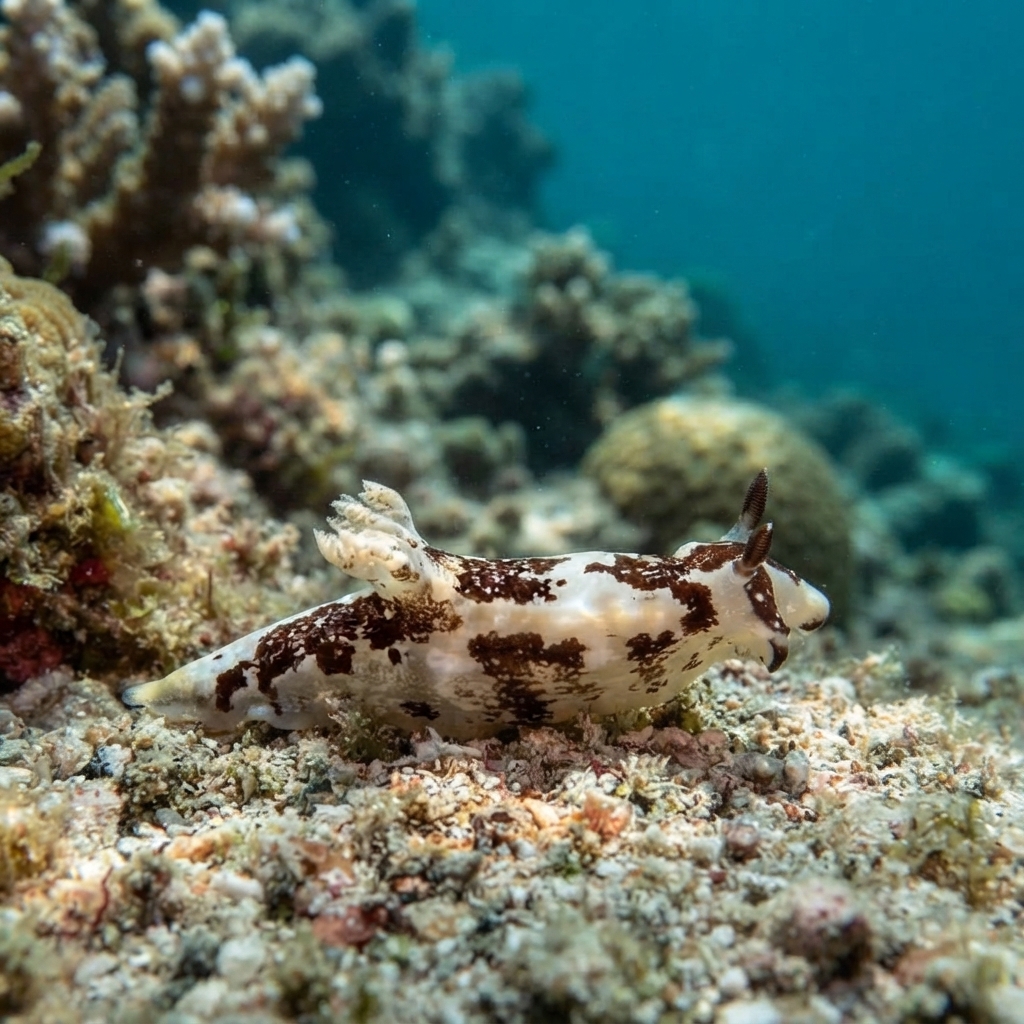
Reef neighbours a diver could mistake it for. Use the identification notes above to tell them apart.
Nearly every logged sighting comes from the Philippines, with Mindanao standing out as the strongest area and a single record from Luzon. If you are hunting for this species specifically, Mindanao's reefs are where divers have actually found it.
Mapping where Murphydoris adusta is logged…
Almost all confirmed sightings come from the Philippines, with Mindanao being by far the most productive region and a single record logged in Luzon.
There is no clear seasonal pattern in the sighting data, and it has been recorded across a wide temperature range of 20 to 29.5C, so it is best treated as a year-round possibility.
It is a small goniodorid nudibranch best confirmed by close comparison with similar species like the Trance Wrinkle Dorid, since detailed size and colour data are limited. Careful macro inspection of the gill plume and body shape is the most reliable approach underwater.
No, this species poses no danger to divers. Like most nudibranchs, it is a slow-moving, harmless reef grazer that can be observed and photographed safely at close range.
It is logged as rare at nearly every site where it has been found, with only one site reporting it as uncommon, so spotting one is a real highlight for macro-focused divers.
Site and sighting data is aggregated from diver logs, iNaturalist and GBIF. For taxonomy and conservation status:
Blue Dragon
3,163 sites