Clinocottus globiceps
Rare, mottled and easy to miss: find Mosshead Sculpin in the cold Pacific Northwest, water often 9-13C, year-round.
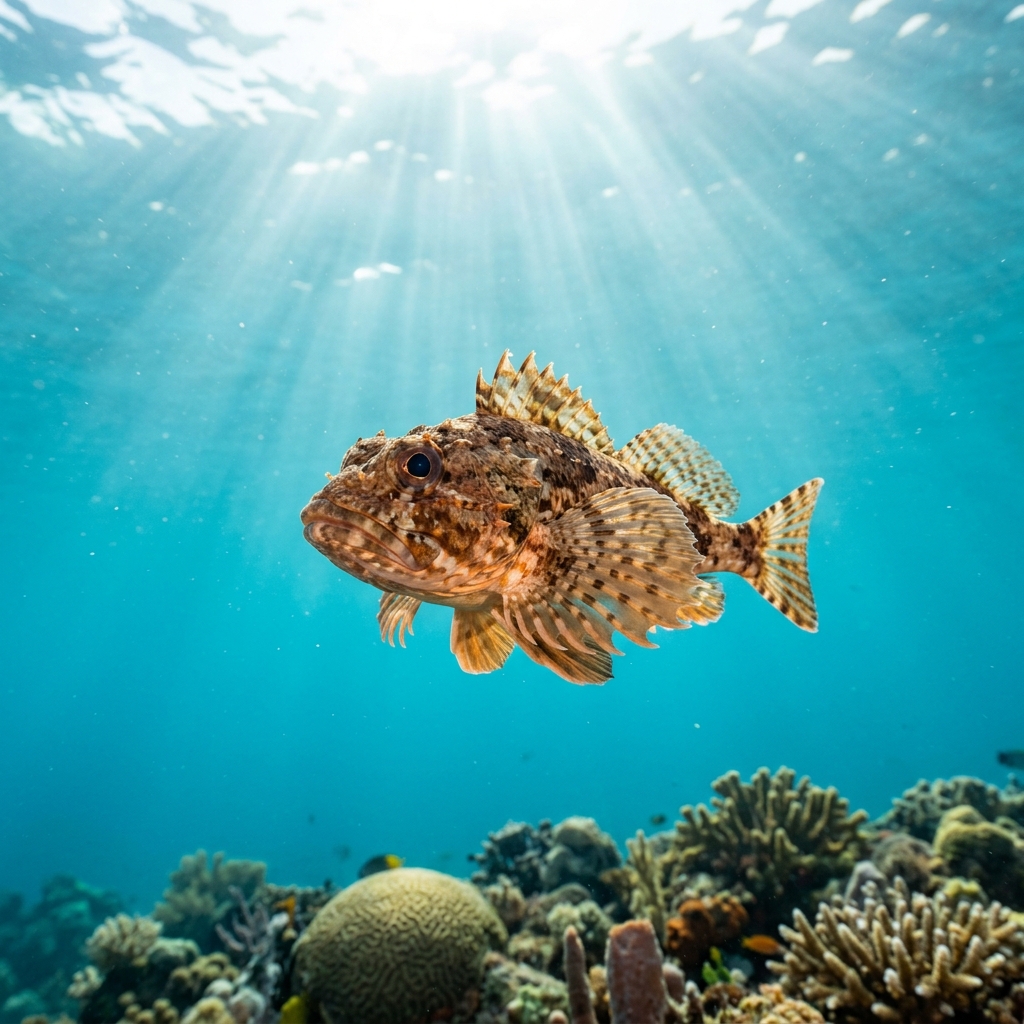
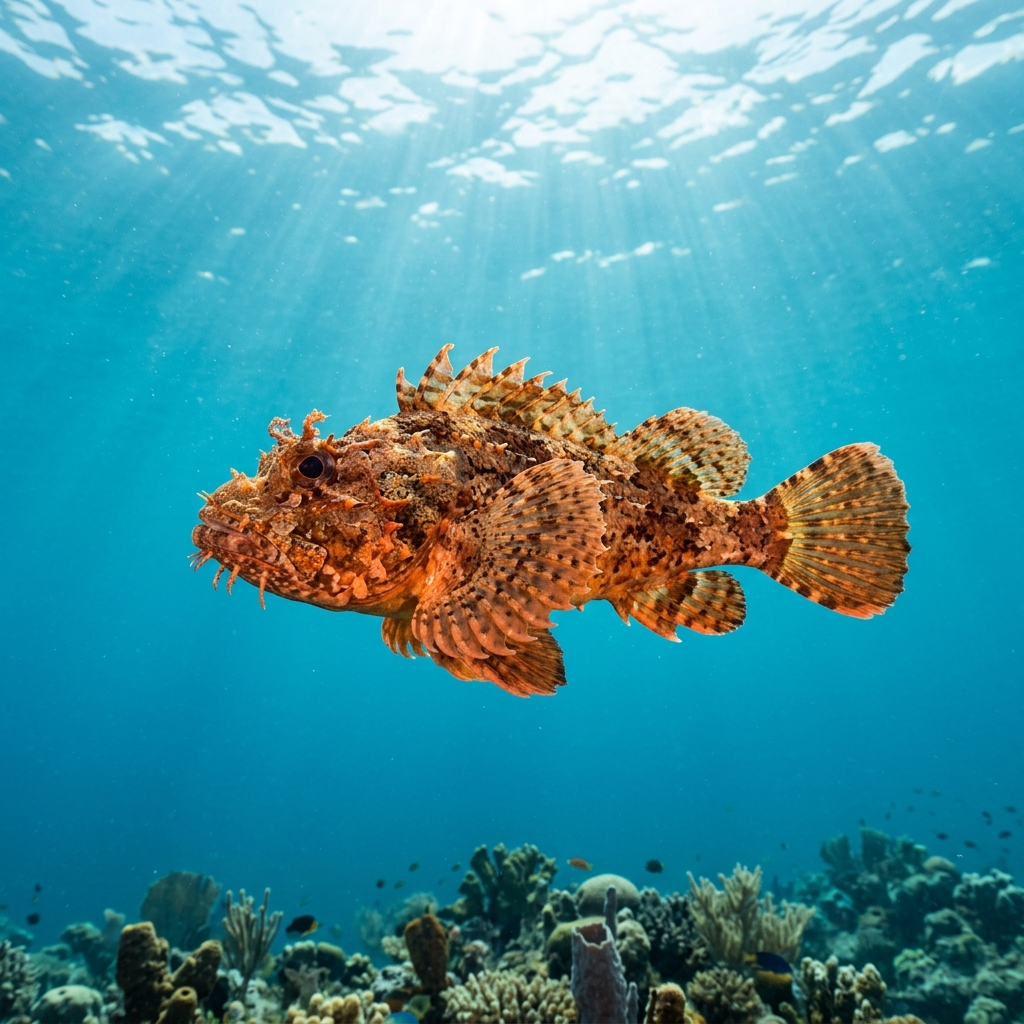
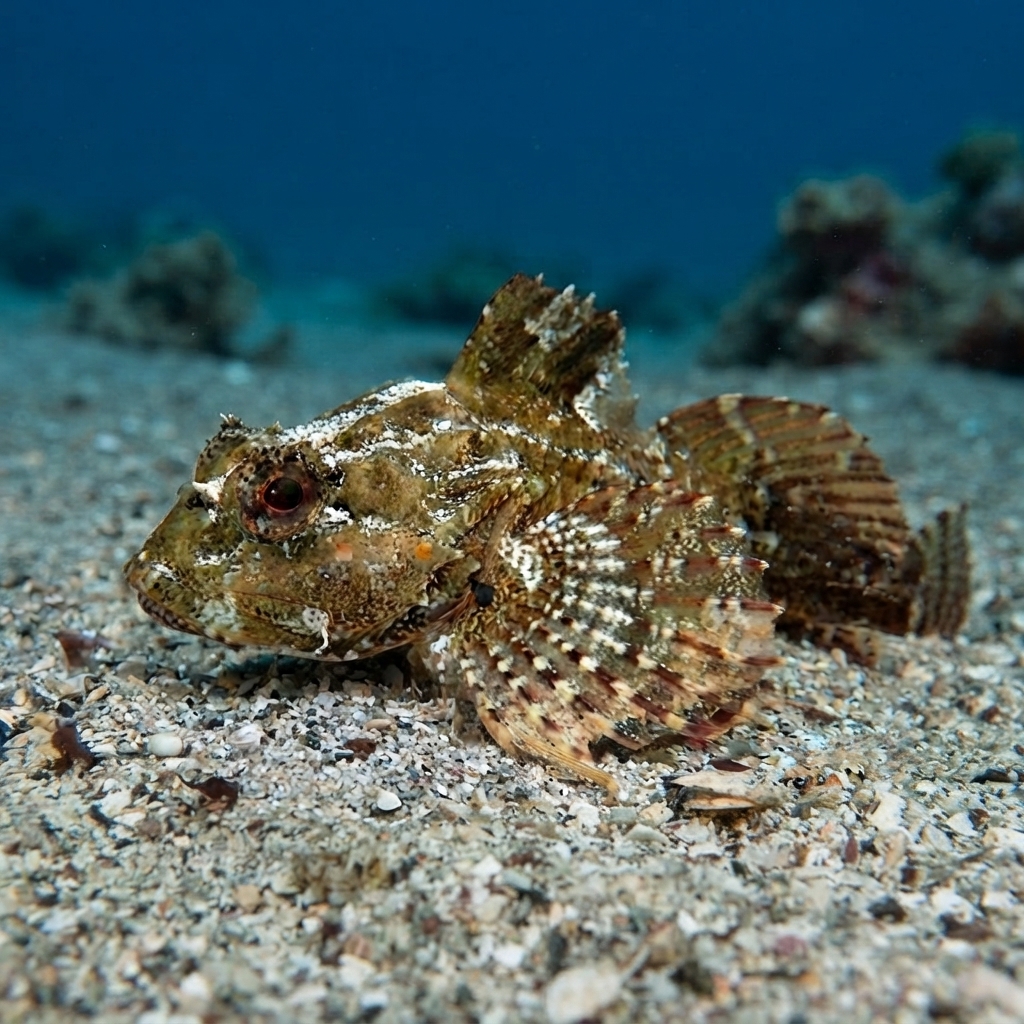
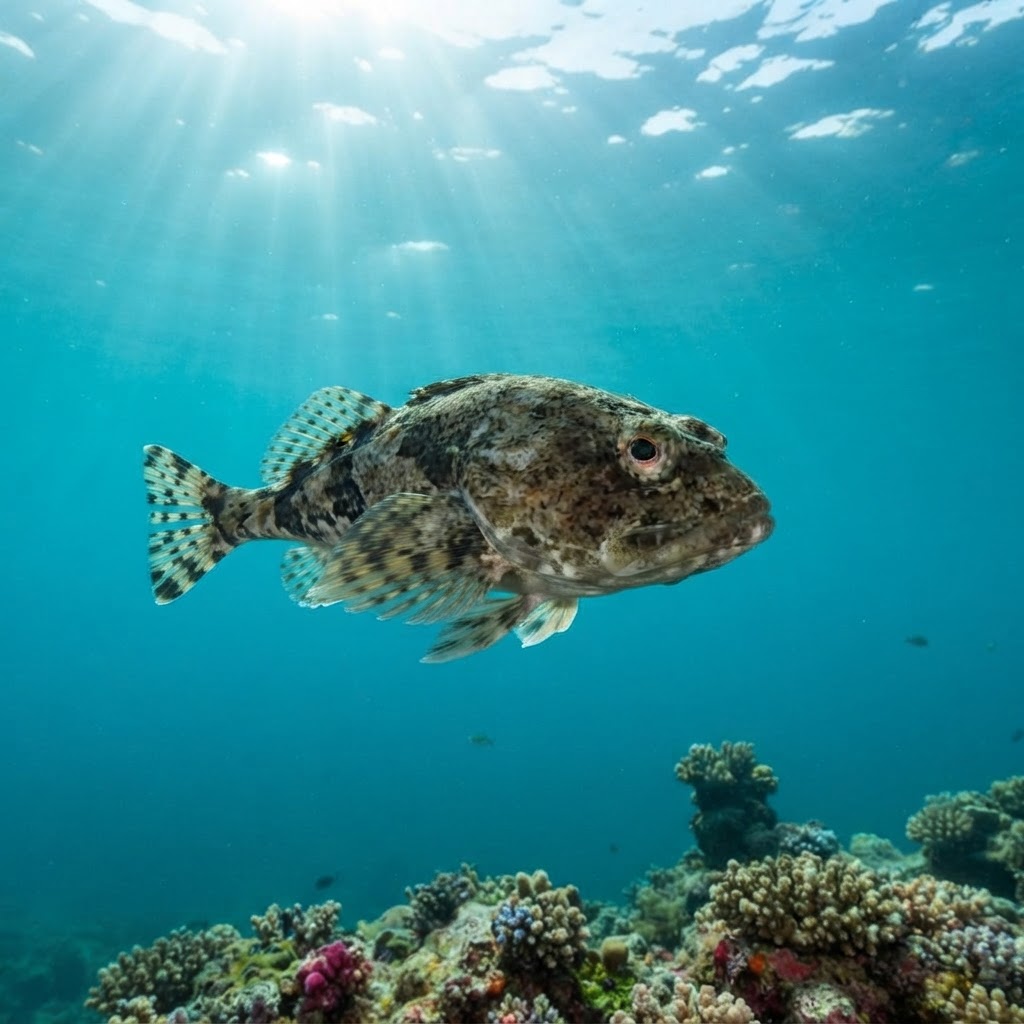
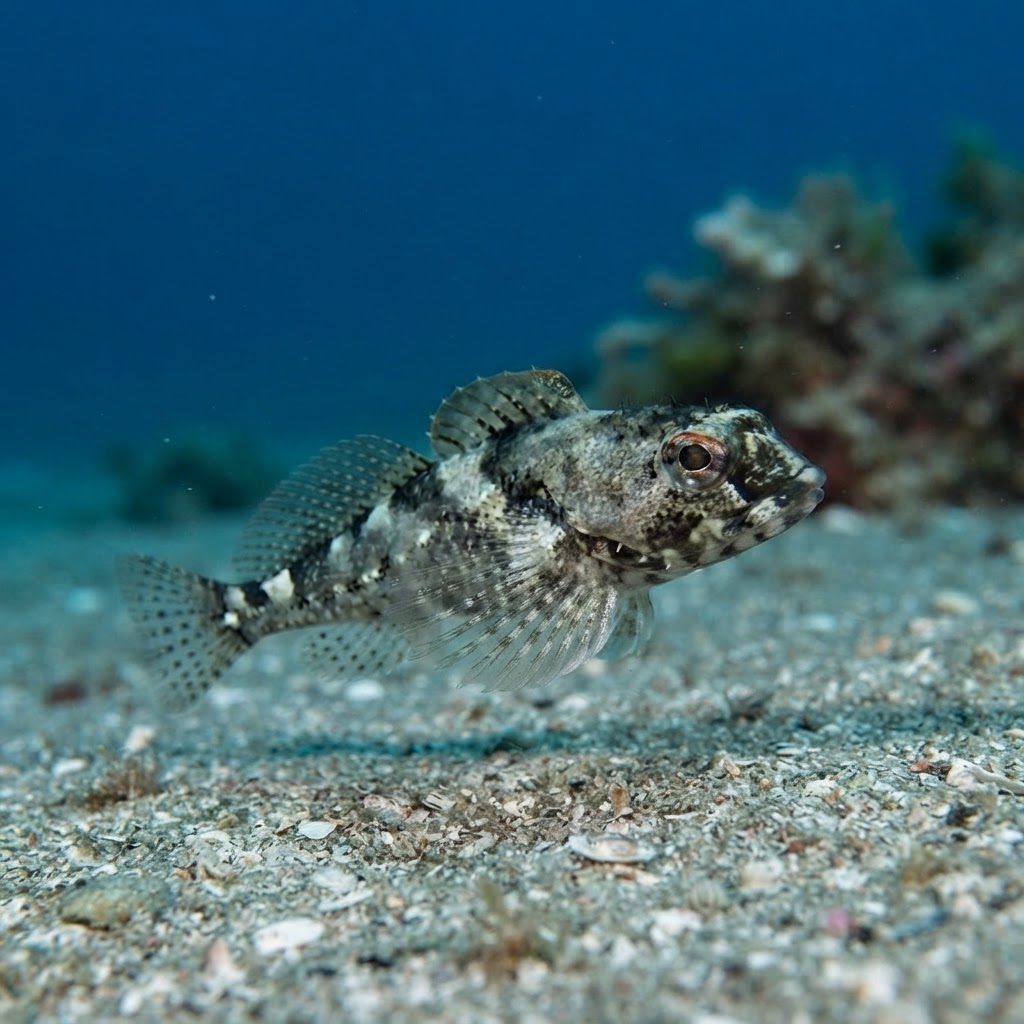
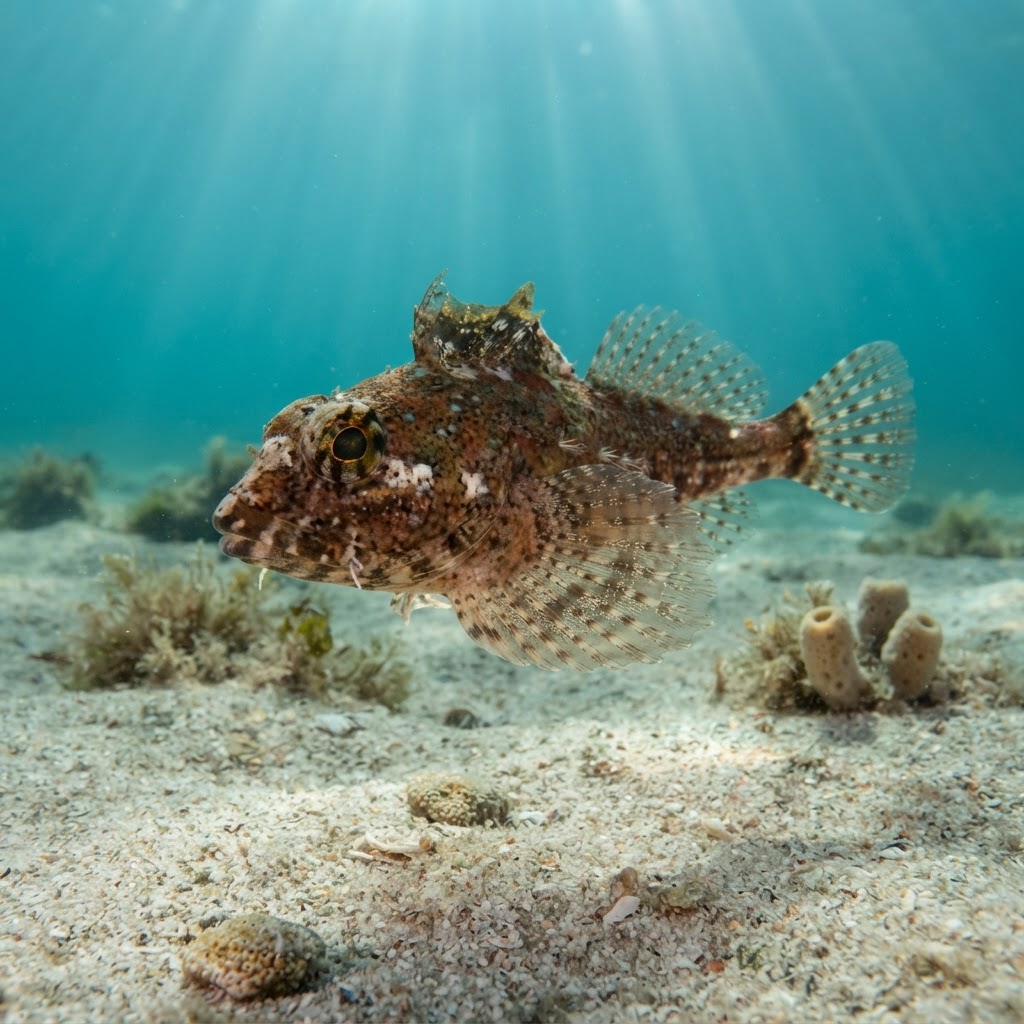
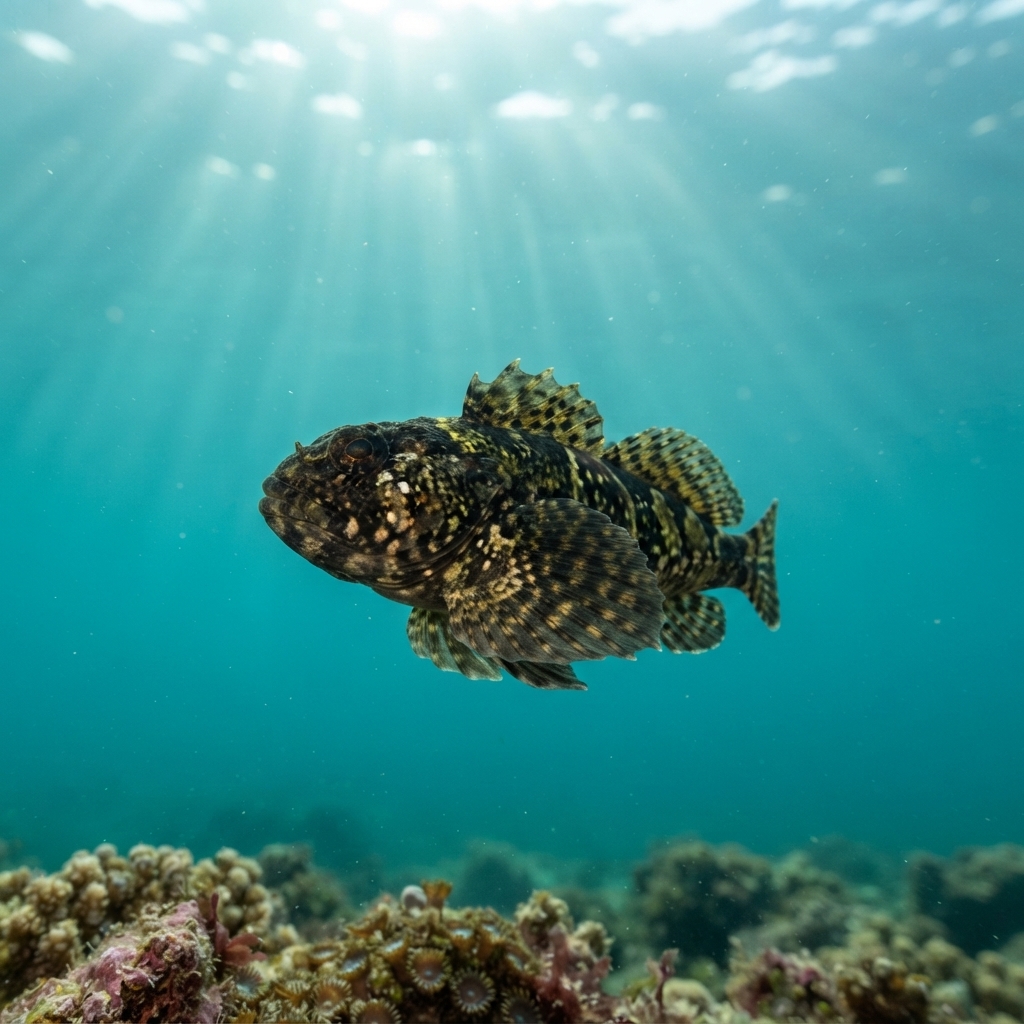
Small and thickset at around 13 cm, with a mottled brown, green and grey pattern that breaks up its outline against rock and algae. Look for the blunt, almost toad-like head, small fleshy cirri (skin flaps) above the eyes, and a habit of sitting motionless on or wedged between rocks rather than swimming in open water. Colouring shifts to match the local substrate, so individuals can look distinctly different site to site.
Expect to find it holding still on or wedged into rocky structure, relying on its mottled camouflage rather than moving off when divers approach. It is logged as rare to uncommon at nearly all sites where divers have found it, so this is very much a spot-it-if-you-look fish rather than something that will swim out to greet you. Best searched for with a slow, close look over cobble and boulder habitat rather than mid-water scanning.
Like other sculpins, it can survive briefly out of water in tidepools between tides, which is part of why it turns up as much in shore-based tidepooling as on scuba dives.
Sightings show no detectable season, and the data reads year-round. Water in its niche runs a cold 8.9 to 13.2C, conditions that persist through most of the year across its Pacific Northwest range, so timing your dive around season matters less than checking rocky, algae-covered structure carefully.
Most consistently logged in the Pacific Northwest region of the United States, with additional sightings in California and across the border in British Columbia, Canada. It is a coldwater, rocky-reef and tidepool species, so look for it tucked into cover on Pacific coast dives rather than on open sand or tropical reef.
Mapping where Mosshead Sculpin is logged…
It is most reliably logged in the Pacific Northwest of the United States, with further sightings in California and British Columbia, Canada. Look for rocky reef and boulder habitat rather than sand or open water.
Sightings do not show a clear season, so it is considered a year-round find. Its cold-water niche of roughly 9 to 13C is typical of the Pacific Northwest for much of the year.
Look for a small, thickset fish about 13 cm long with mottled brown and green camouflage, a blunt head, and small skin flaps above the eyes. It sits still on rock rather than swimming openly, which is often the first clue you have found one.
They are a small species, typically reaching around 13 cm in length, so divers should expect to search close to rocky substrate rather than looking for a large fish.
No, they pose no danger to divers. They are small, sedentary, and rely on camouflage rather than any defensive behaviour toward people.
Like several sculpin relatives, it can tolerate brief periods out of water when stranded in tidepools by the tide, an adaptation that suits its rocky, shallow coastal habitat.
Site and sighting data is aggregated from diver logs, iNaturalist and GBIF. For taxonomy and conservation status:
Shorthorn Sculpin
228 sites