Cebidichthys violaceus
Elusive, blenny-like fish tucked into California tide pools and rocky reefs, active in cool 12-19C water year-round.
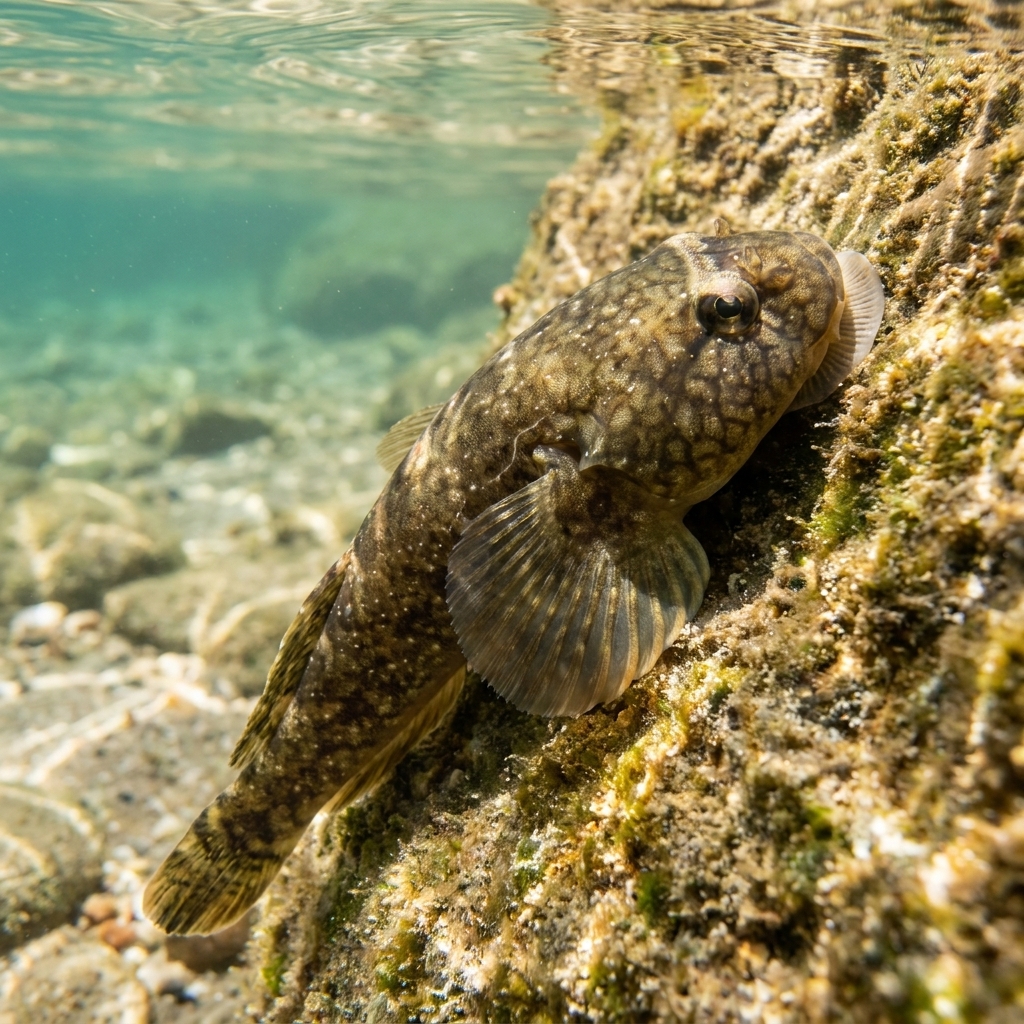
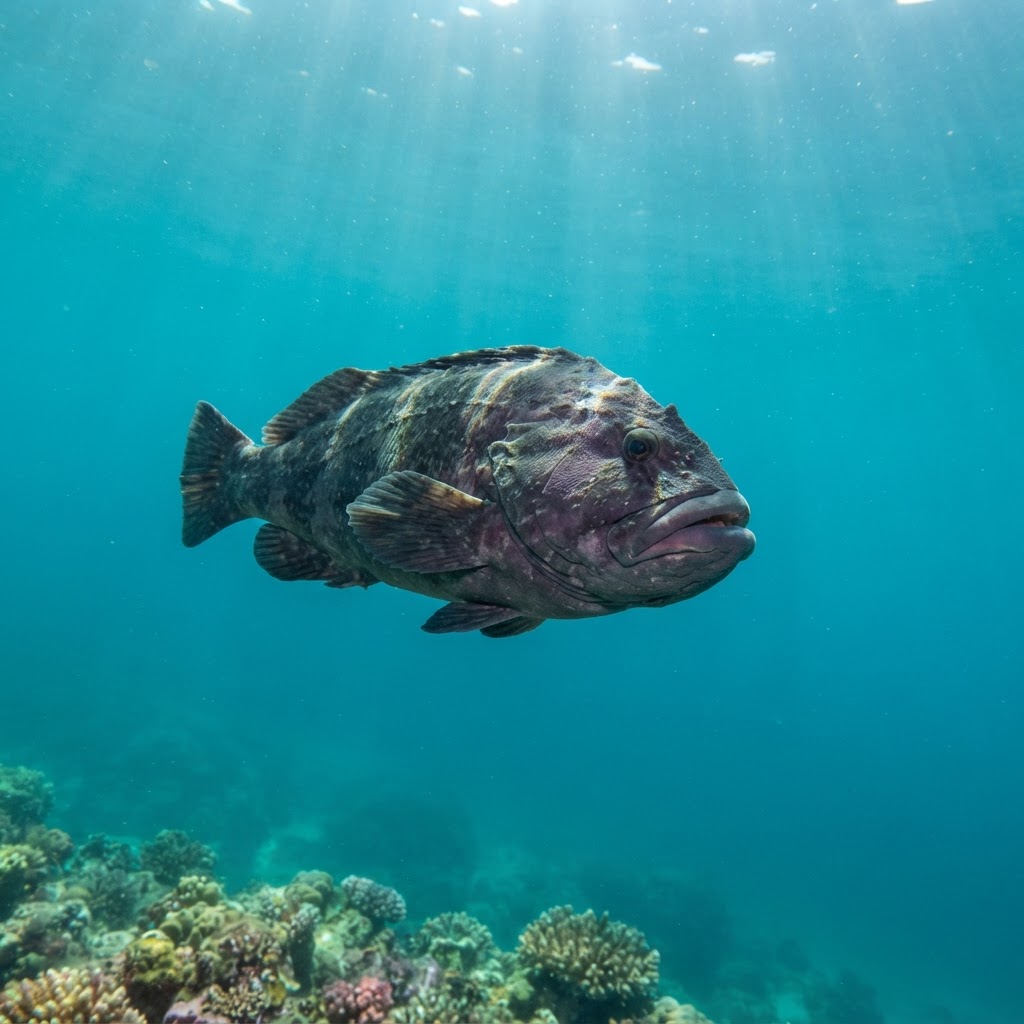
Long, eel-like body up to 53 cm with a blunt, almost bulldog-shaped face and small fleshy bumps above the eyes that give it the 'monkeyface' look. Colouring runs mottled olive-green to brown, helping it disappear against kelp-covered rock and cobble. It has no obvious dorsal spines or bright markings, just a smooth, tapering fish shape that looks more like a large blenny or small eel than a typical reef fish.
Divers usually find it wedged into rock crevices, under boulders, or tucked among kelp holdfasts rather than swimming openly in the water column. It tends to sit still and rely on camouflage rather than bolt when a diver approaches, which is why most sightings are logged as rare or uncommon even at sites where it's present. Look low on the reef, in the cracks and under ledges, rather than up in open water.
It's one of the few fish known to shift from an animal-heavy diet as a juvenile to feeding mostly on algae as an adult, a rare dietary switch among fish.
Sighting records don't show a clear seasonal pattern, and its comfort range of 12.2 to 19.0C matches nearshore California and Pacific Northwest water for most of the year, so it's a reasonable year-round find.
Logged almost entirely in the United States, with California the strongest area for sightings, especially around rocky reef and kelp sites. A smaller number of records come from the Pacific Northwest, so it is worth checking cool-water rocky sites along that coast too.
Mapping where Monkeyface Prickleback is logged…
Most sightings come from California, particularly rocky reef and kelp sites, with a smaller number of records from the Pacific Northwest of the United States. It favours crevices and boulder fields rather than open sand or coral reef.
There's no strong seasonal pattern in sighting data, and it tolerates a wide range of cool water temperatures from about 12 to 19C, so it can turn up on dives throughout the year.
Look for a long, eel-like body up to 53 cm, a blunt bulldog-like face, and small fleshy bumps above the eyes. Its mottled olive-brown colouring blends into rocky, kelp-covered terrain, so check crevices and under ledges rather than open water.
They can reach around 53 cm in length, making them one of the larger fish you'll find tucked into rocky crevices on cool-water reefs.
No, they pose no danger to divers. They are shy, crevice-dwelling fish that rely on staying hidden rather than any aggressive behaviour.
It's known for switching diets as it grows, starting out eating small invertebrates as a juvenile and shifting to a mostly algae-based diet as an adult, an unusual change for a fish.
Site and sighting data is aggregated from diver logs, iNaturalist and GBIF. For taxonomy and conservation status:
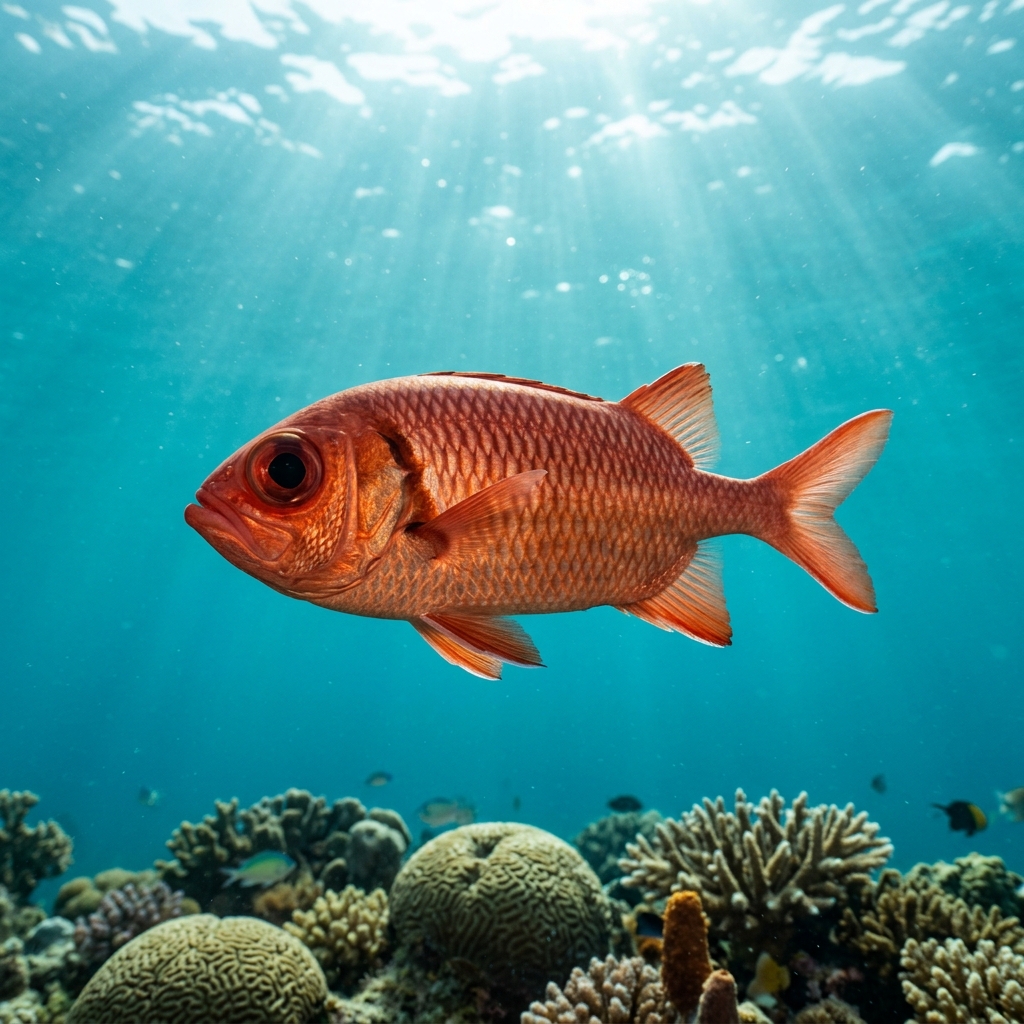
Soldierfish
3,612 sites