Macolor macularis
Spot Midnight Snapper on reefs across the Philippines and Indonesia. Sightings concentrate Sep, May in northern waters. Here's what to look for.
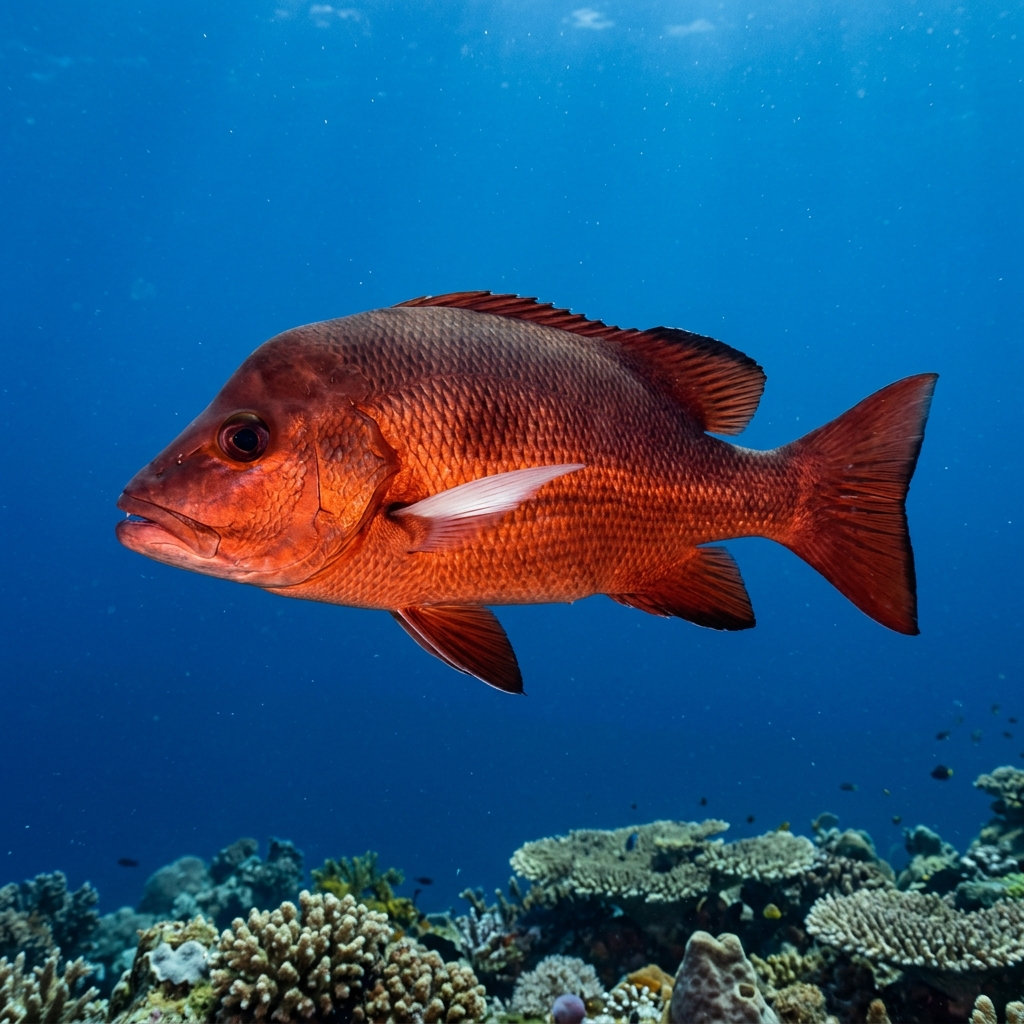
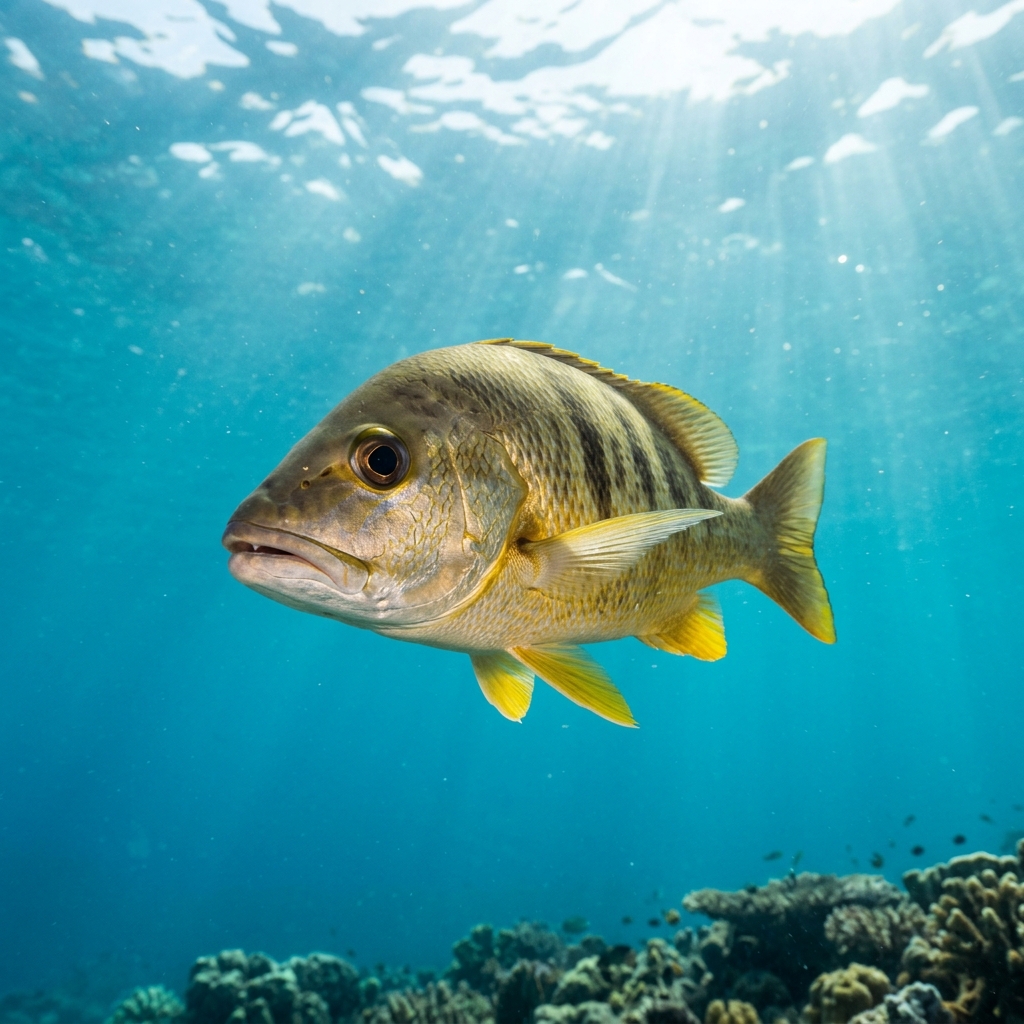
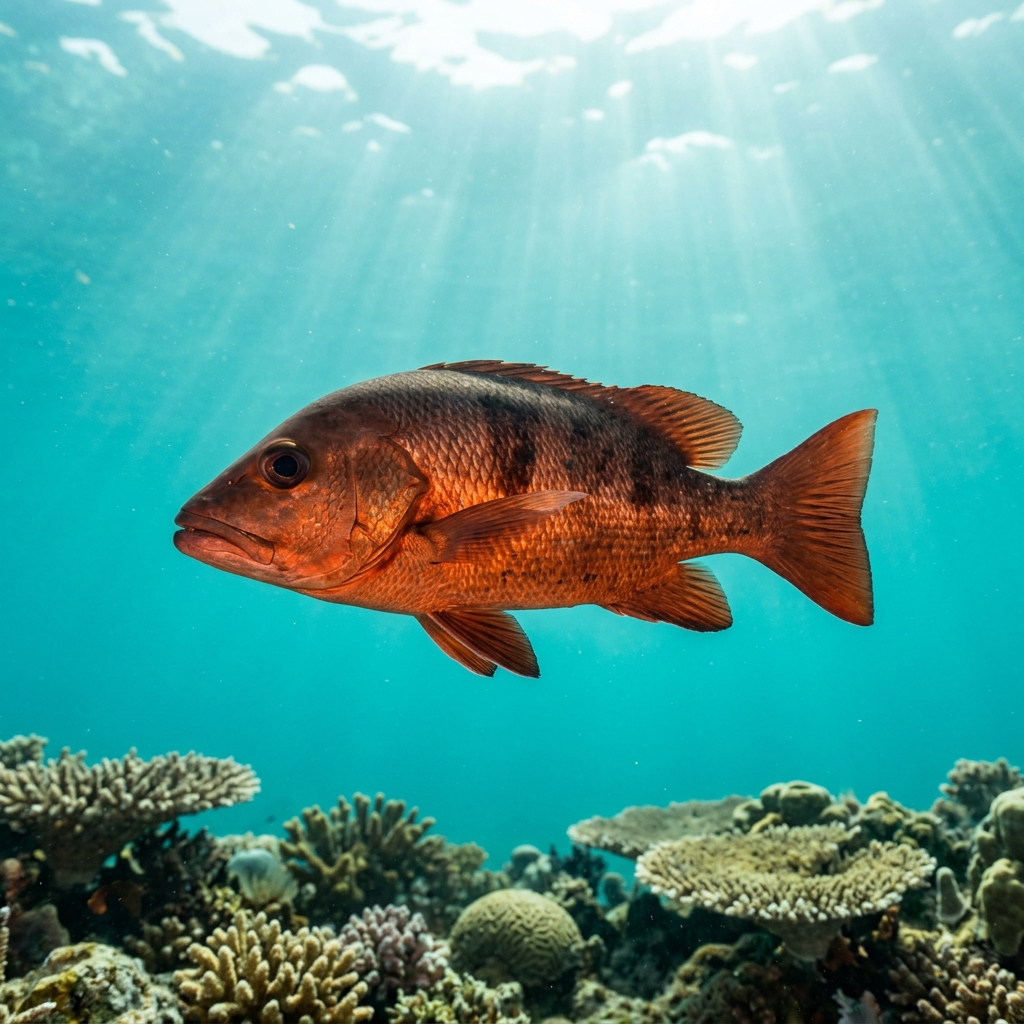
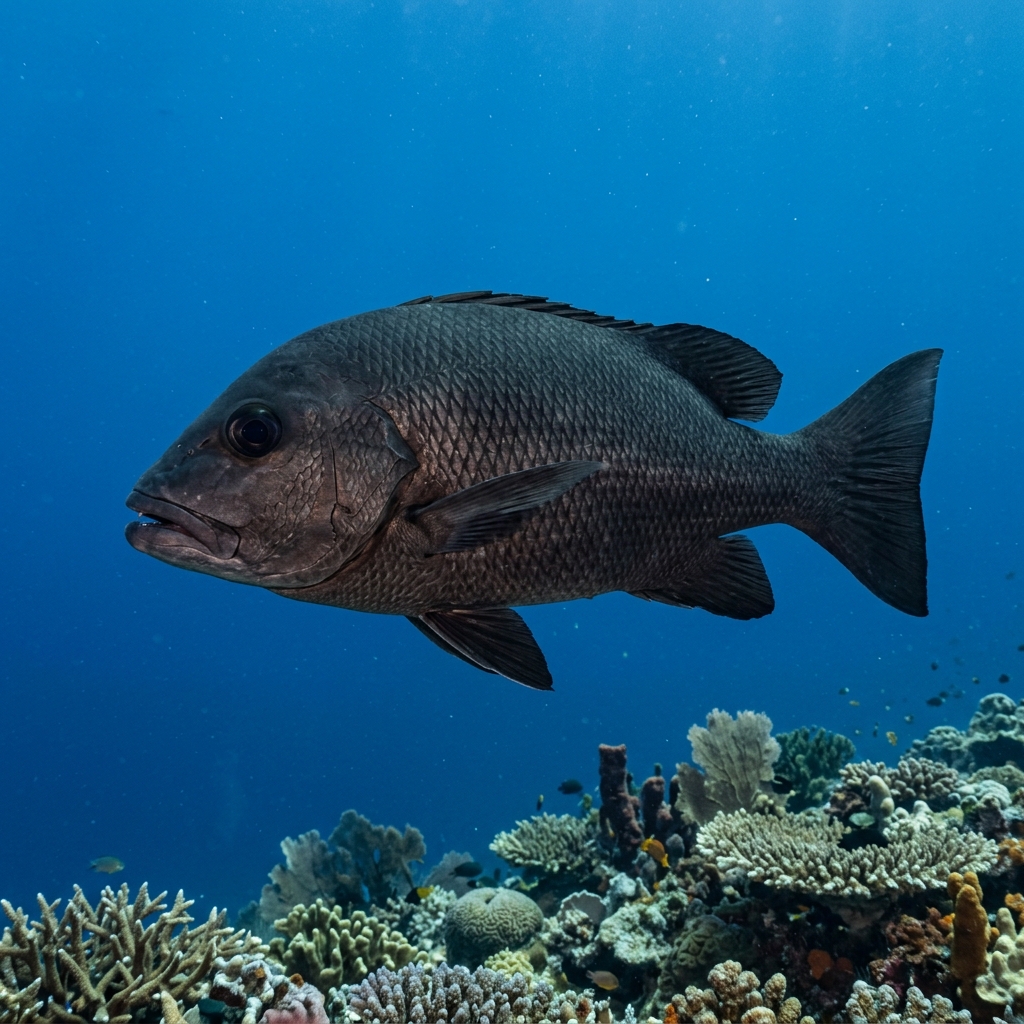
Midnight Snapper are mid-sized reef fish, typically around 40 cm, with a deep, laterally compressed body and a striking dark blackish-brown base colour covered in pale white or yellowish spots across the flanks, the feature that catches your eye first underwater. Adults tend to look almost black in ambient reef light, which helps distinguish them from similarly shaped snappers of brighter hue. Juveniles look dramatically different, showing bold black-and-white banded patterning that can mislead even experienced divers.
Midnight Snapper tend to keep their distance from divers rather than approaching out of curiosity, slow, non-threatening movement gives you the best chance of a close look. You're most likely to find them schooling or moving in small loose groups during the day, tucked around branching corals or patrolling along reef walls and structures. Watch the group dynamics: subtle shifts in body posture and position within the school are worth observing and suggest social coordination rather than random movement.
The juvenile colour scheme, bold black-and-white bands, is so different from the spotted dark adult that juveniles are frequently misidentified as an entirely different species.
In northern hemisphere destinations like the Philippines and Maldives, sightings concentrate from September through May. In southern hemisphere sites such as Queensland, Australia, the peak window runs October through March.
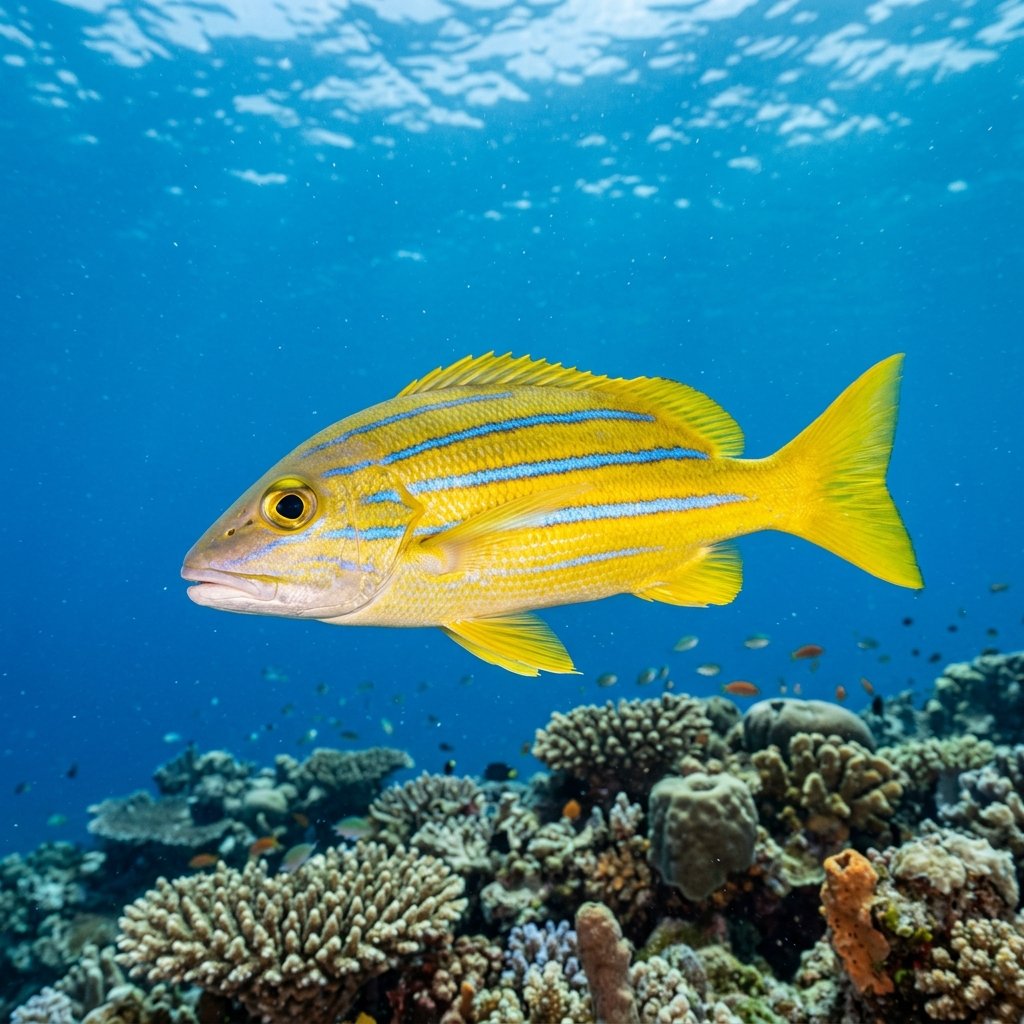
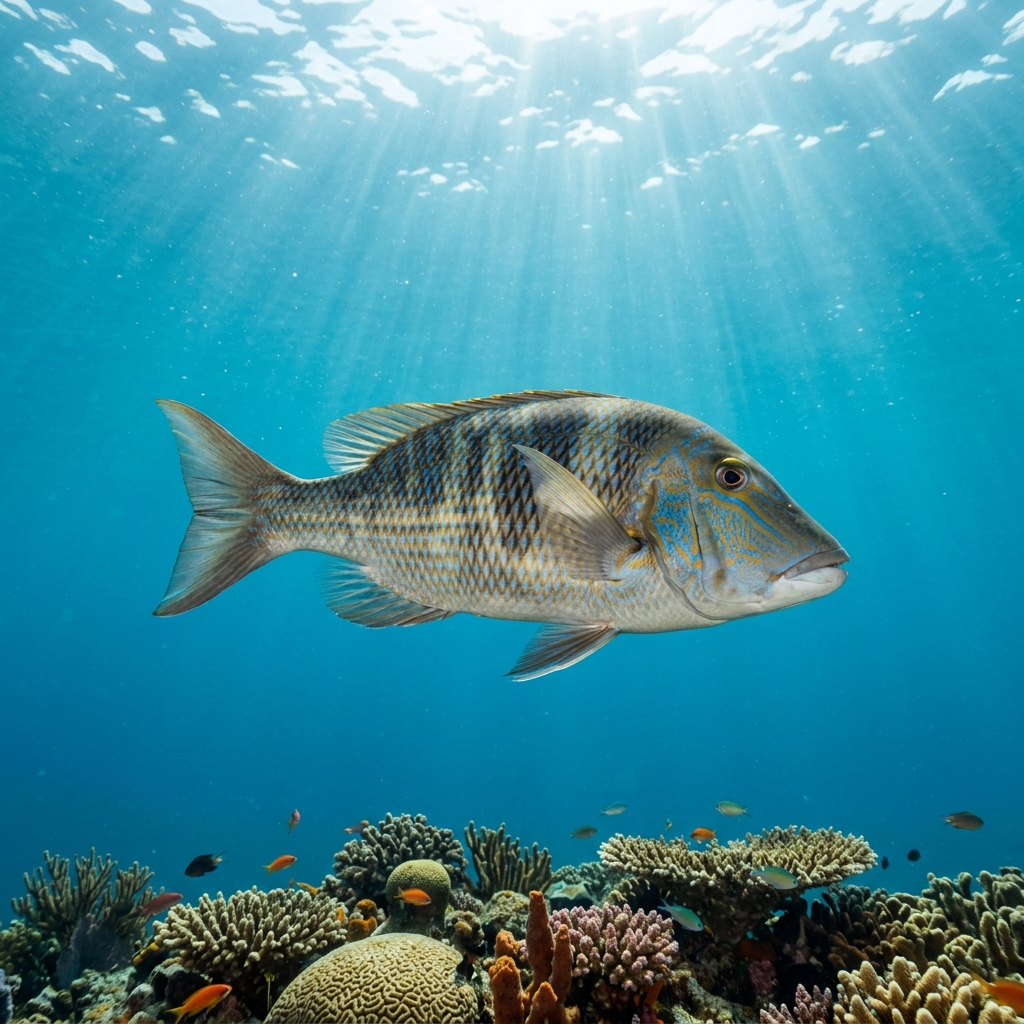
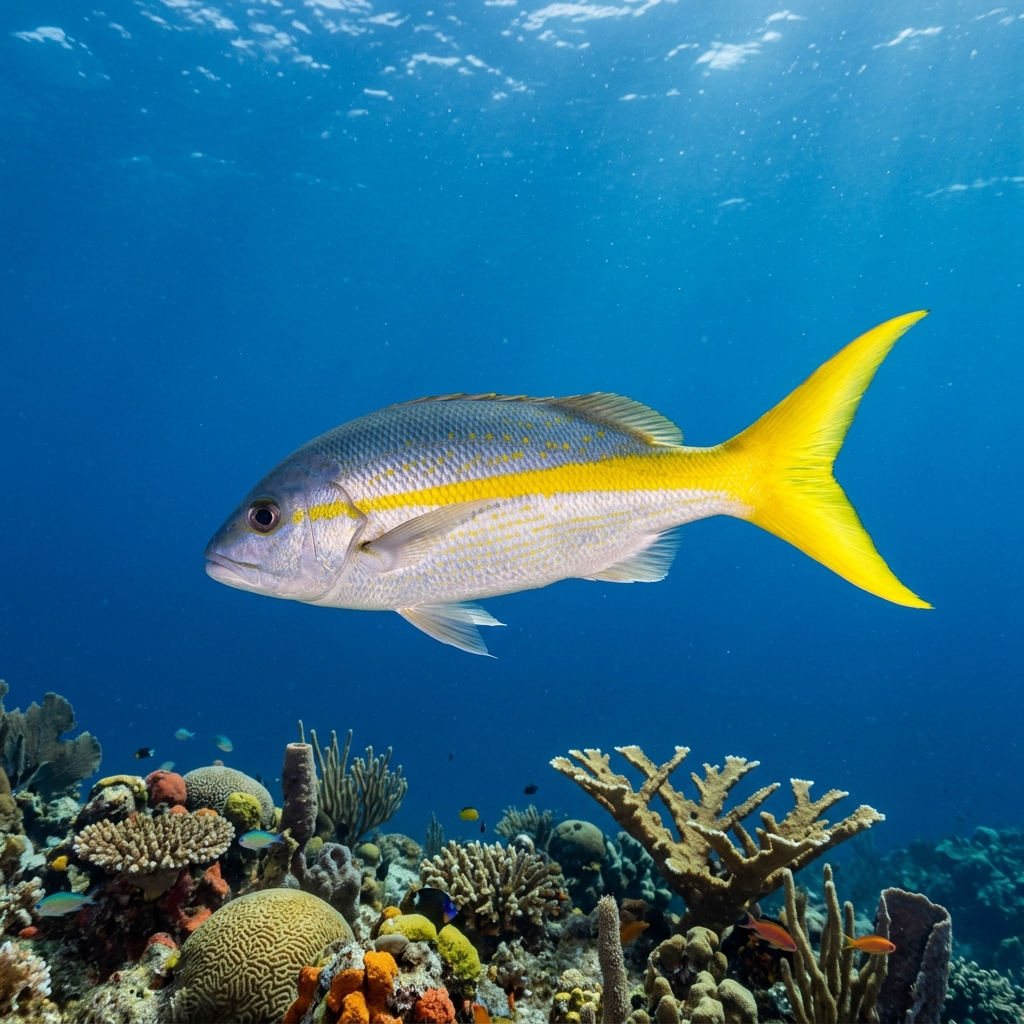
Reef neighbours a diver could mistake it for. Use the identification notes above to tell them apart.
Most commonly logged across the Philippines and Indonesia, particularly in the Visayas and Sulawesi regions, with strong sightings records also coming from Maluku and Papua. The Maldives, especially the Male and Ari Atolls, and the Great Barrier Reef region of Queensland, Australia are also reliable areas, along with Palau and Malaysia's reefs.
Mapping where Midnight Snapper is logged…
The Philippines and Indonesia are the strongest destinations, with the Visayas, Sulawesi, and Maluku among the top regions. The Maldives, Palau, Malaysia, and Queensland, Australia also hold good sighting records. They are reef-associated fish, so structured coral reefs are your best bet.
In northern hemisphere sites like the Philippines and Maldives, sightings peak between September and May. For southern hemisphere locations such as Australia, October through March is the prime window.
Look for a medium-sized, deep-bodied fish that appears almost black overall, covered in pale white or yellowish spots on the flanks. In dim reef light it can look uniformly dark, so the spotted pattern is the key detail to confirm. Juveniles look completely different, bold black-and-white bands rather than spots.
They typically reach around 42 cm in length, roughly the size of a standard ruler and a half. In the water they read as a solidly built, laterally flattened fish, noticeably deeper-bodied than slender reef fish of similar length.
Sighting frequency data from logged dives puts them as uncommon at most sites where they are recorded, with a smaller number of sites rating them as common. They are not a species you can reliably count on encountering every dive, even in top destinations.
Site and sighting data is aggregated from diver logs, iNaturalist and GBIF. For taxonomy and conservation status:
Bluestriped Snapper
2,054 sites