Synchirus gilli
A tiny, rarely-seen sculpin logged only in British Columbia's cold water, 6.4-12.8C, blending into rocky reef year-round.
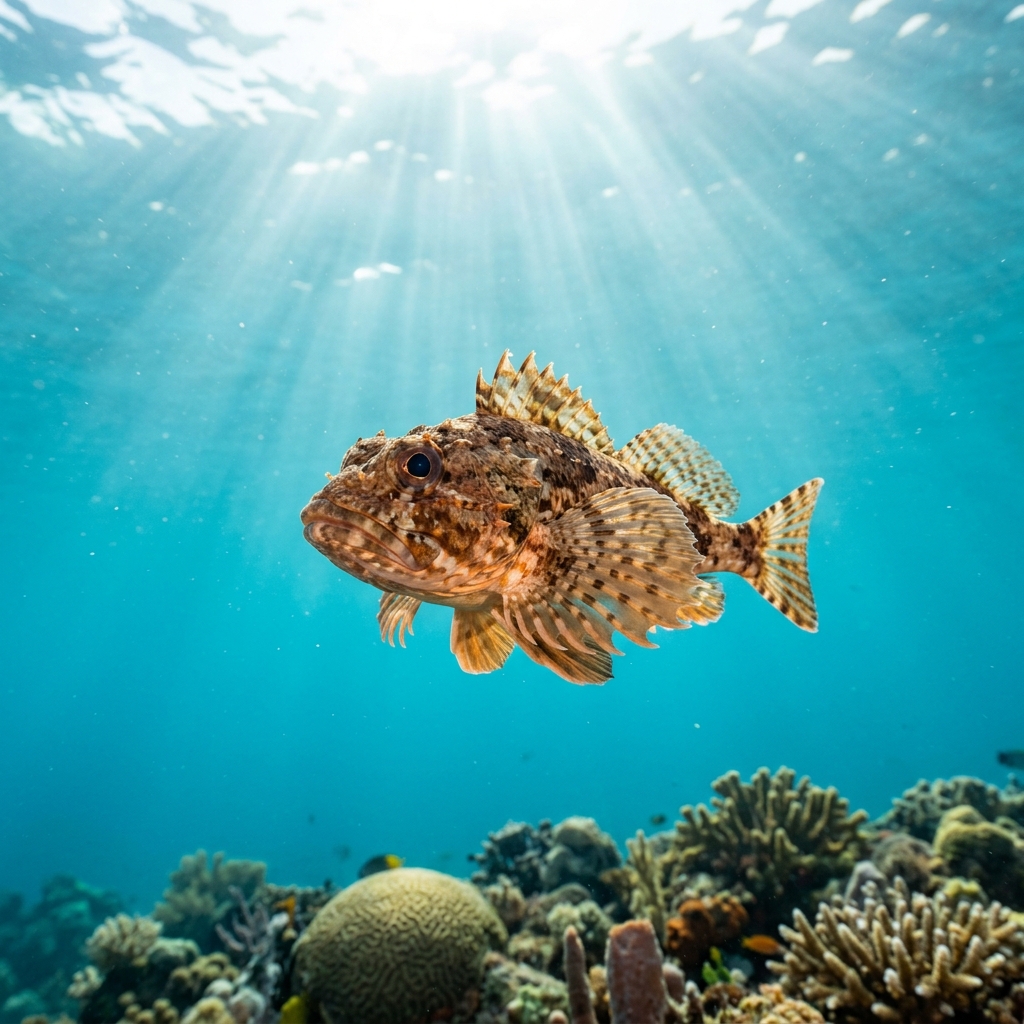
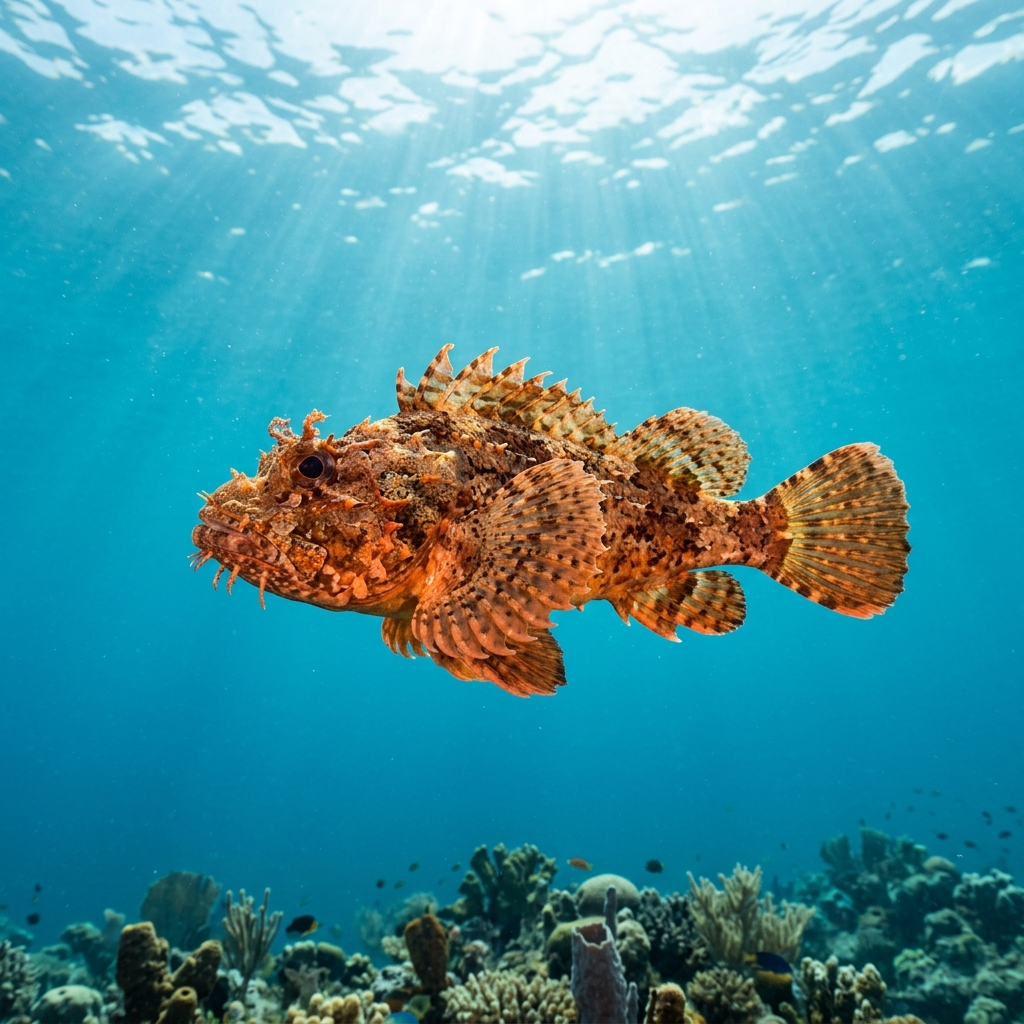
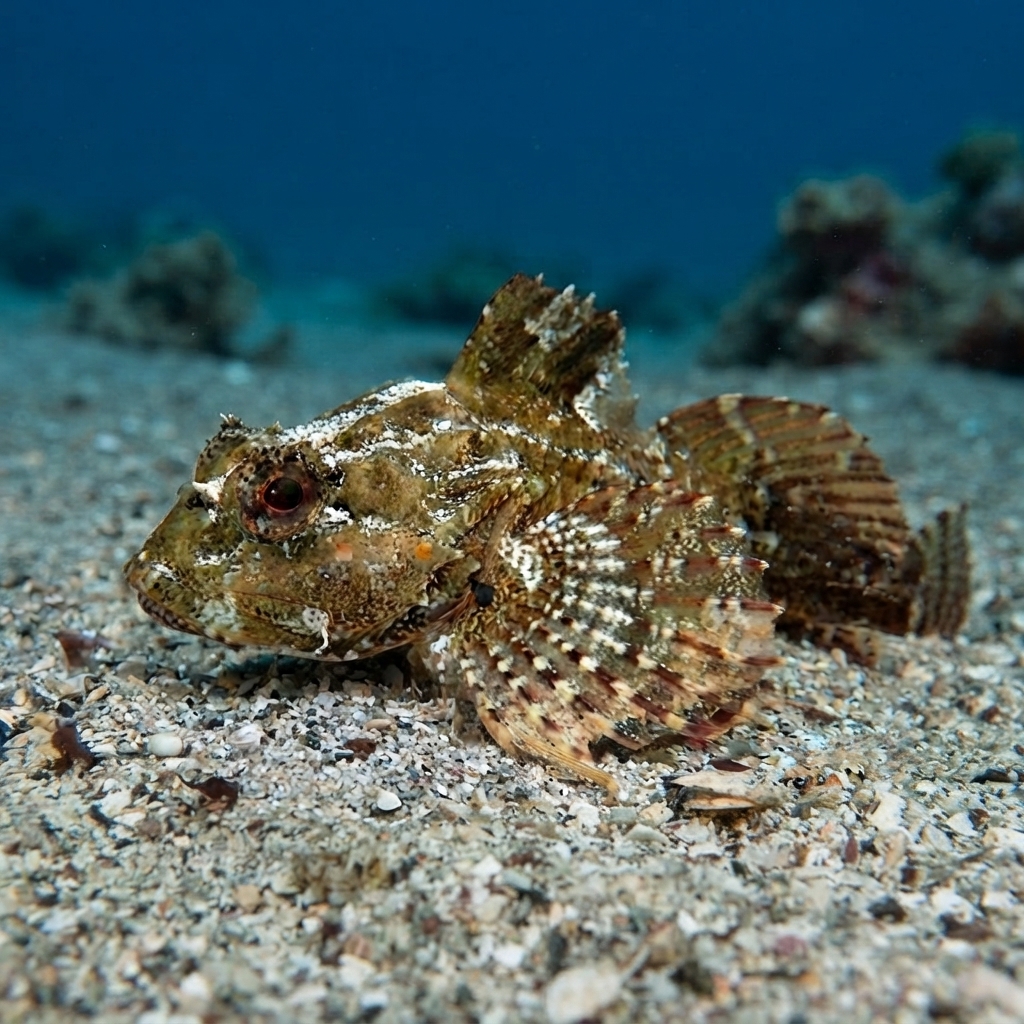
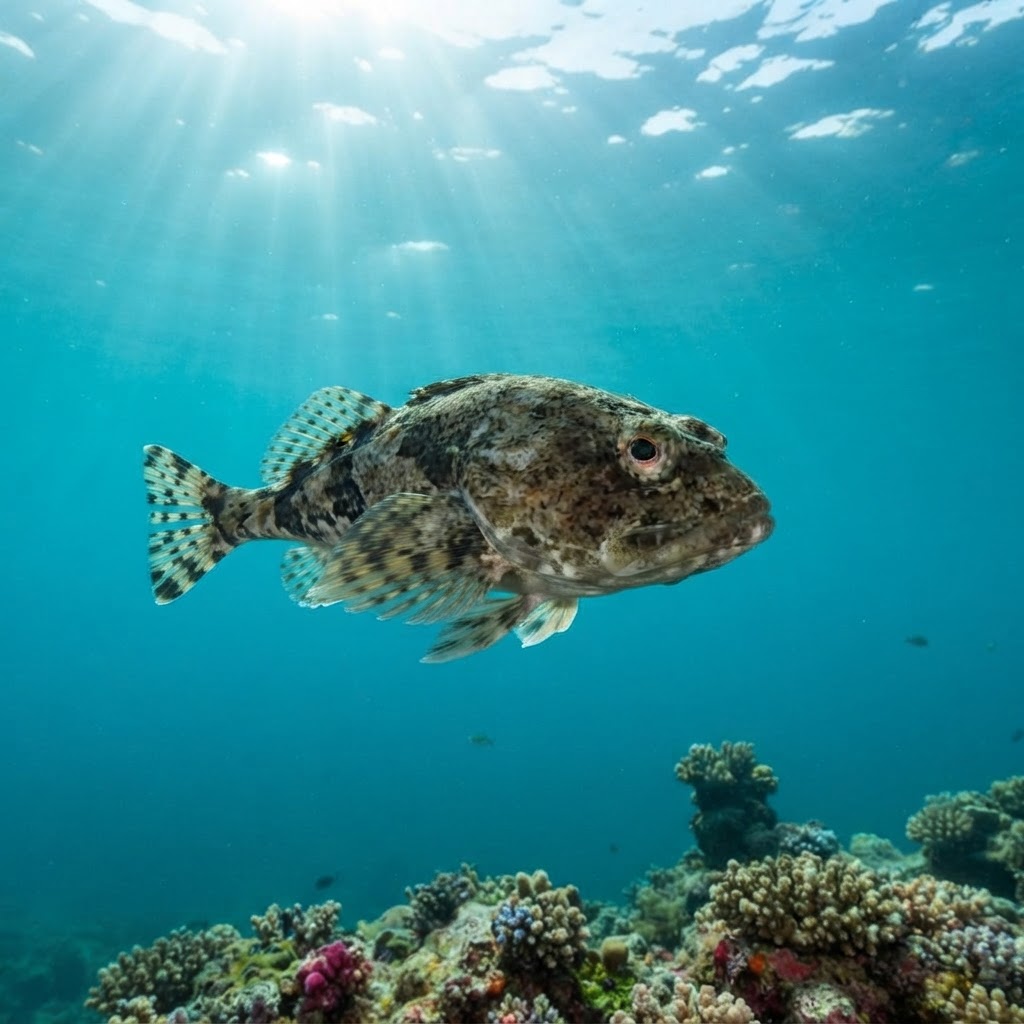
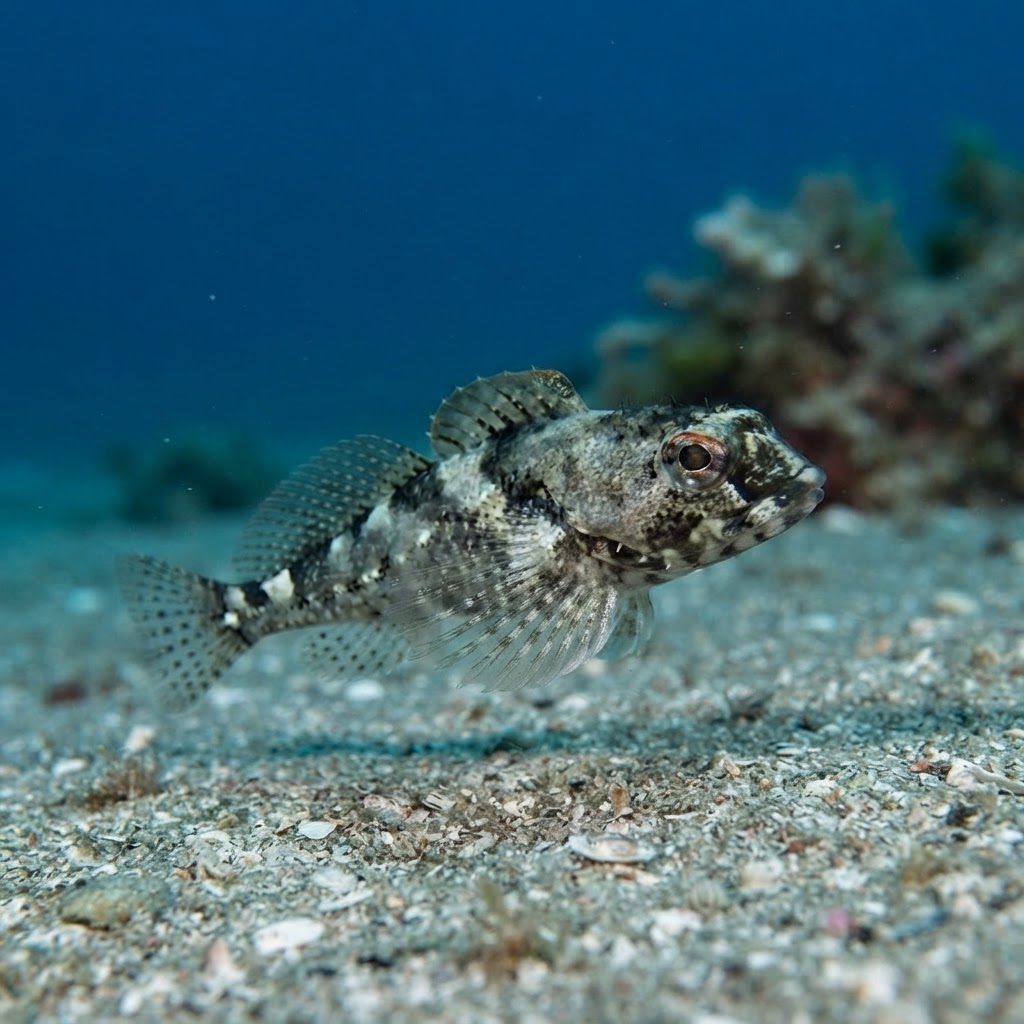
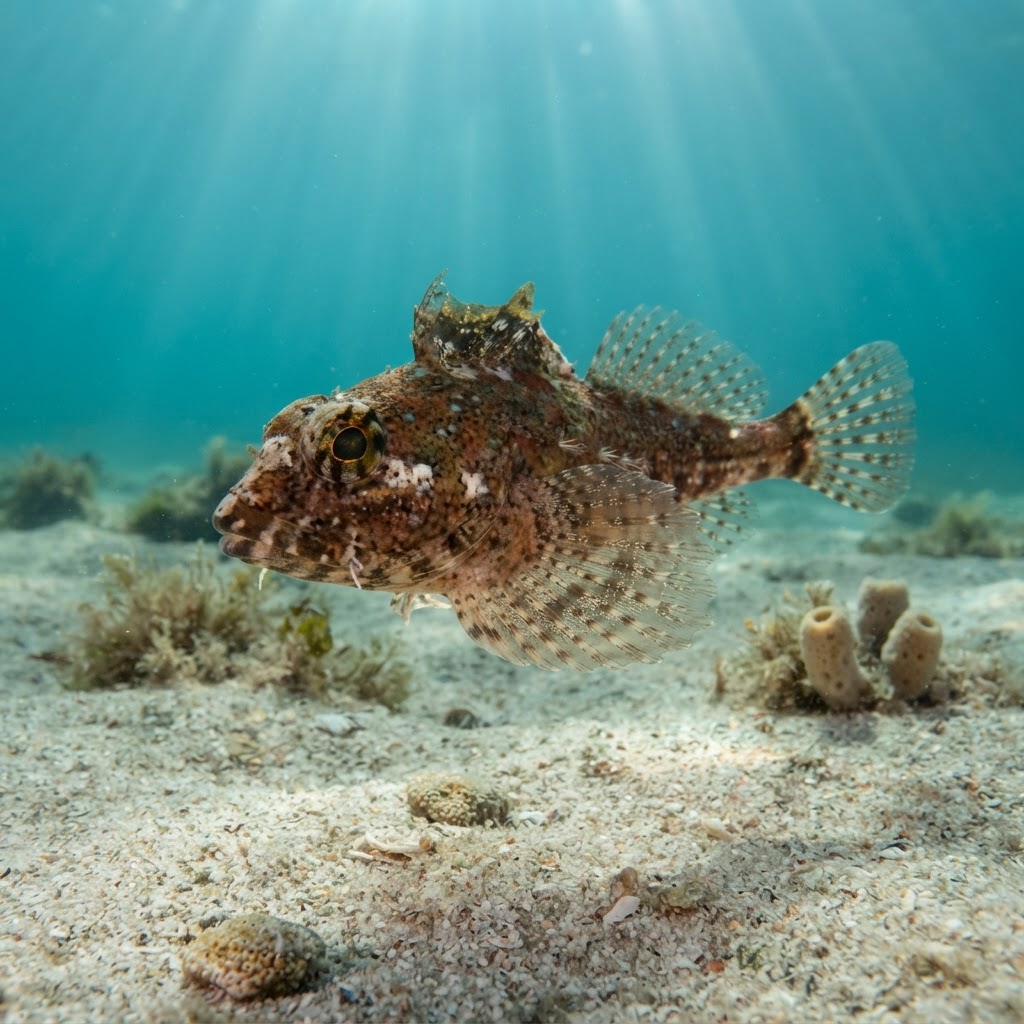
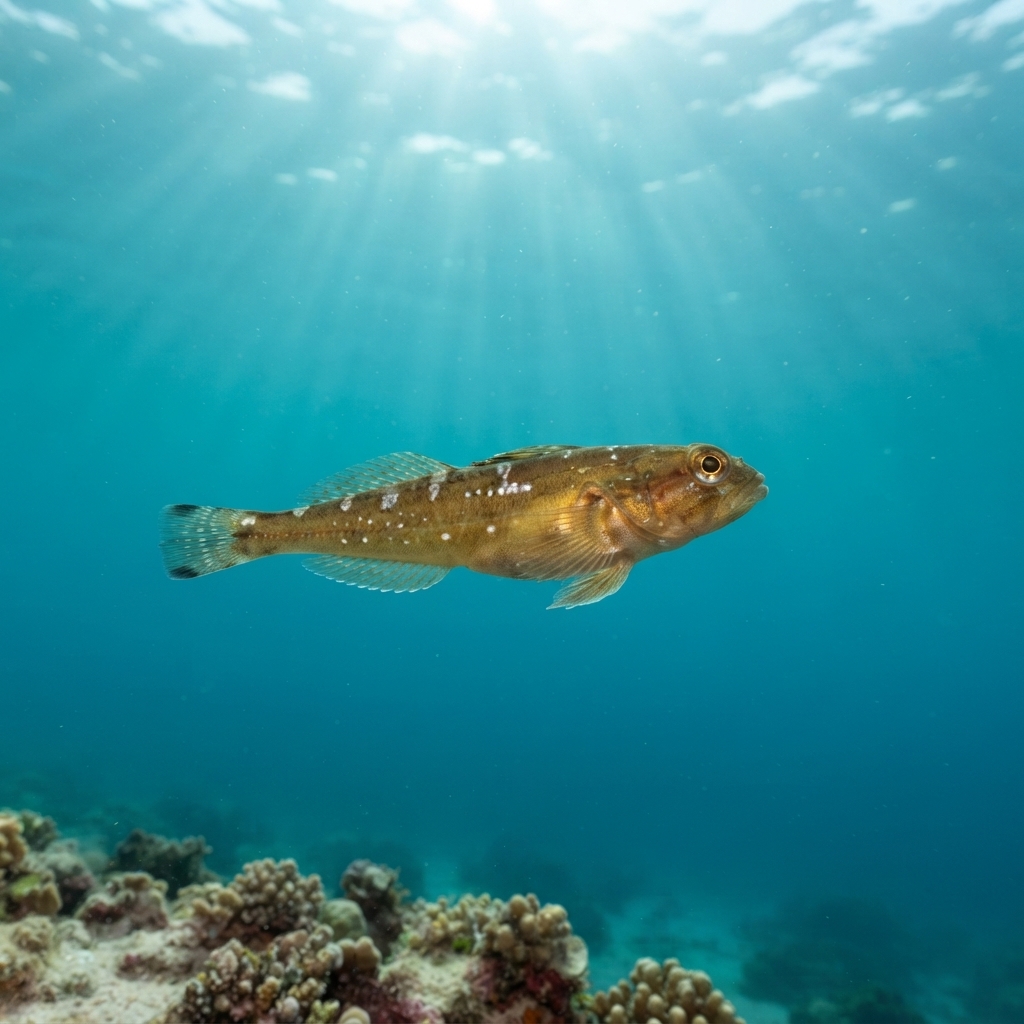
Barely 5cm long, this sculpin has a squat, big-headed body and mottled brown-grey colouring that matches rock and rubble almost perfectly. It has no dramatic markings to key on, so divers usually spot it by shape first: a stubby fish perched motionless on a rock rather than swimming in open water. Look closely near its pectoral fins and gill area, where the fused, band-like skin pattern that gives the species its name is most visible.
This is a sit-and-wait fish, found resting still on rock or rubble rather than out swimming the reef. Divers who log it tend to find it by scanning slowly across low-relief rocky bottom rather than spotting movement, since it relies on camouflage and staying put rather than fleeing. Expect a brief, close-range encounter if you find one at all, given how rarely it's reported even at the sites where it's known to occur.
Its common name comes from the fused or banded pattern across its pectoral region, which looks like a small manacle or cuff when seen up close, a detail most divers only notice on the second look.
There's no detected seasonal pattern in the sightings logged so far, so treat it as a year-round possibility on BC dives. Its comfort range of 6.4 to 12.8C matches the Pacific Northwest's cold water for most of the year, which fits with sightings not clustering into a single season.
Every logged sighting so far comes from British Columbia, Canada, making it the only region divers currently associate with this species. Within BC it turns up on a handful of specific cold-water sites rather than being widespread, so it's a target for divers already exploring the province's rocky reef systems rather than something to plan a whole trip around.
Mapping where Manacled Sculpin is logged…
All current sightings come from British Columbia, Canada, where it's found on a small number of rocky cold-water dive sites. It hasn't been logged elsewhere, so BC is currently the only known place to look for it.
There's no clear seasonal pattern in the sightings, so it's considered a year-round possibility in British Columbia. Its temperature niche of roughly 6.4 to 12.8C matches BC's water for most of the year.
Look for a stubby, mottled brown fish only about 5cm long, sitting motionless on rock or rubble rather than swimming. Its camouflage is its main defence, so a slow scan of the bottom is more effective than looking for movement.
They're small, topping out around 5cm, so they're easy to miss against a rocky, mottled bottom.
Yes, it's logged as rare at most of the few sites where it's been recorded, and uncommon at the rest. Finding one is considered a notable spot even by divers who know where to look.
Site and sighting data is aggregated from diver logs, iNaturalist and GBIF. For taxonomy and conservation status:
Shorthorn Sculpin
228 sites