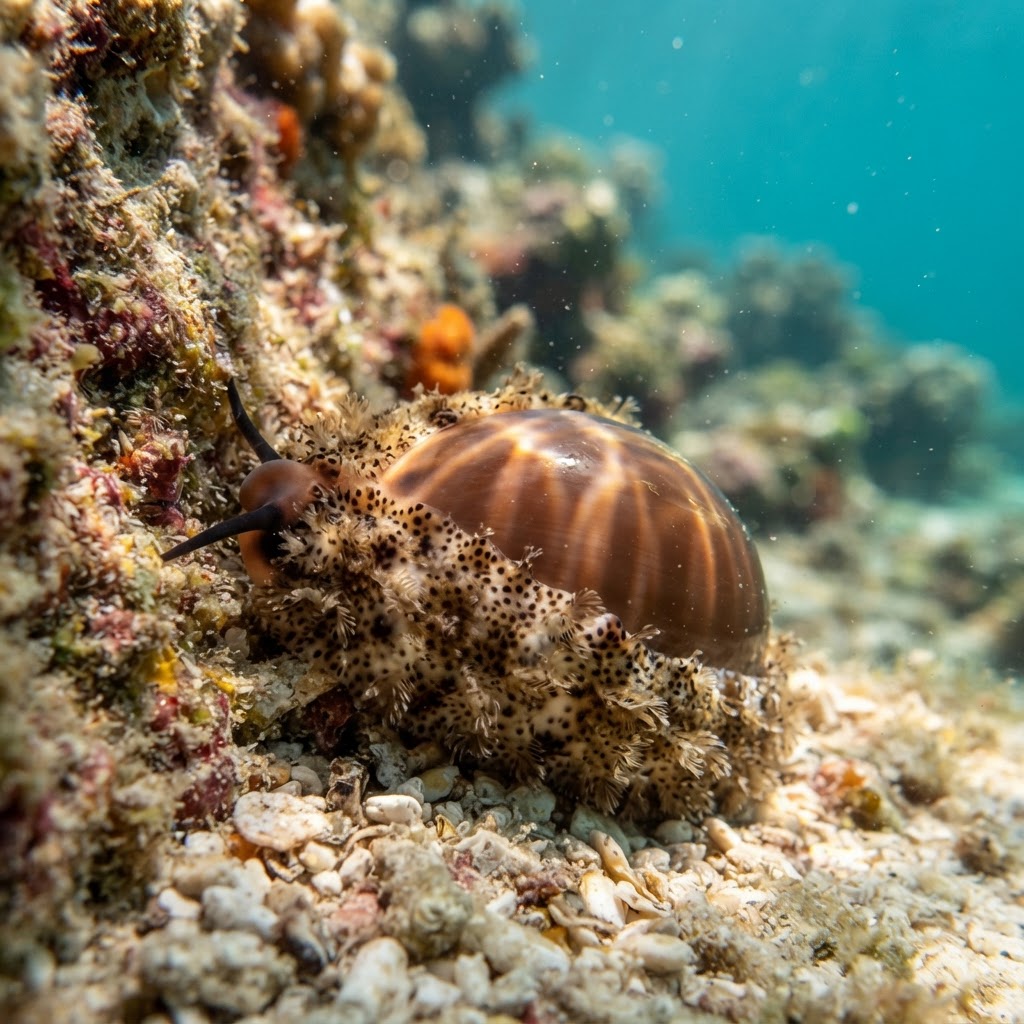
Luria lurida
Spot lurid cowries tucked under rocks in the French Riviera and Sardinia, in waters around 16 to 22C, year-round.
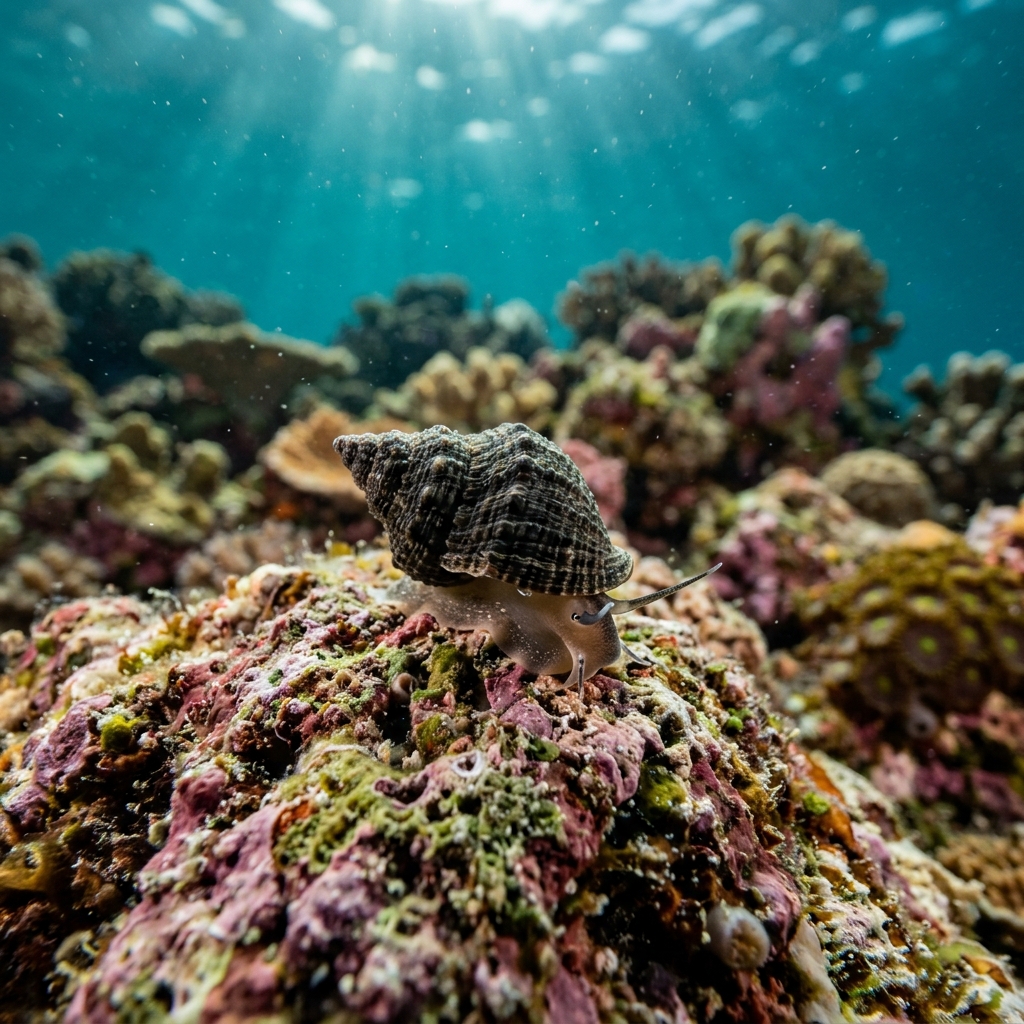
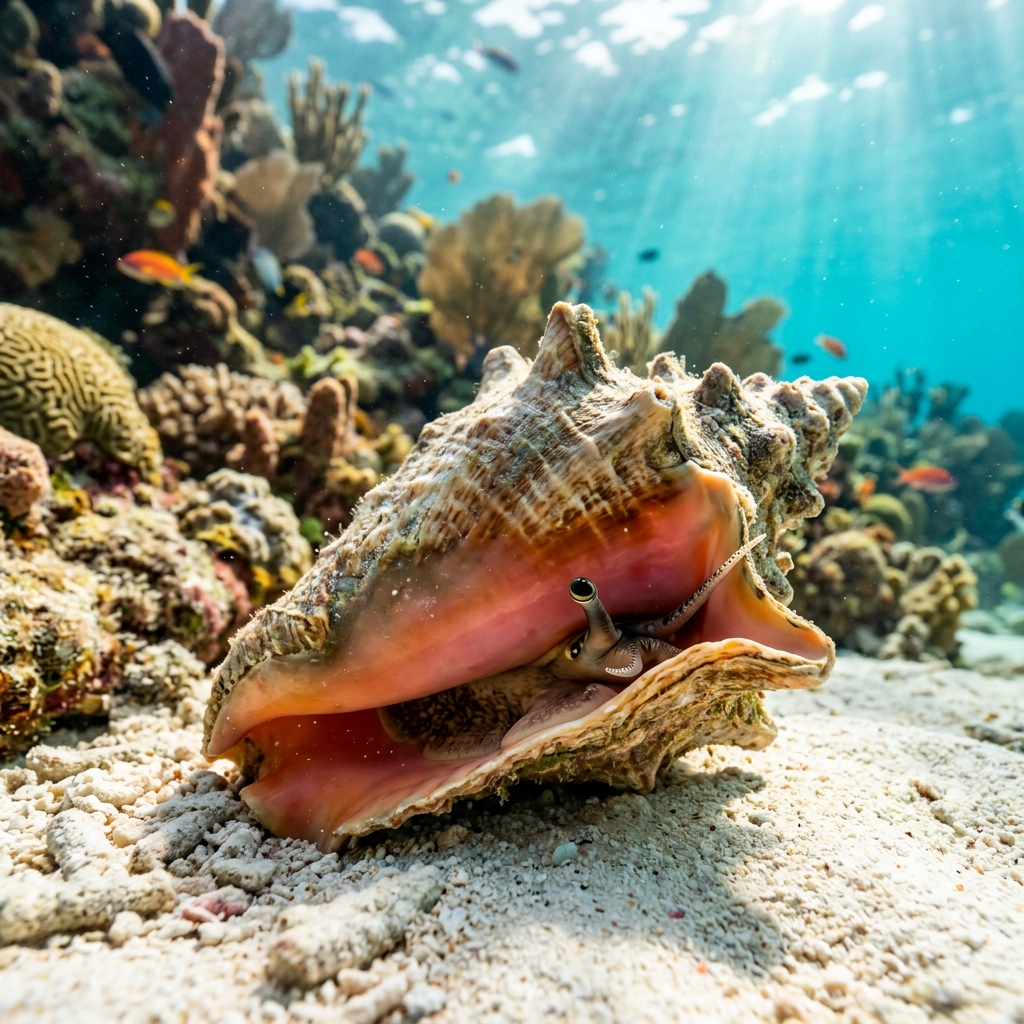
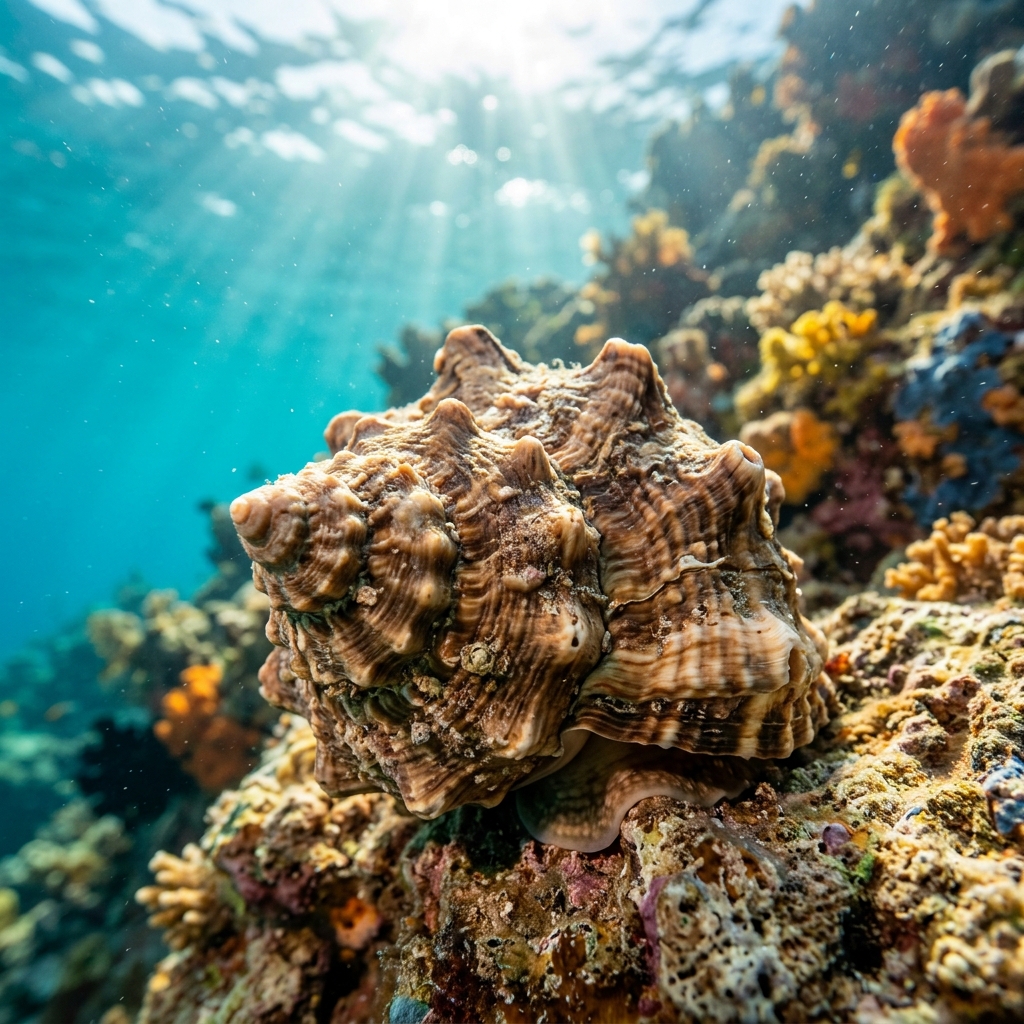
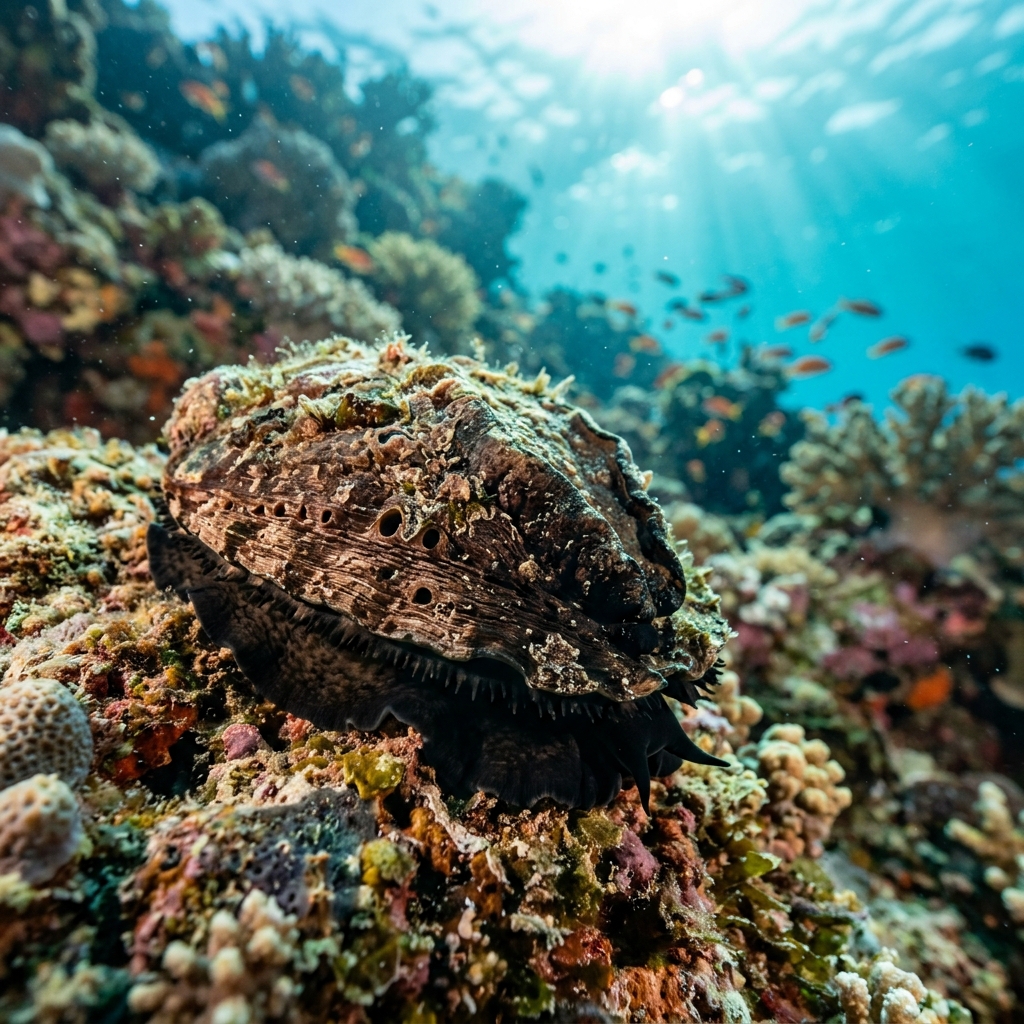
Small, glossy, oval shell with a smooth porcelain-like sheen, typically mottled brown, grey, or tan with faint darker spots or bands. The mantle (soft tissue) often extends over the shell when active, giving it a fleshier, less glossy look than the shell alone suggests. Divers key on the shape: an egg-like, rounded shell with no visible spire, usually found pressed flat against rock or wedged into a crevice rather than out in the open.
Logged as an uncommon to rare find, usually spotted by divers scanning rock crevices, undercuts, and shaded overhangs rather than open sand or reef flats. It moves slowly and stays close to the substrate, often partly hidden with only part of the shell or mantle visible, so most sightings come from a deliberate close look rather than a chance pass.
Like other cowries, it can extend its mantle tissue up and over the shell while active, which is why a live animal often looks duller and fleshier than the polished shell most divers picture.
No clear seasonal pattern shows up in the data, and with a comfortable range of roughly 16 to 22C it is a plausible find on Mediterranean and Macaronesian dives across the year rather than a seasonal target.
Most reliably logged in France, especially the French Riviera and Provence, and in Corsica, with strong numbers also coming out of Sardinia and Sicily in Italy. Smaller but consistent counts come from Catalonia and Valencia in Spain, plus outlying records from the Azores, Malta, and the Canary Islands.
Mapping where Lurid Cowrie is logged…
They turn up most often in France, particularly the French Riviera, Provence, and Corsica, with good numbers also reported from Sardinia and Sicily in Italy. Smaller but steady counts come from Catalonia and Valencia in Spain, and occasional records from the Azores, Malta, and the Canary Islands.
There is no strong seasonal pattern in the sighting data, and the species tolerates a fairly wide temperature band of about 16 to 22C, so it is worth looking for on Mediterranean dives at any time of year.
Look for a small, glossy, egg-shaped shell in mottled brown or tan tones tucked into a rock crevice or overhang. There is no visible spire, and the animal often stays low and partly concealed, so slow, close scanning of rocky nooks is the best way to spot one.
No. They are small, slow-moving, benthic snails with no capacity to harm a diver, and they pose no sting or bite risk.
They are logged as uncommon at most sites where divers have recorded them, and rare at a good number of others, so spotting one usually takes a deliberate search of crevices and rocky undercuts rather than casual reef scanning.
Site and sighting data is aggregated from diver logs, iNaturalist and GBIF. For taxonomy and conservation status:
Triton Shell
2,297 sites