Pseudolabrus luculentus
Spot this small wrasse on rocky reefs off New Zealand's North Island or New South Wales, in 20-23C water, year-round.
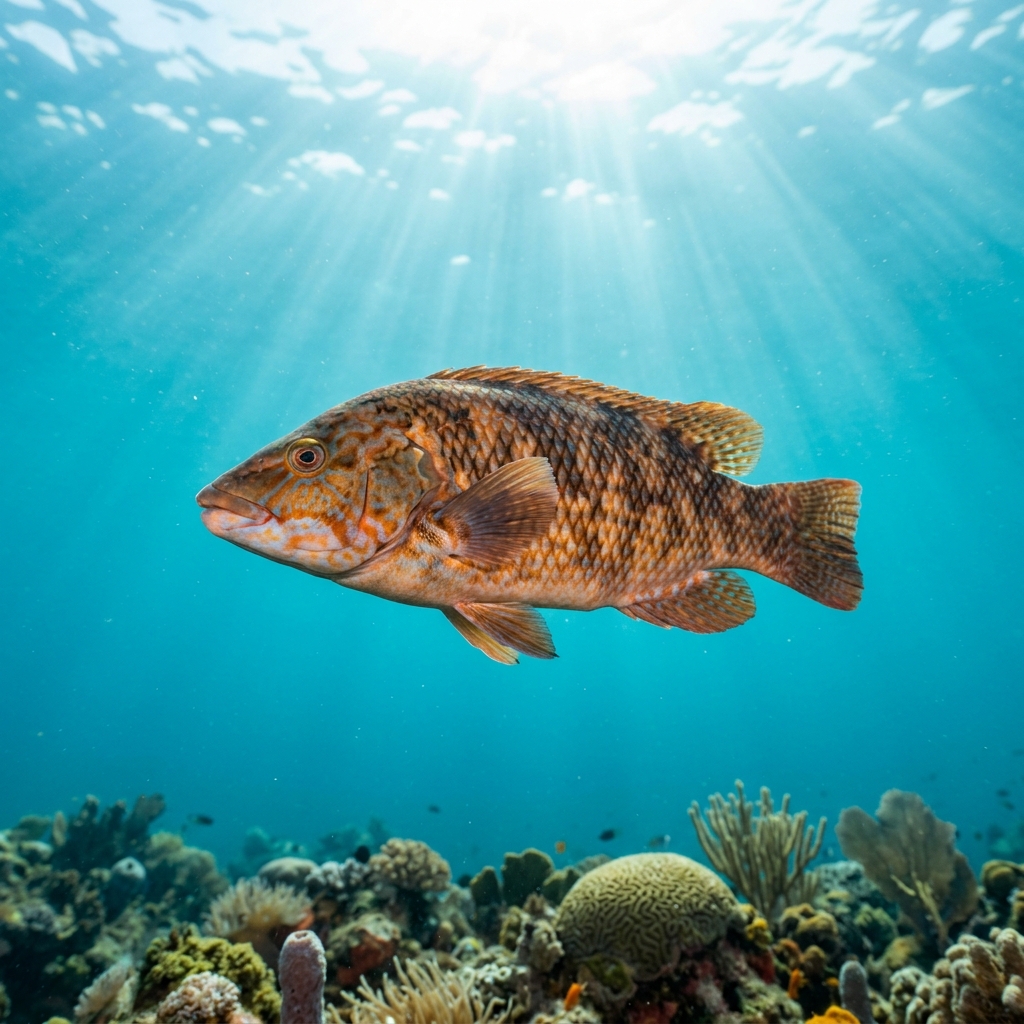
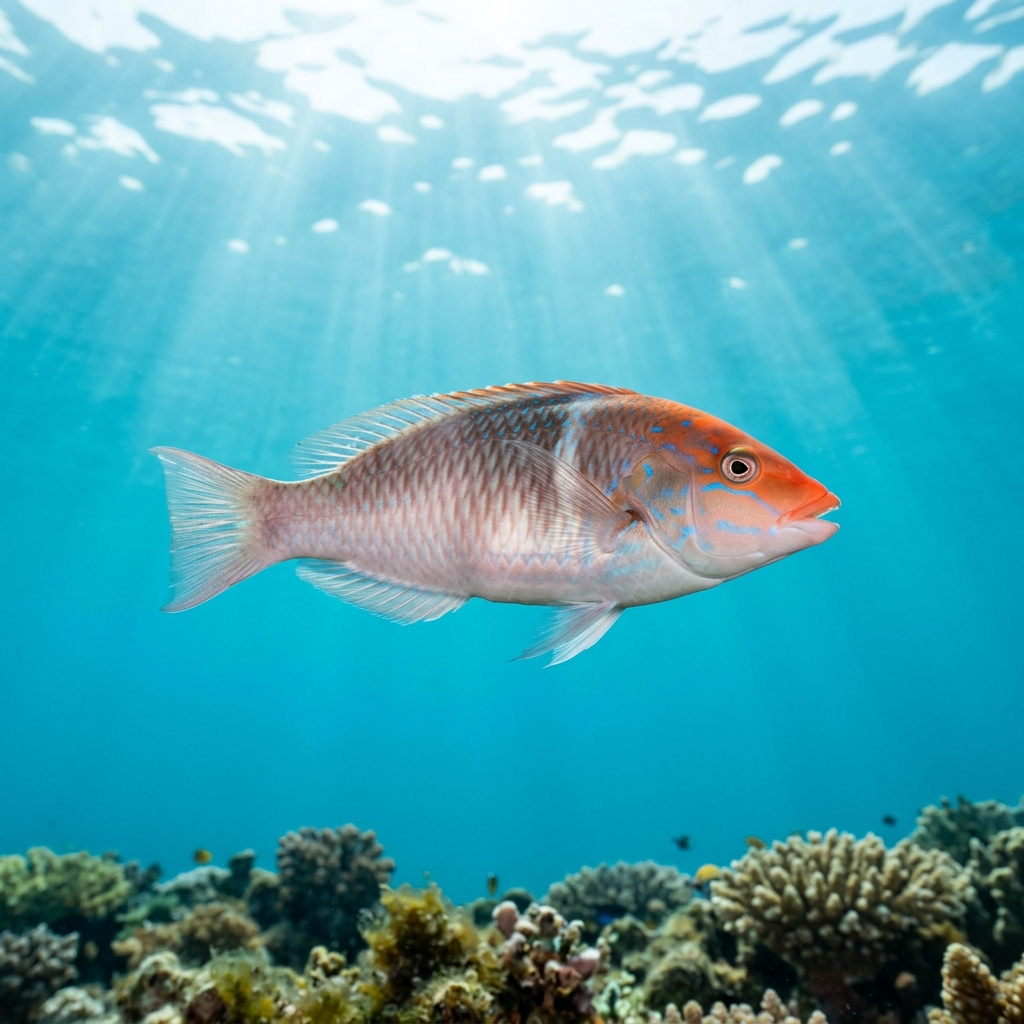
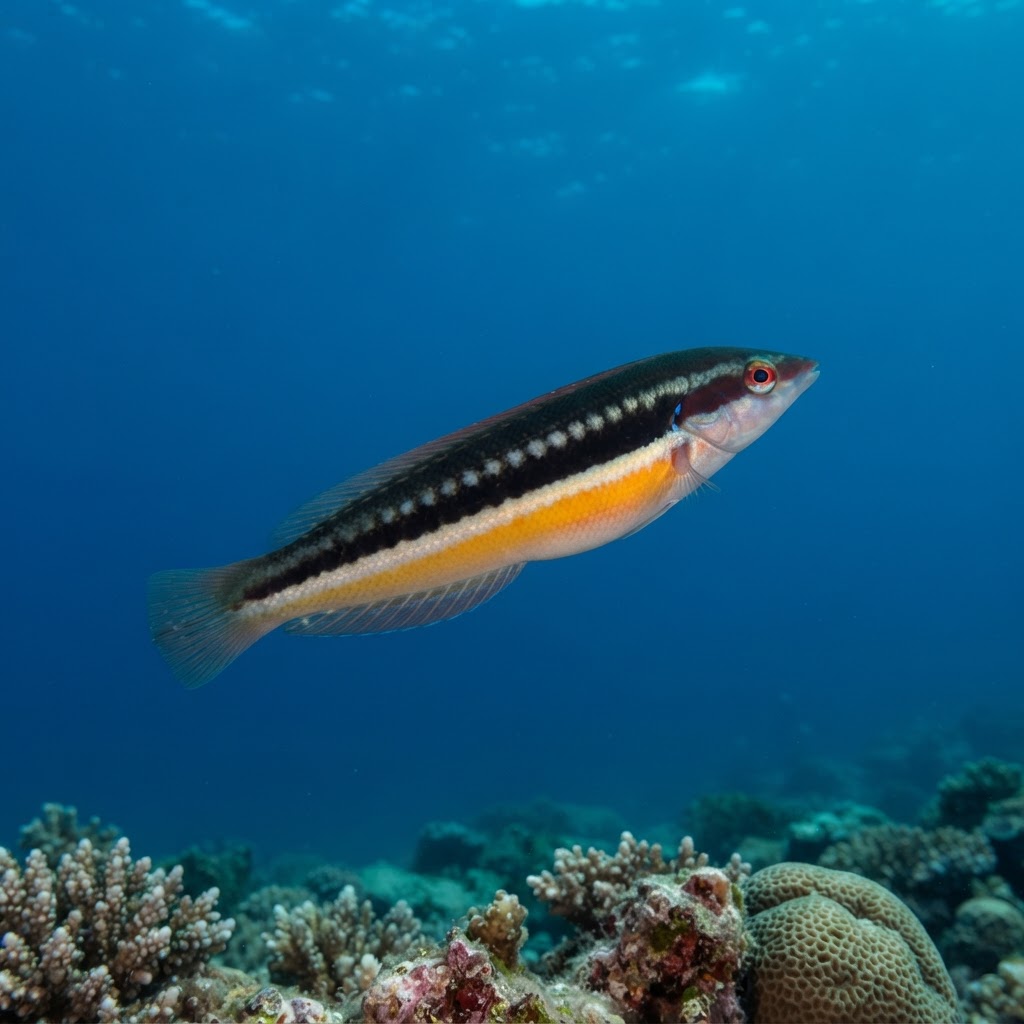
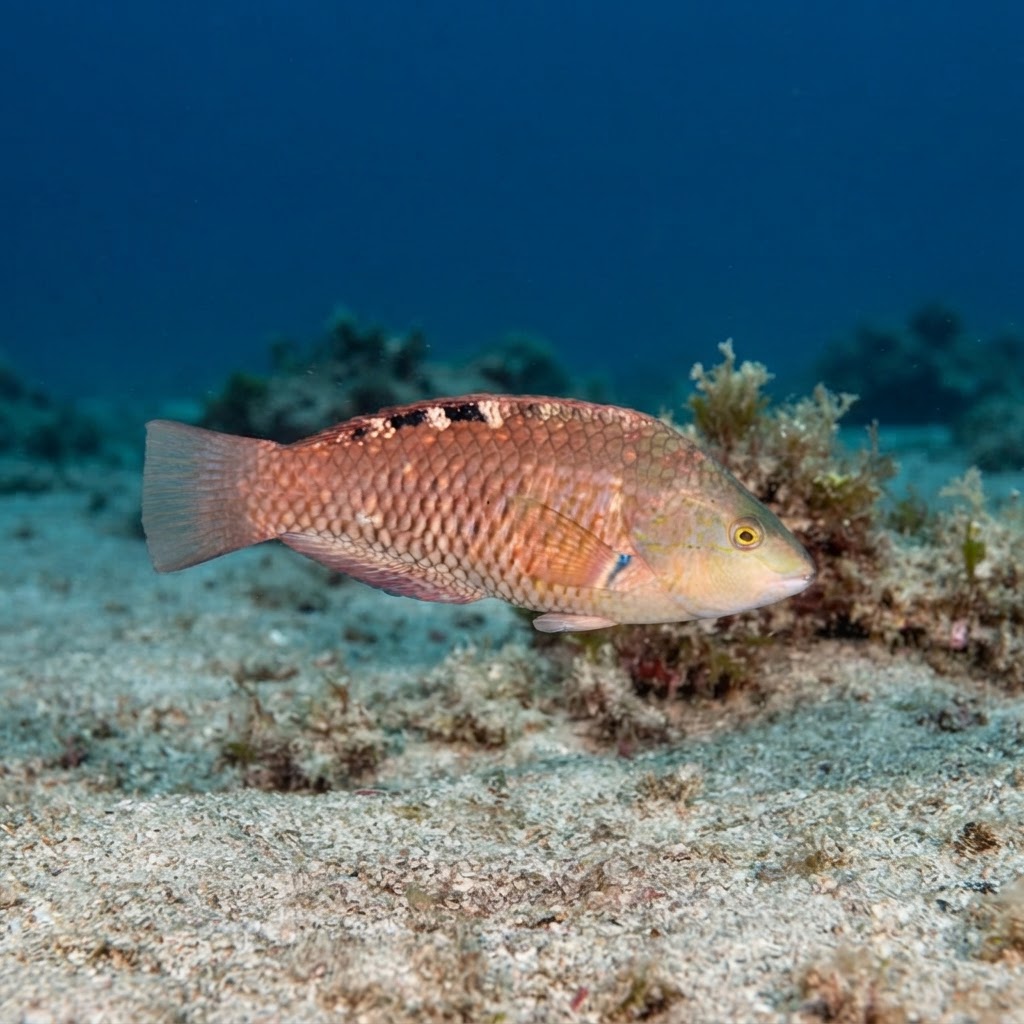
A small, slender-bodied wrasse topping out around 11 cm, easy to overlook against a rocky reef backdrop. Look for it hovering close to rock and rubble in the demersal (near-bottom) zone rather than out in open water. Its size and low-key colouring mean it often registers as a background fish until you slow down and look closely at ledges and crevices.
Divers typically find it uncommon rather than abundant, poking around rocky reef structure between 10 and 50 metres rather than schooling in open water. It behaves like a typical small wrasse, picking around crevices and rubble for food and staying close to cover, with no reported interest in or wariness of divers beyond normal reef-fish caution.
No clear seasonal pattern shows up in the sightings, so treat it as a year-round find. It sits in a 20.2 to 23.3C temperate water niche, conditions that persist through much of the year on these southwest Pacific reefs.
Most reliably logged around North Island, New Zealand and New South Wales, Australia, with a strong presence at rocky reef sites in both regions. A handful of sightings also come from Norfolk Island, making it a nice bonus find on temperate reef dives across the southwest Pacific.
Mapping where Luculent Wrasse is logged…
It turns up most often on rocky reefs off North Island, New Zealand and New South Wales, Australia, with occasional sightings around Norfolk Island. It favours demersal rocky habitat over open water or sandy flats.
Sightings don't show a strong seasonal pattern, so it's considered a year-round species. It's found in water between 20.2 and 23.3C, a range that holds for much of the year at its known sites.
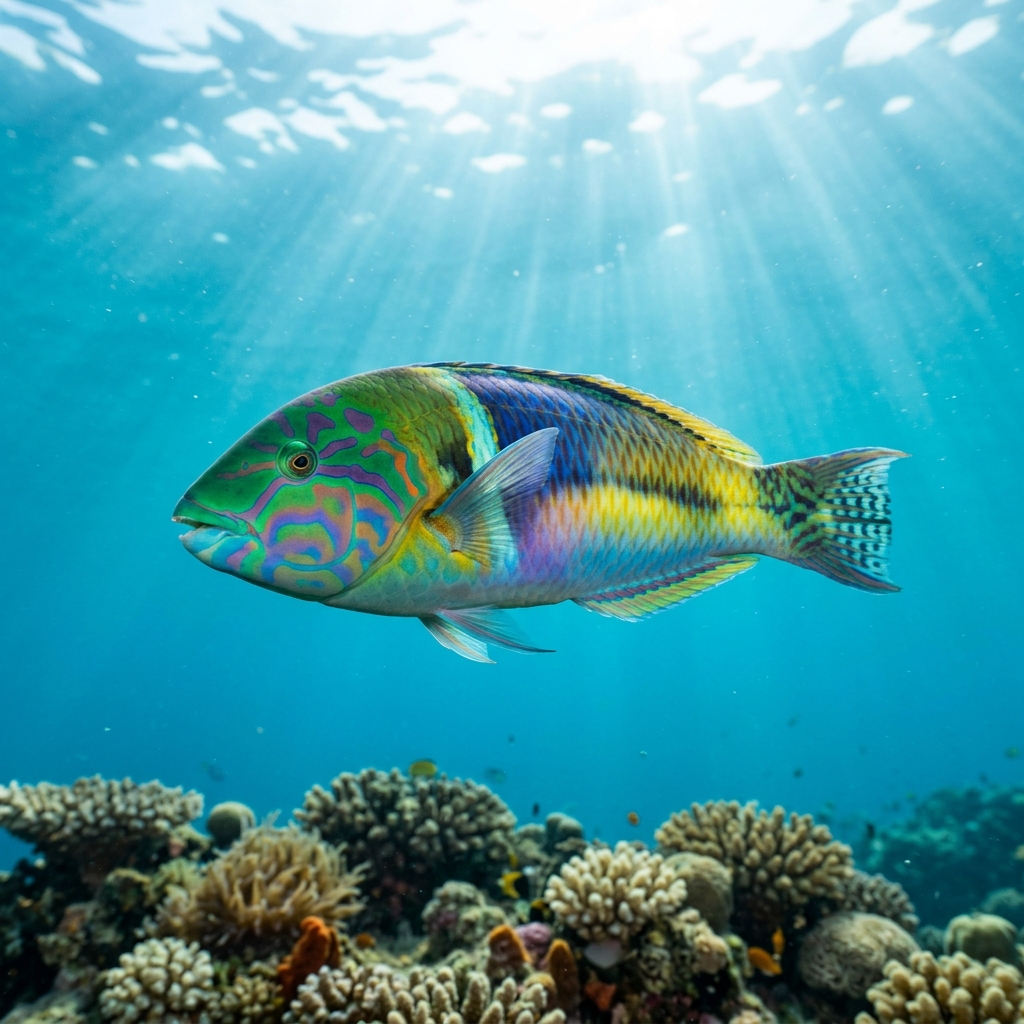
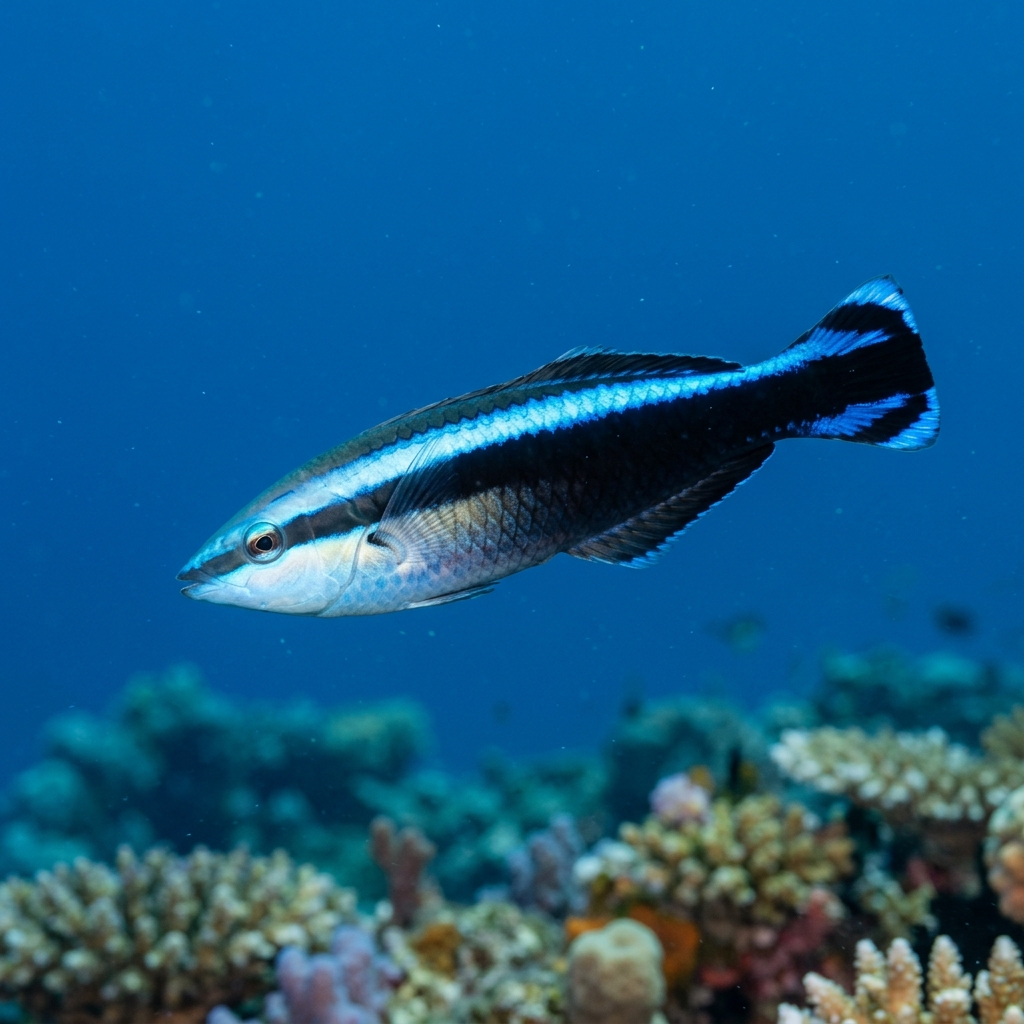
Look for a small, slender wrasse around 11 cm long, hovering or picking near rocky reef structure rather than swimming in open water. It's easy to miss given its modest size and understated colouring compared to showier reef wrasses.
They're a small species, typically reaching around 11 cm, which puts them well below the reef-dominating wrasses divers often picture like gropers or tuskfish.
No. They're a small, non-aggressive reef fish with no reported risk to divers.
Site and sighting data is aggregated from diver logs, iNaturalist and GBIF. For taxonomy and conservation status:
Bird Wrasses
3,632 sites