Cirrhilabrus lubbocki
A pocket-sized flame of colour on Visayas and Sulawesi reefs, uncommon but findable in warm 28-29C water year-round.
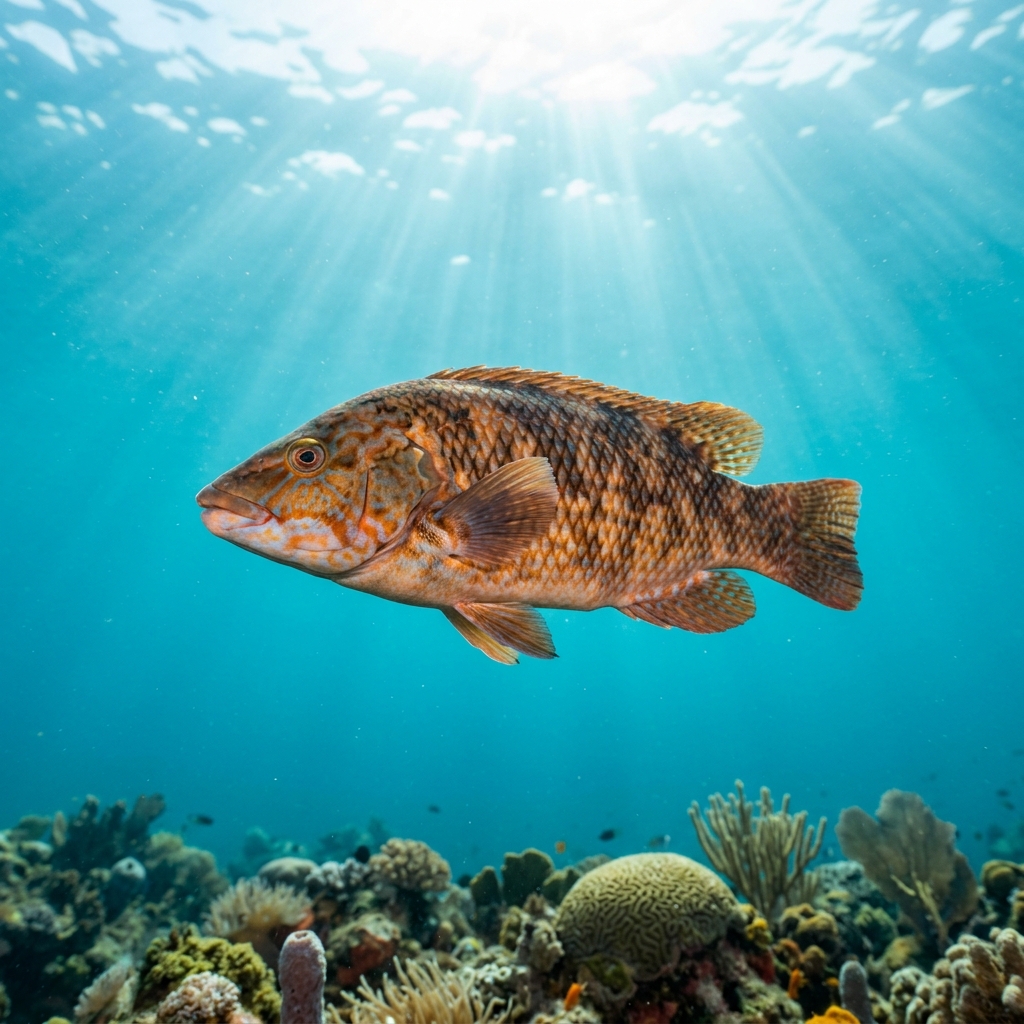
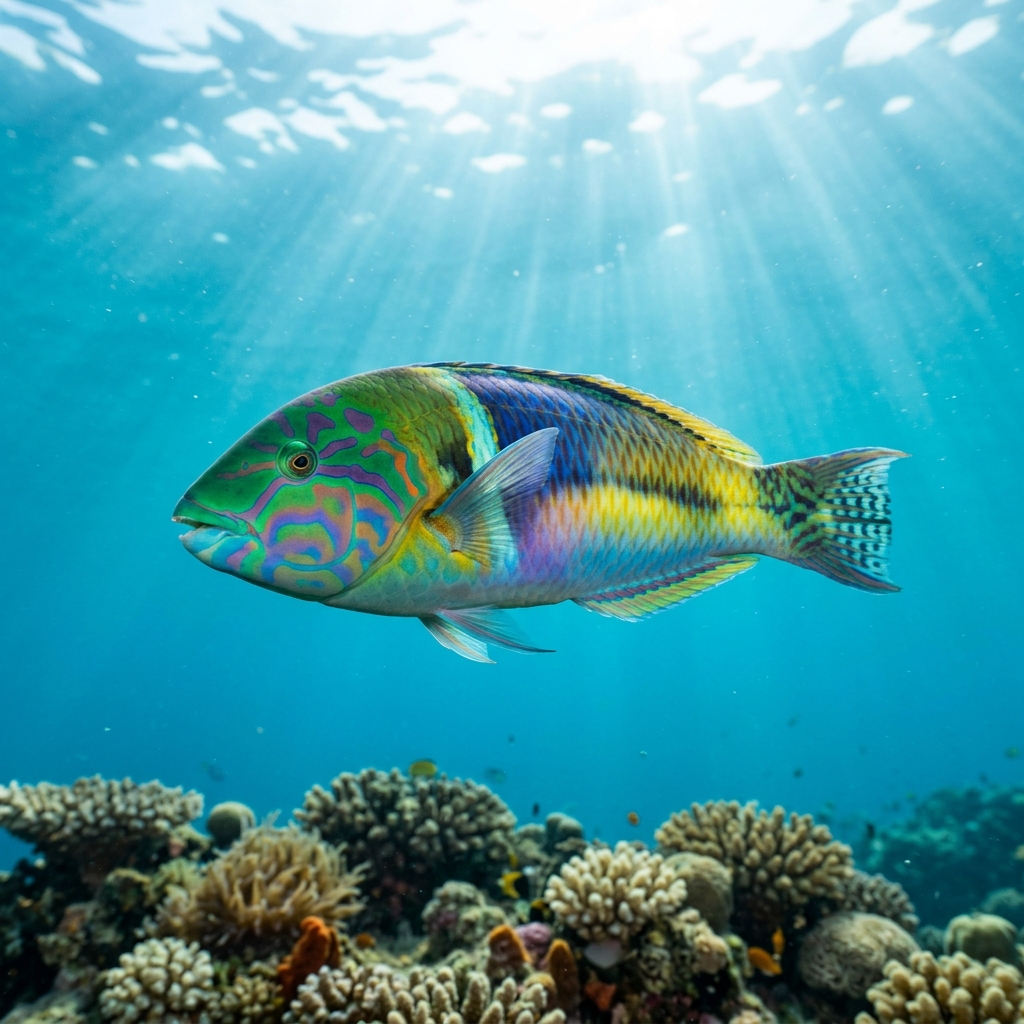
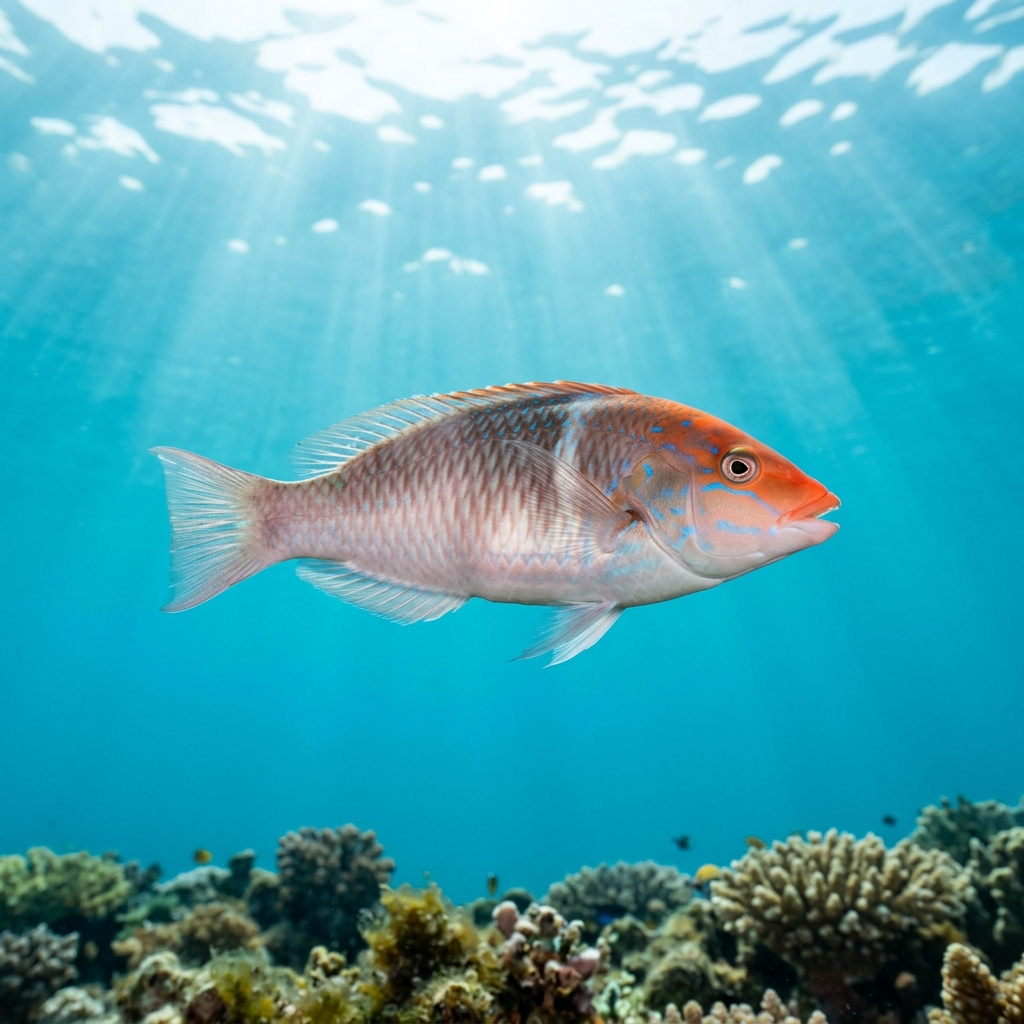
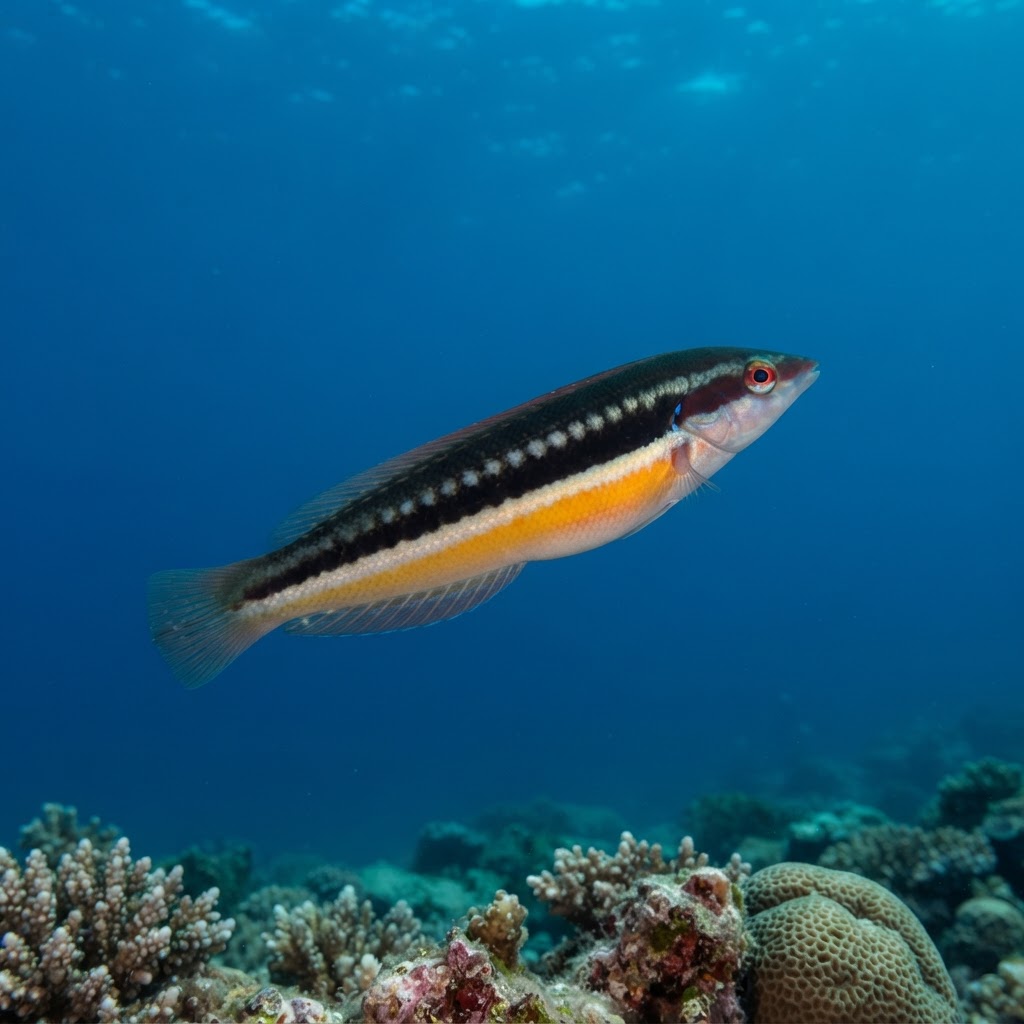
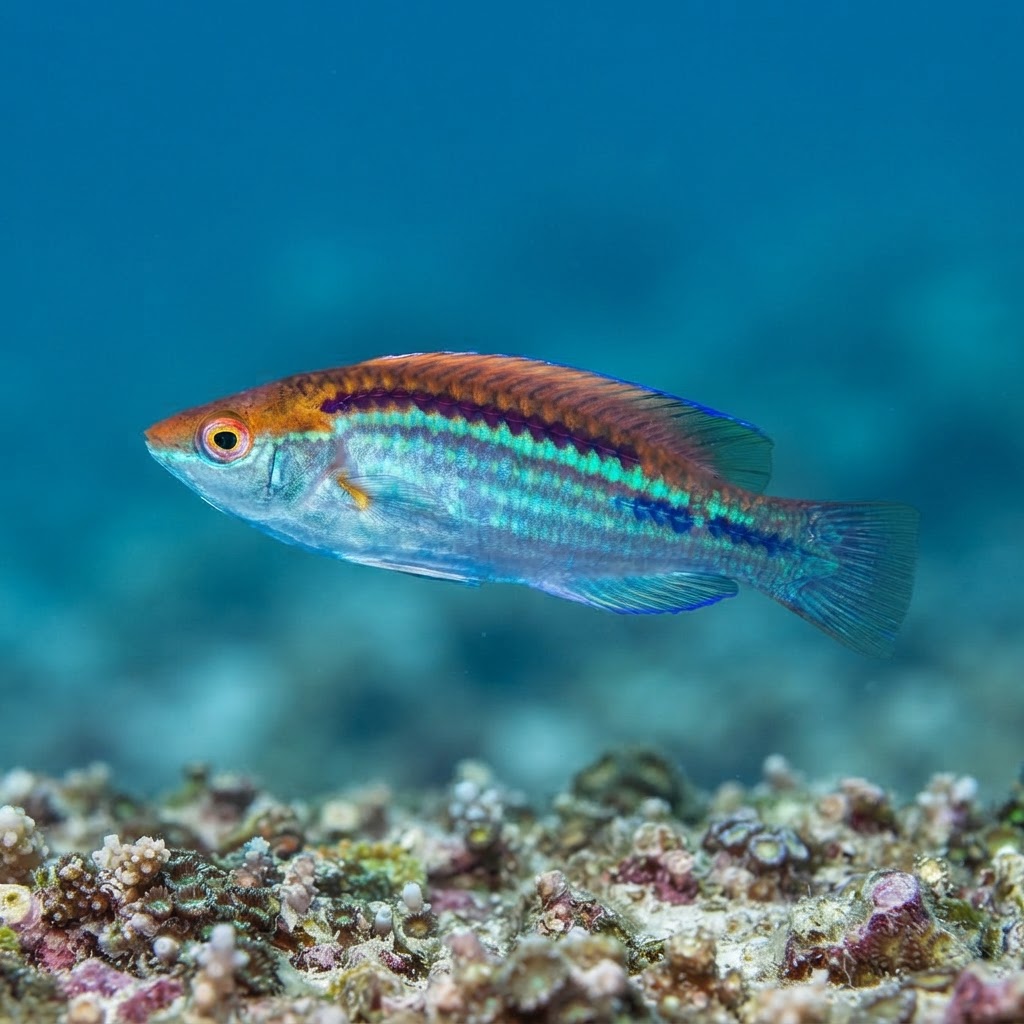
A tiny wrasse, barely 5 cm, with a slender torpedo-shaped body coloured in shades of red, orange and pink that shift with the light. Look for fine blue streaks or edging along the dorsal fin and a pale underside that helps it blend against rubble and coral debris. It swims with the quick, darting flicks typical of fairy wrasses, rarely holding still for long.
Watch the lower reef slopes and rubble patches where small fairy wrasses pick at plankton and tiny invertebrates drifting past. It tends to stay close to shelter, darting out to feed then ducking back towards coral heads or debris if a diver gets too close. Most sightings are logged as uncommon, so patience and a slow scan of the substrate pays off more than searching open water.
Fairy wrasses like this one are haremic, meaning one brightly coloured male typically presides over a small group of duller females, a pattern worth watching for if you spot more than one individual together.
No clear seasonal pattern shows in the sightings, and with water sitting in a narrow 28 to 29C band year-round, this is a fish you can look for on any dive trip to its range. Plan around good site selection rather than a particular month.
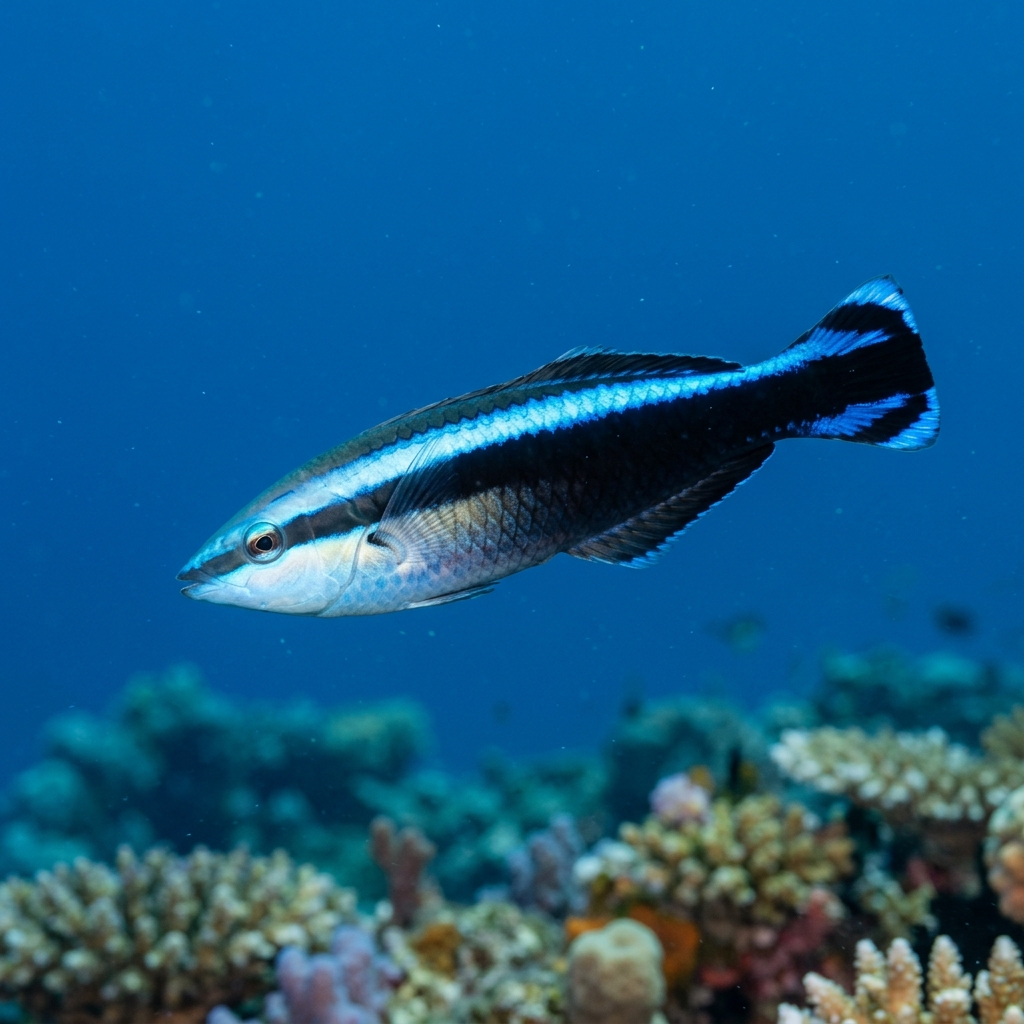
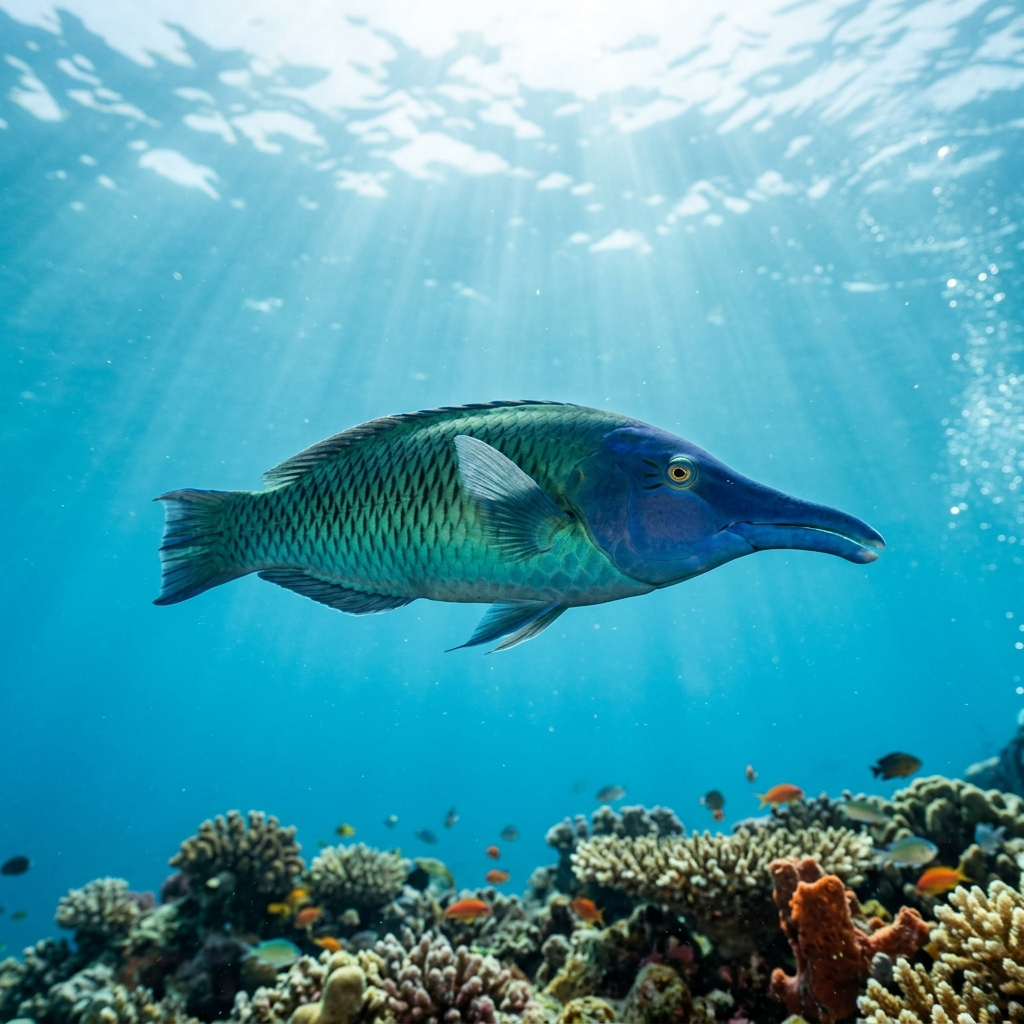
Reef neighbours a diver could mistake it for. Use the identification notes above to tell them apart.
Most reliably found in the Philippines, especially across the Visayas, with a solid secondary population in Sulawesi, Indonesia. Smaller numbers turn up on Mindanao, making this a Coral Triangle specialist rather than a fish you will stumble on outside the region.
Mapping where Lubbock's Wrasse is logged…
Best chances are in the Philippines, particularly the Visayas region, and in Sulawesi, Indonesia. Smaller populations are also logged around Mindanao.
There is no strong season in the sightings data, and the warm 28 to 29C water it favours holds steady year-round, so it can be looked for on any visit to its range.
Look for a small, slender wrasse around 5 cm long in reddish-orange tones with blue highlights on the fins. It moves in quick darts near rubble and coral rather than swimming steadily in open water.
They stay small, reaching around 5 cm as adults, which is typical for fairy wrasses in the Cirrhilabrus genus.
No, they pose no risk to divers. They are small carnivores that feed on plankton and tiny invertebrates and have no interest in interacting with people.
Most divers who find it log it as uncommon rather than common, so it takes a bit of searching along rubble and reef edges rather than being a guaranteed sighting.
Site and sighting data is aggregated from diver logs, iNaturalist and GBIF. For taxonomy and conservation status:
Bird Wrasses
3,632 sites