Parequula melbournensis
Cool-water silverbelly logged across South Australia, Victoria and Western Australia, usually turning up as an uncommon find on temperate reef dives.
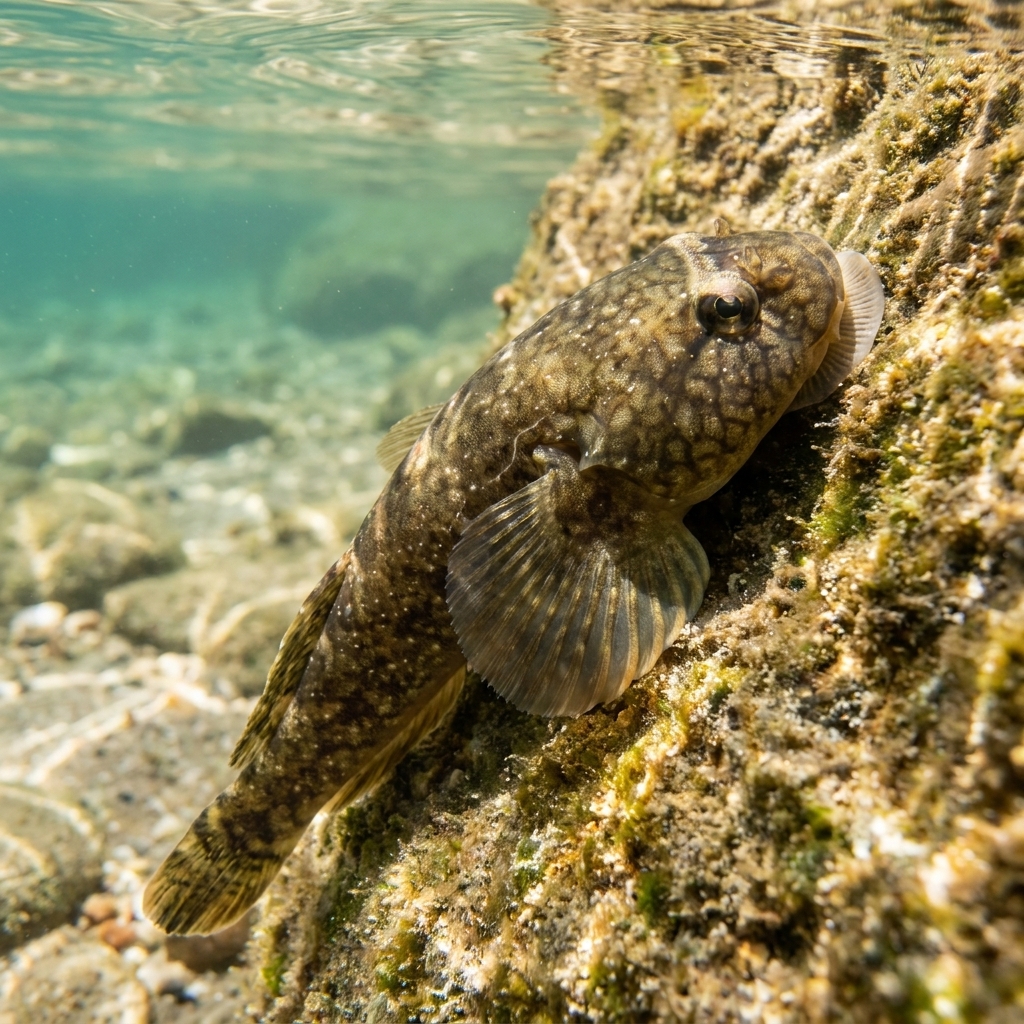
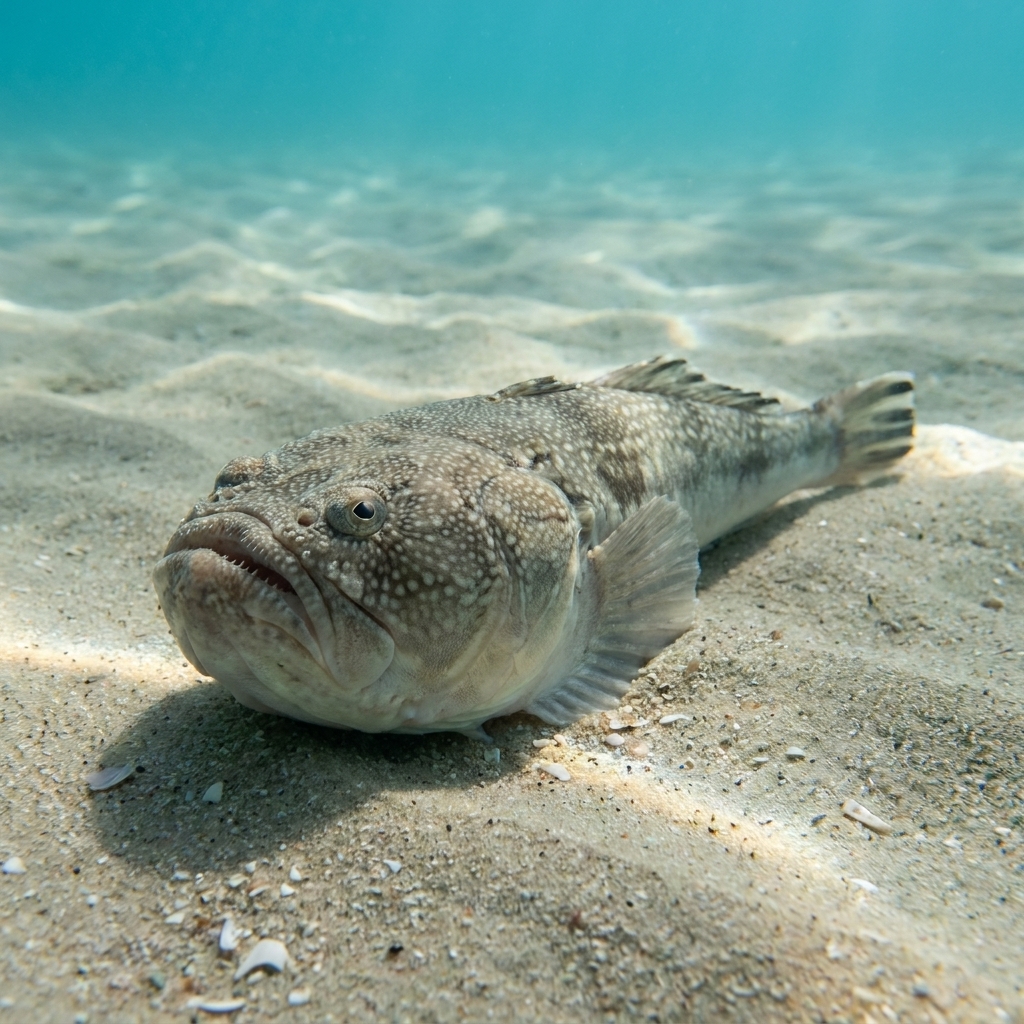
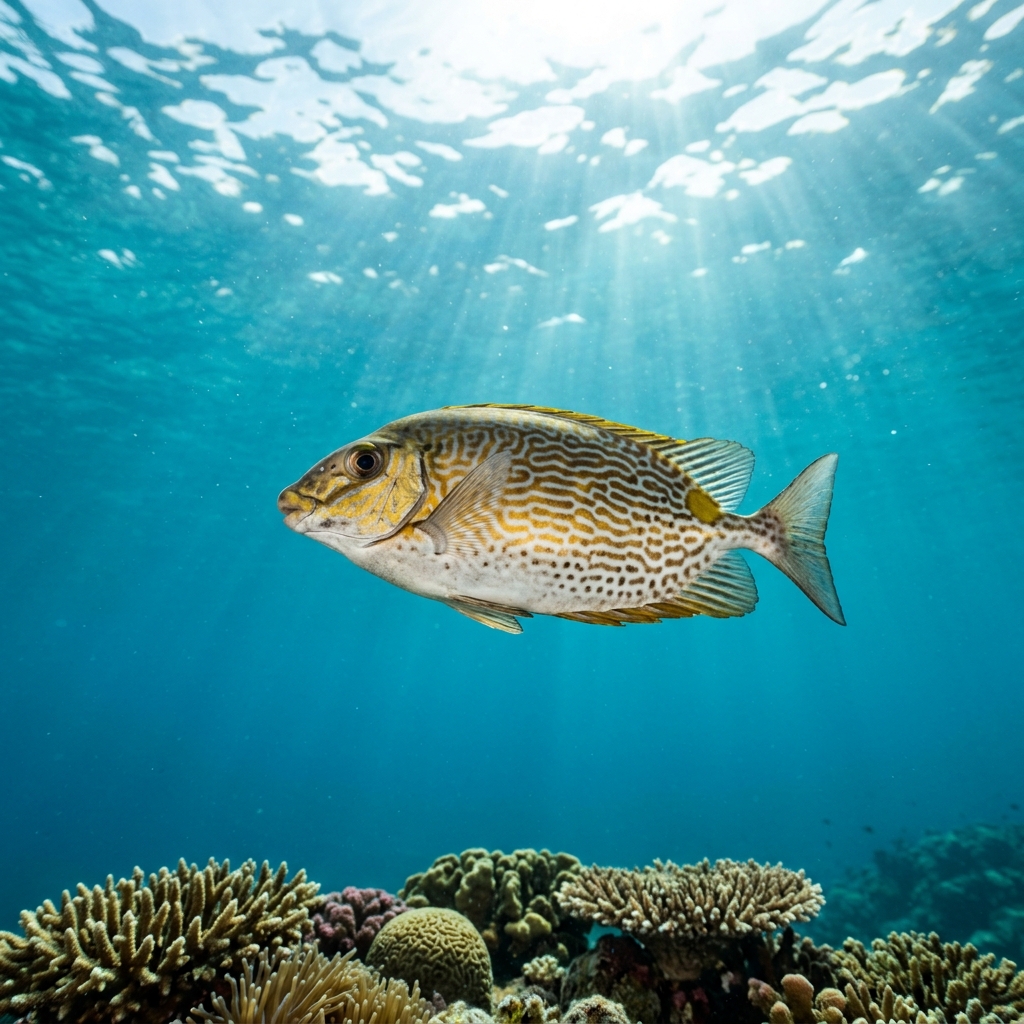
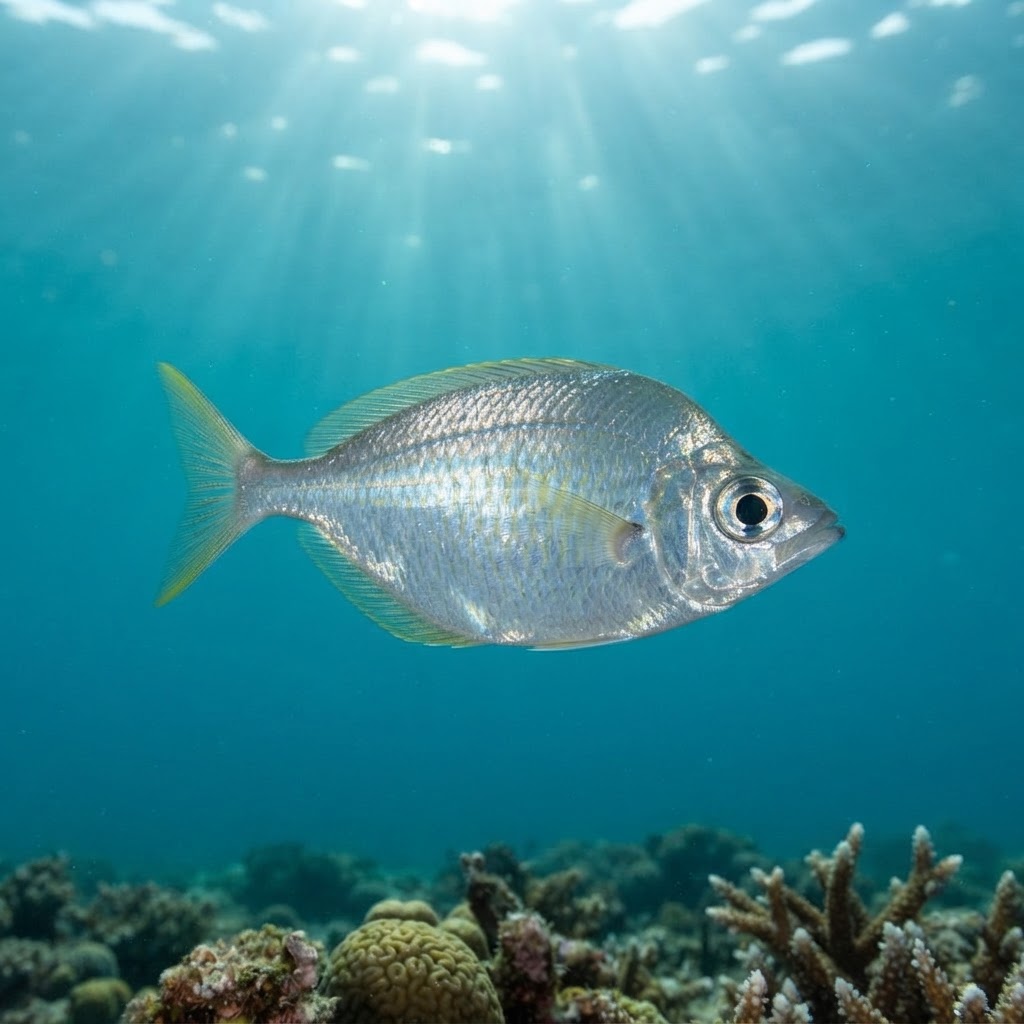
A small, deep-bodied fish around 15 cm with a compressed, almost coin-shaped silhouette and an overall silvery-grey sheen. Look for a subtly humped back profile, a small downturned mouth suited to picking at the sand, and low, unremarkable fins that give it its common name. It has no bold stripes or bright patches, so it tends to blend into sandy or rubble patches rather than stand out.
Divers typically spot it hovering low over sand or rubble patches, moving in short unhurried bursts as it forages near the bottom. It is not shy exactly, just easy to overlook: it holds its ground rather than bolting, but its plain silvery colouring means it is often missed unless you are looking closely at the substrate. Most logs describe single or loosely scattered individuals rather than tight schools.
Its silvery, low-key look is a classic case of a fish built for blending into sand and rubble rather than for display, which is exactly why it is logged as uncommon or rare even where it is present.
Sightings are recorded year-round with no clear seasonal spike, matching a species comfortable across a fairly cool 14.7 to 20.1 C range. Plan around water temperature and site conditions rather than a particular month.
South Australia is the strongest area for logging this fish, with Victoria a reliable second and a couple of sites turning it up in Western Australia. It sits firmly in the cooler waters of southern Australia rather than the tropical reefs further north.
Mapping where Lowfin Silverbelly is logged…
It is most reliably logged in South Australia, with additional sightings in Victoria and a couple of sites in Western Australia. It is a southern Australian temperate-water species rather than a tropical reef fish.
There is no strong seasonal pattern in the sightings, so it is considered a year-round find within its 14.7 to 20.1 C temperature range. Timing your dive around good conditions matters more than chasing a season.
Look for a small, deep-bodied, silvery-grey fish around 15 cm long with a compressed shape and low, plain fins. It lacks bold markings, so it is identified more by its shape and habit of hovering near sand or rubble than by colour.
They are a small fish, typically reaching around 15 cm in length, so most sightings are of fish easily overlooked against the seabed.
No. They pose no threat to divers and simply go about foraging near the bottom, easily approached and observed at a distance.
Site and sighting data is aggregated from diver logs, iNaturalist and GBIF. For taxonomy and conservation status:
Soldierfish
3,612 sites