Gerres longirostris
Silvery reef forager often overlooked in Egypt's Red Sea Riviera and Marsa Alam, in warm 25-29C water year-round.
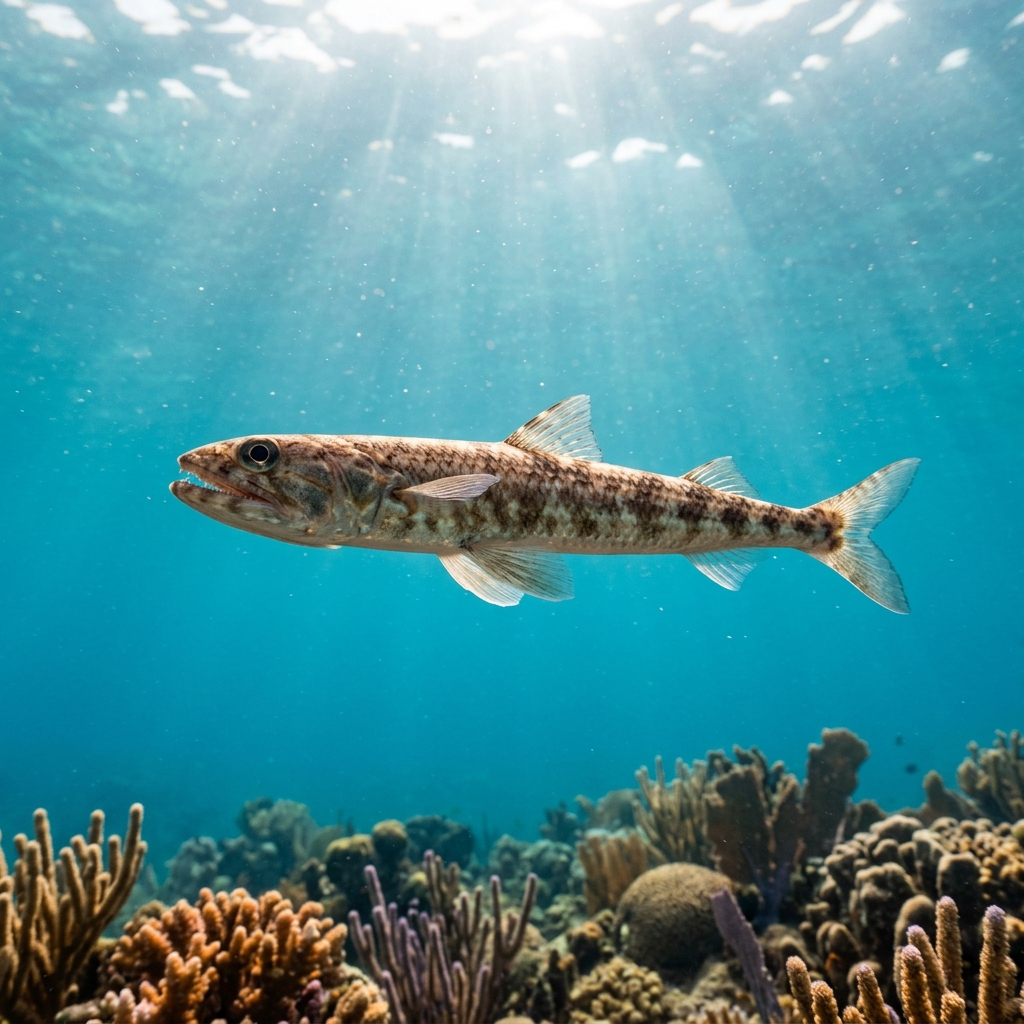
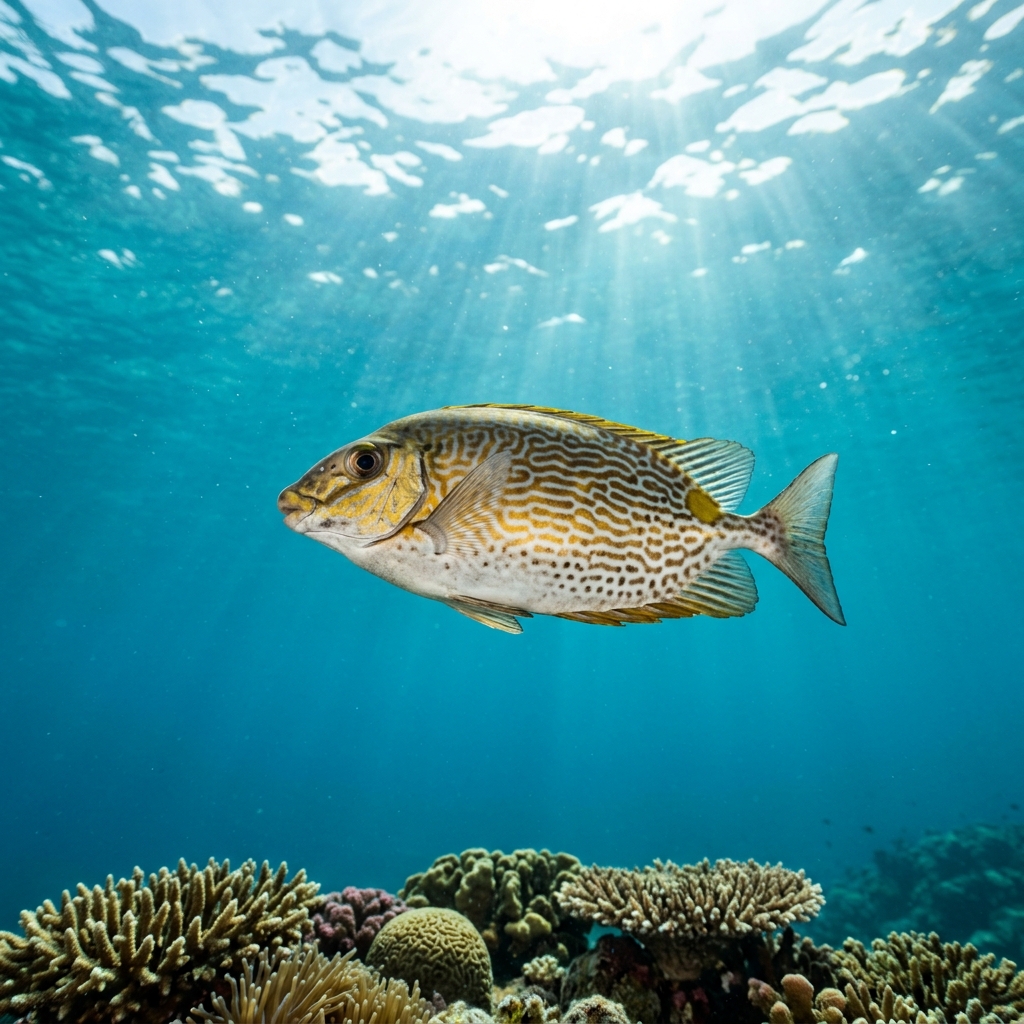
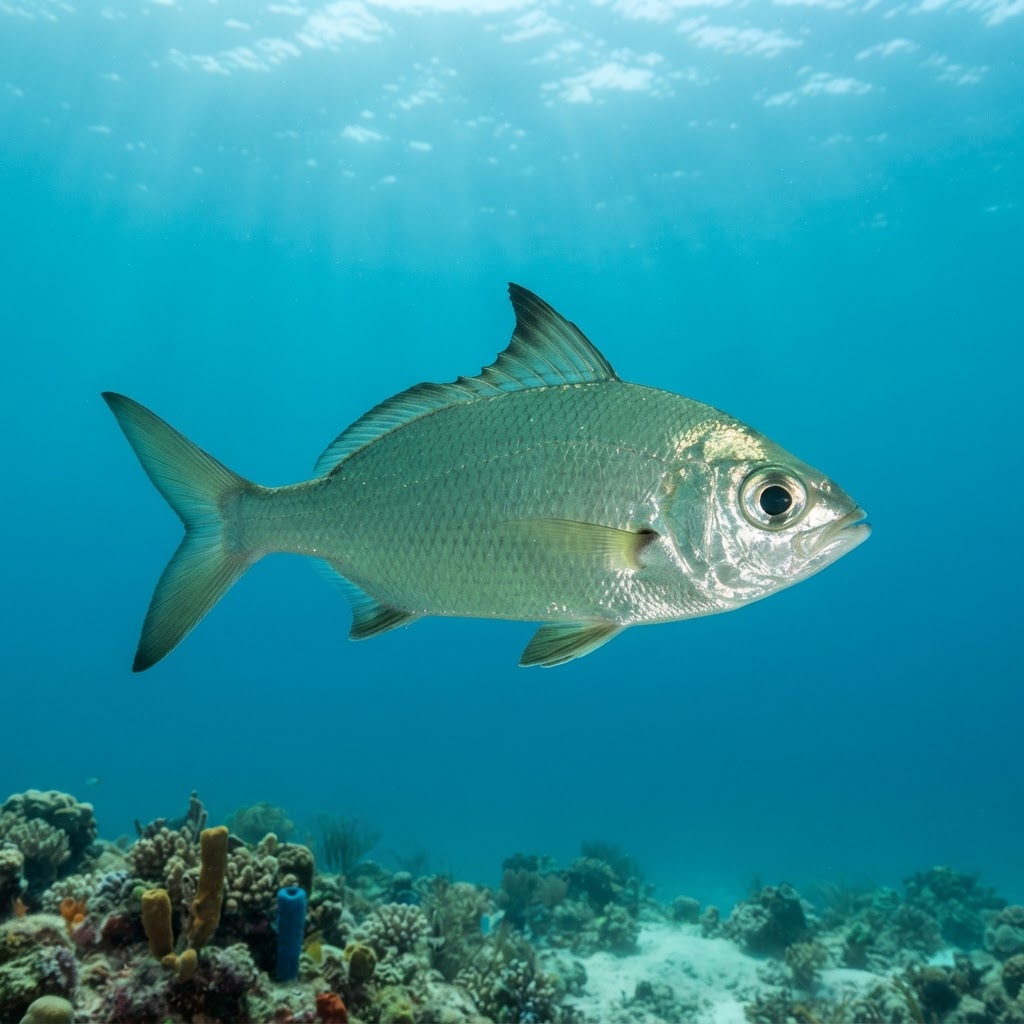
Look for a slim, laterally flattened body with a bright silver sheen and a faintly yellow tinge along the back. The snout is long and pointed, angled downward, which it uses to probe sand for food. A deeply forked tail and a single continuous dorsal fin help separate it from the deeper-bodied butterflyfish it sometimes gets lumped in with by newer divers.
Usually spotted hovering low over sand or rubble patches near the reef edge, sometimes alone but often in small loose groups. It tips its snout down to probe the substrate for buried invertebrates, then drifts off unhurried if divers get close. Not a fish that schools tightly or performs, so it's more of a background sighting than a dive highlight.
That downturned, extendable-looking snout is a sand-sifting tool: it lets the fish root out small worms and crustaceans buried just under the surface without stirring up much of the bottom.
No strong seasonal pattern shows up in the data, and with a comfortable range of roughly 25 to 29 C it's present on these reefs year-round. Plan around the region's general dive season rather than chasing a specific month for this fish.
Most reliably logged in Egypt, especially the Red Sea Riviera and Marsa Alam & the Deep South, with further sightings along South Sinai. Outside Egypt it turns up on the Red Sea Coast of Saudi Arabia and around Phuket in Thailand, with occasional records from New Caledonia, Israel's Eilat, and Reunion.
Mapping where Longtail Silverbiddy is logged…
Egypt is the strongest bet, particularly the Red Sea Riviera and Marsa Alam & the Deep South. It's also logged along Saudi Arabia's Red Sea Coast and around Phuket in Thailand.
There's no clear seasonal spike in sightings, and the water it's found in stays warm (around 25 to 29 C) throughout the year, so it's a year-round sighting rather than a seasonal one.
Check for a slim silver body, a long downturned snout, and a deeply forked tail. It swims low over sand and rubble, using that snout to probe for food rather than picking at coral.
They typically reach around 31 cm, giving them a noticeably elongated, streamlined look in the water compared to rounder reef fish nearby.
No, they pose no threat to divers and simply move off if approached too closely.
Its long, flexible snout can be angled almost straight down, working like a probe to dig small invertebrates out of sand without much disturbance to the seabed.
Site and sighting data is aggregated from diver logs, iNaturalist and GBIF. For taxonomy and conservation status:
Soldierfish
3,612 sites