Dinolestes lewini
Slim, silver and torpedo-shaped, longfin pike turn up on most New South Wales dives year-round in 15 to 23C water. Here's where to find them.
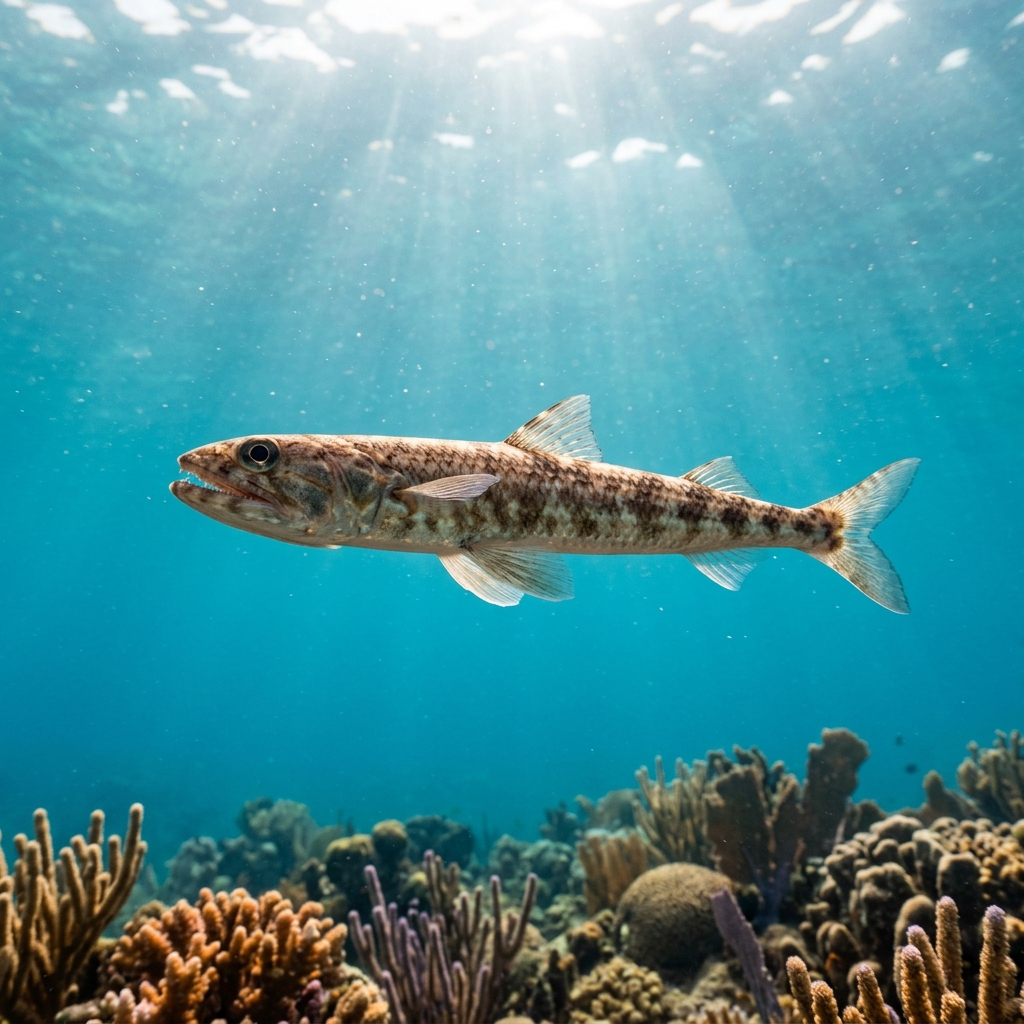
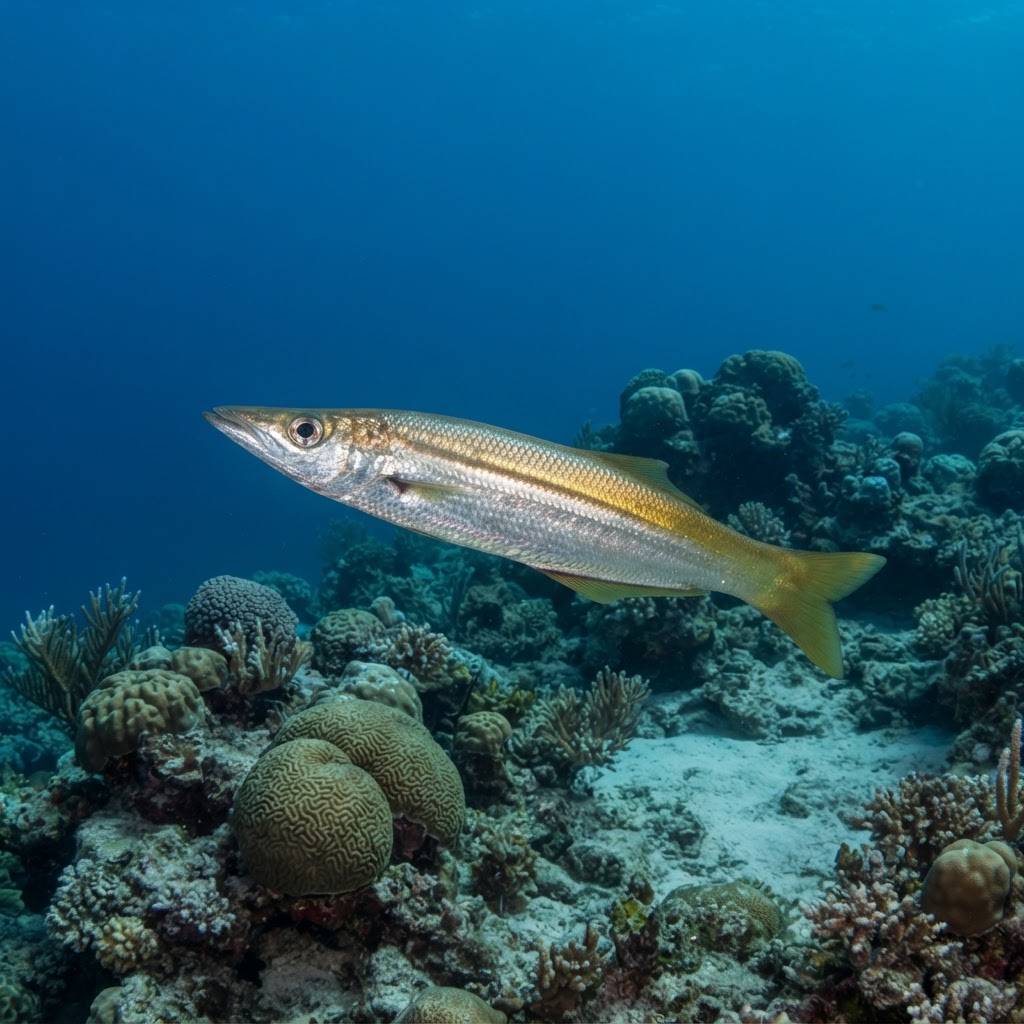
Long, slender and torpedo-shaped, growing to around 58 cm, with a pointed, pike-like snout that gives it away instantly. The body is silvery with a faint greenish or bluish sheen along the back, and the long dorsal and anal fins run well back towards the tail, giving a stretched, streamlined look. Look for it holding just off the reef in loose, mid-water groups rather than tucked into structure.
Divers typically find longfin pike hanging in loose, open-water groups just off rocky or reef structure, hovering with little apparent effort rather than actively hunting in front of you. They tend to hold their distance and drift along the reef edge rather than approach, so a slow, steady approach gives the best look. Most logs describe them as uncommon to common at a given site, meaning a patient scan of mid-water above the reef is often rewarded.
That pike-like snout is a real hunting tool: longfin pike are ambush predators of small baitfish, using bursts of speed from a stationary hover rather than sustained chases.
Sightings show no clear seasonal pattern, and the species is logged across a wide temperature range of roughly 15 to 23C, so it's a reasonable bet on New South Wales reef dives at any time of year.
Longfin pike are an Australian speciality, with the strongest and most consistent sightings logged in New South Wales, at sites right along the coast. Smaller but reliable numbers turn up further afield in Tasmania, Western Australia, South Australia and Victoria, so it's a fish worth watching for on temperate reef dives right around the southern half of the country.
Mapping where Longfin Pike is logged…
New South Wales, Australia is by far the most reliable region, with sightings logged at sites all along the coast. Smaller numbers of dive sites report them in Tasmania, Western Australia, South Australia and Victoria too.
There's no strong seasonal pattern in the sighting data, so they're logged year-round. They're recorded across a wide water temperature range of about 15 to 23C, which fits typical southern Australian conditions most of the year.
Look for a slender, silvery, torpedo-shaped fish up to about 58 cm with a distinctly pointed, pike-like snout. The long dorsal and anal fins set well back towards the tail are a good confirming detail, especially when it's hovering in loose mid-water groups off the reef.
They typically reach around 58 cm in length, giving them a lean, elongated profile that's easy to pick out from rounder reef fish nearby.
No, they're not considered dangerous to divers. They tend to keep their distance rather than approach, so there's no need to change your behaviour around them.
That pointed snout isn't just for show: longfin pike are ambush hunters, hovering almost motionless before using a burst of speed to snatch small baitfish, rather than chasing prey down over distance.
Site and sighting data is aggregated from diver logs, iNaturalist and GBIF. For taxonomy and conservation status:
Soldierfish
3,612 sites