Macropodia rostrata
Spot this spindly-legged crab in Zeeland's cool waters or England's rocky reefs, a year-round find for divers who look closely.
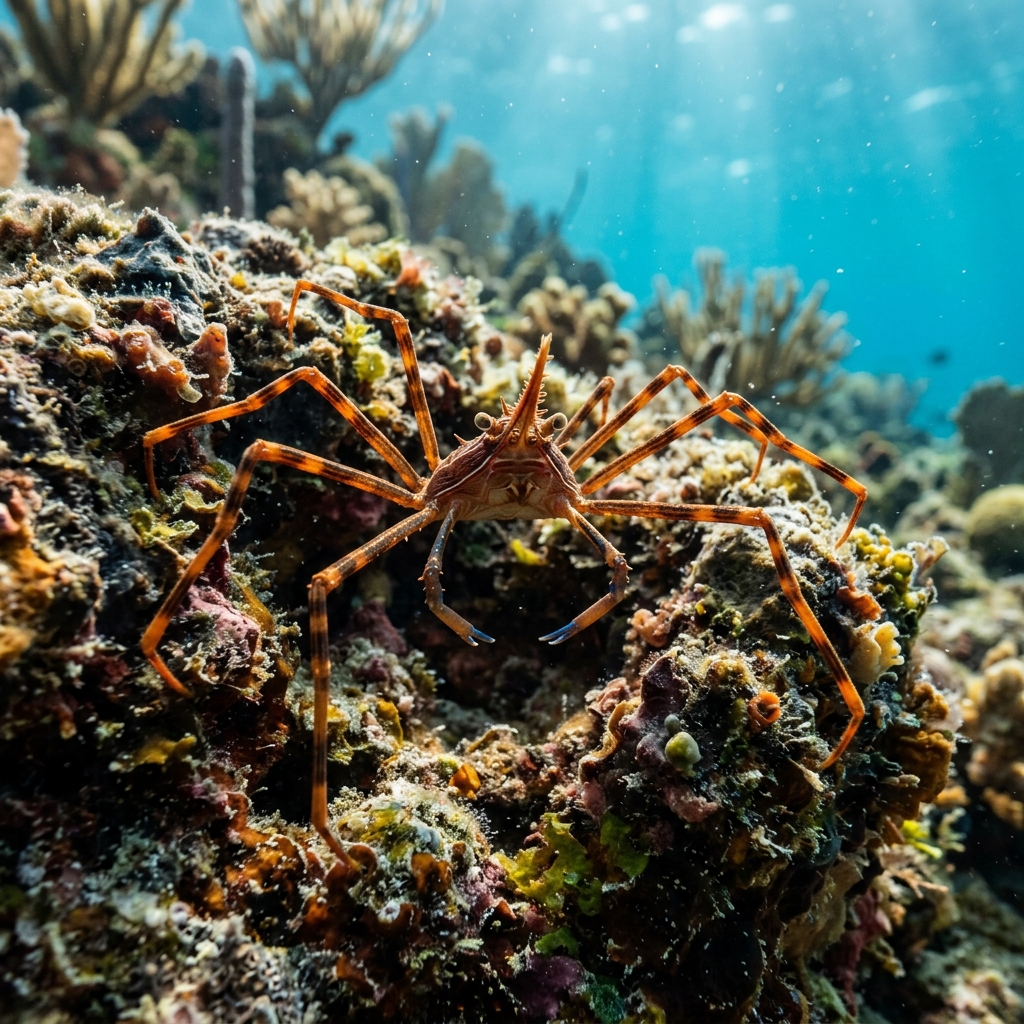
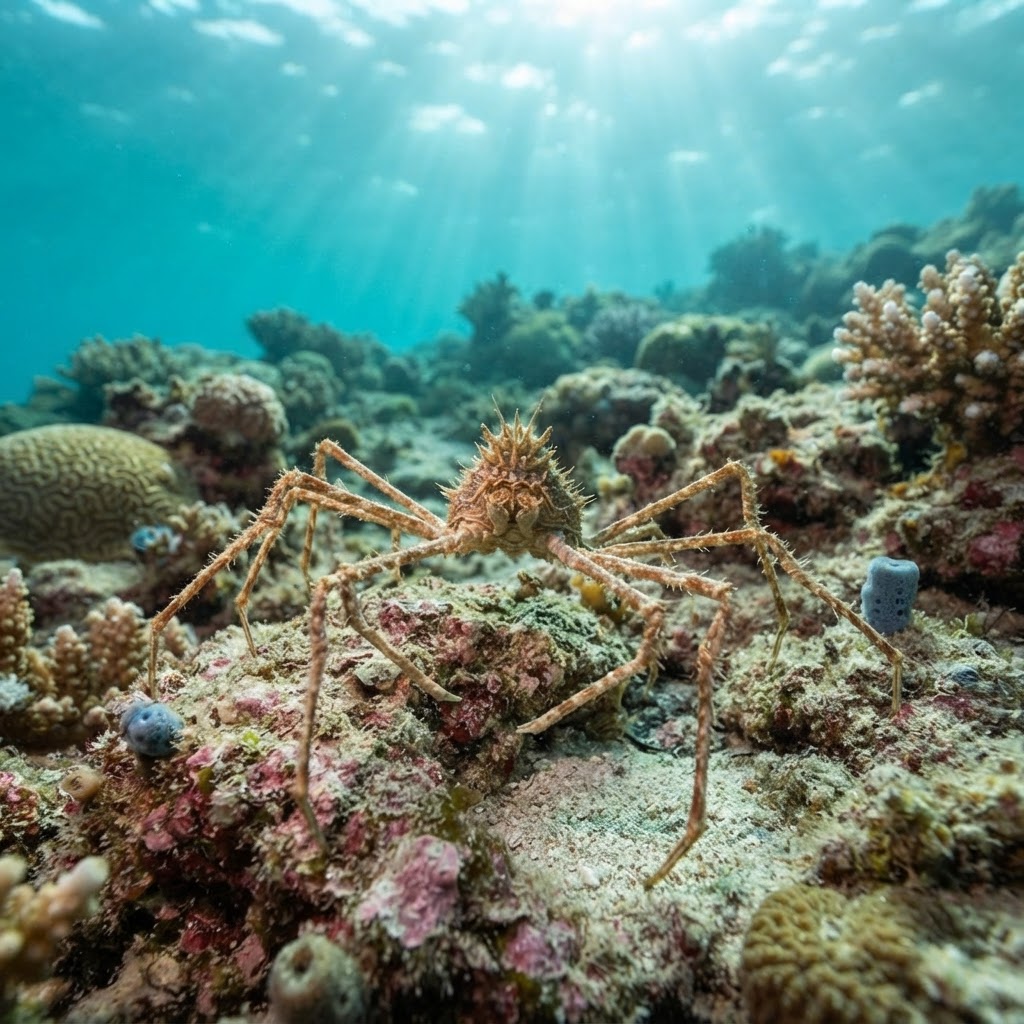
Look for a small, roughly triangular shell no wider than a couple of centimetres, perched on absurdly long, thin, spindly legs that make the whole animal look bigger than it is. Colour runs from dull brown to olive or reddish, often matching whatever weed or hydroid growth it is hiding among. It moves slowly and stiffly, and many carry a fuzz of algae or debris on the shell that helps it disappear against rock and weed.
Divers usually find it sitting motionless among weed, hydroids or on rocky ledges, relying on its dull colouring and debris-covered shell to go unnoticed rather than fleeing. It tends to hold still even as a torch or camera comes close, only shuffling off on those long legs if directly disturbed. Most logs come from the shallower rocky and mixed-ground sites typical of UK and Dutch coastal diving.
Like other members of its family, it decorates its shell with bits of algae and sponge, turning itself into a small moving patch of reef rather than relying on speed or size to avoid predators.
Sightings show no clear seasonal pattern, and with a comfort range of roughly 9 to 15 C it turns up across the cooler months divers typically log in these regions, so treat it as a year-round find rather than a seasonal one.
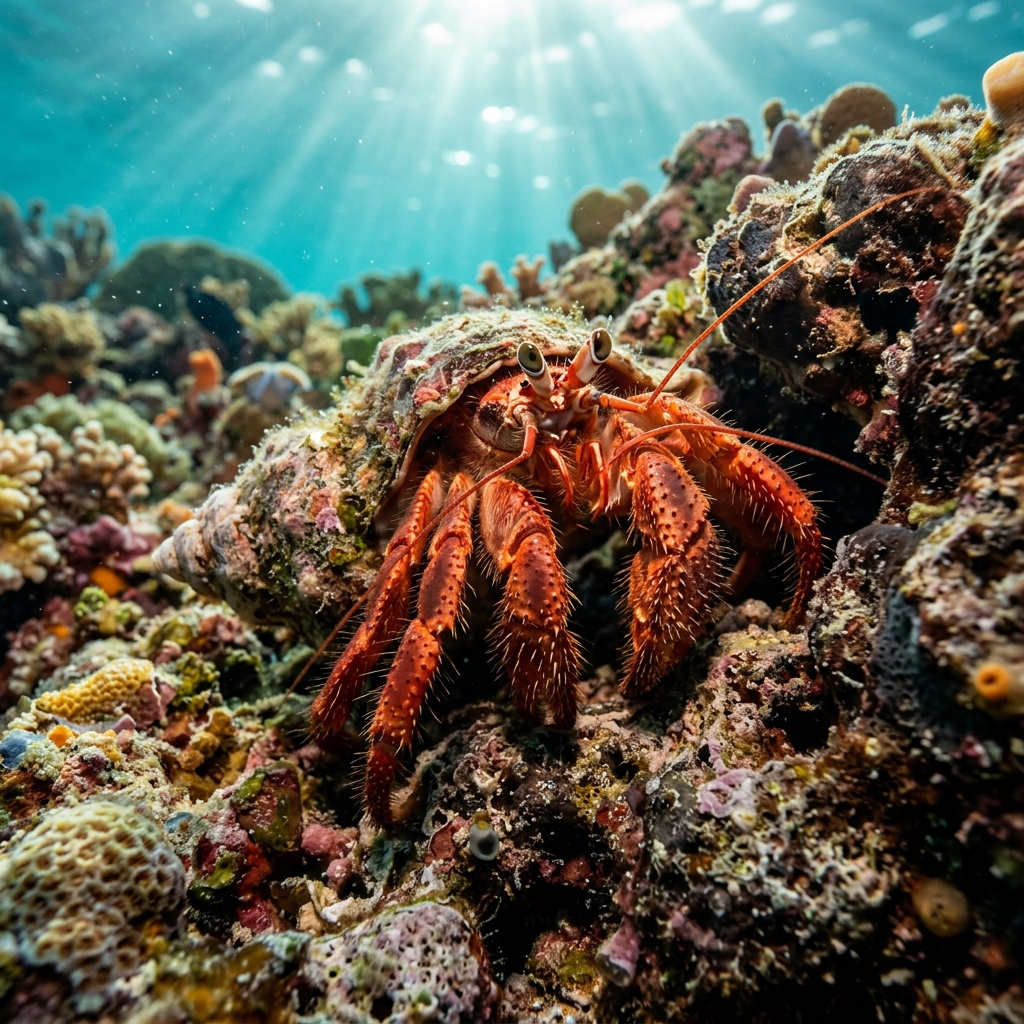
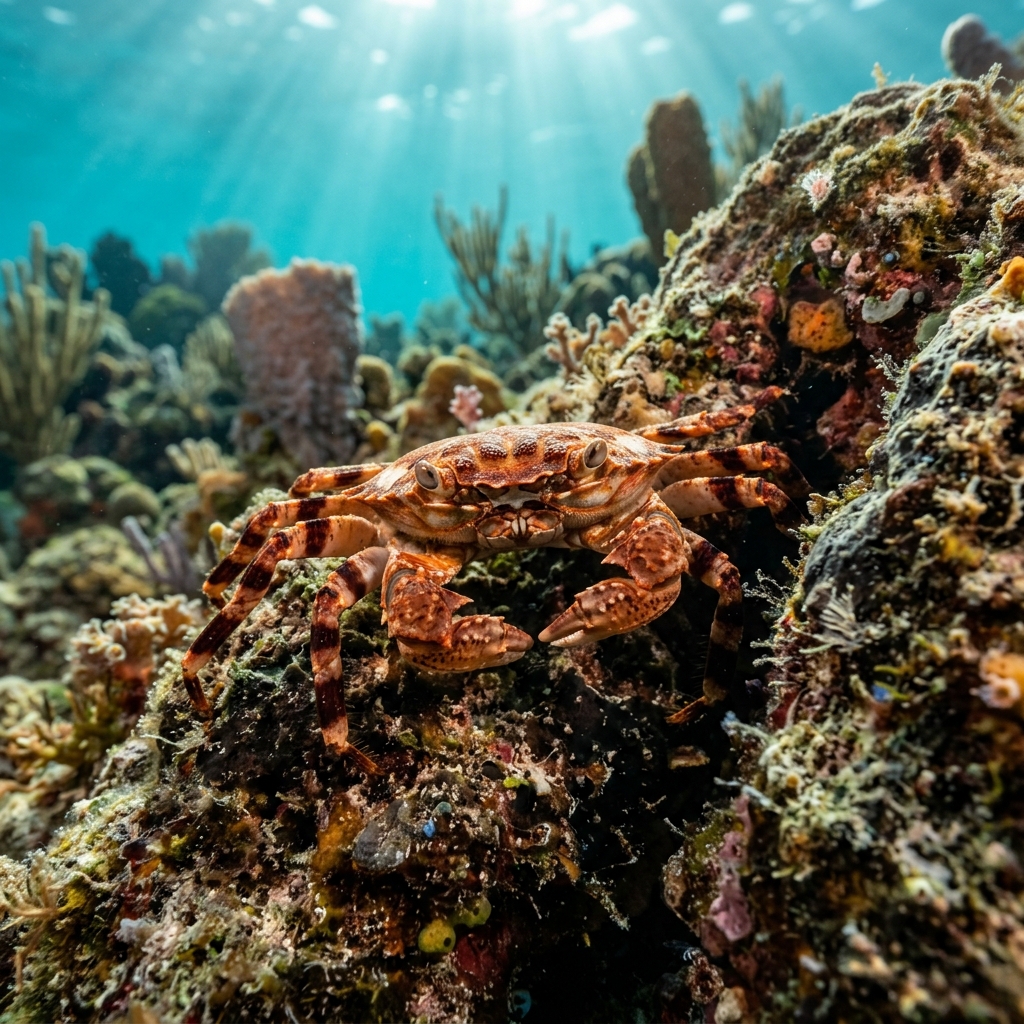
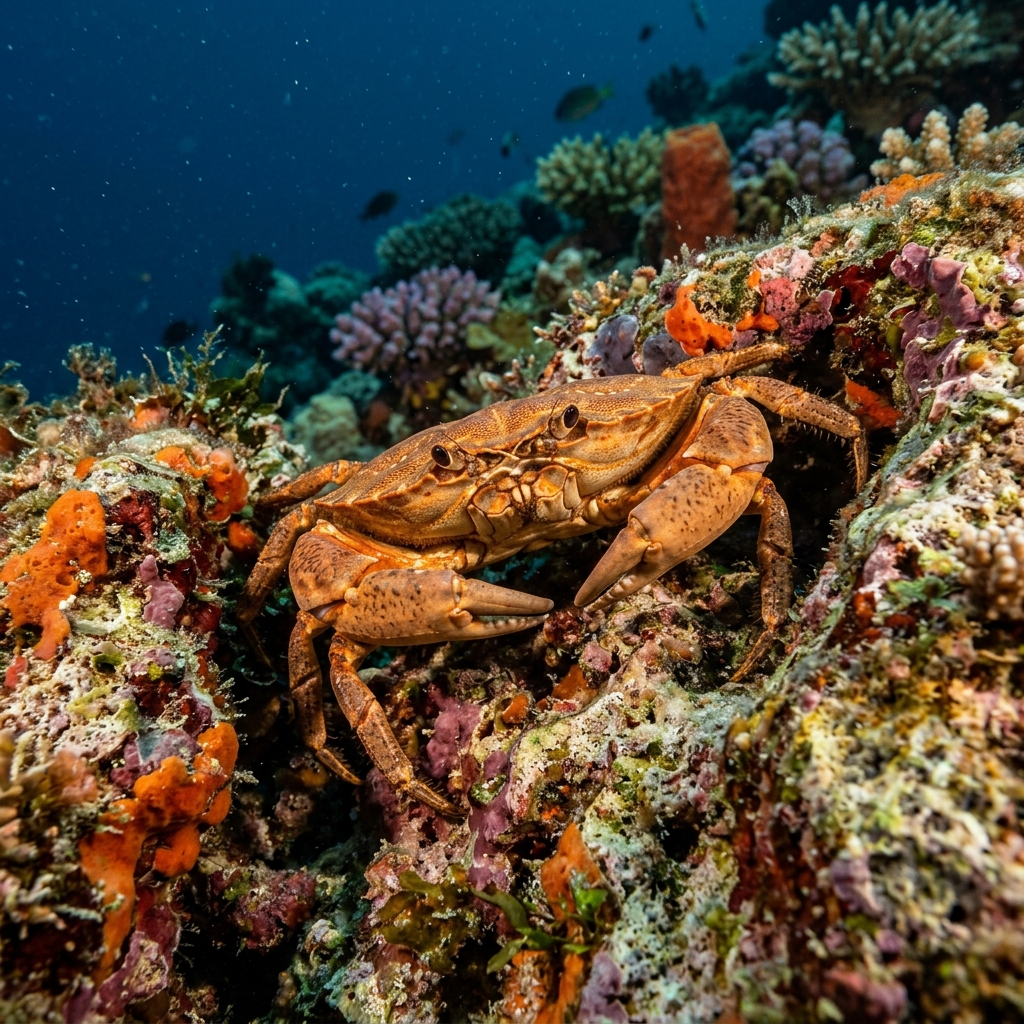
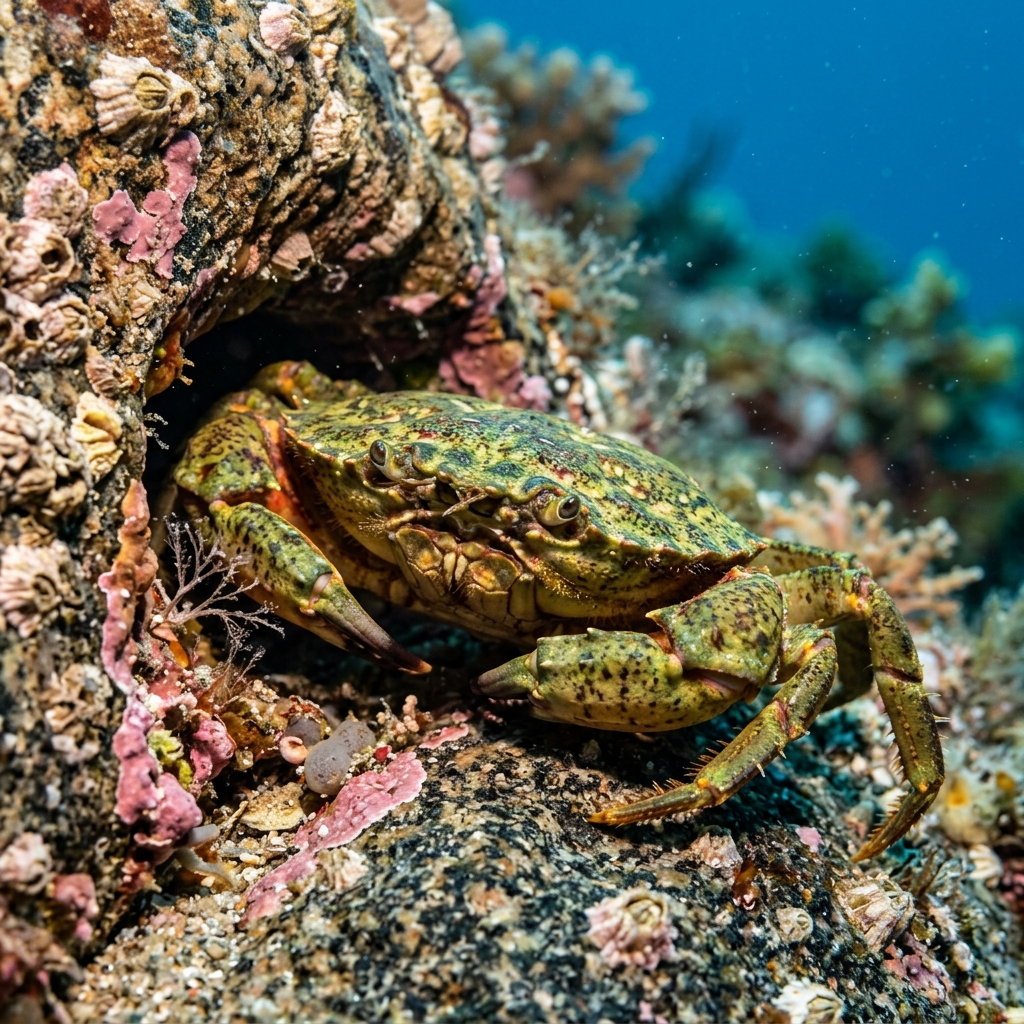
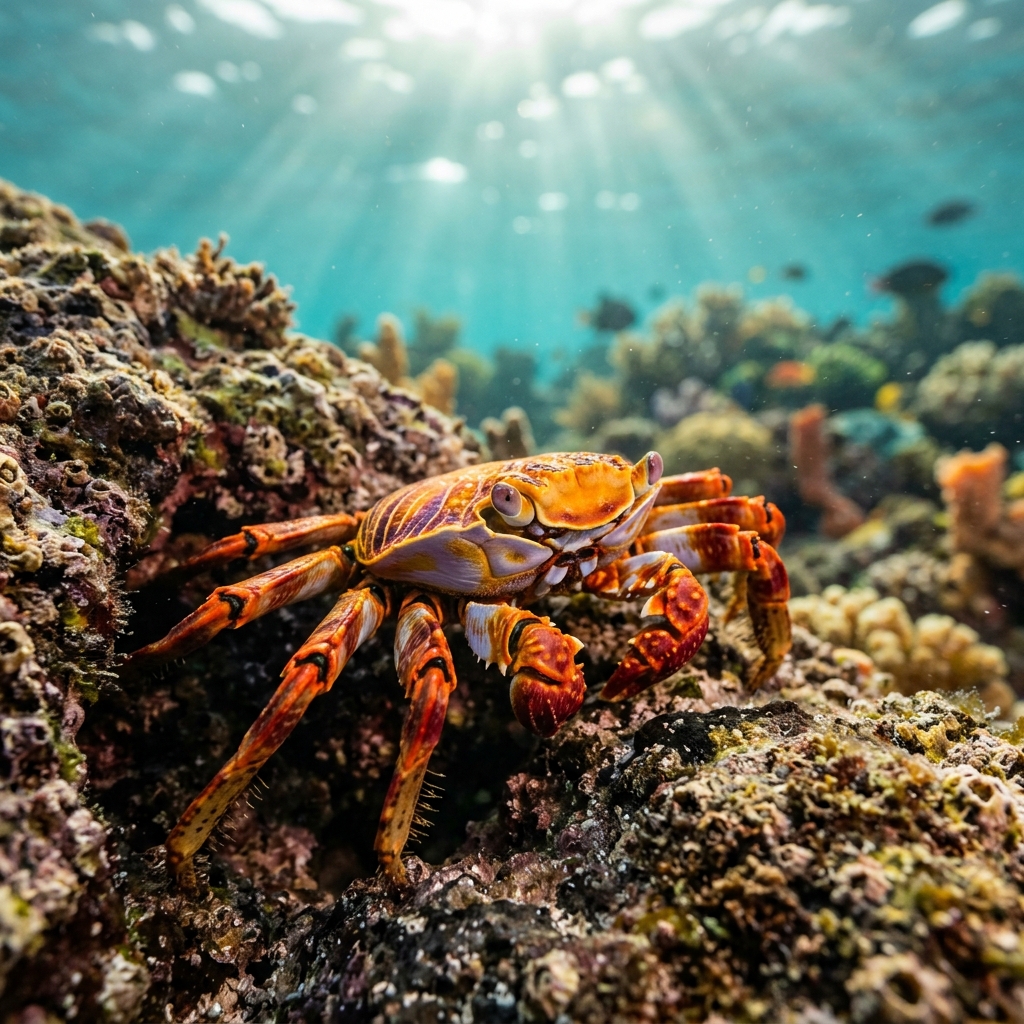
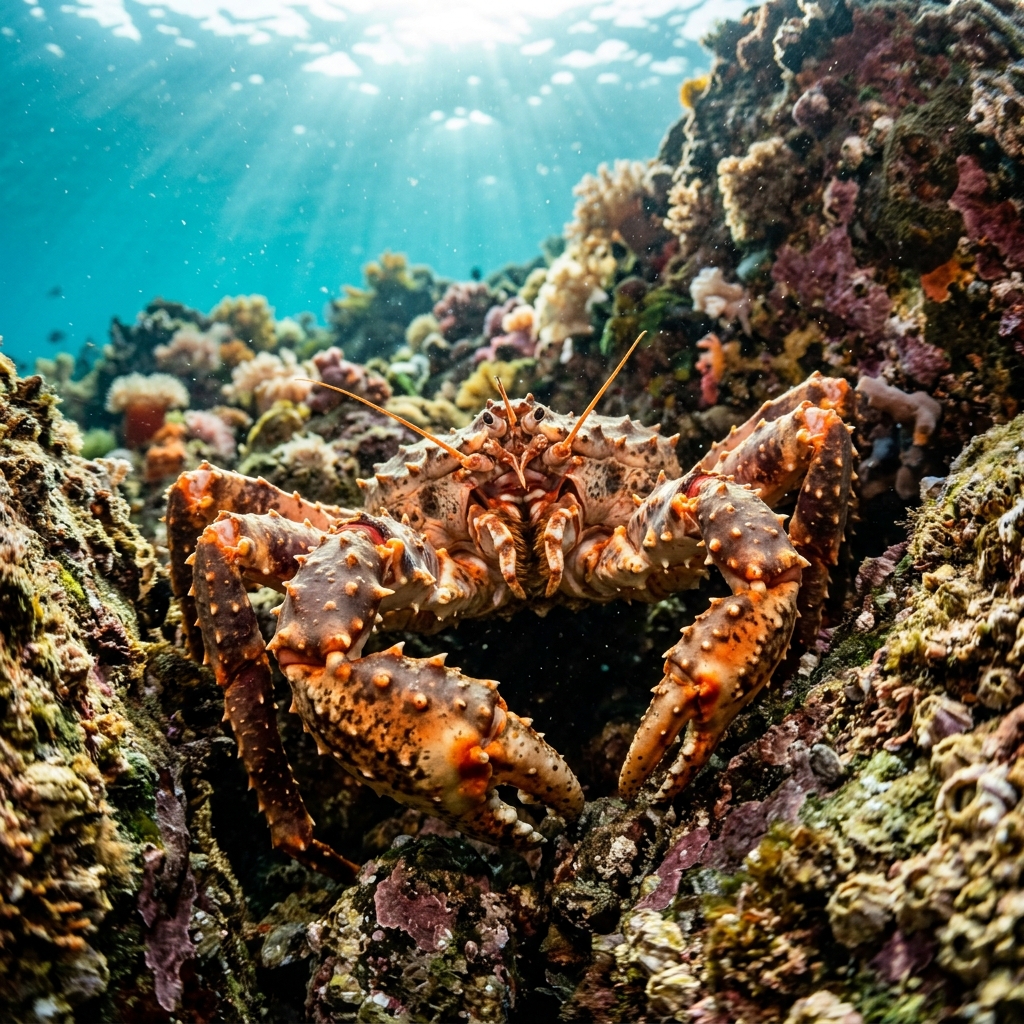
Reef neighbours a diver could mistake it for. Use the identification notes above to tell them apart.
Most consistently logged in the United Kingdom, with strong records across England and Scotland, and a reliable presence in Zeeland in the Netherlands. A single German sighting comes from Schleswig-Holstein, so it is best treated as a north-west European species rather than one tied to any single dive hub.
Mapping where Long-legged Spider Crab is logged…
It is most often logged around England and Scotland in the UK, and in Zeeland in the Netherlands, with occasional records from Schleswig-Holstein in Germany. It favours rocky and weedy ground typical of these north-west European coasts.
There is no strong seasonal pattern in the sightings, so it can turn up on any dive year-round in its cooler water range of roughly 9 to 15 C.
Look for a small triangular shell carried on very long, thin legs, usually brown or olive and often covered in bits of algae or debris for camouflage. It sits still on rock or weed rather than swimming or scuttling about openly.
The shell itself is small, only a couple of centimetres across, but the long spindly legs make the overall span look considerably larger in the water.
No, they pose no threat to divers. They are slow-moving and rely on camouflage rather than any defensive behaviour, so they can be safely observed and photographed up close.
Site and sighting data is aggregated from diver logs, iNaturalist and GBIF. For taxonomy and conservation status:
European Green Crab
2,469 sites