Neoodax balteatus
A small, easily-missed wrasse in cool weedy water off Australia, best spotted with a slow eye in Western Australia and Tasmania.
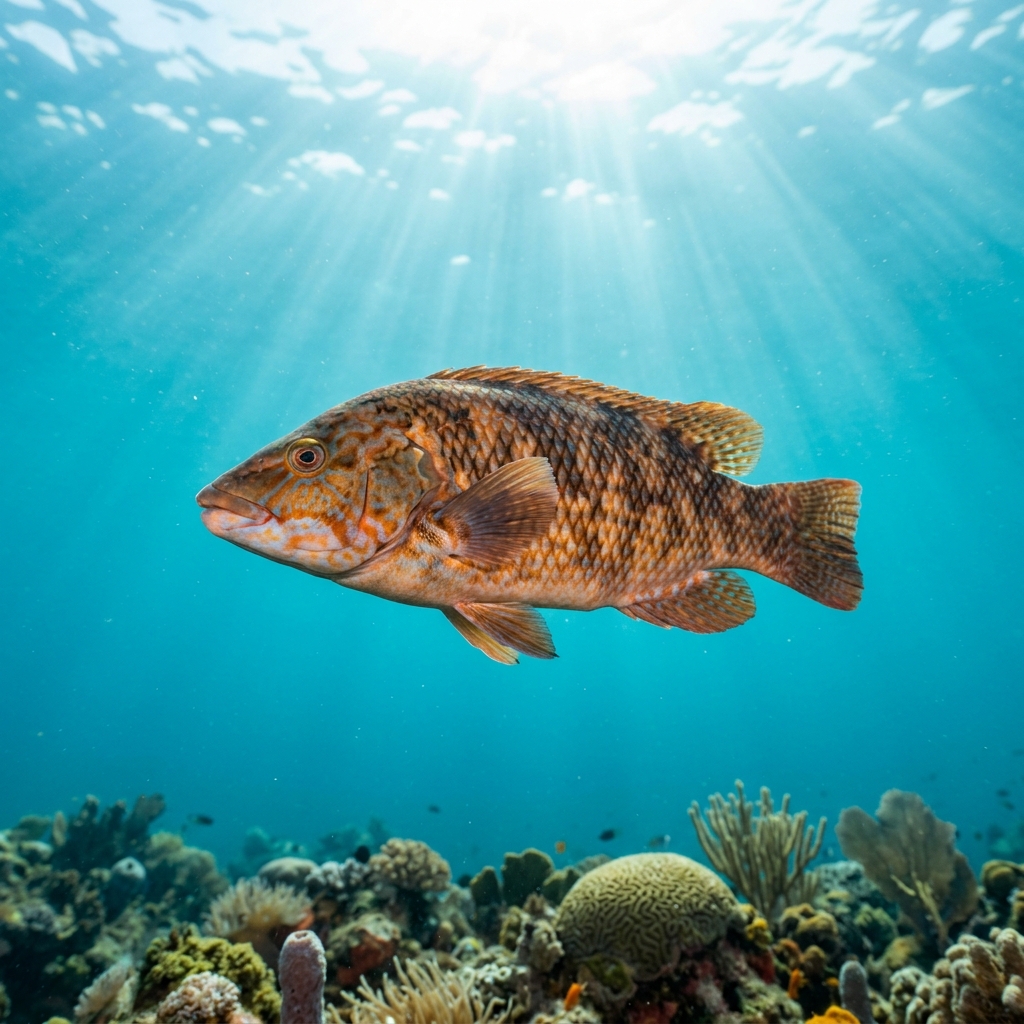
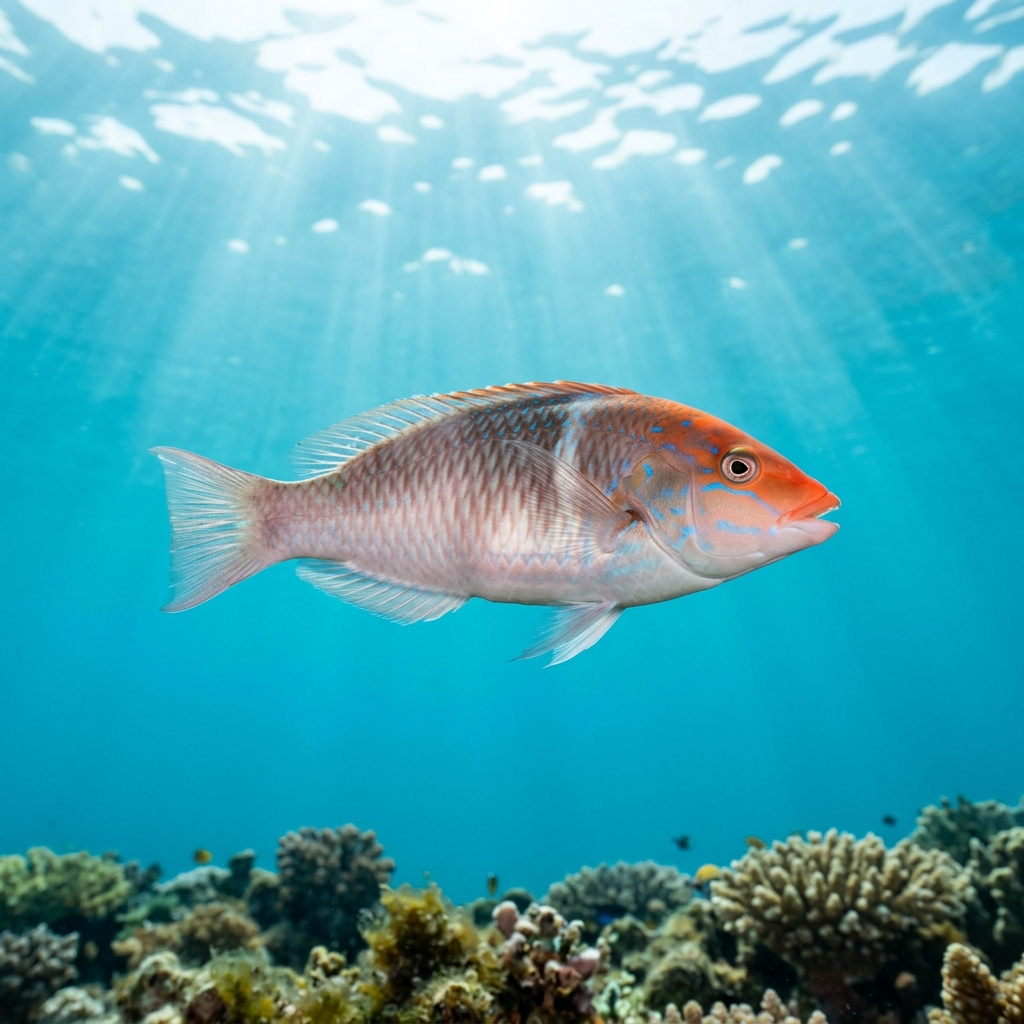
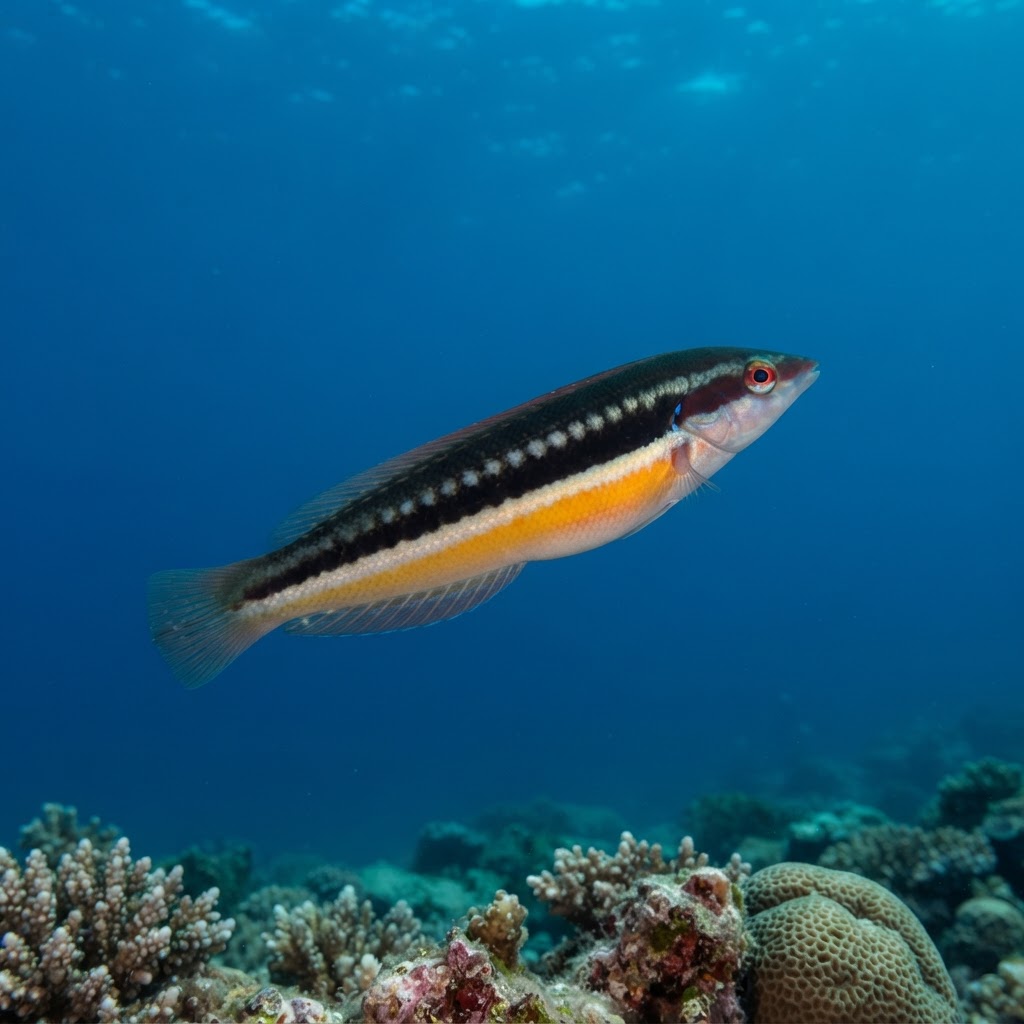
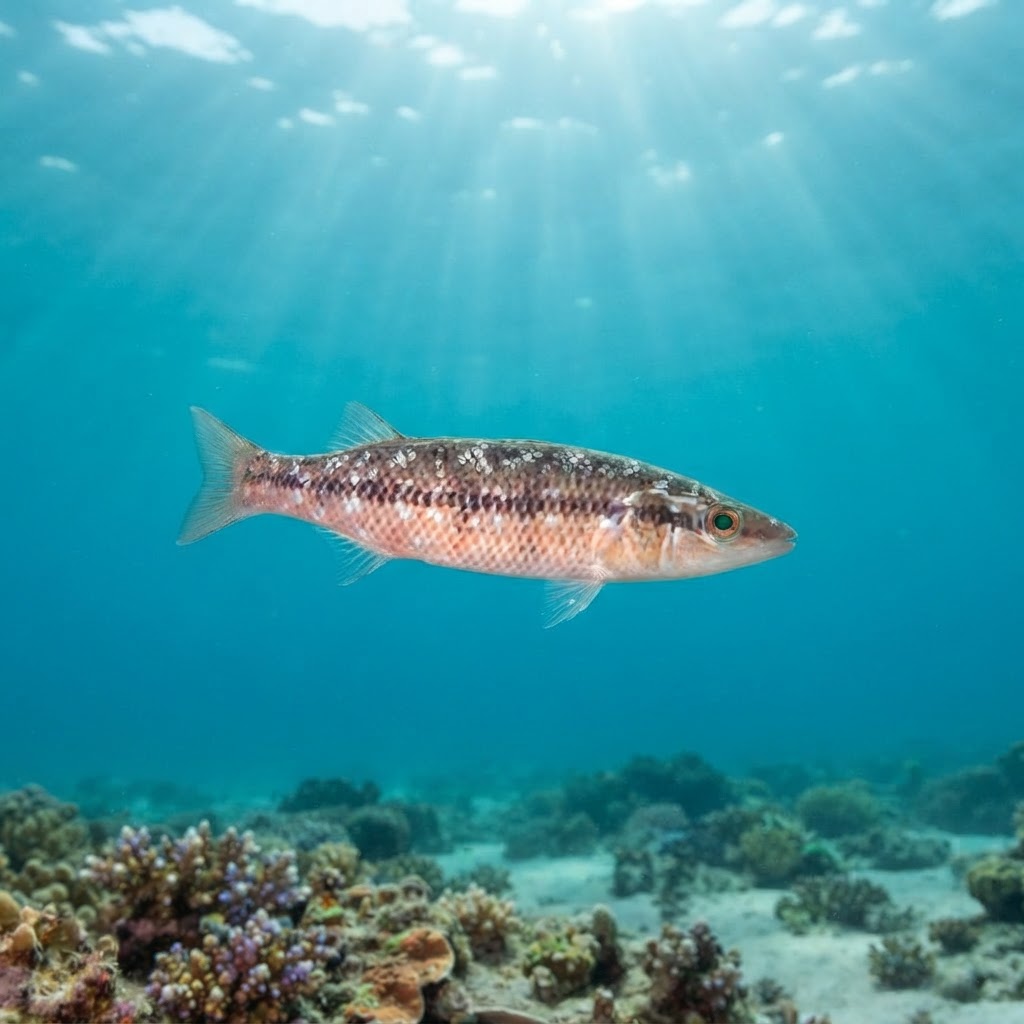
A slim, small-bodied wrasse topping out around 10cm, built more like a slender minnow than a typical reef wrasse. Colouration runs pale olive to sandy brown with faint banding that helps it disappear against seagrass and weedy reef, and it swims with a low-key, almost eel-like undulation rather than the darting wrasse-typical swim. There's no bold single mark to key on, so size, habitat and its habit of sitting still in weed are the best clues.
Divers mostly find this fish tucked into weed and low reef structure, holding still or moving slowly rather than swimming out in the open. It's logged as rare to uncommon at most sites, so it takes a patient, close look into seagrass and algae cover rather than a quick reef scan. It doesn't react much to divers, likely relying on its camouflage and stillness rather than fleeing.
It belongs to a small group of Australian wrasses that have swapped the typical colourful, fast-swimming wrasse look for a weed-dwelling, camouflaged lifestyle in cool temperate water.
Sightings don't show a clear seasonal pattern, and with a cool-water niche of roughly 14 to 19C this species seems to sit year-round in the temperate weed beds it favours rather than migrating with the seasons. Plan around good conditions at your chosen site rather than a particular month.
This one is an Australia-only sighting in the data, and a reliable if quiet find across Western Australia, Tasmania and Victoria, with fewer logs from South Australia and New South Wales. Western Australia has produced the most site records, followed closely by Tasmania, so temperate weedy reef and seagrass sites in those two regions give divers the best odds.
Mapping where Little Weed Whiting is logged…
They're an Australia-only find, most often logged in Western Australia and Tasmania, with further sightings in Victoria, South Australia and New South Wales. Look in weedy, temperate reef habitat rather than open coral reef.
There's no clear seasonal peak in the sighting data, and the cool 14 to 19C temperature range they're found in suggests they stay put year-round rather than following a seasonal migration.
Look for a small, slender wrasse around 10cm long with pale, faintly banded olive-brown colouring, sitting still or moving slowly through seagrass and weedy reef rather than swimming in open water.
They're a small species, typically reaching around 10cm in length, so they're easy to overlook against weed and algae.
No. They're a small, harmless wrasse with no risk to divers.
Site and sighting data is aggregated from diver logs, iNaturalist and GBIF. For taxonomy and conservation status:
Bird Wrasses
3,632 sites