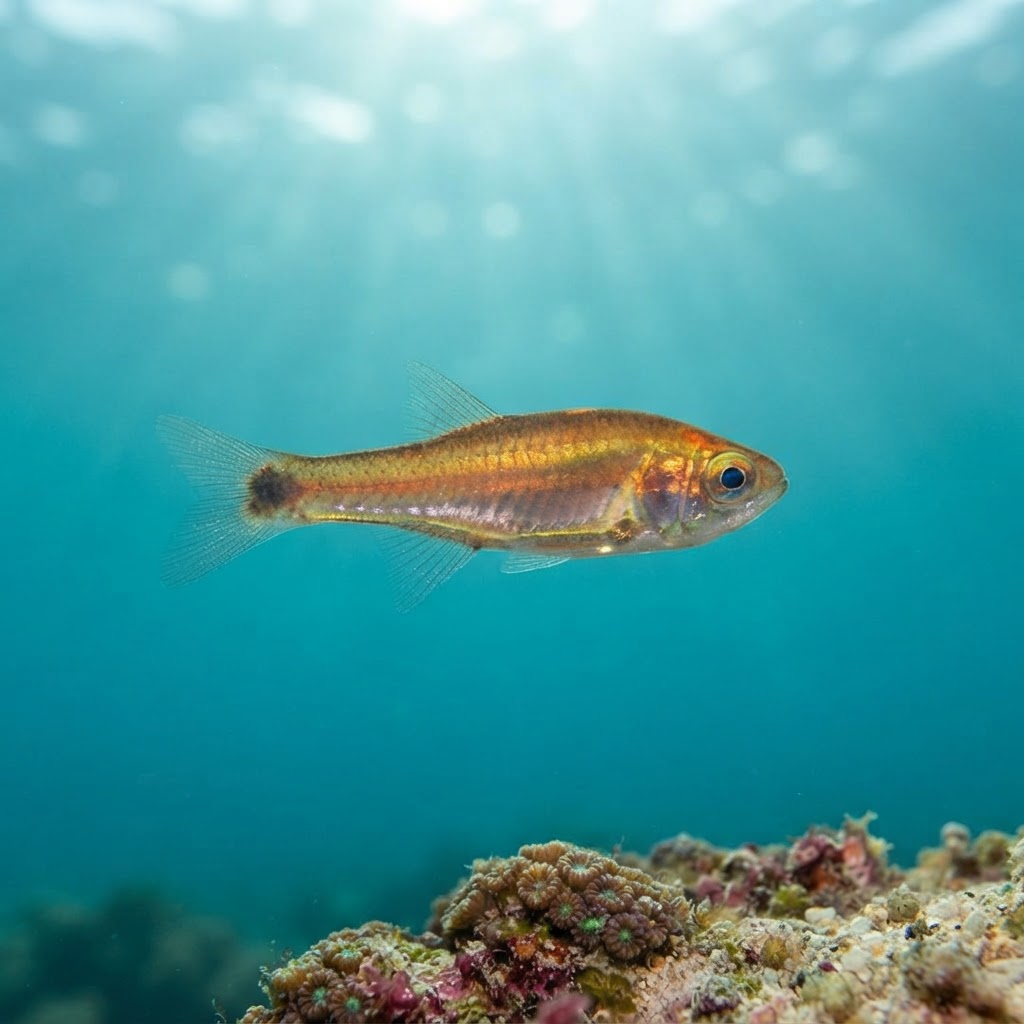
Siphamia cephalotes
A tiny, glassy cardinalfish logged in South Australia's cooler waters (15-22C), usually hiding in seagrass or under jetties.
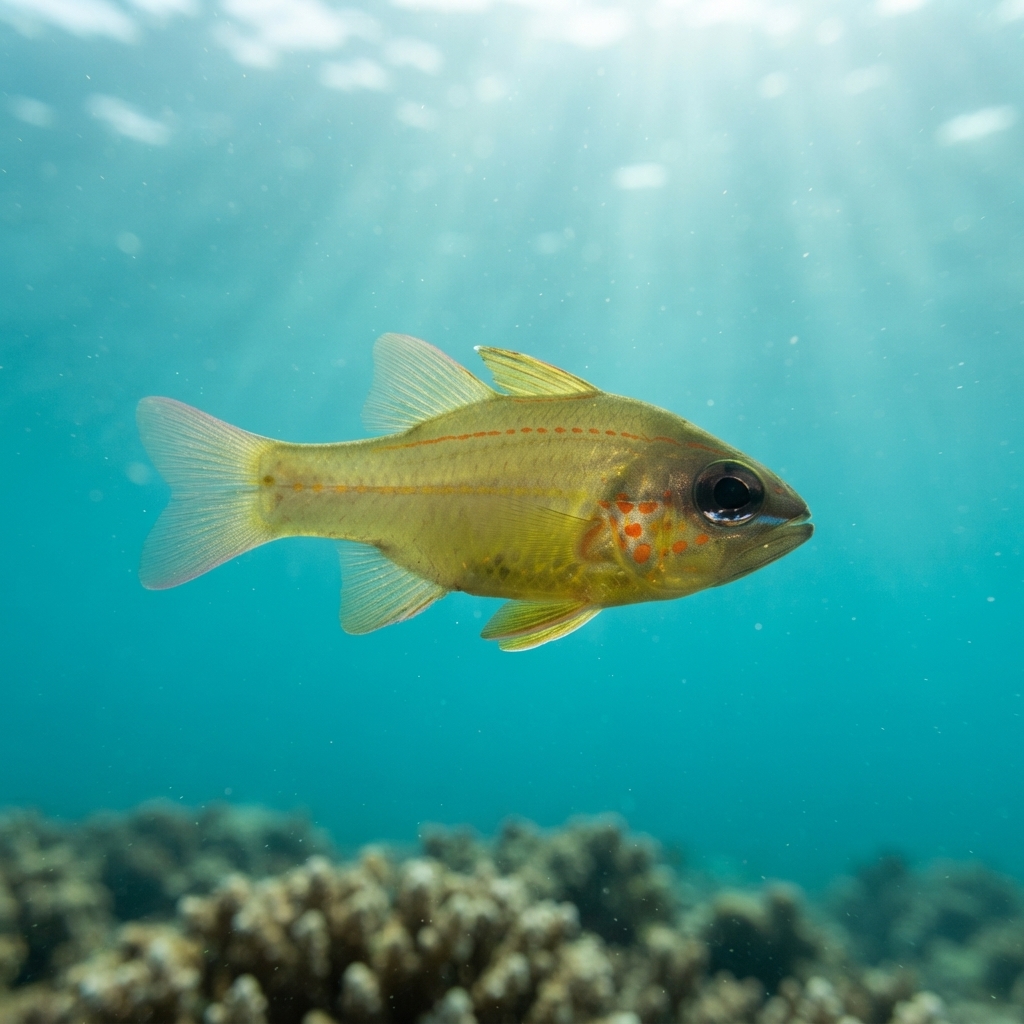
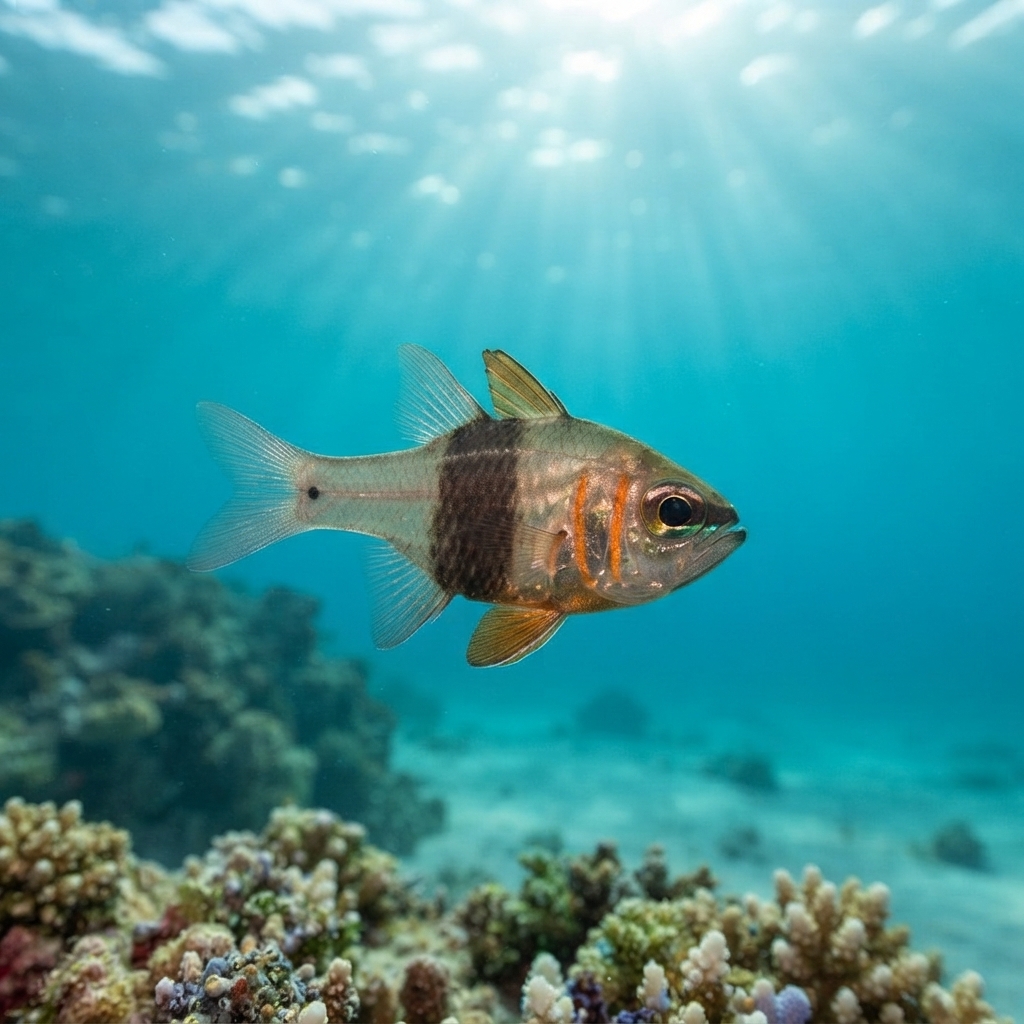
A tiny fish, only about 4cm long, with a translucent to pale body and a noticeably darker, almost blackish head that gives the species its 'cephalotes' name. The body is slender and slightly compressed, with large eyes typical of cardinalfish, and it tends to hover motionless rather than swim actively. Look closely among seagrass blades or in shaded crevices rather than out in open water, since its small size and washed-out colouring make it easy to swim straight past.
Divers typically spot it sitting still in sheltered spots such as seagrass beds or under structure like jetty pilings, relying on its pale, glassy body to blend in rather than fleeing. It's an uncommon to rare find even at the sites where it's known, so patient, slow searching close to the substrate pays off more than scanning open water. Expect brief, close-range sightings rather than anything that follows divers or reacts to torch light.
Like other siphonfish in the genus Siphamia, this species is known to associate closely with sea urchins and other invertebrate shelter, using them as a hiding spot from predators, a strategy that helps explain why it's so easily overlooked underwater.
Sightings don't show a clear seasonal pattern, and with a water-temperature niche spanning 15.3 to 22C, it appears to tolerate a fair range of South Australia's temperate conditions across the year.
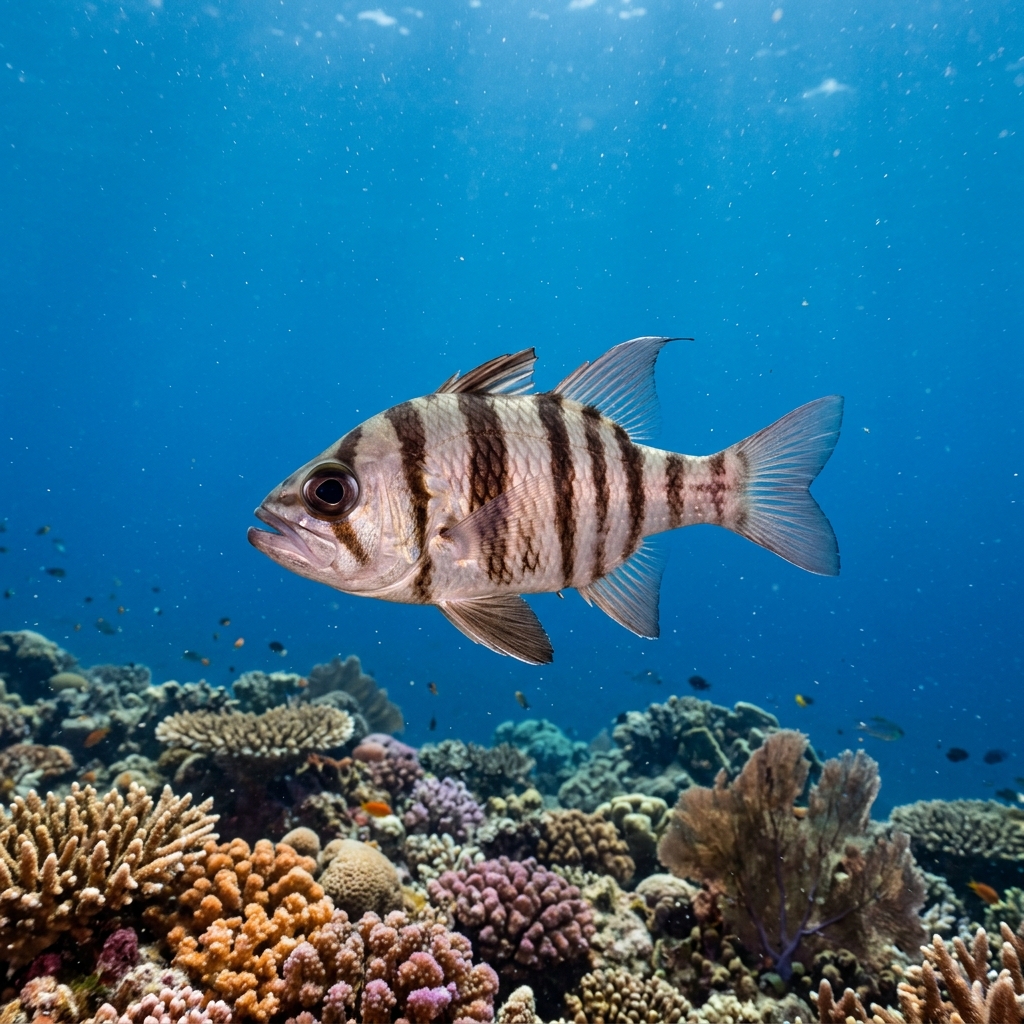
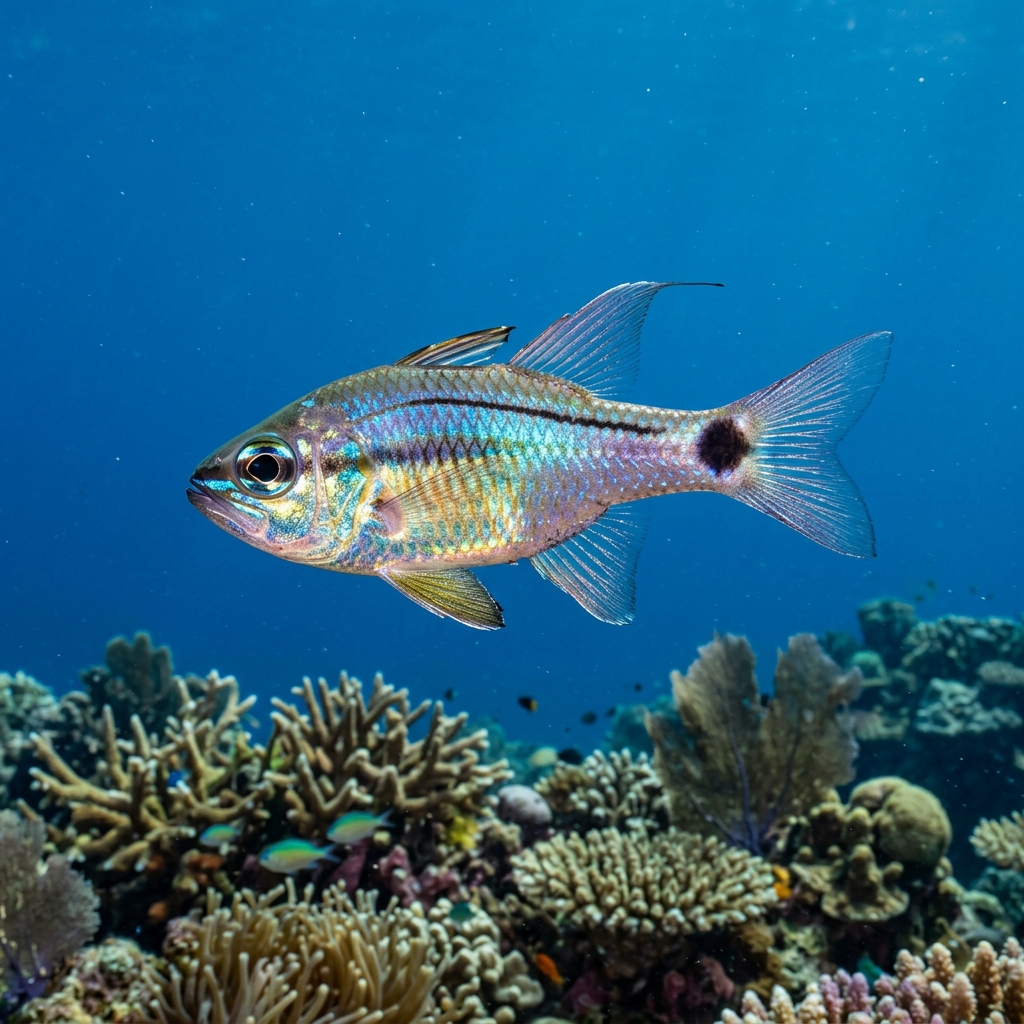
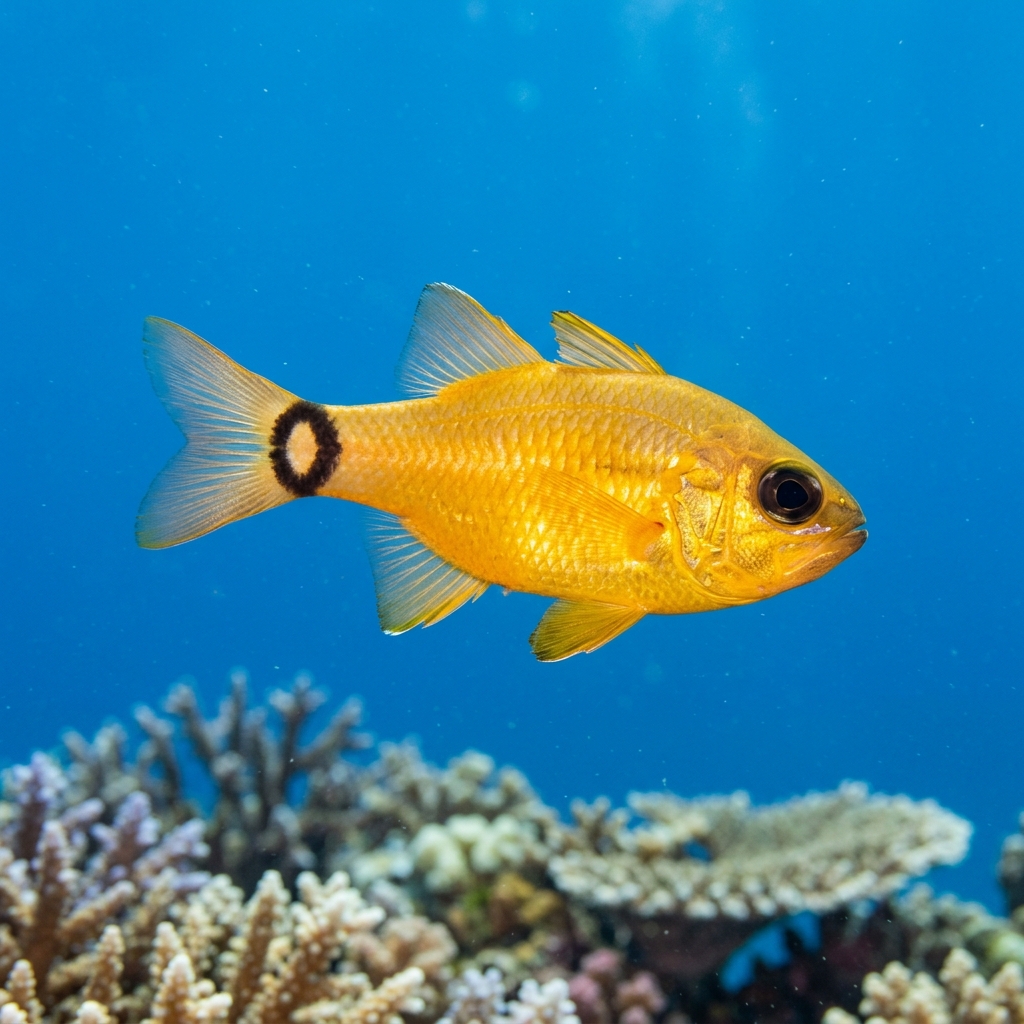
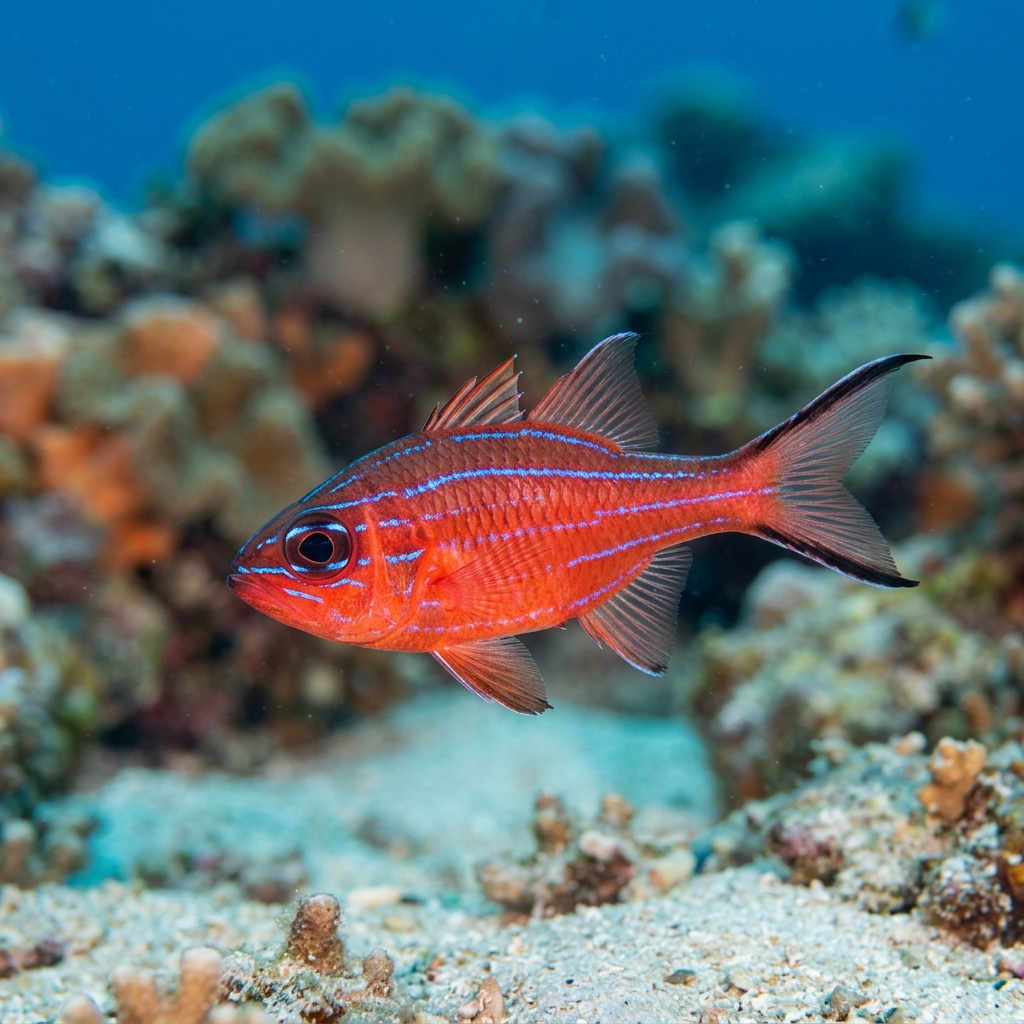
Reef neighbours a diver could mistake it for. Use the identification notes above to tell them apart.
All logged sightings come from South Australia, making it the place to look for this species. Divers have found it at sites in this region specifically, rather than anywhere else in the wider dataset, so it's very much a South Australian speciality rather than a tropical reef fish.
Mapping where Little Siphonfish is logged…
The only confirmed sightings logged so far are from South Australia, making it a distinctly temperate-water species rather than one found on tropical reefs.
There isn't enough data to point to a specific season, and the species has been observed across a temperature range of 15.3 to 22C, suggesting it can be found in South Australian waters year-round.
Look for a tiny, translucent fish around 4cm long with a distinctly darker head, hovering motionless in seagrass or sheltered crevices rather than swimming in open water.
They're a small species, typically reaching only around 4cm in length, so a sharp eye and close-range search are needed to spot one.
At the sites where they've been recorded, sightings are mostly logged as uncommon, with one site reporting them as rare, so don't expect a guaranteed encounter.
Site and sighting data is aggregated from diver logs, iNaturalist and GBIF. For taxonomy and conservation status:
Iridescent Cardinalfish
1,781 sites