Thorogobius macrolepis
A rarely-logged 4cm goby tucked into crevices along the French Riviera and Croatia's Kvarner coast, best spotted with a slow, close look.
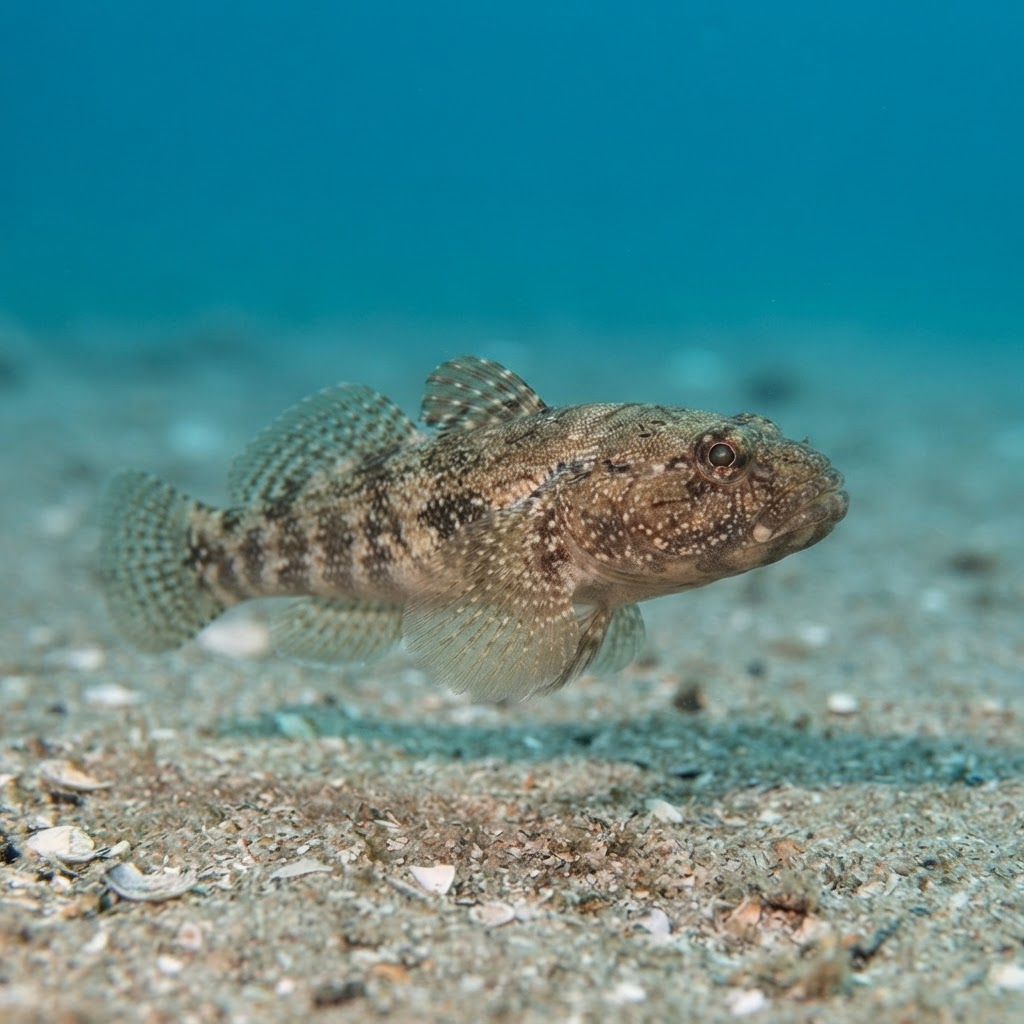
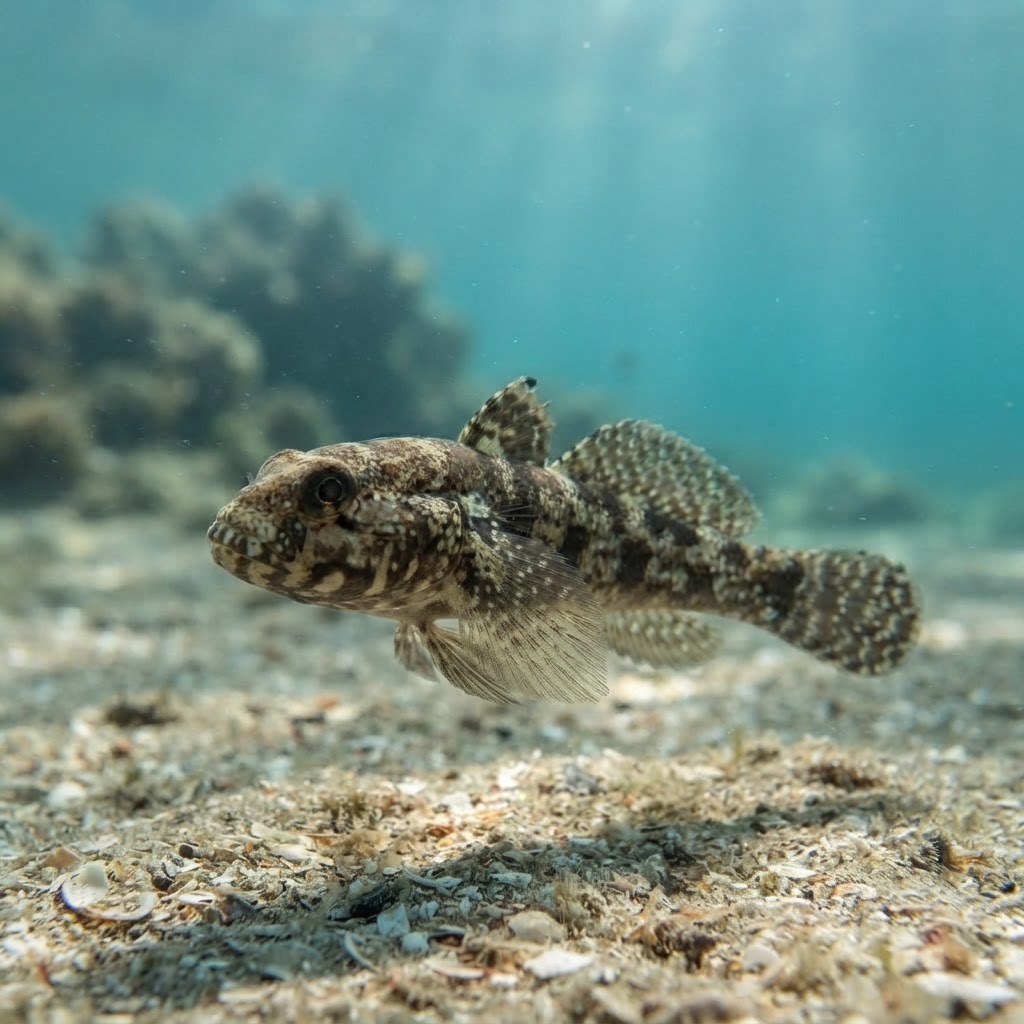
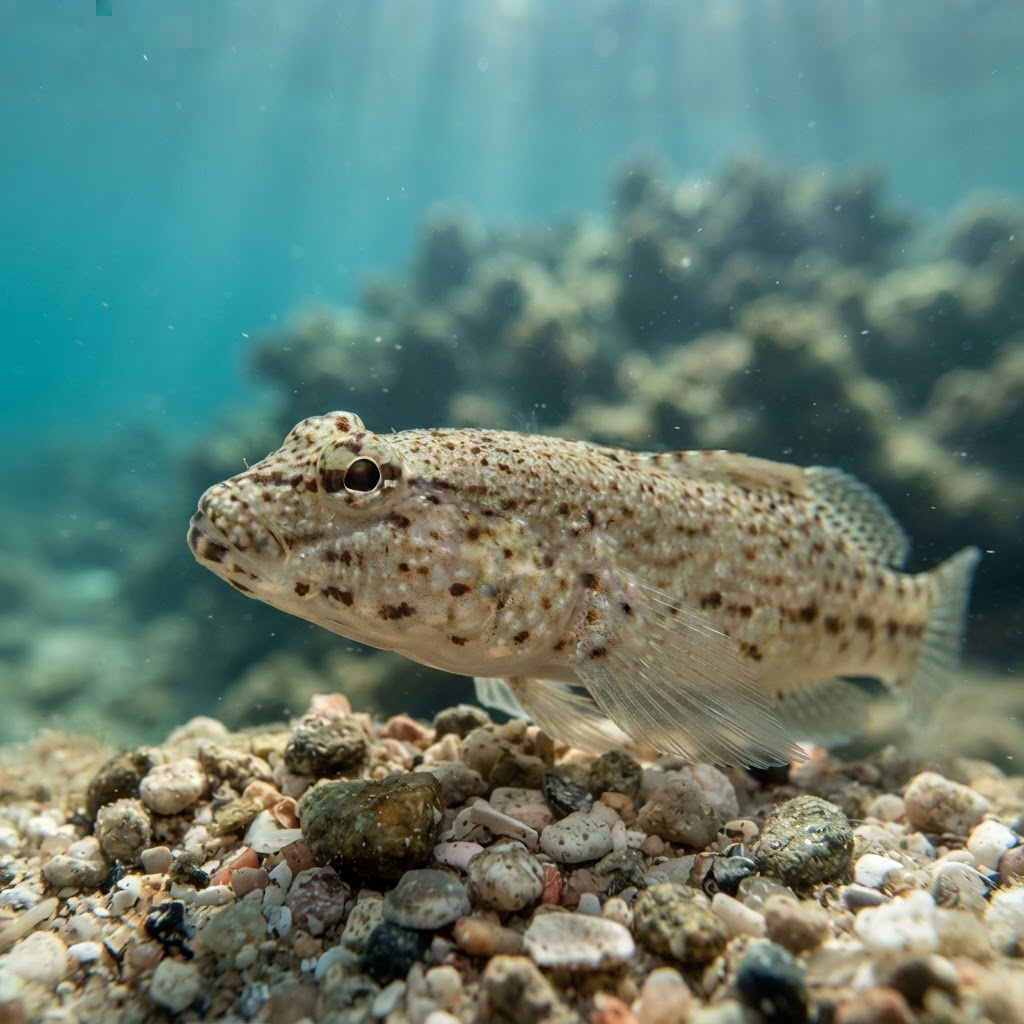
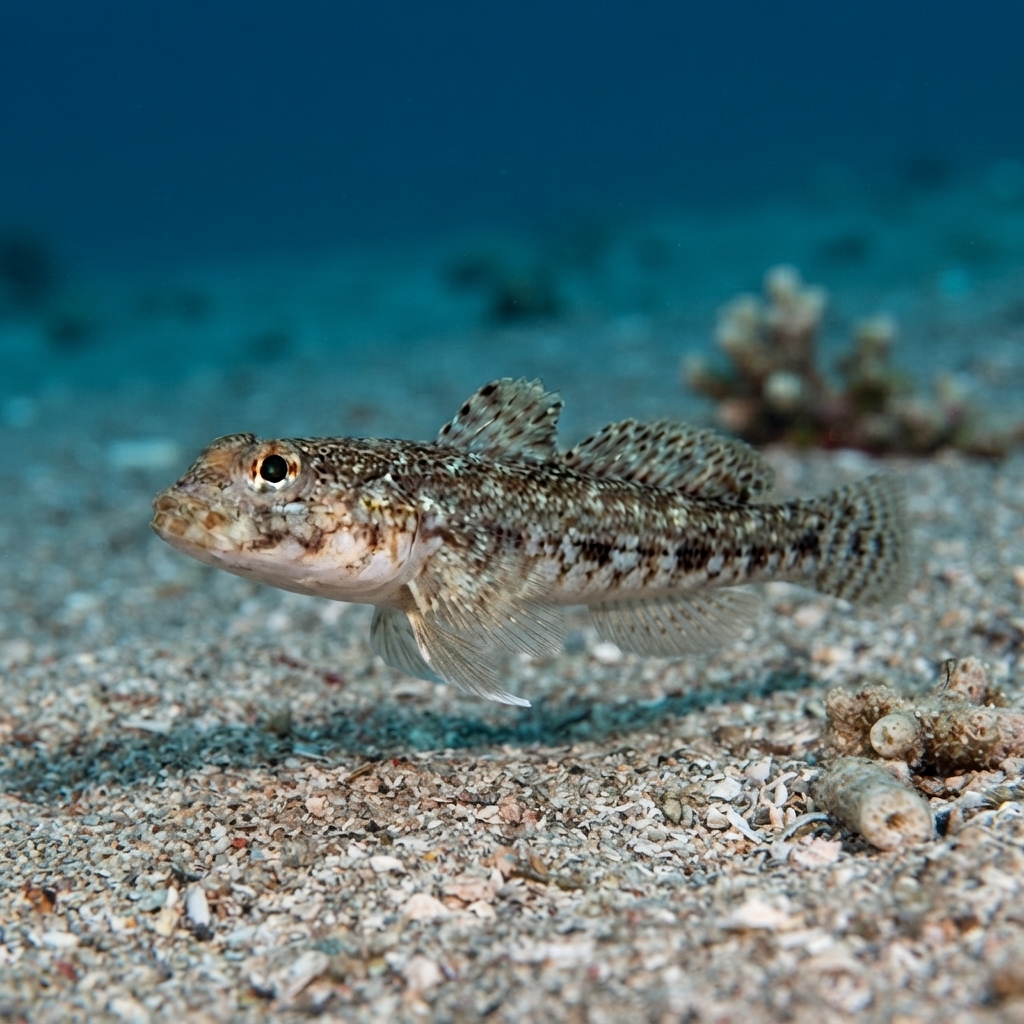
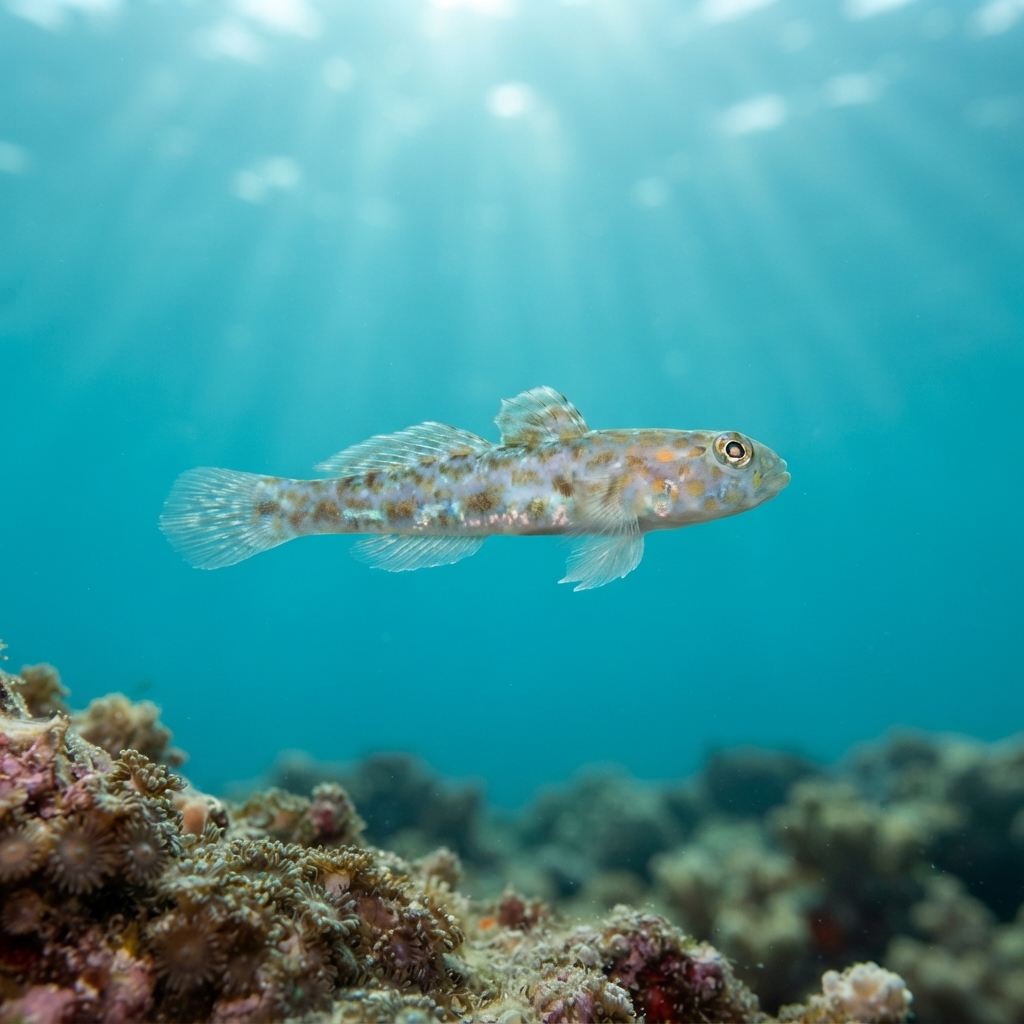
A tiny goby, around 4 cm, with a mottled brownish-grey body that blends closely with rocky and rubble substrate. Look for the noticeably large, coarse scales that give it a slightly armoured look compared to smaller-scaled gobies, and its habit of perching motionless on rock rather than swimming in open water. It has the typical goby shape: elongated body, blunt head, and fused pelvic fins forming a small sucker-like disc used to grip the rock.
Divers typically find it sitting still on rock or wedged into a crevice rather than out in the open, relying on its mottled colouring to disappear against the substrate. It is not a fish that comes to investigate divers; most sightings come from slow, methodical looking rather than spotting movement. Because it is small and rare at most sites, patience and a close, careful scan of rocky ledges pays off far more than swimming past quickly.
Its large scales are an unusual identification shortcut among Mediterranean gobies, most of which have scales too fine to notice underwater without a macro lens.
No clear seasonal pattern shows up in the data, so treat it as a year-round sighting where water sits between roughly 14.5 and 20.5 C. In practice this covers the Mediterranean diving season from spring through autumn when visibility and dive frequency are highest.
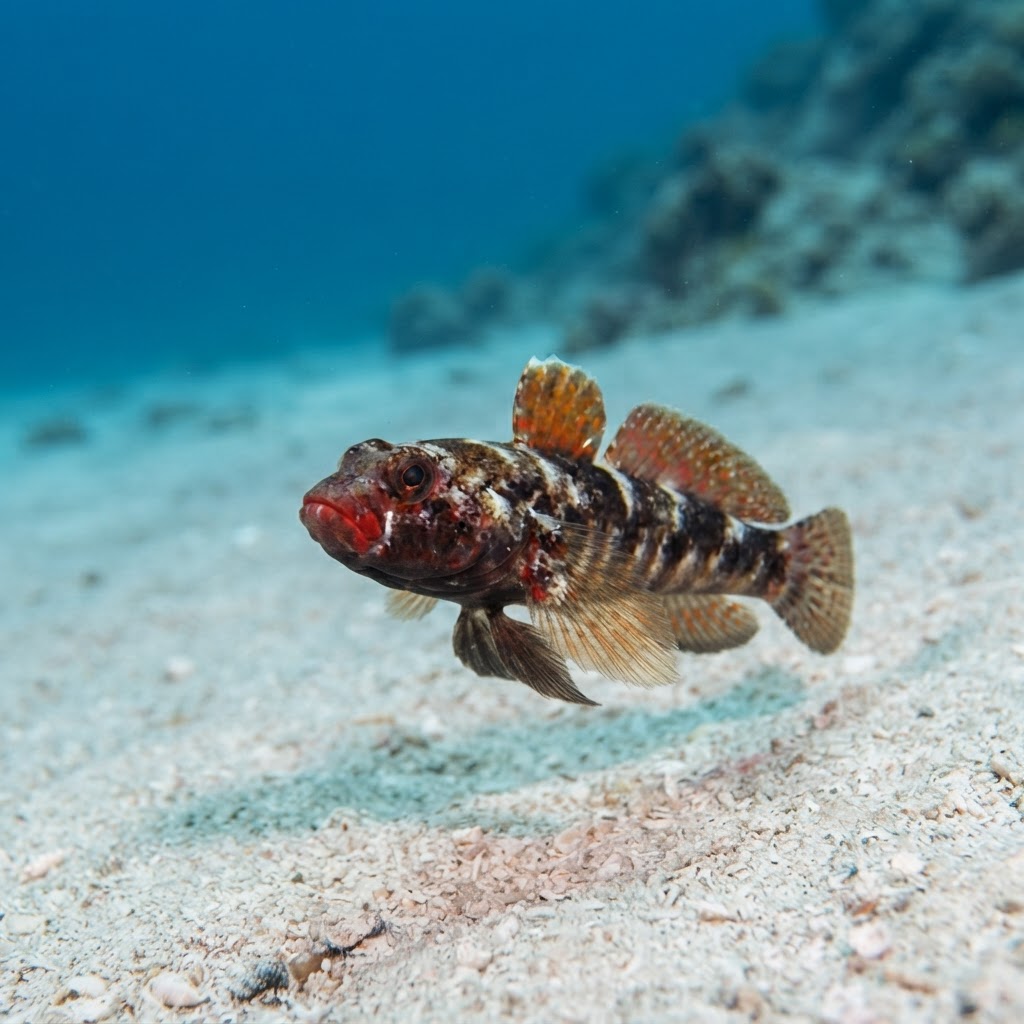
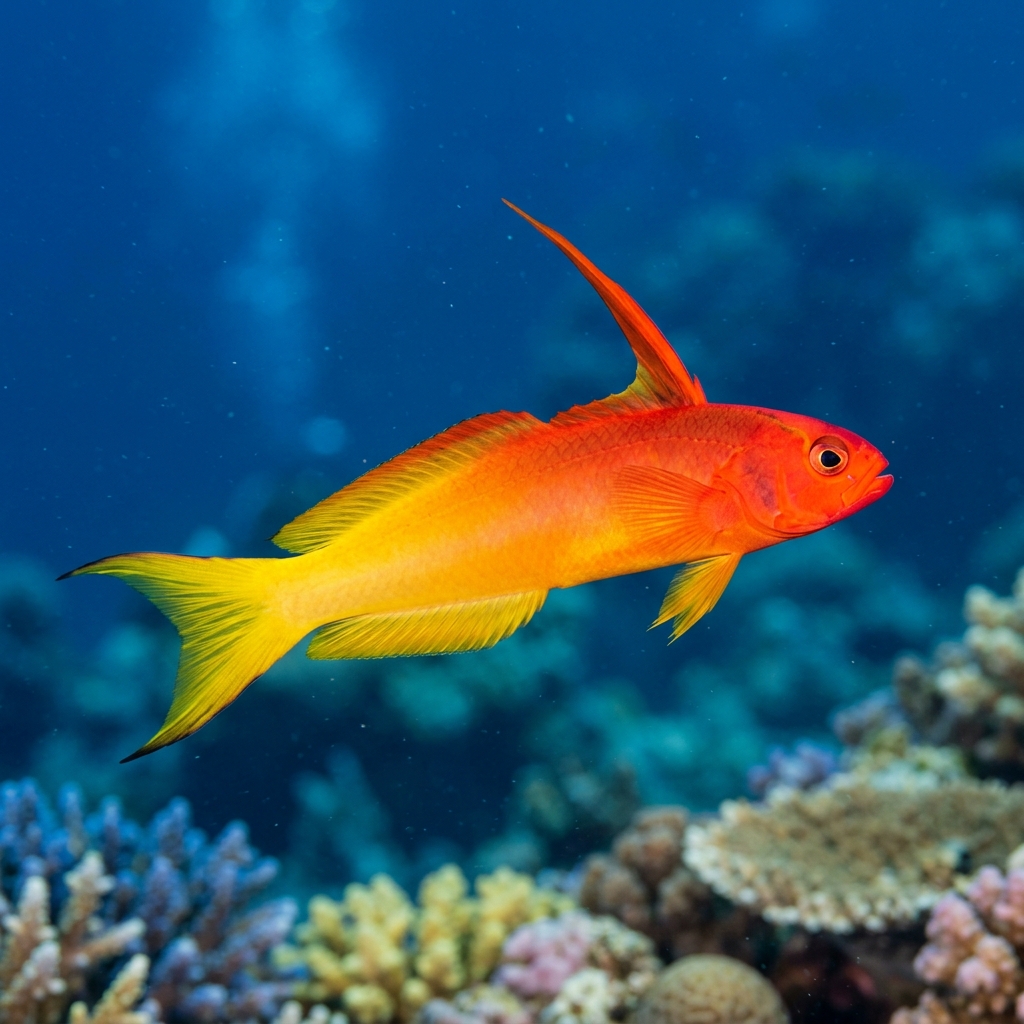
Reef neighbours a diver could mistake it for. Use the identification notes above to tell them apart.
Most consistently logged along the French Riviera and Provence coast in France, with a second reliable population in the Kvarner region of Croatia. Both areas are rocky Mediterranean coastline rather than tropical reef, which fits this goby's preference for crevices and rubble on temperate rock walls.
Mapping where Large-scaled Goby is logged…
It is most often found along the French Riviera and Provence coast in France, with a second population in Croatia's Kvarner region. Both are rocky Mediterranean sites rather than tropical reefs.
There is no strong seasonal pattern in sightings, so it is considered a year-round find wherever water temperature sits in its 14.5 to 20.5 C comfort range.
Look for a small, mottled brownish goby around 4 cm long, perched motionless on rock rather than swimming freely. Its scales are noticeably larger and coarser than similar rocky-reef gobies, which is the easiest field clue.
They stay small, reaching only around 4 cm in length, which makes them easy to overlook against rocky substrate.
No. It poses no risk to divers and simply sits still on rock or in crevices when approached.
Site and sighting data is aggregated from diver logs, iNaturalist and GBIF. For taxonomy and conservation status:
Slender Goby
806 sites