Lutjanus synagris
Spot Lane Snapper on reefs across Florida, Cuba, and Brazil. Learn the pink stripes and yellow tail that set it apart from look-alike snappers.
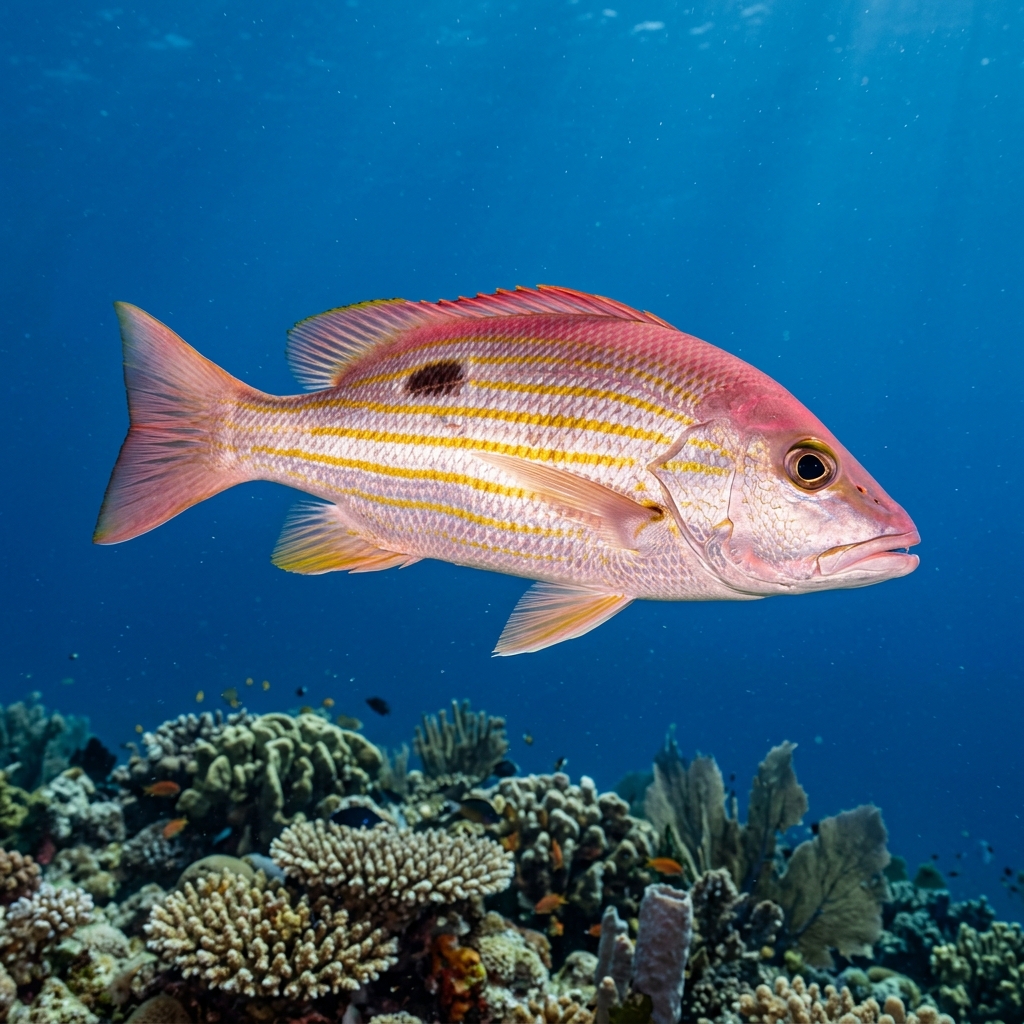
A mid-sized snapper, typically around 40 cm, with a distinctive pattern of alternating pink-red and yellow horizontal stripes running along a silvery body. The tail is reddish and the dorsal fin carries a dark margin. Look for the small but reliable dark spot on the upper flank, just below the soft dorsal fin, that spot is the quickest field mark when you catch a glimpse of one slipping away. Body shape is the classic snapper build: robust, slightly compressed, with a pointed snout.
Lane Snappers tend to be wary, keeping a comfortable buffer between themselves and approaching divers rather than fleeing outright. During the day they often school loosely with others of their kind, drifting over reef structure, slow your approach and you can watch them for a while before they edge away. Your best chance to see them actively feeding is early morning or late afternoon, when they become more mobile and hunt small fish and invertebrates across the reef.
Lane Snappers are known to aggregate in large spawning groups during summer months, a behaviour that makes them temporarily far more visible, and more vulnerable, than their normally cautious reef-going habits would suggest.
No strong seasonal pattern emerges from the sighting data, so Lane Snapper can reasonably be considered a year-round target. The species is recorded across a water temperature range of roughly 20 to 27 °C, which matches the warm tropical and subtropical reefs where it lives throughout all seasons.
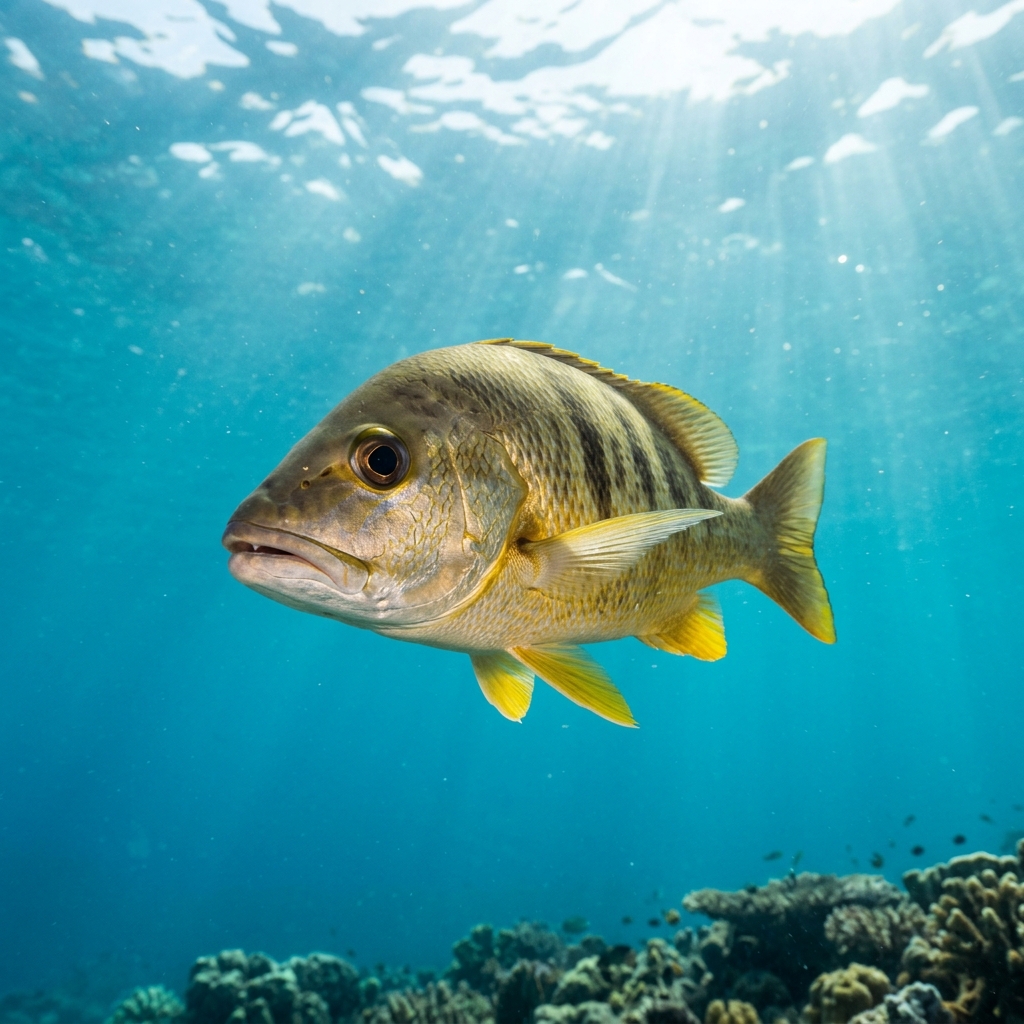
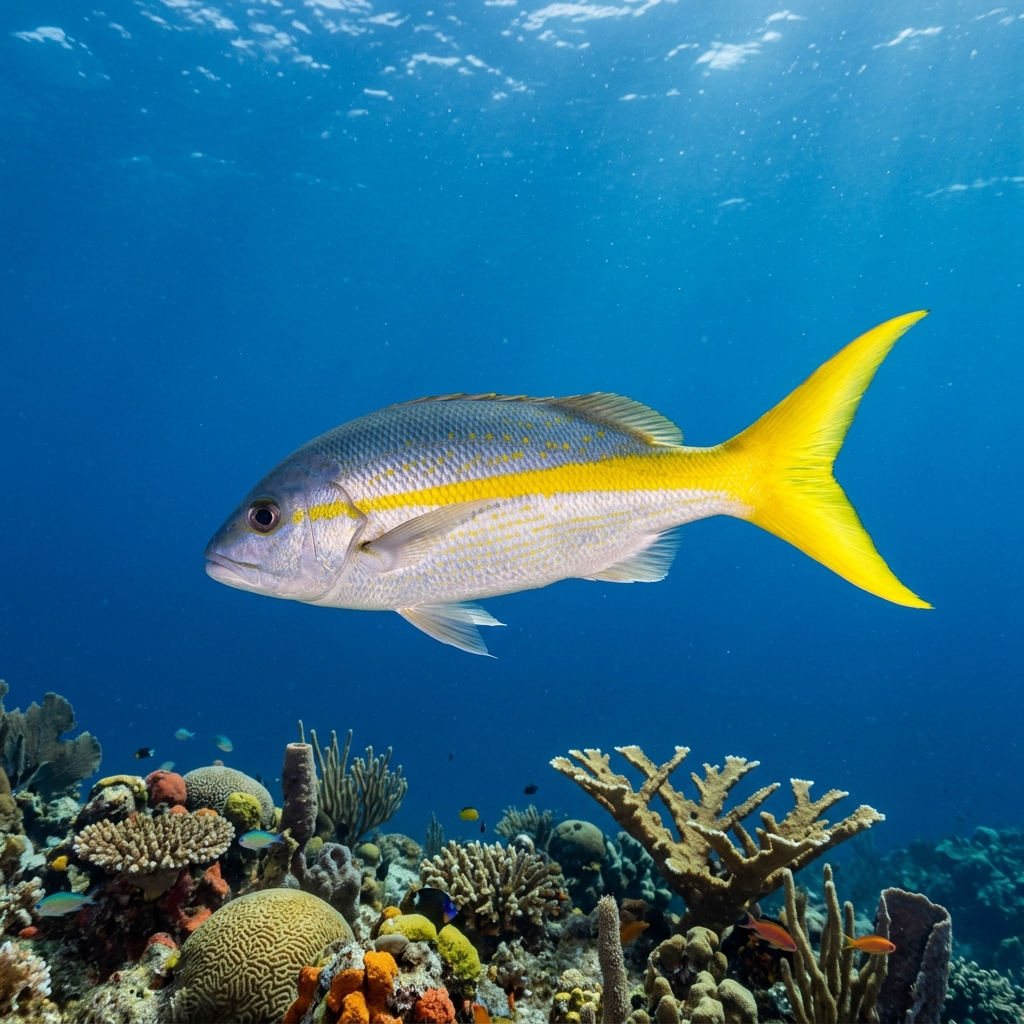
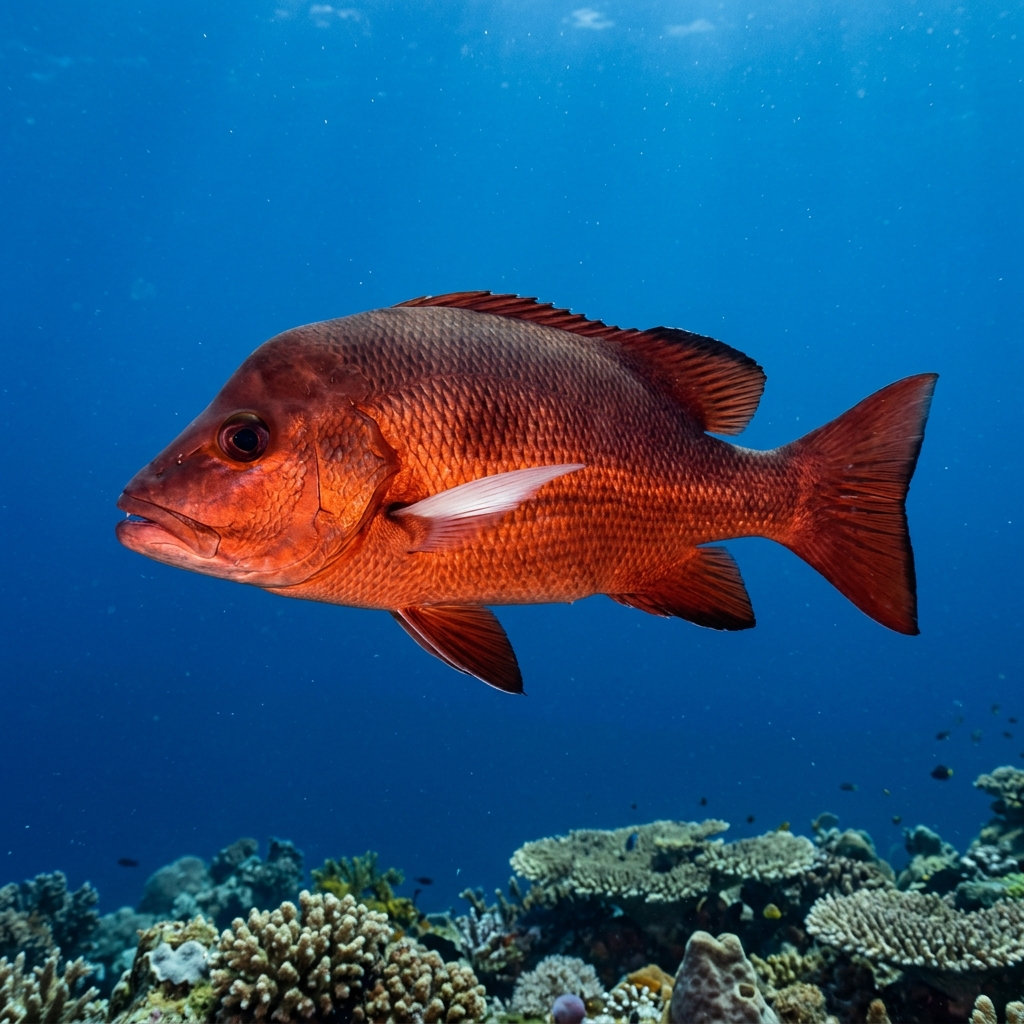
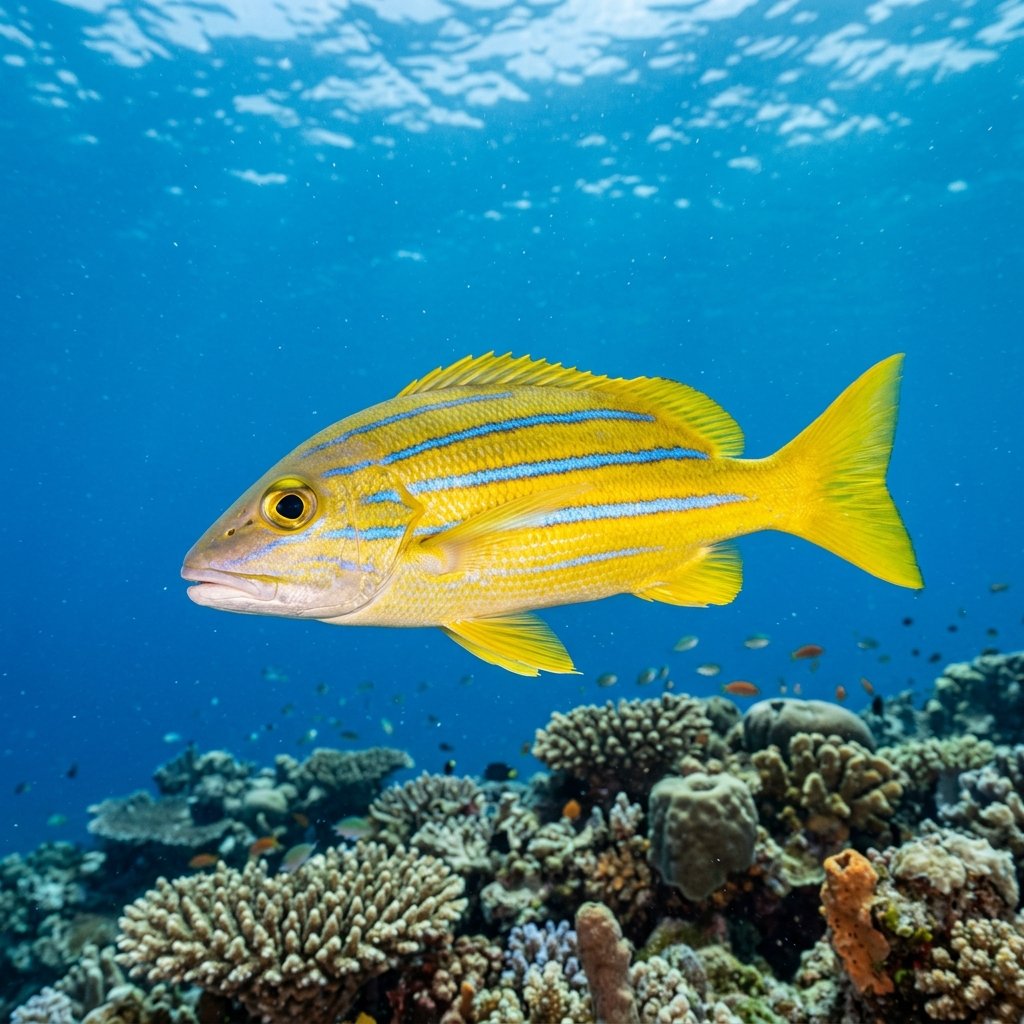
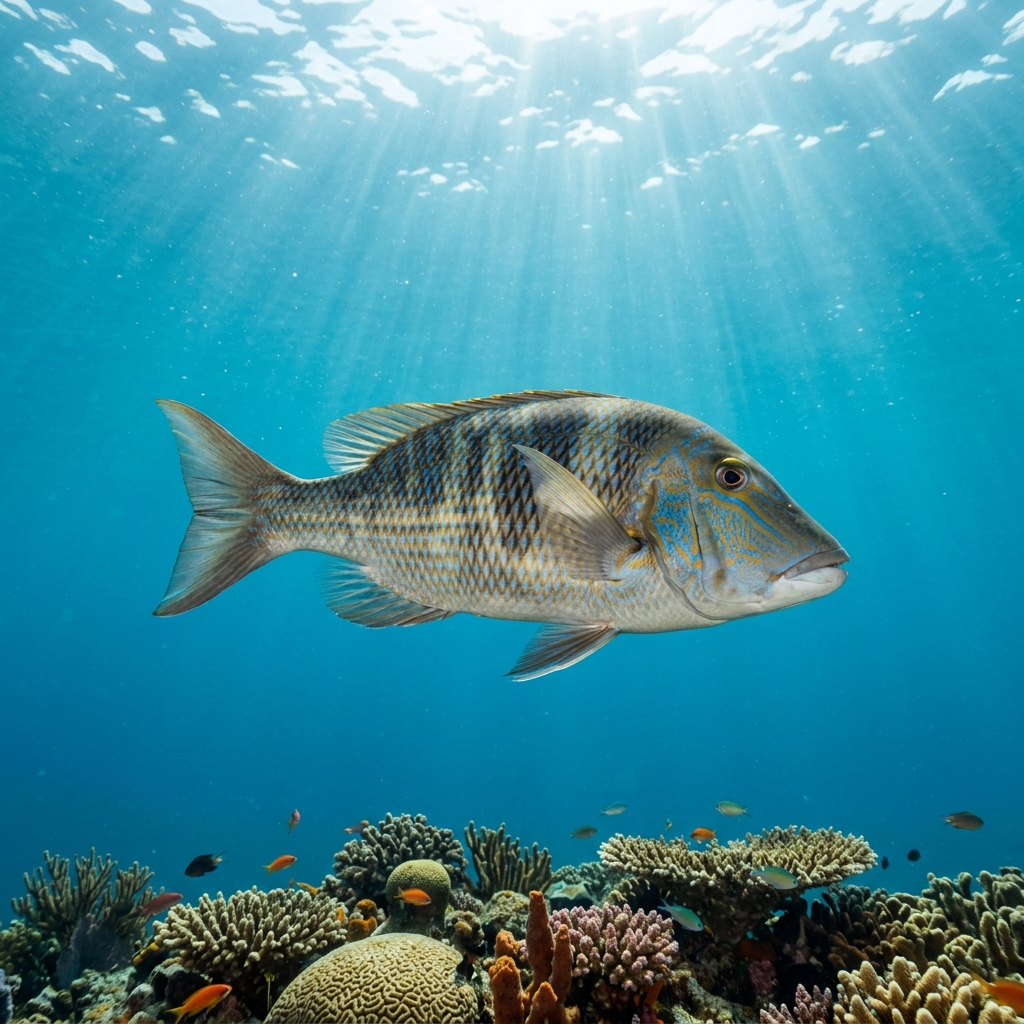
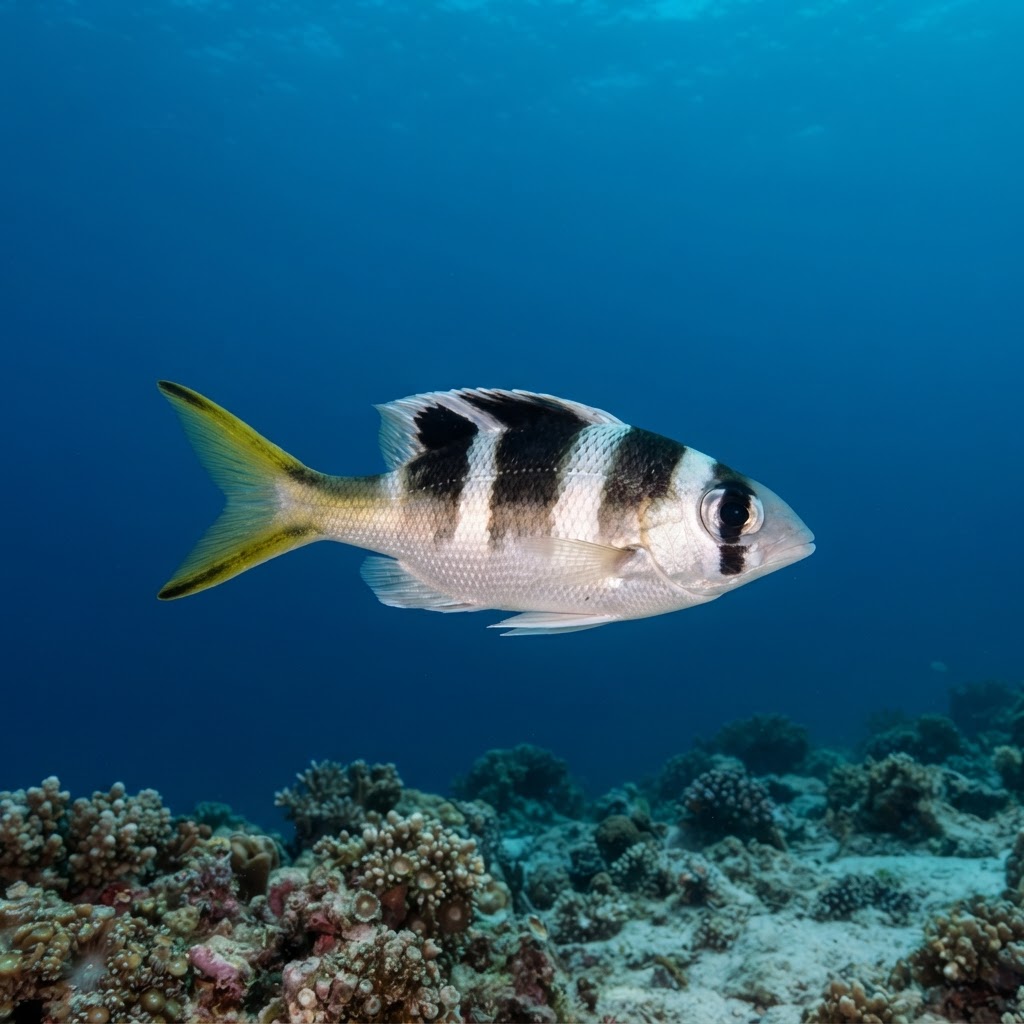
Reef neighbours a diver could mistake it for. Use the identification notes above to tell them apart.
Lane Snapper is most commonly logged in Florida and the broader US Southeast, making it a familiar reef fish for divers throughout the Caribbean and Gulf of Mexico. Cuba, particularly the Jardines del Rey and Canarreos Archipelago regions, and the northeast coast of Brazil are also strong areas for sightings. The Bahamas, Venezuela, and Colombia's San Andrés and Providencia archipelago round out the best destinations for tracking one down.
Mapping where Lane Snapper is logged…
Lane Snapper is most reliably encountered across Florida and the US Southeast, with strong representation in Cuba's Jardines del Rey, the northeast coast of Brazil, and the Bahamas. Colombia's San Andrés and Providencia islands and Venezuela's central coast are also solid options within its Caribbean range.
Available sighting data doesn't point to a single peak season, so Lane Snapper is considered a year-round target across its tropical and subtropical range. It tolerates water temperatures from around 20 to 27 °C, meaning it remains present on Caribbean and Gulf reefs in every season.
Key in on the alternating pink-red and yellow horizontal stripes along a silvery body, a reddish tail, and, most reliably, a small dark spot on the upper flank just below the soft dorsal fin. That spot distinguishes it at a glance from most other snappers in its range.
Lane Snapper typically reach around 40 to 42 cm in length. Larger individuals can exceed this, but on most reef dives you will encounter fish in the 30 to 45 cm range.
Lane Snapper is currently listed as Near Threatened by the IUCN. Fishing pressure across its Caribbean and western Atlantic range has reduced populations enough to warrant the elevated status, though it has not yet reached Vulnerable.
Site and sighting data is aggregated from diver logs, iNaturalist and GBIF. For taxonomy and conservation status:
Emperor
2,052 sites