Chromogobius zebratus
A 4cm goby most divers overlook on Turkey's Turquoise Coast. Learn where to spot it and how to tell it from other tiny reef gobies.
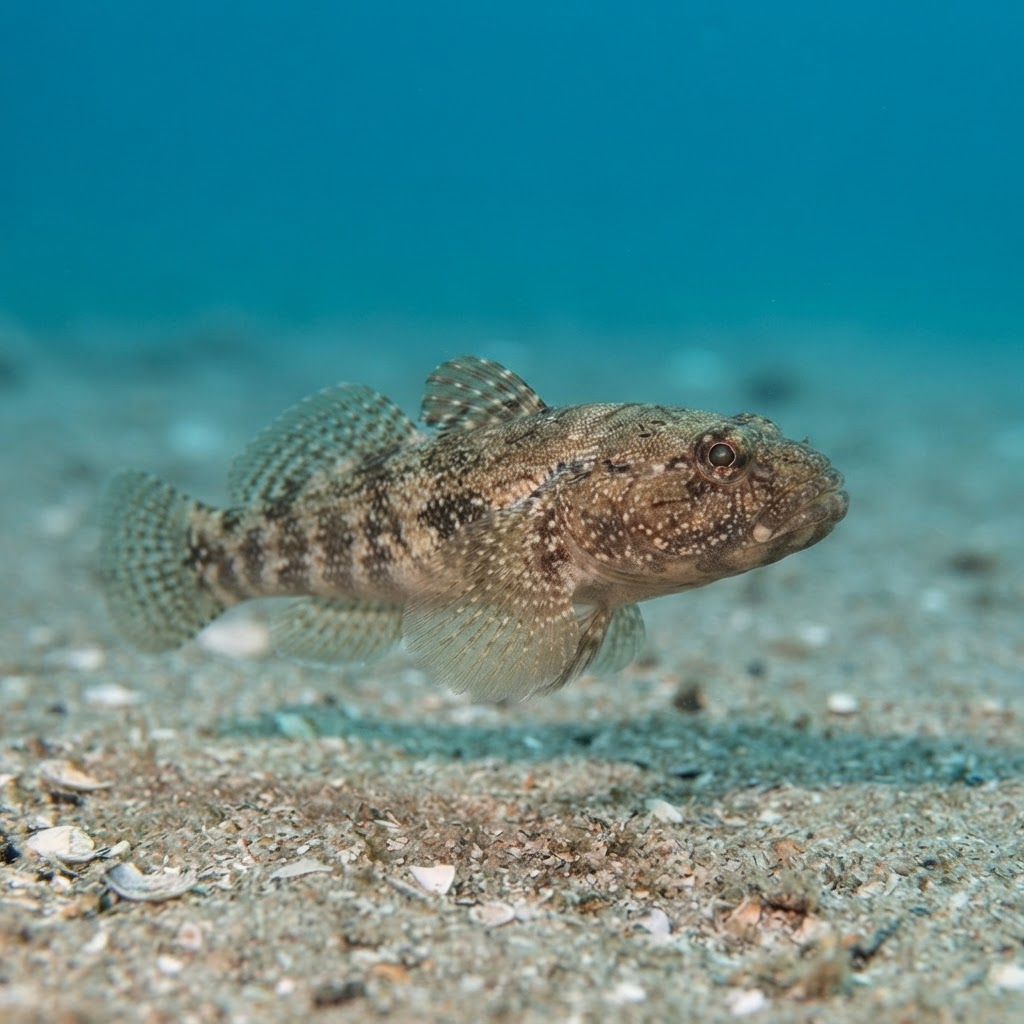
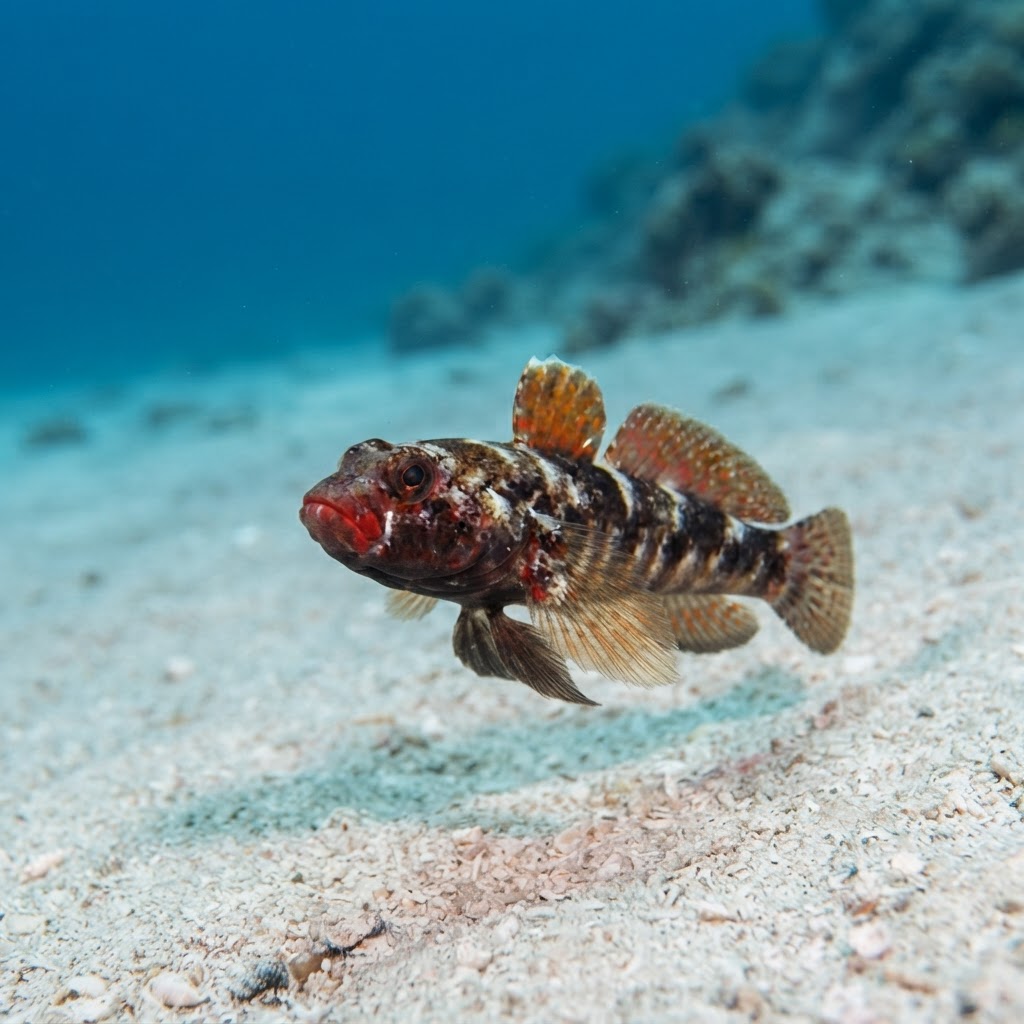
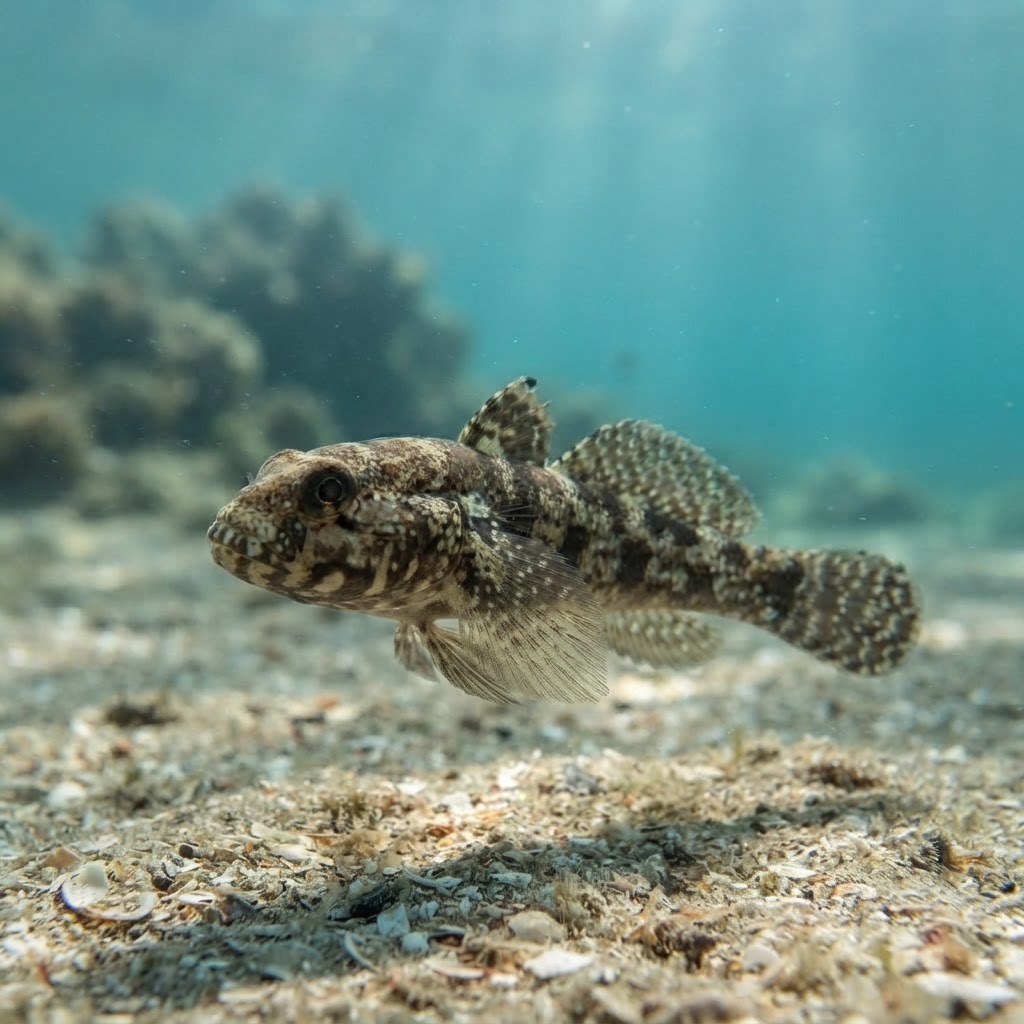
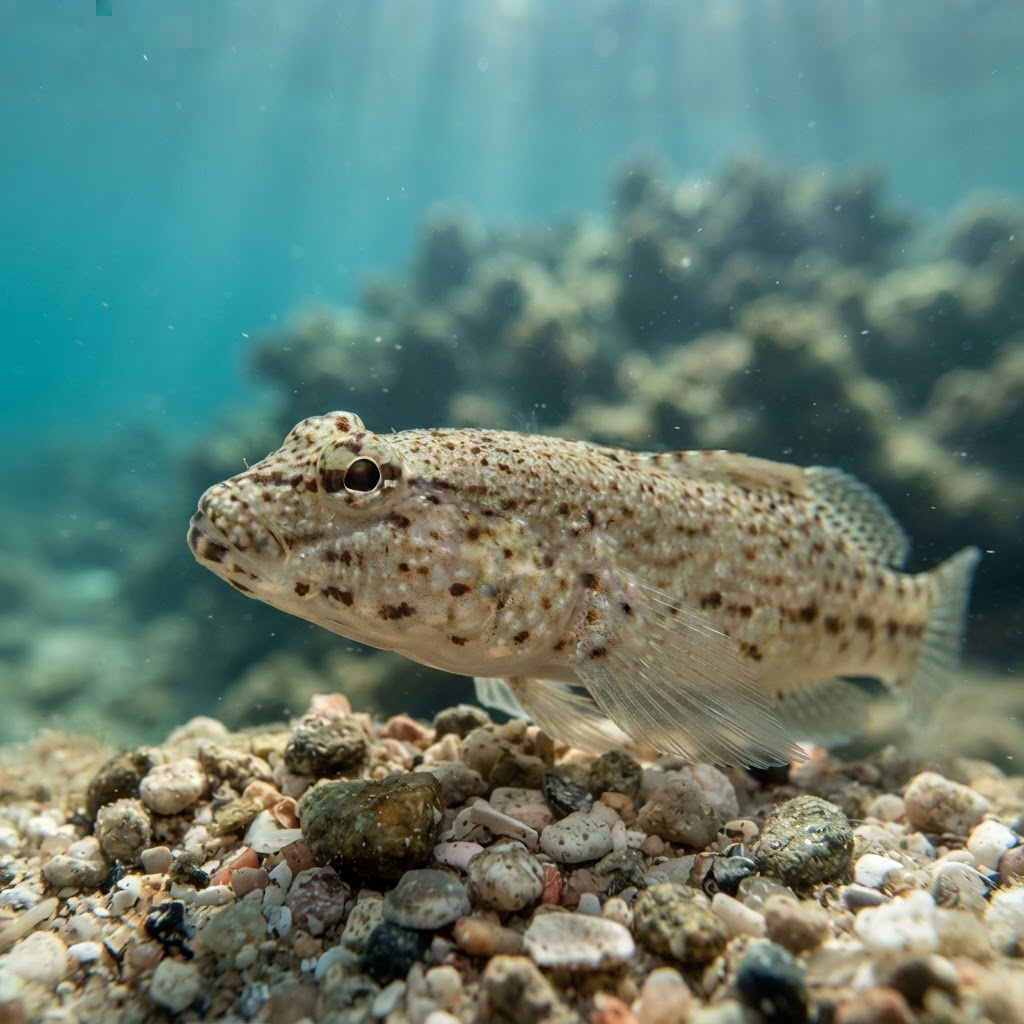
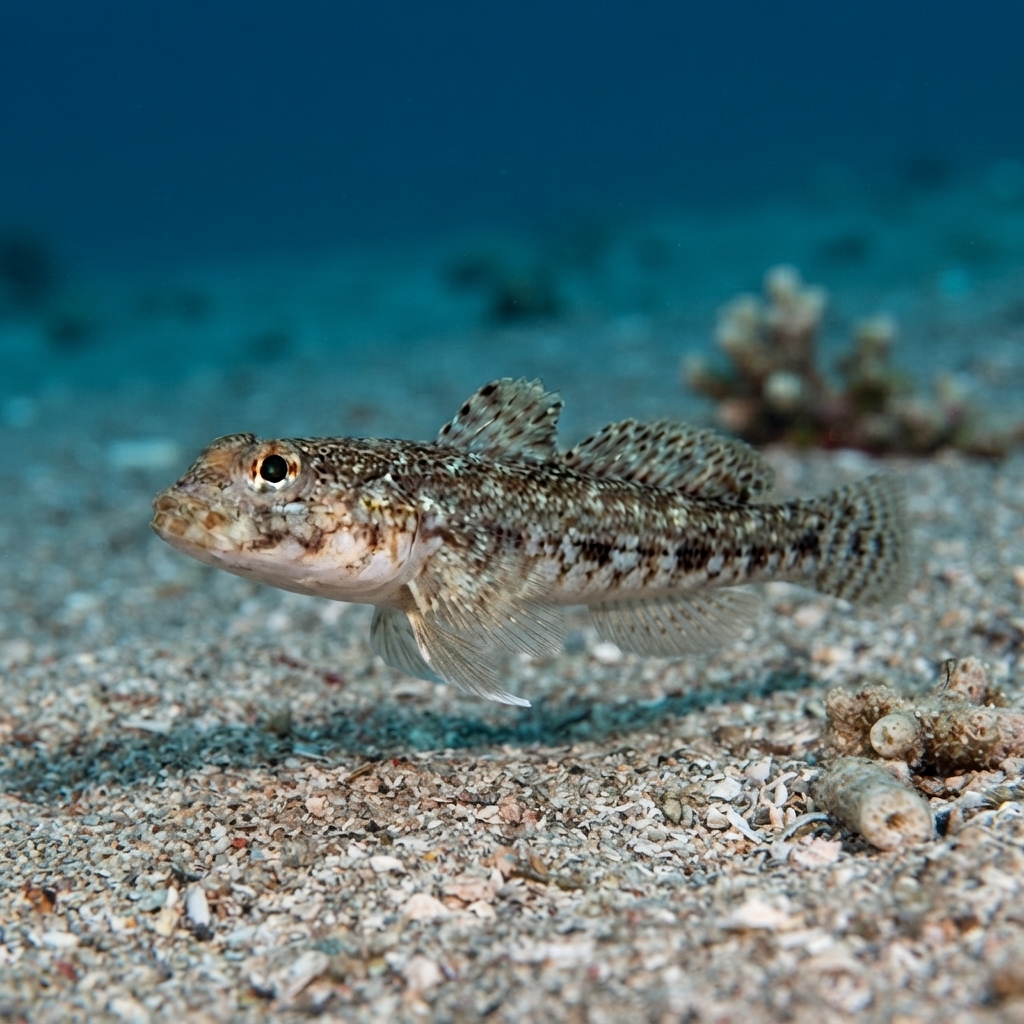
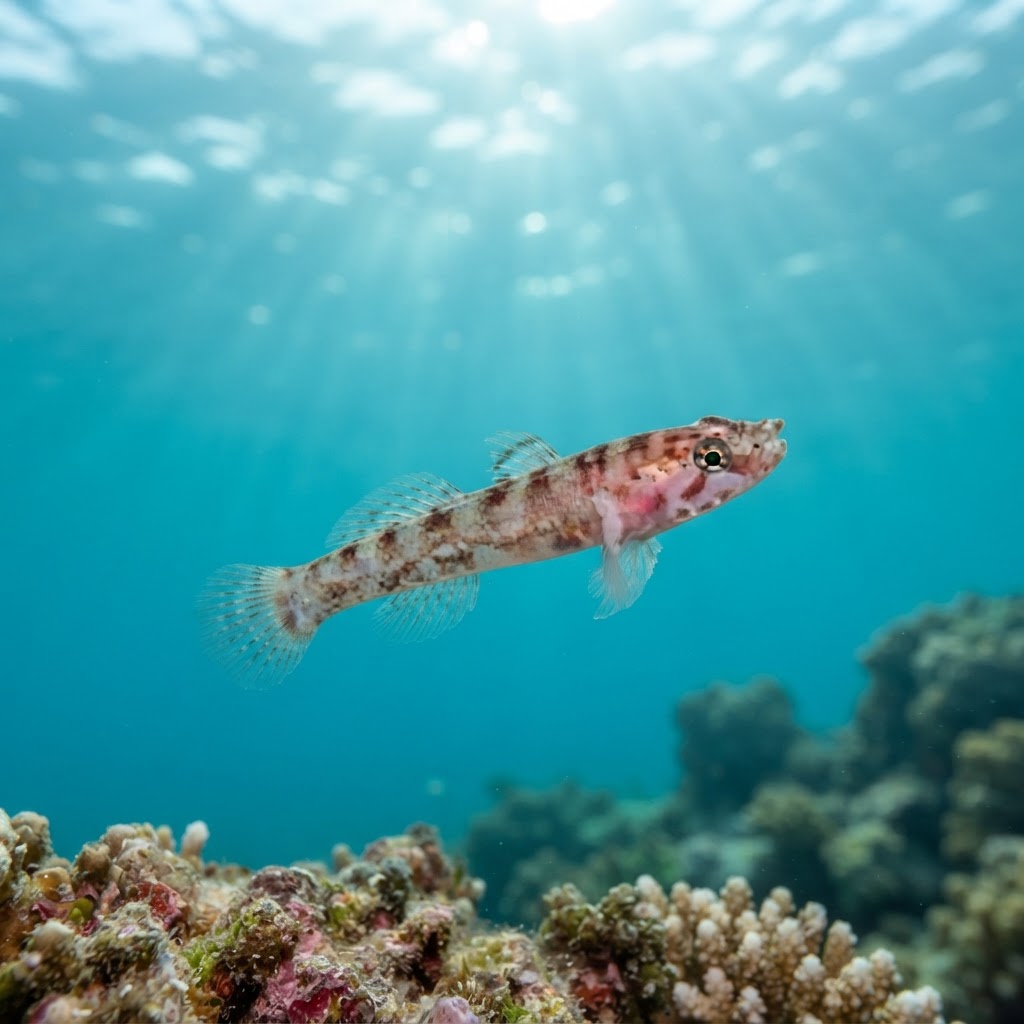
At just 4cm, this is a crevice-dweller you have to hunt for rather than spot from a distance. Look for a slim, elongated body with pale bars or blotchy zebra-style banding running across a grey-brown background, usually pressed flat against rock in a crack or under an overhang. It has the classic goby profile: two dorsal fins, a blunt head, and eyes set high, giving it a slightly wide-eyed look when you finally get close enough to see it clearly.
Expect to find it tucked into small cracks, holes, and the undersides of rocks rather than swimming openly over the reef, which is exactly why divers log it as uncommon even at sites where it's present. It tends to sit still and rely on staying hidden rather than bolting when a diver approaches, so slow, careful looking into crevices with a torch is the way to actually see one. Most reports come from shallower rocky ground rather than open water, in keeping with its secretive, bottom-hugging habits.
Like many small Mediterranean gobies, it's easy to miss entirely unless you're specifically scanning crevices with a light, which is likely why it shows up as uncommon or rare even within its known range rather than being scarce.
Sightings show no clear seasonal pattern, and with a temperature niche spanning roughly 14 to 20C it's likely present through much of the year rather than tied to a warm-water peak. Treat it as a year-round find at its known sites rather than something to time a trip around.
Reef neighbours a diver could mistake it for. Use the identification notes above to tell them apart.
Most consistently logged along Turkey's Turquoise Coast, where the bulk of sightings come from, with smaller but reliable populations in the Dodecanese in Greece and Kvarner in Croatia. It's a Mediterranean crevice specialist rather than a wide-ranging reef fish, so expect rocky coastal sites over open sand or seagrass.
Mapping where Kolombatovic's Goby is logged…
It's most reliably found along Turkey's Turquoise Coast, with additional records from the Dodecanese in Greece and Kvarner in Croatia. It favours rocky Mediterranean coastline over sand or seagrass.
There's no strong seasonal signal in sighting data, and it tolerates a fairly wide temperature range of roughly 14 to 20C, so it appears to be a year-round resident at its known sites rather than a seasonal visitor.
Look for a tiny, 4cm goby with pale zebra-like banding on a grey-brown body, wedged into rock crevices or under overhangs rather than swimming in the open. Its small size and hiding habit mean a torch and close, slow searching are essential.
It's a small species, typically reaching only around 4cm in length, making it one of the more overlooked gobies on Mediterranean rocky reefs.
No, it poses no danger to divers. It's a small, secretive crevice-dweller with no defensive or aggressive behaviour towards people.
Site and sighting data is aggregated from diver logs, iNaturalist and GBIF. For taxonomy and conservation status:
Slender Goby
806 sites