Gobius kolombatovici
A rarely-logged 6cm goby found on rocky Mediterranean reefs, most reliably seen in France's Riviera and Croatia's Kvarner region.
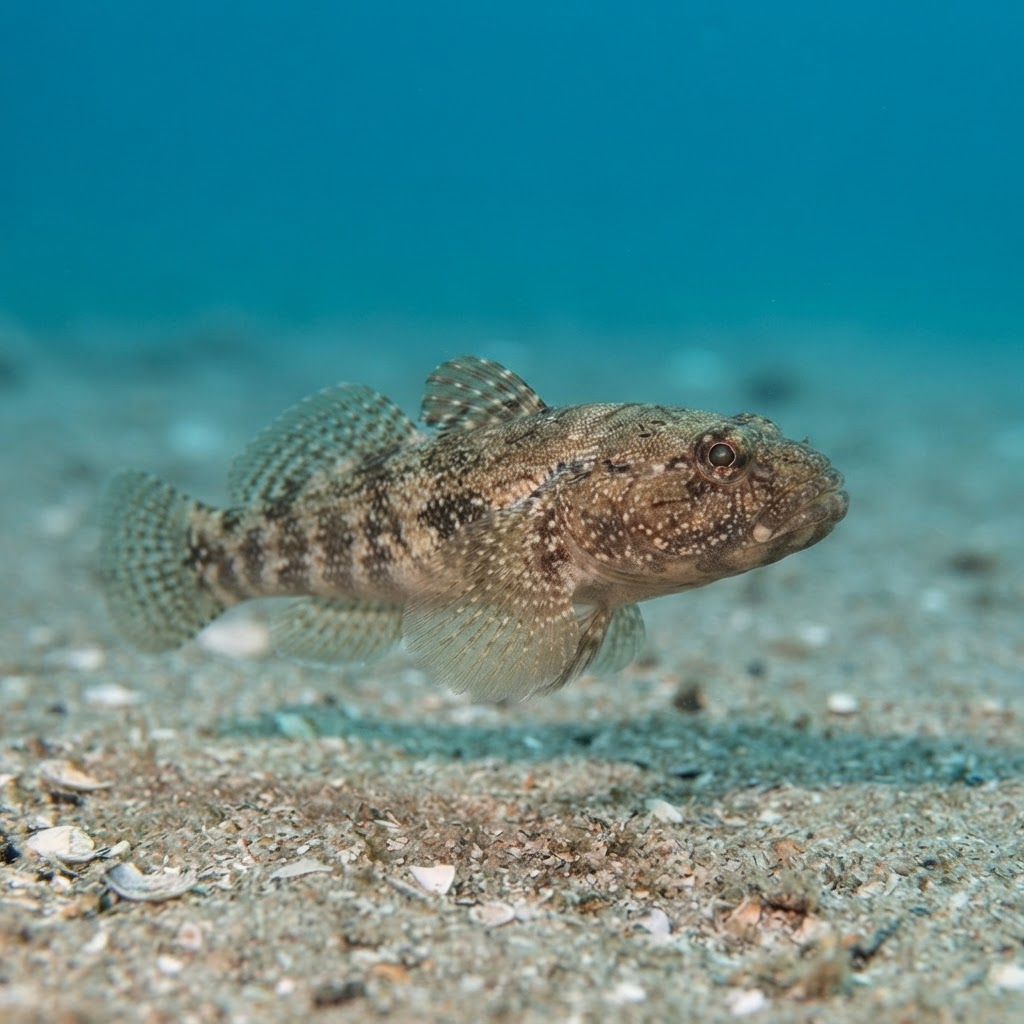
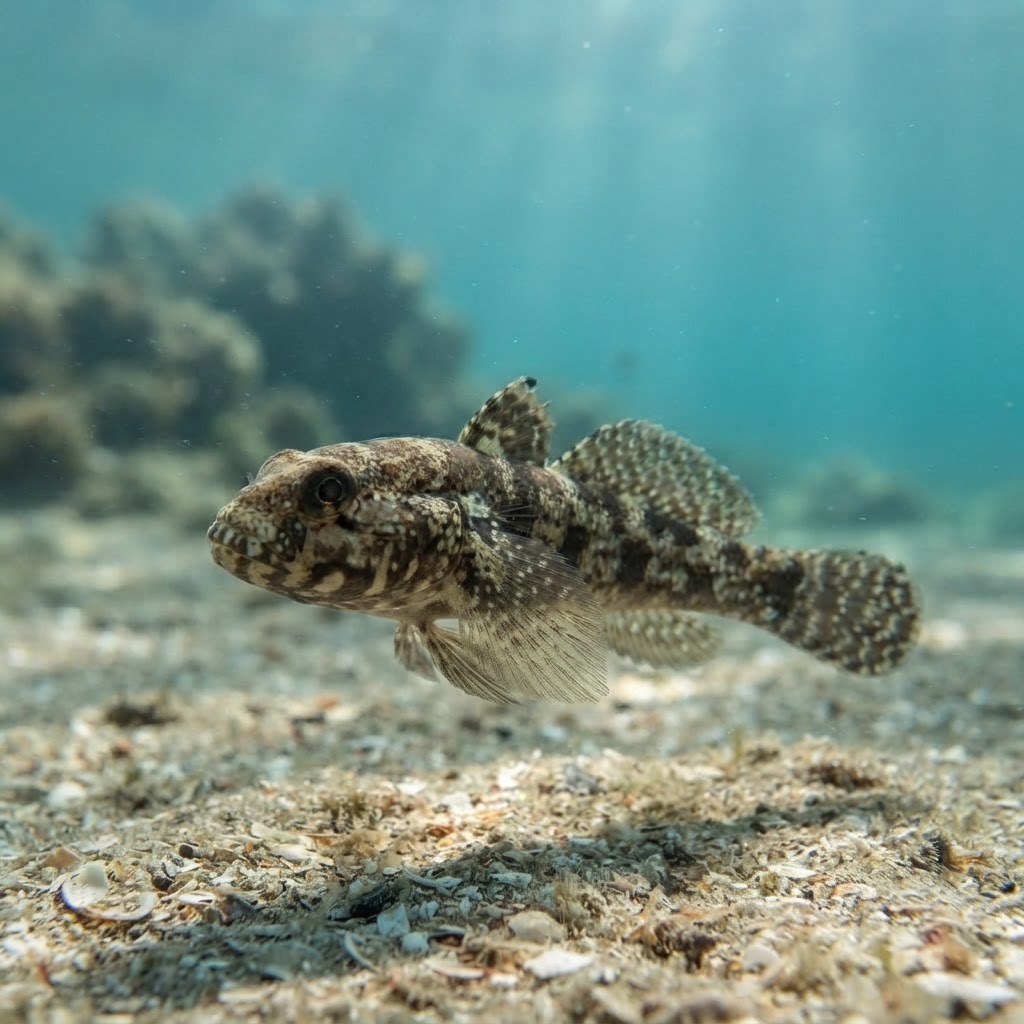
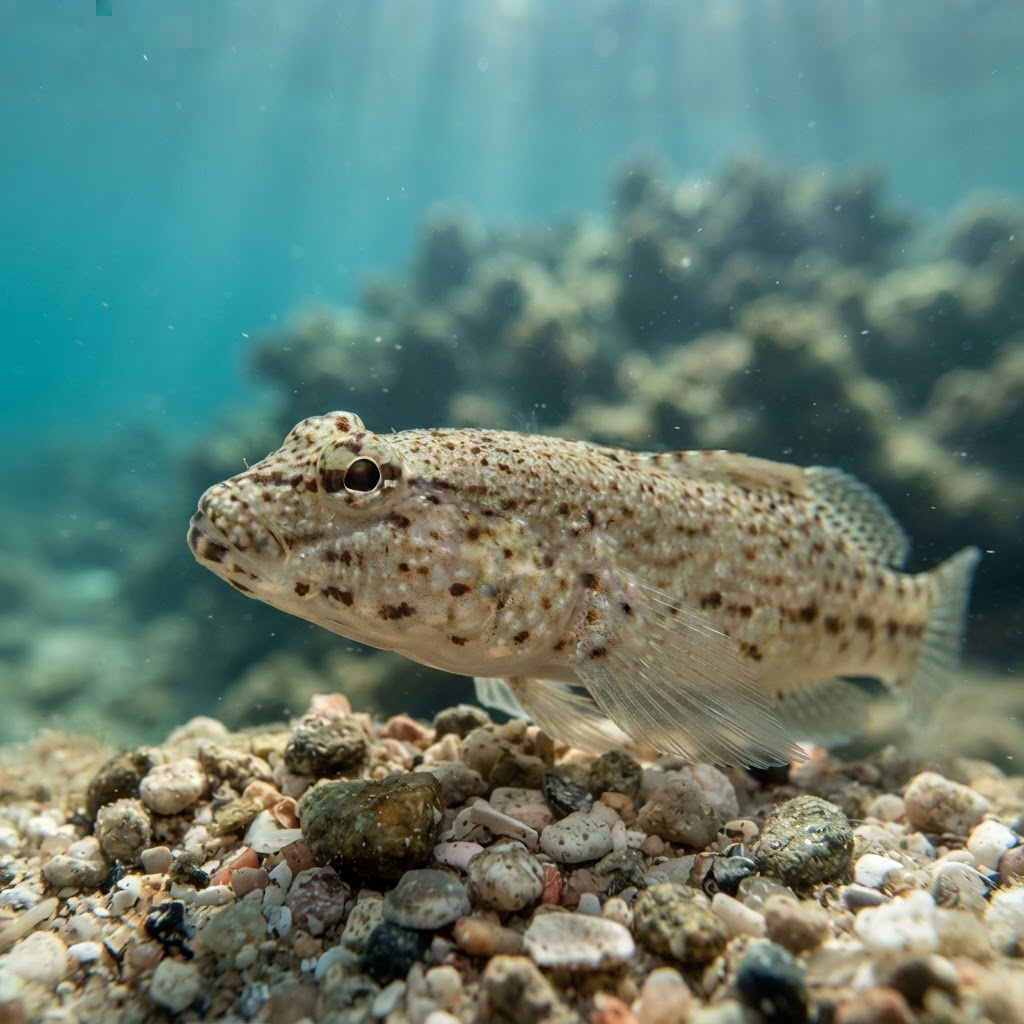
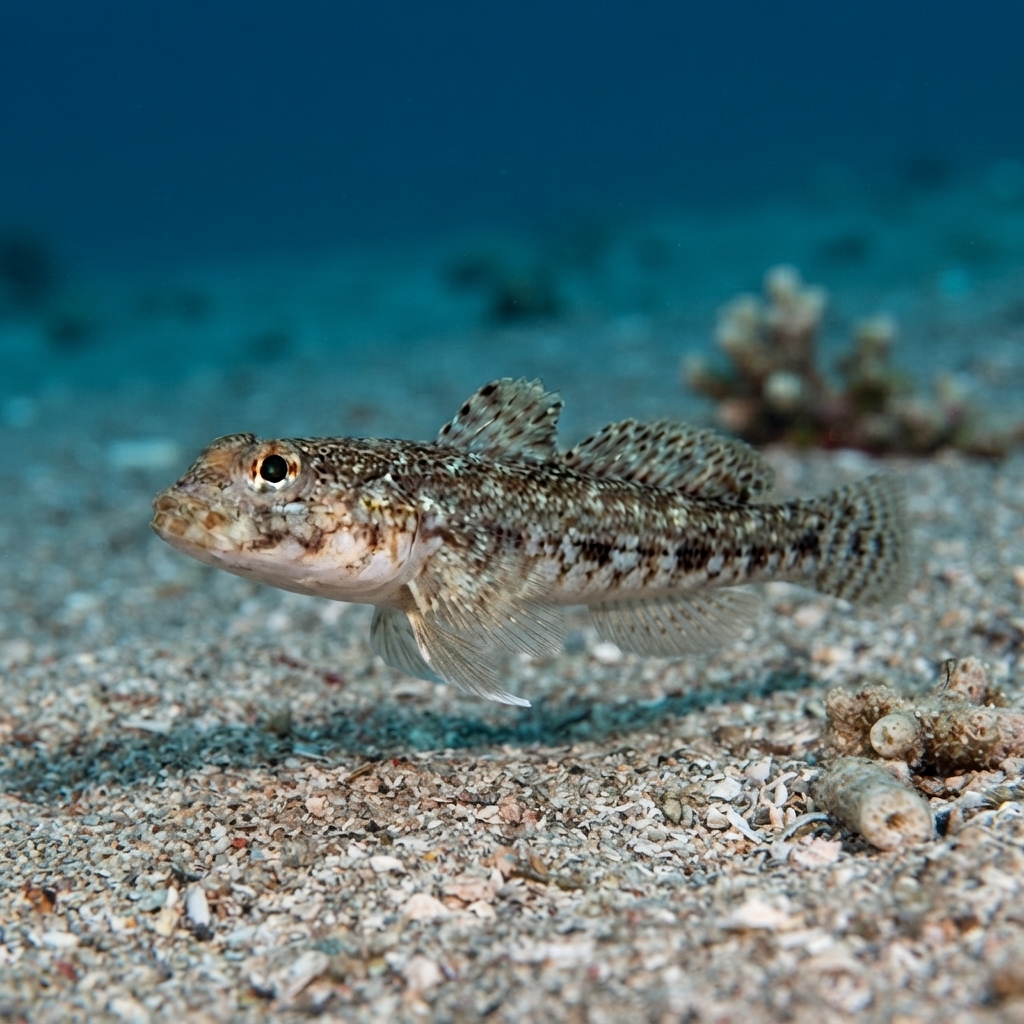
A small, slender goby topping out around 6 cm, with a mottled brown-grey body that blends closely with rocky and gravelly substrate. Look for the typical goby posture: propped on fused pelvic fins, perched still on rock or rubble rather than swimming in open water. There's no bold pattern to key on here, so size, habitat and that motionless, propped stance are your best clues at a glance.
Expect to find it sitting still on rock or gravel bottoms rather than cruising the reef, doing what most small gobies do: watching, waiting, and barely moving unless disturbed. It's the kind of fish you spot by slowing down and scanning the substrate closely rather than by covering ground, and it won't react much to a diver holding steady nearby.
Like other small Mediterranean rock gobies, it likely lays eggs in a sheltered crevice or under a rock, with the male guarding the clutch until the young hatch, a common gobiid strategy that keeps eggs safe from predators on exposed rocky reefs.
Sighting data doesn't show a clear seasonal pattern, so treat this as a year-round species where it occurs. Its observed temperature niche of 13.3 to 17 C points to cooler-water conditions typical of Mediterranean winter and spring, so cooler-season dives may improve your odds.
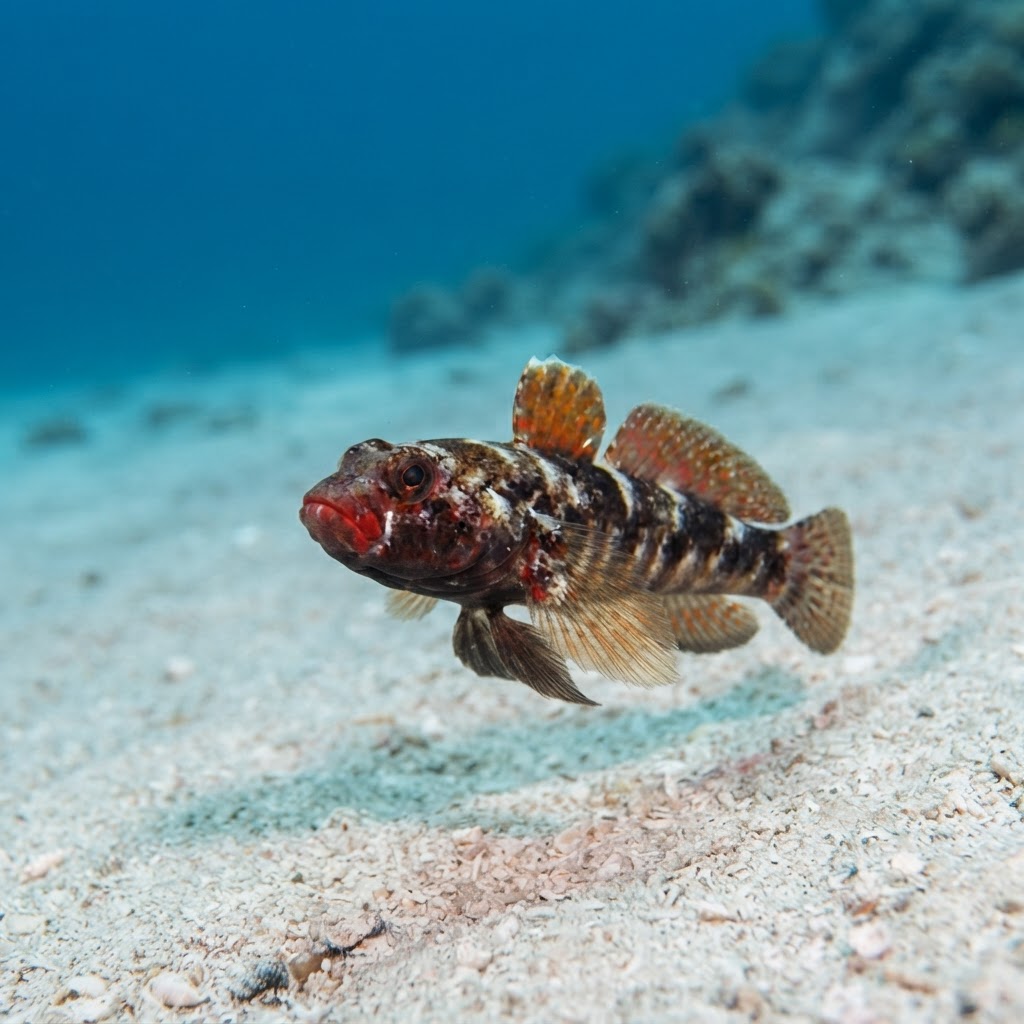
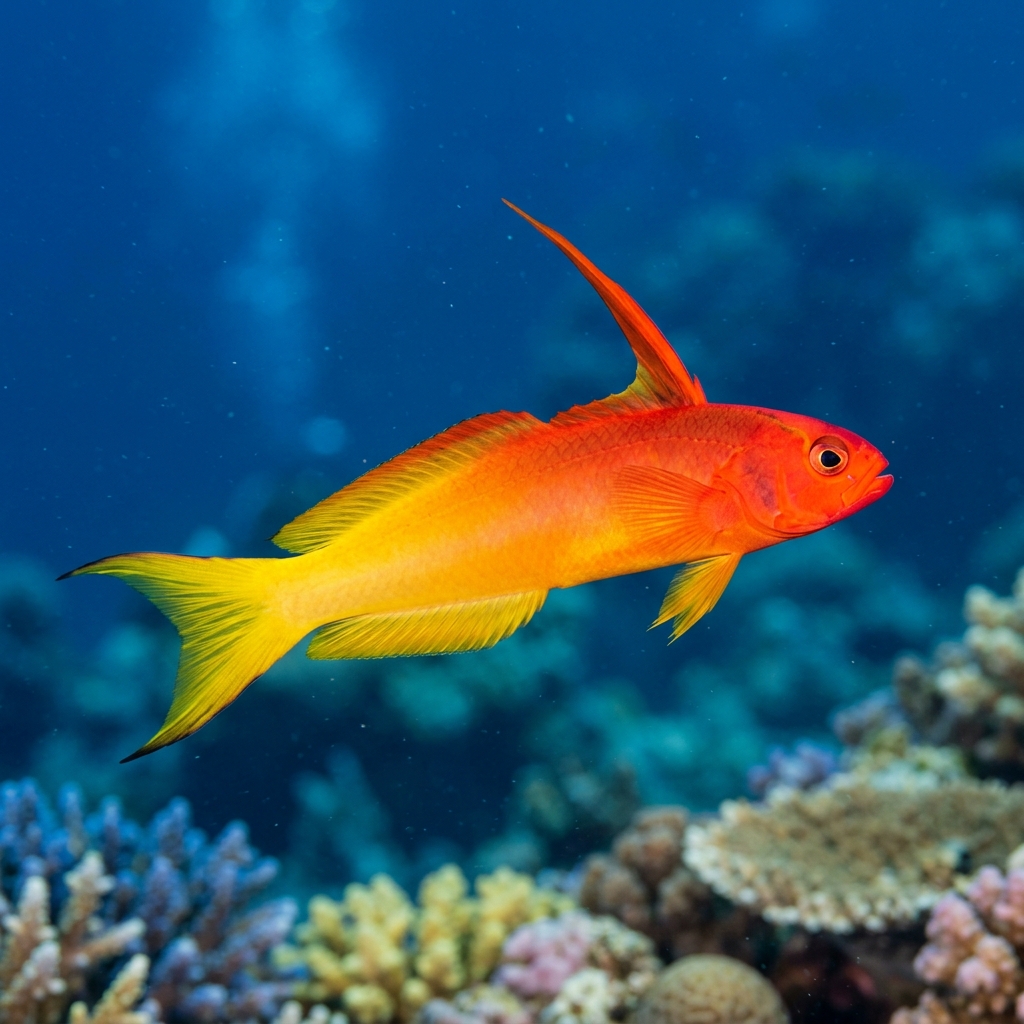
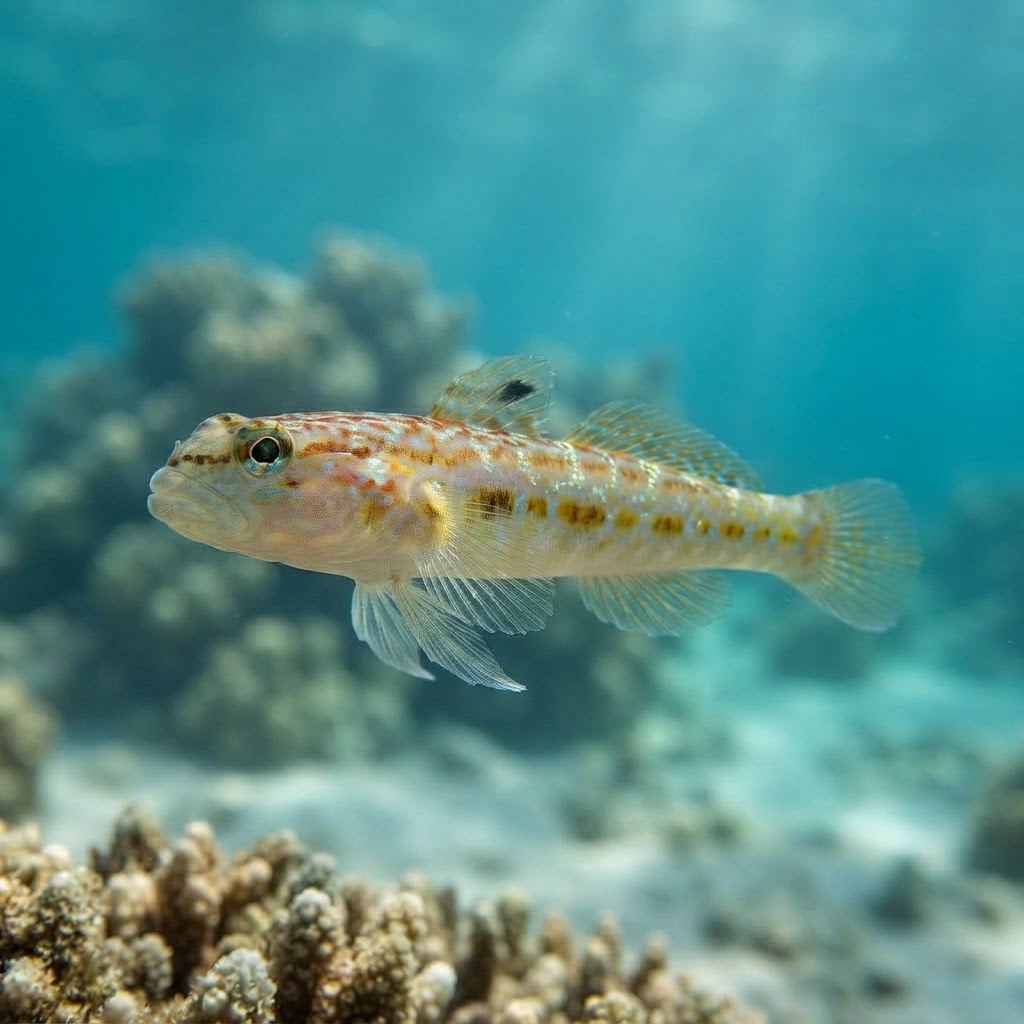
Reef neighbours a diver could mistake it for. Use the identification notes above to tell them apart.
This one is most reliably logged in France, particularly across the French Riviera and Provence, with strong secondary populations in Croatia's Kvarner region and Italy's Tuscany coast. A handful of sightings also come from Puglia in southern Italy, but everywhere it turns up it's logged as rare to uncommon, so treat any sighting as a bonus rather than a given.
Mapping where Kolombatovic's Goby is logged…
It's most often logged along France's Riviera and Provence coast, with reliable populations in Croatia's Kvarner region and Italy's Tuscany coast. It's an uncommon to rare find everywhere it's recorded, so it rewards divers who search rocky substrate closely.
There's no strong seasonal pattern in the data, so it can be seen year-round. Its recorded temperature range of 13.3 to 17 C suggests cooler Mediterranean conditions, so spring and winter dives may be worth prioritising.
Look for a small, mottled brown-grey fish around 6 cm long, perched motionless on rocky or gravelly bottoms rather than swimming freely. It lacks bold markings, so its size, plain colouring and still, propped posture are the main clues.
They're small, reaching around 6 cm in length, making them easy to overlook unless you're scanning rock and gravel substrate closely.
No, it poses no risk to divers. It's a tiny, sedentary fish that stays put on the substrate and has no defensive behaviour worth noting around people.
Site and sighting data is aggregated from diver logs, iNaturalist and GBIF. For taxonomy and conservation status:
Slender Goby
806 sites