Synapturichthys kleinii
Spot this camouflaged flatfish across Catalonia's dive sites, where it lies unnoticed on sandy bottoms in water from 13 to 24 C year-round.
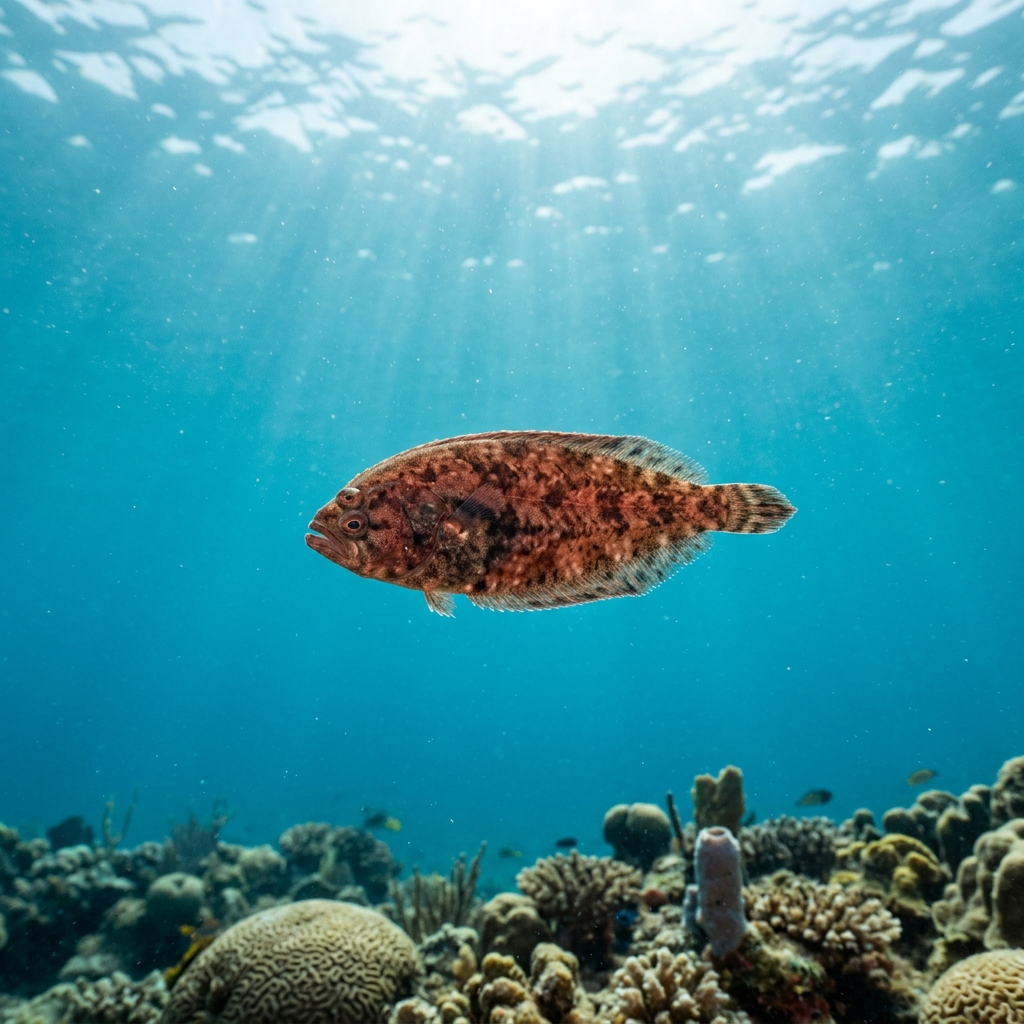
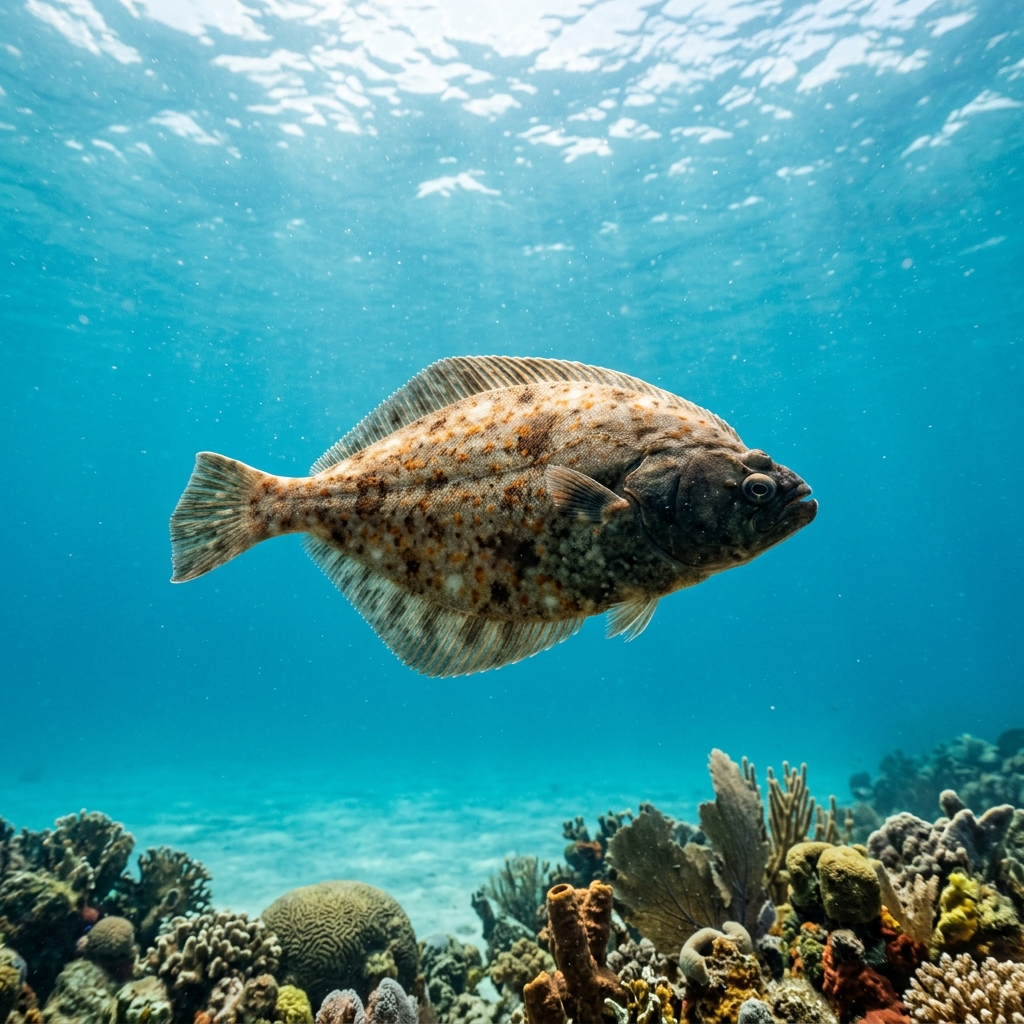
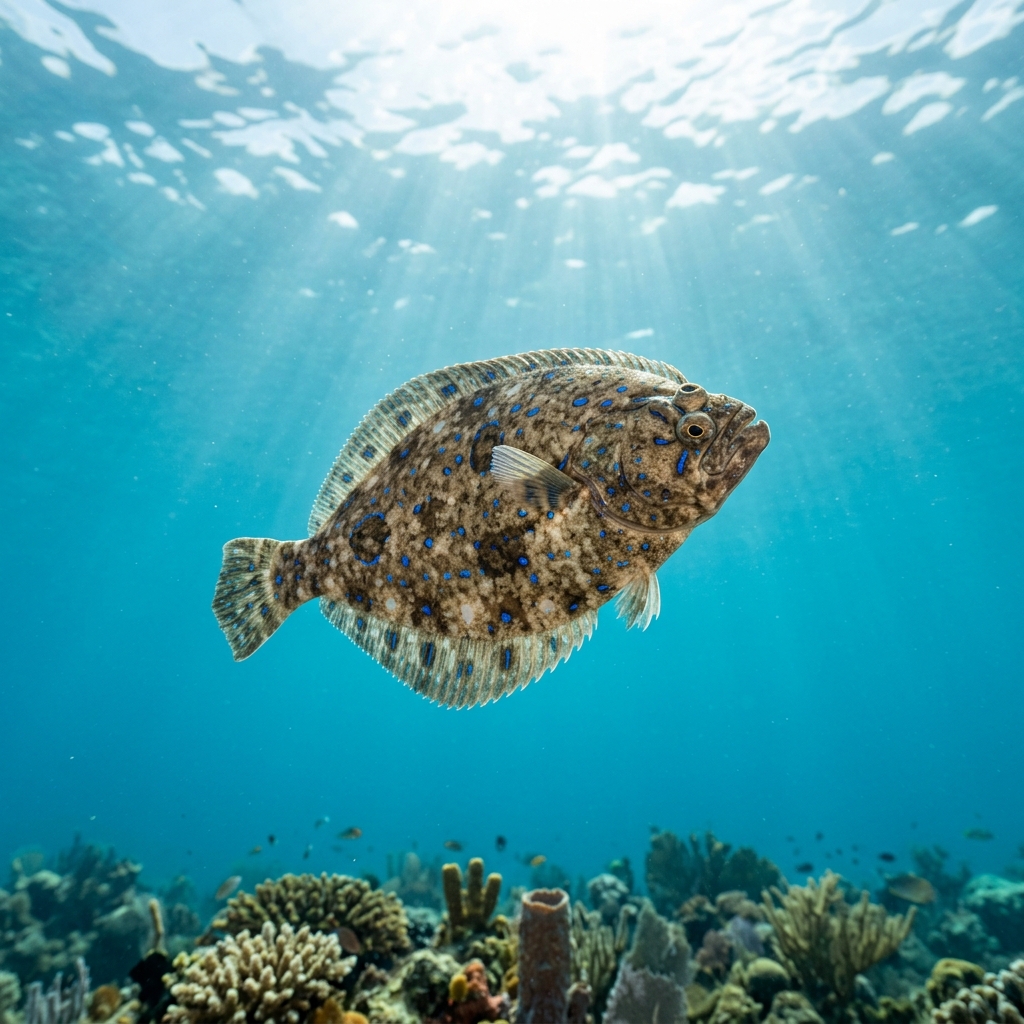
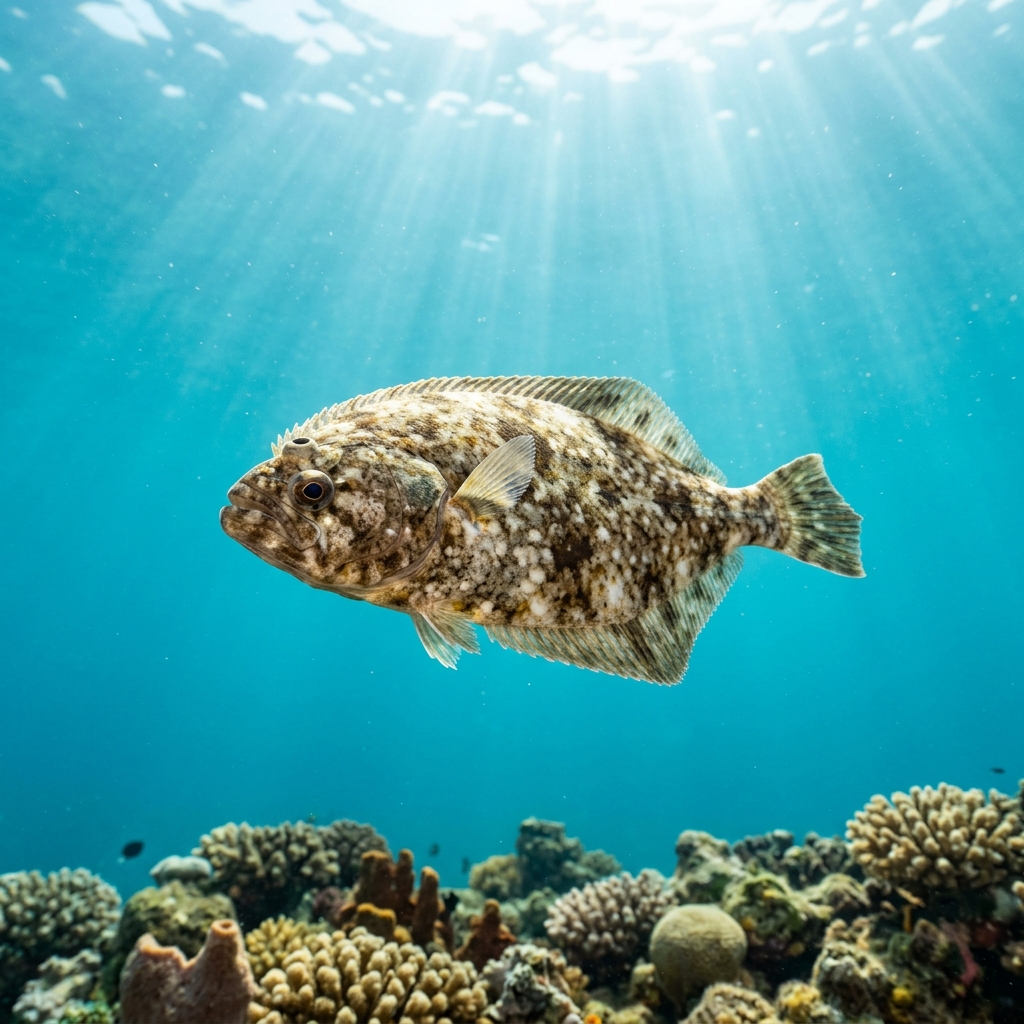
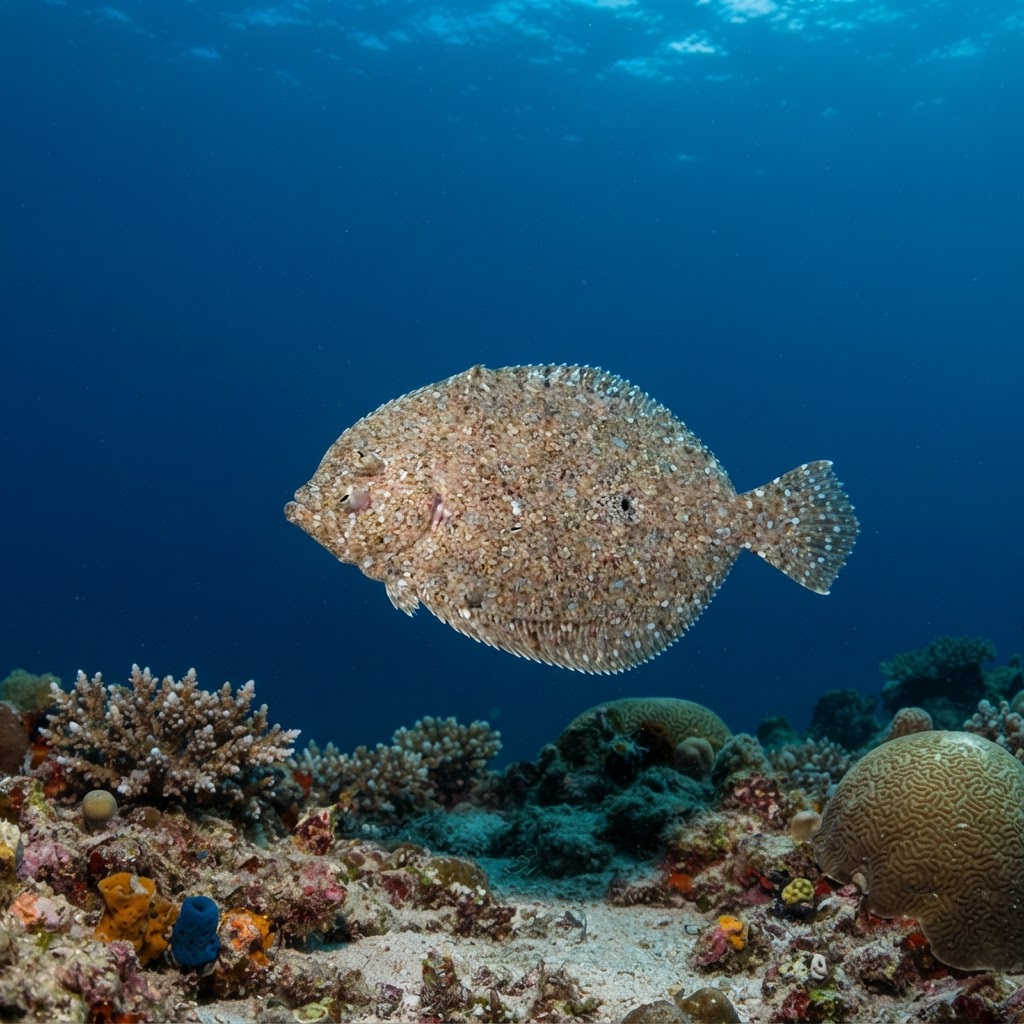
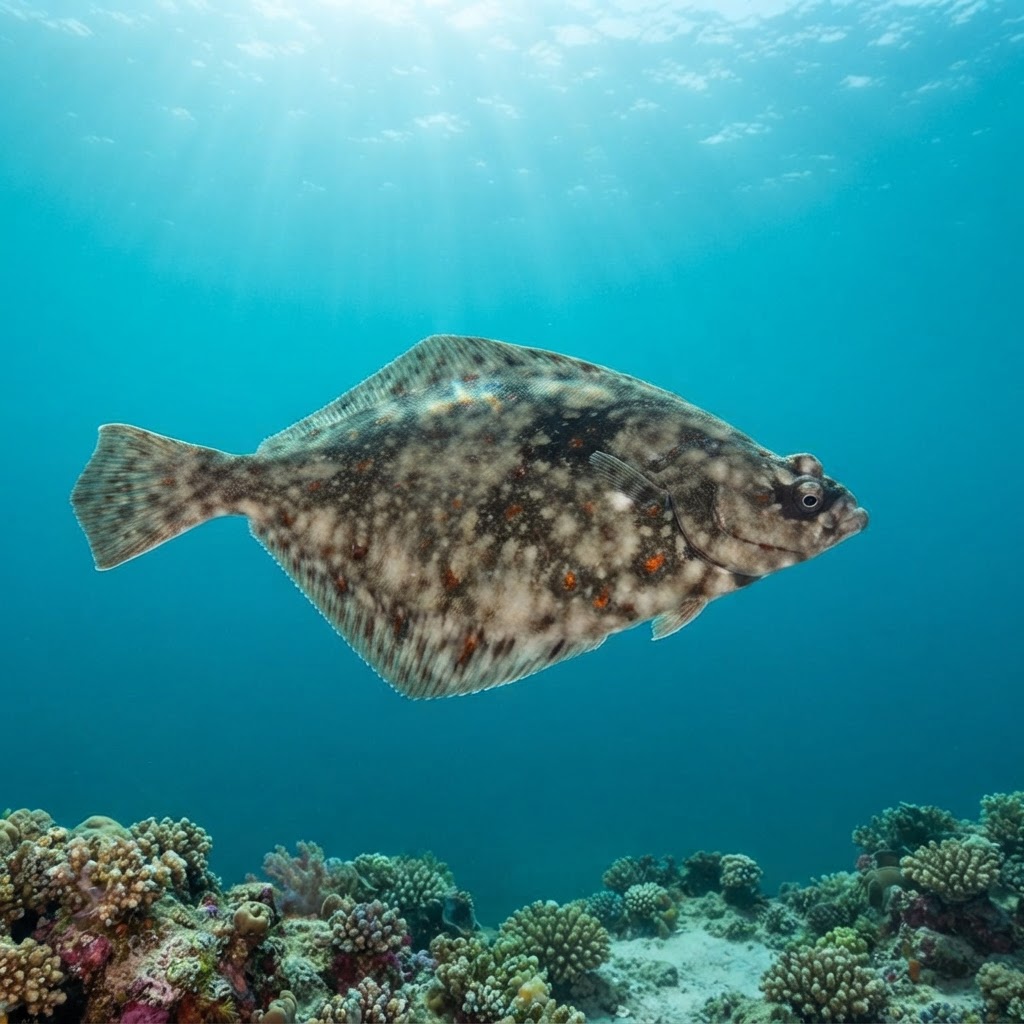
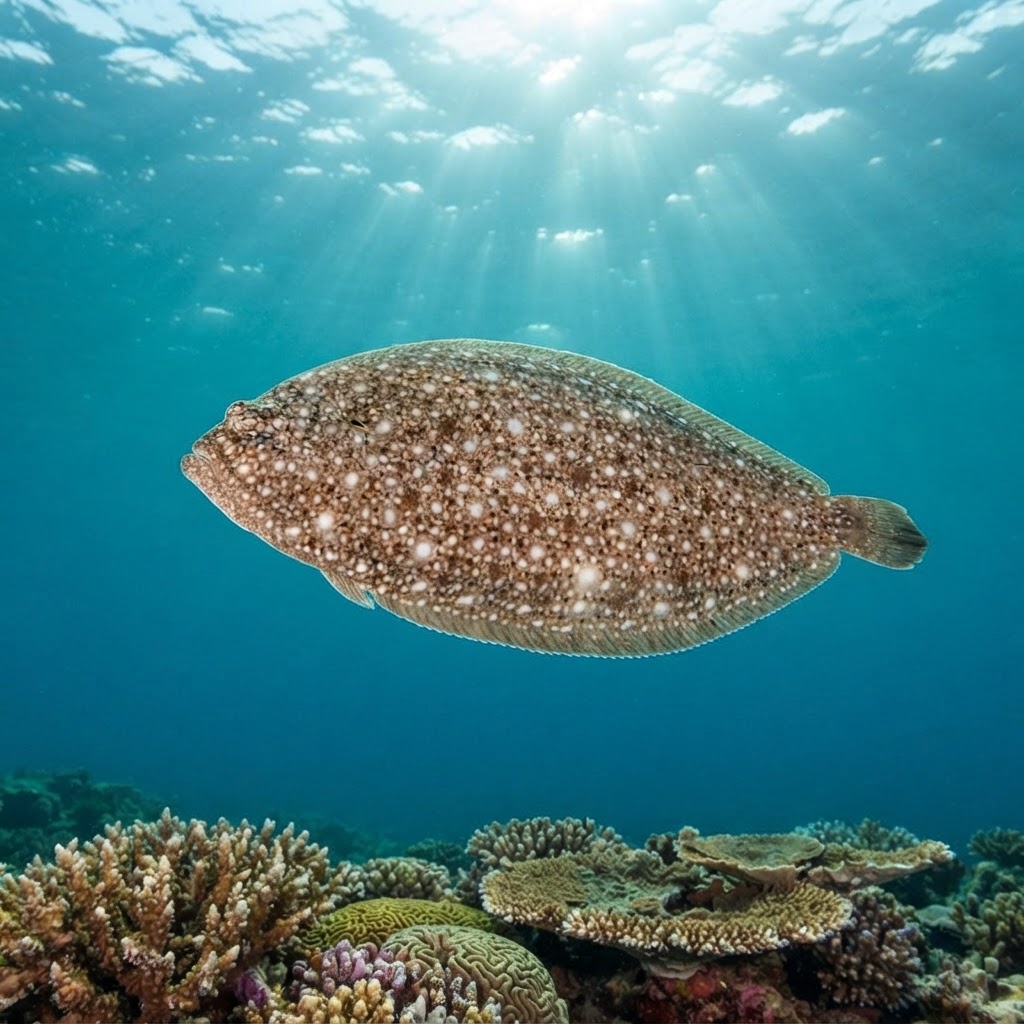
A flattened, oval-bodied fish lying flush on sand or fine gravel, growing to around 28 cm and mottled in brown and sandy tones that break up its outline against the seabed. Both eyes sit on the same side of the head, the hallmark of a flatfish, giving it a lopsided look when seen head-on. Divers usually notice it only when it shifts position or a fin edge ripples against the current, since otherwise it blends almost completely into the substrate.
Look for it lying motionless on open sand or fine sediment, often partially settled into the substrate where its mottled pattern does the work of hiding it. It is generally logged as an uncommon find, meaning divers scanning sandy patches and flat bottoms between rockier reef sections have the best chance, while a few sites report it turning up reliably enough to call it common. It tends to stay put rather than dart off, relying on stillness and camouflage rather than flight when a diver passes overhead.
Like other soles, it starts life with eyes on both sides of its head like a typical fish, then one eye migrates across the skull as it matures into the flattened, bottom-hugging adult shape divers see on the seabed.
Sightings show no clear seasonal pattern, and with a water-temperature range spanning 13 to 24.2 C, it appears to tolerate both cooler winter conditions and warmer summer water along the Mediterranean coast. Treat it as a year-round possibility rather than something tied to a particular month.
Catalonia in Spain is by far the strongest area for logging this flatfish, with dozens of dive sites reporting it, making it the region to head for if you want a real shot at a sighting. It also turns up occasionally in Occitanie in France and has been logged at a single site in Croatia's Kvarner region, but sightings there are far sparser.
Mapping where Klein's Sole is logged…
Catalonia in Spain is the strongest region for this flatfish, with far more dive sites reporting it than anywhere else. Smaller numbers have also been logged in Occitanie, France, and Kvarner, Croatia.
There isn't a detected season for this species, and it has been recorded across a wide temperature range from 13 to 24.2 C, so it seems to be a year-round possibility rather than a seasonal sighting.
Look for a flat, oval fish lying on sand with both eyes on one side of its head and a mottled brown pattern that camouflages it against the seabed. It rarely swims when divers approach, so spotting it means scanning open sandy patches closely.
They typically reach around 28 cm in length, a modest size that combined with their flat shape and sandy colouring makes them easy to swim straight past.
Like all soles, it hatches with a normal, symmetrical fish shape and eyes on either side of its head, then one eye migrates across the skull as it grows, flattening into the sideways-lying adult form seen on the seabed.
Site and sighting data is aggregated from diver logs, iNaturalist and GBIF. For taxonomy and conservation status:
Wide Eyed Flounder
1,624 sites