Cirrhilabrus katherinae
Tiny reef flasher most reliably spotted around Peleliu and the Rock Islands, Palau, in warm 26-29C water year-round.
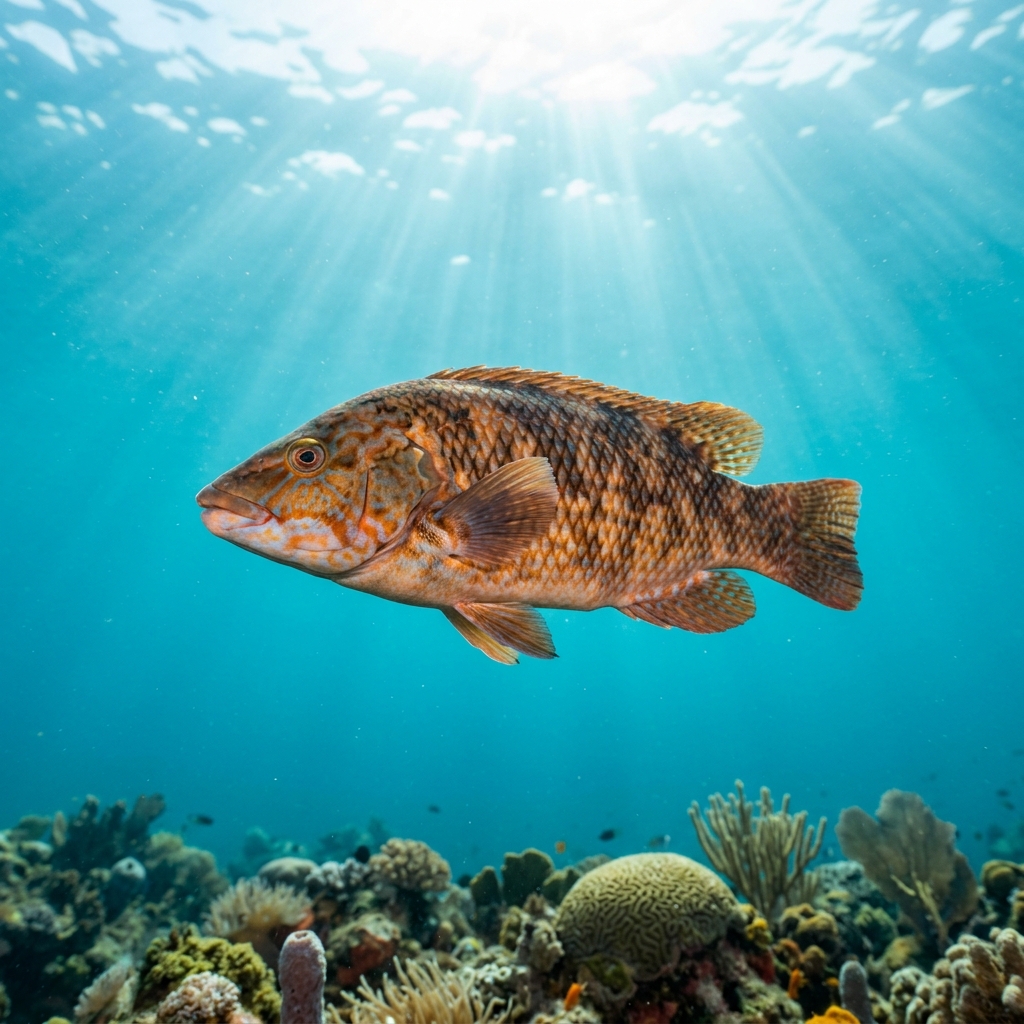
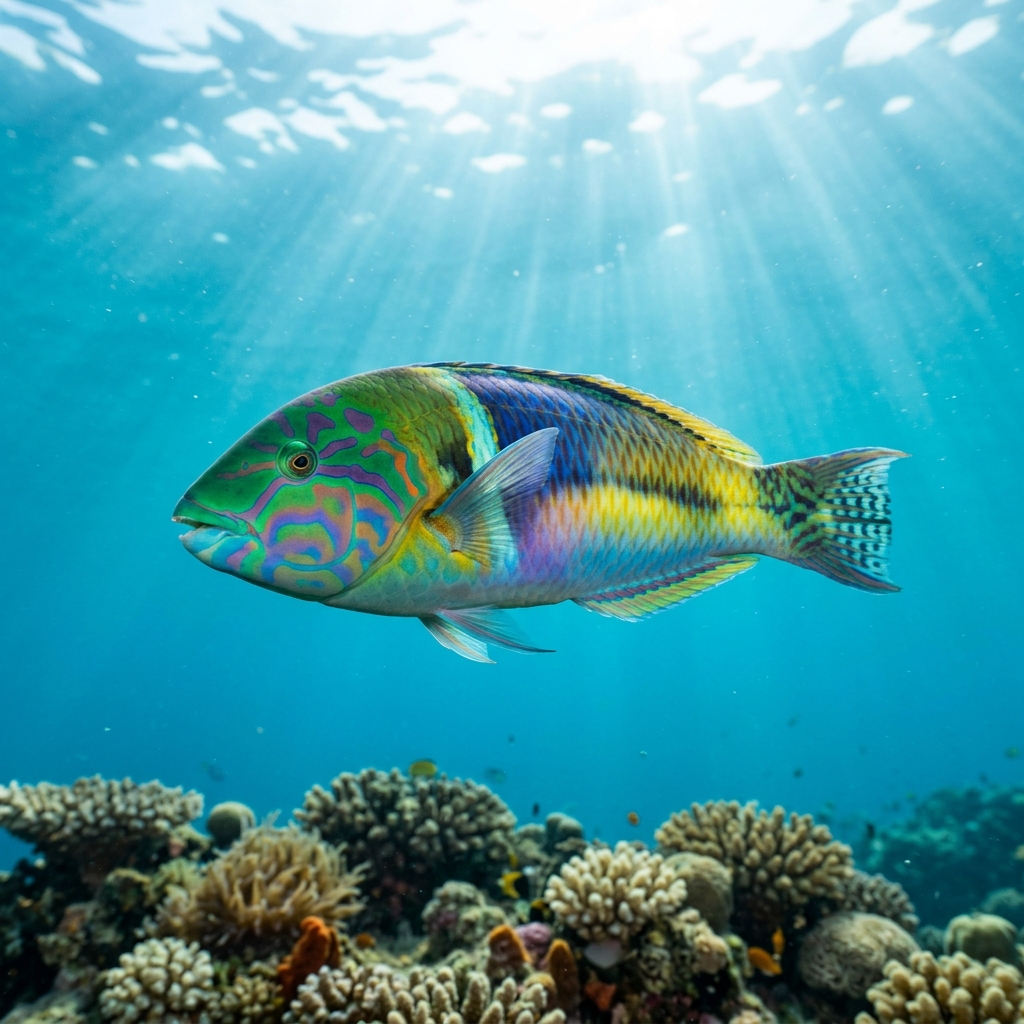
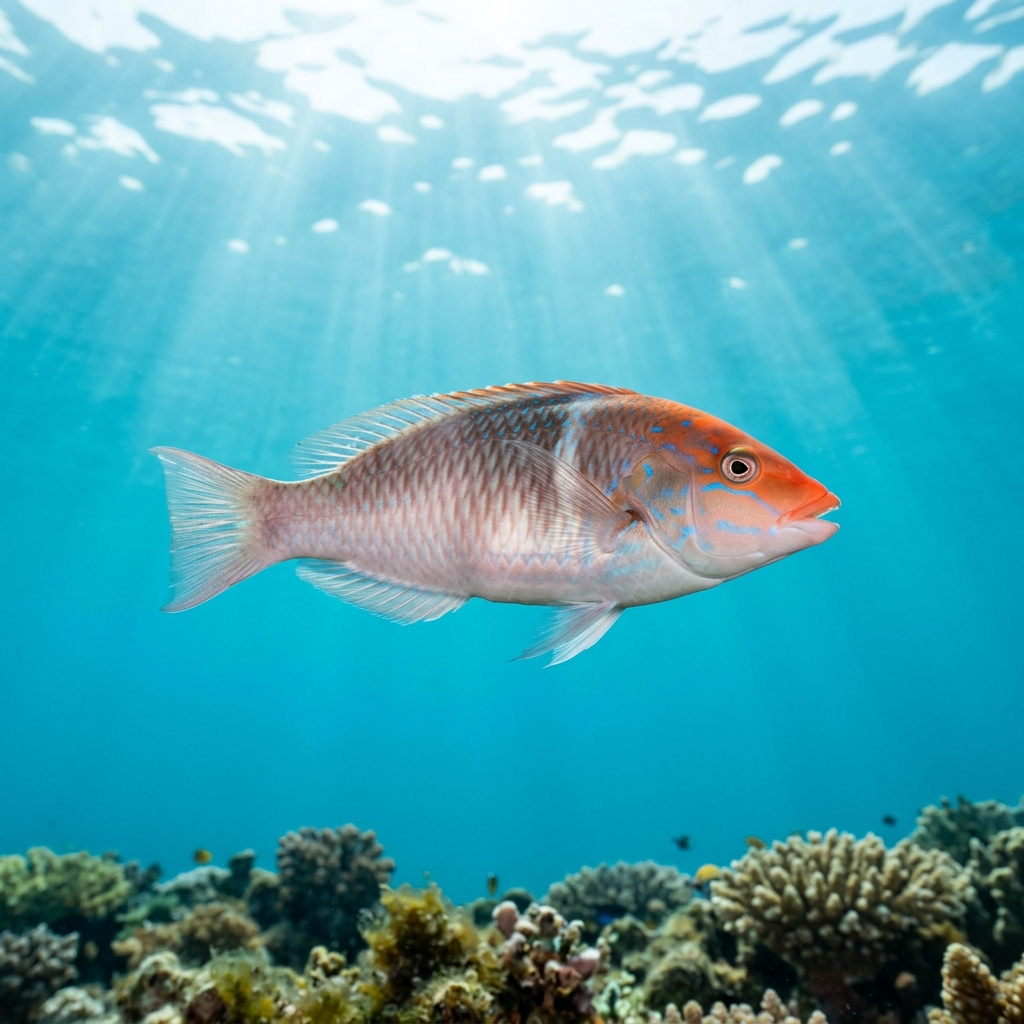
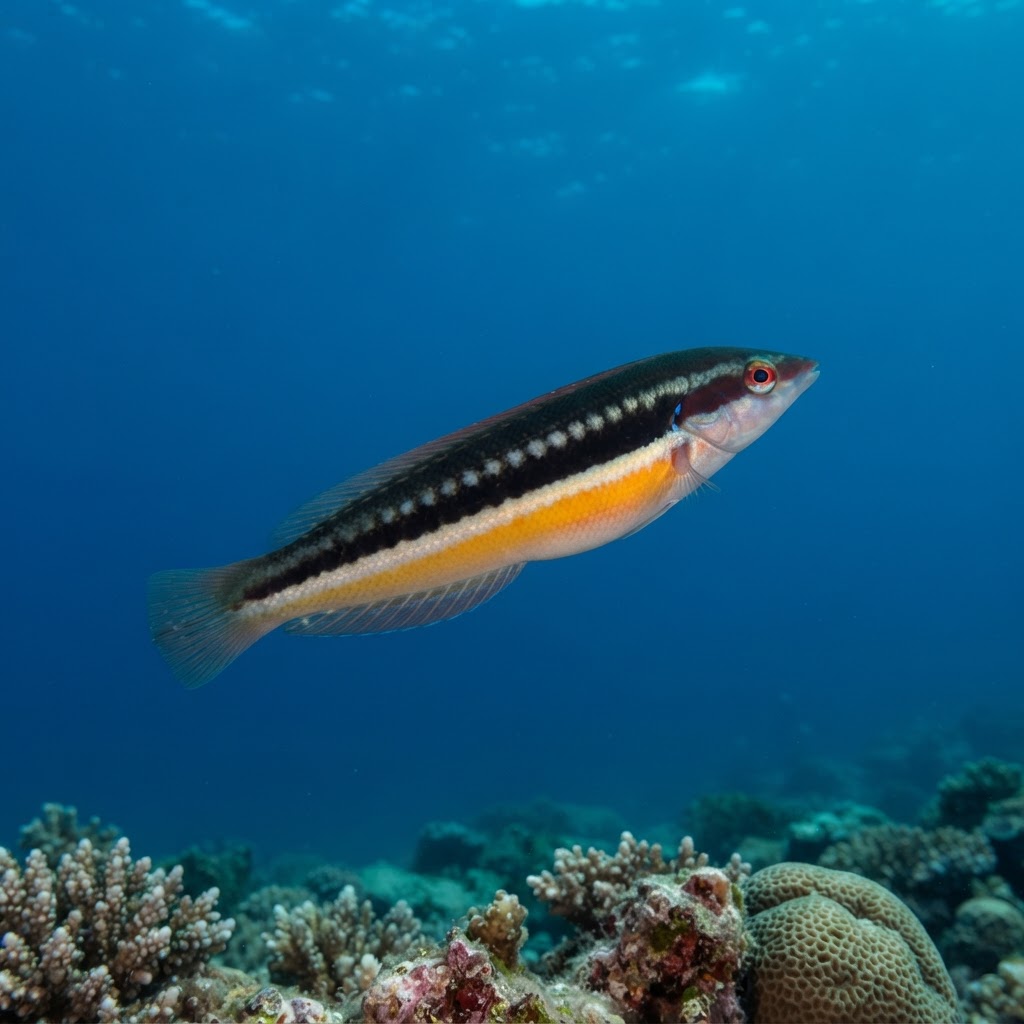
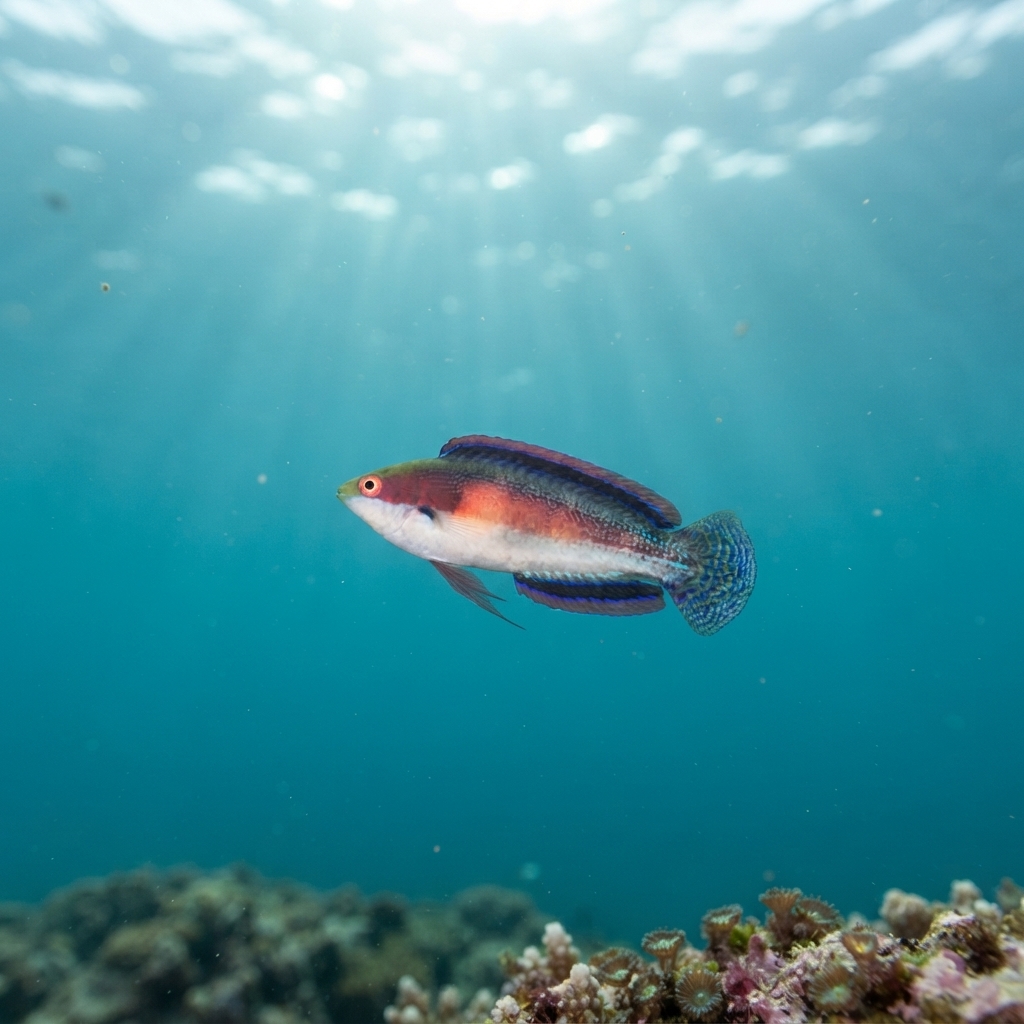
A tiny fairy wrasse at only about 5cm, easy to miss unless you slow down near rubble and coral edges. Look for a slender, torpedo-shaped body with a mix of red, purple and pink tones that flash as it turns in the light. It hovers just off the substrate rather than sitting on it, darting back to cover between passes.
Watch for quick, low hovering flights just above rubble patches and coral rubble edges, usually solo or in loose groups picking at the reef surface. It tends to stay close to cover and ducks for shelter the moment a diver gets too close, so a slow approach and a bit of patience pays off. Most sightings come from divers working slower along walls and reef slopes rather than cruising past at speed.
Like other fairy wrasses in the genus Cirrhilabrus, males likely intensify their colour and display during brief courtship bursts, a detail worth watching for if you find one holding a patch of reef rather than darting away.
No clear seasonal pattern shows up in the sightings, and with a comfortable range of 25.5 to 28.9C on these reefs, it is realistically a year-round find in Palau and Guam.
Most reliably logged in Palau, especially around Peleliu and the Rock Islands, with a smaller but steady presence in Guam around Tumon Bay and the North Coast. Across both countries it turns up as an uncommon find at most sites, with a handful of spots where divers report it more consistently.
Mapping where Katherine's Wrasse is logged…
Palau is the strongest bet, particularly Peleliu and the Rock Islands, with Guam's Tumon Bay and North Coast also producing sightings. It shows up as an uncommon spot at most sites, so patient reef-scanning helps.
There is no strong season in the sightings, and water temperatures on these reefs stay in a comfortable 25.5 to 28.9C range most of the year, so it can be found across the calendar in Palau and Guam.
Look for a small, slender wrasse around 5cm long with red and purple tones flashing as it moves. It hovers just above rubble or coral rather than resting on it, quickly darting for cover when approached.
They stay small, typically around 5cm, making them one of the more overlooked reef fish unless you are looking closely at rubble zones and reef edges.
No, they pose no risk to divers. They are small, shy reef fish that retreat from divers rather than approach.
Site and sighting data is aggregated from diver logs, iNaturalist and GBIF. For taxonomy and conservation status:
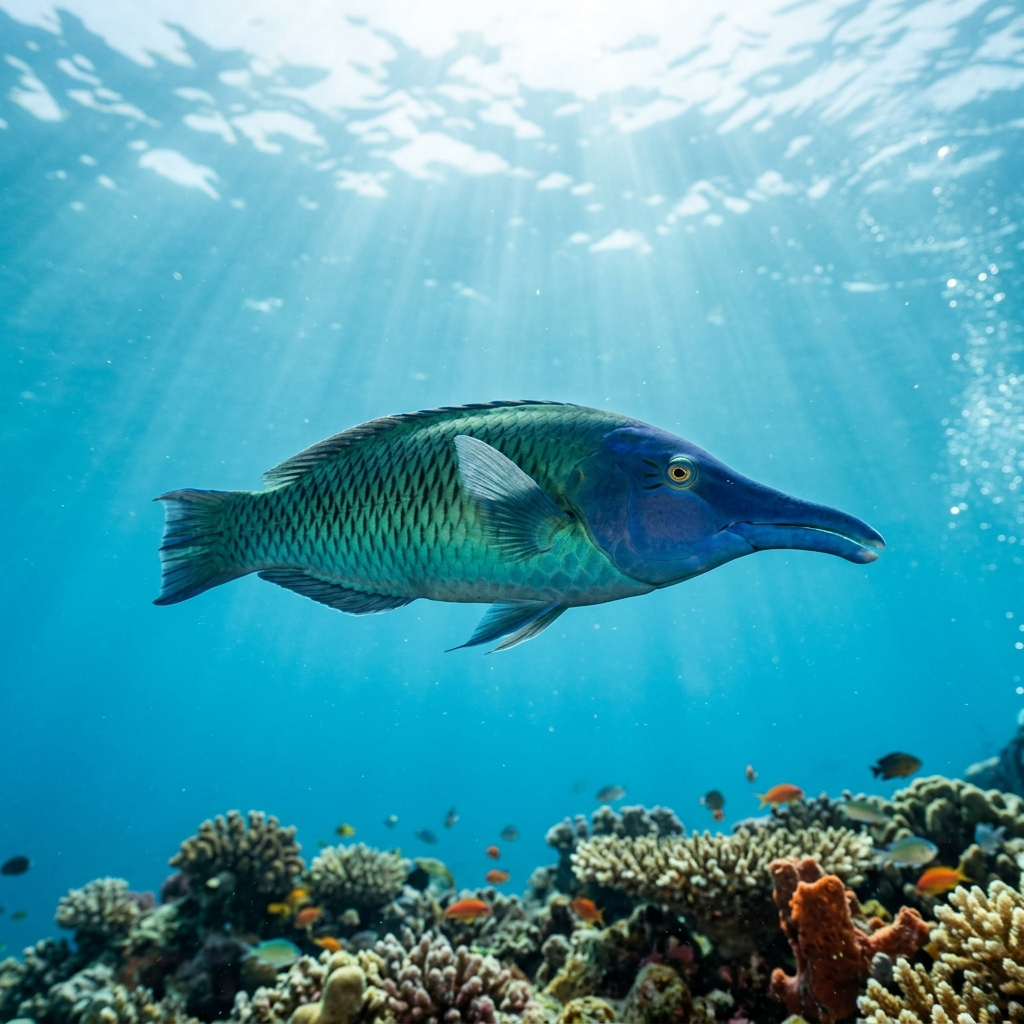
Bird Wrasse
3,632 sites