Idaliadoris neapolitana
A rare Catalonia find: this small nudibranch turns up in cool 14-20C waters off Spain's northeast coast, year-round if you look closely.
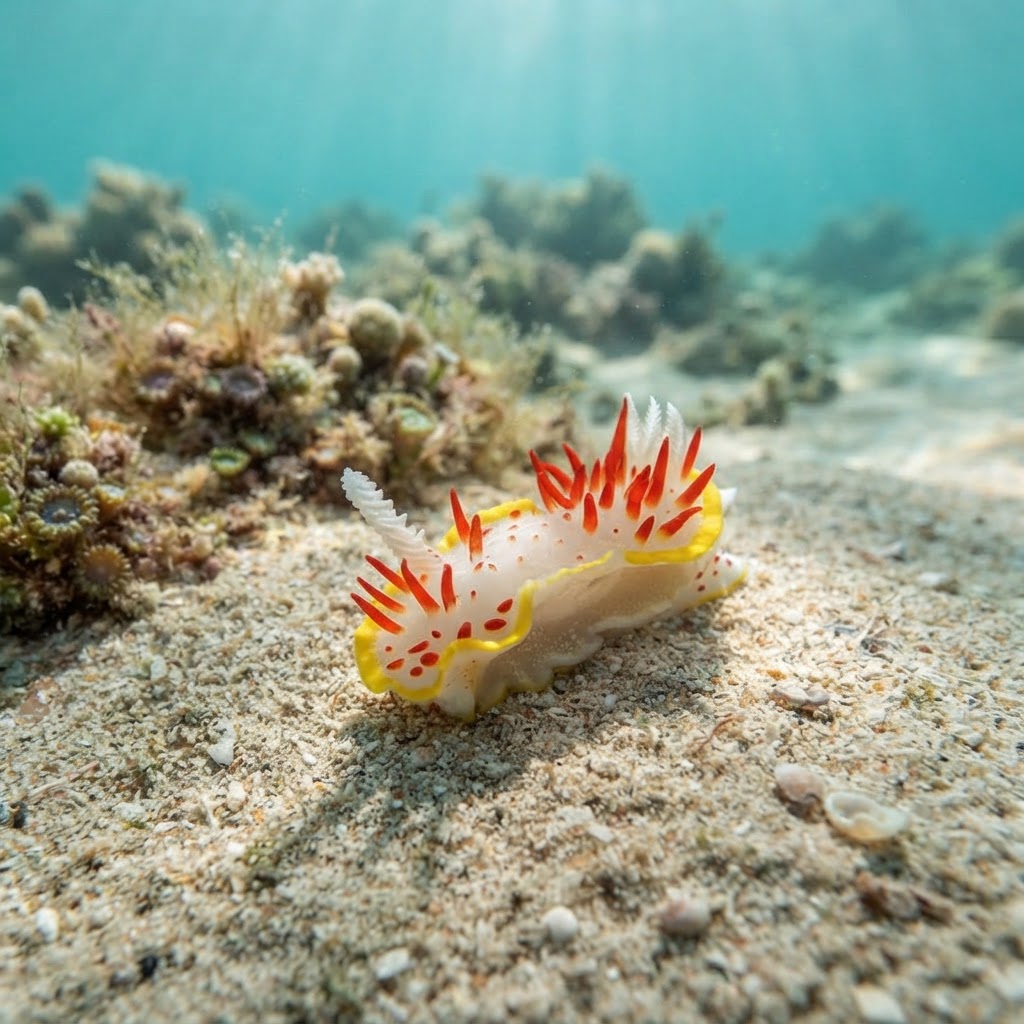
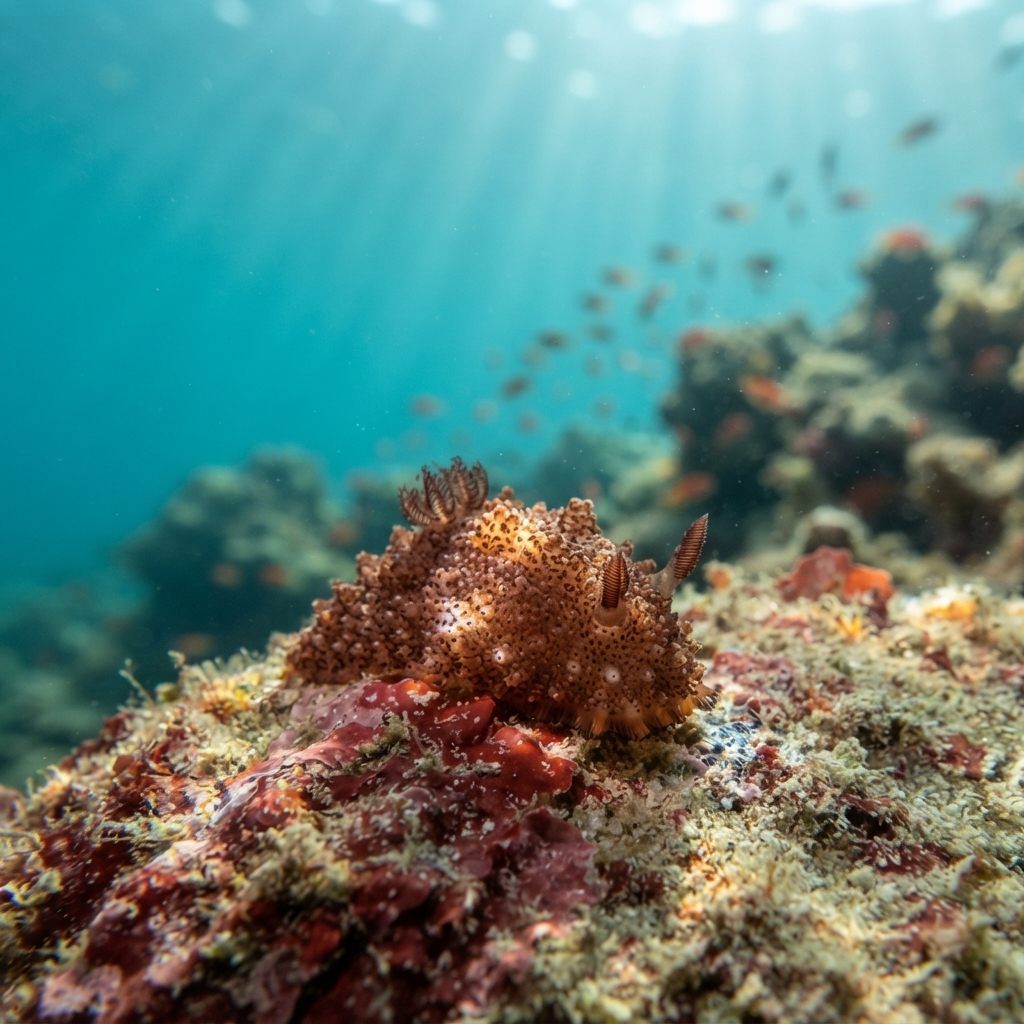
A small dorid nudibranch (a group with a rosette of feathery gills on the back) with a soft, mottled body that blends easily into rocky and algae-covered substrate. Look for the low, bumpy texture across the mantle and the retractable gill cluster near the rear, which it can pull in flat when disturbed. Its low-contrast colouring means divers usually spot it by scanning slowly rather than catching a flash of colour.
This is a slow-moving, substrate-grazing slug, most often found tucked among rocks and algae rather than out in the open. It shows no reaction to divers beyond the usual slug response of pulling in its gills if bumped or lit up too closely. Given how rarely it is logged even at known sites, spotting one usually comes down to a careful, unhurried macro search rather than a lucky swim-by.
Like other dorid nudibranchs, it likely feeds on sponges using a specialised feeding tube (radula), though its exact diet has not been well documented, which is typical for a species this rarely recorded.
There is not enough seasonal data to call out a specific window, so treat sightings as possible year-round. The observed water temperature range of 14.1 to 20.1C fits the cooler Mediterranean months through to late spring and early summer in Catalonia, so persistent macro divers there have a fair shot most of the year.
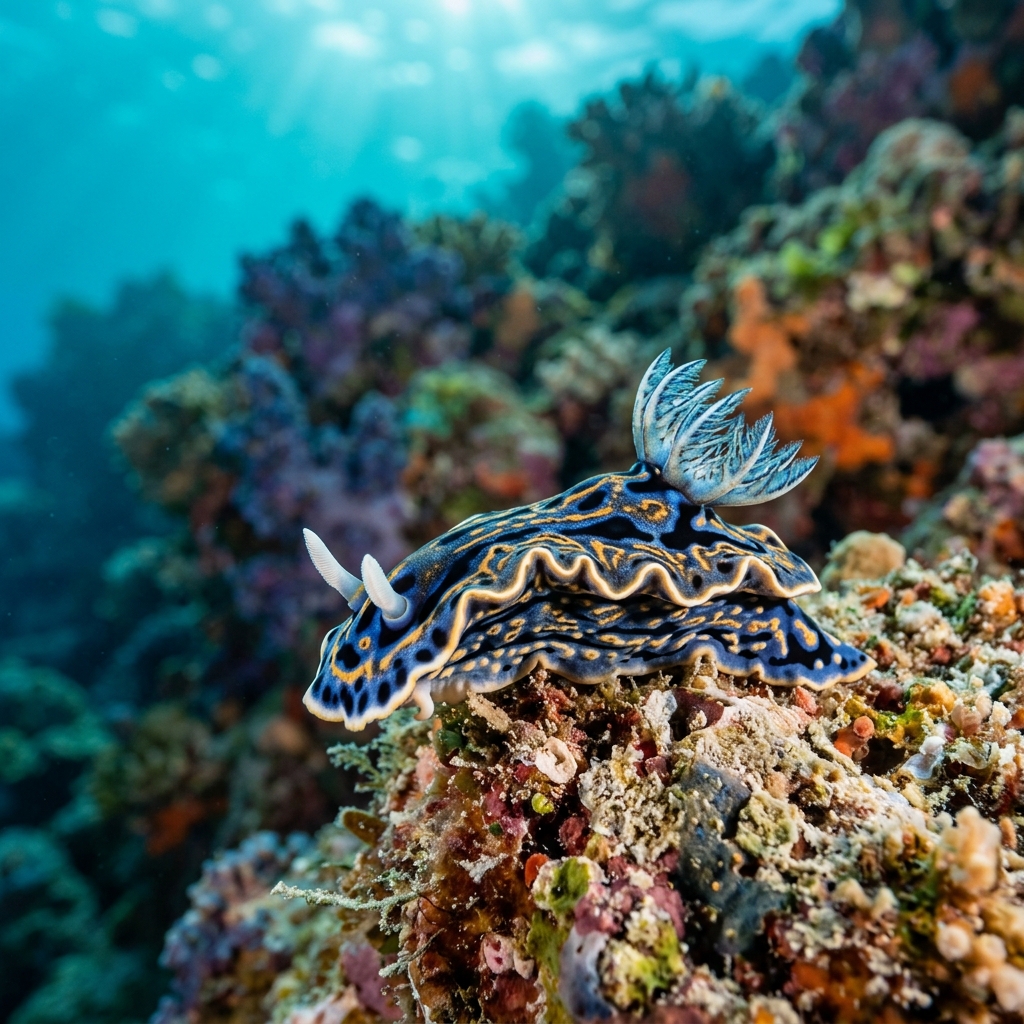
Reef neighbours a diver could mistake it for. Use the identification notes above to tell them apart.
Every logged sighting of this species comes from Spain, with Catalonia standing out as the region where divers actually find it. If you are diving the Costa Brava or nearby Catalan sites, this is where to add it to your macro checklist rather than further south or on other coastlines.
Mapping where Idaliadoris Neapolitana is logged…
Every recorded sighting comes from Spain, specifically Catalonia. It is not currently logged anywhere else, so Catalan dive sites are the place to look.
There is no clear season in the data, so sightings are treated as year-round. It has been observed in water between 14.1 and 20.1C, a range that spans much of the Catalan diving calendar.
Look for a small, mottled dorid nudibranch with a bumpy mantle and a retractable rosette of gills near the tail end. Its muted colouring means it blends into rock and algae, so slow, close scanning is key to spotting one.
Exact size data is not available for this species, but as a small dorid nudibranch it is likely in the centimetre-scale range typical of the family, making it a macro-only find.
No, it poses no danger to divers. Like most nudibranchs it is a harmless, slow-moving grazer best appreciated without handling.
Yes, it is logged as rare even at the handful of sites where it has been recorded. Finding one in Catalonia is considered a solid macro spot rather than a routine sighting.
Site and sighting data is aggregated from diver logs, iNaturalist and GBIF. For taxonomy and conservation status:
Blue Dragon
3,163 sites