Pachymetopon blochii
Spot the Hottentot in the Western Cape's cool 16-20 °C waters. Most sightings concentrate Jan, Jun along South Africa's reefs.
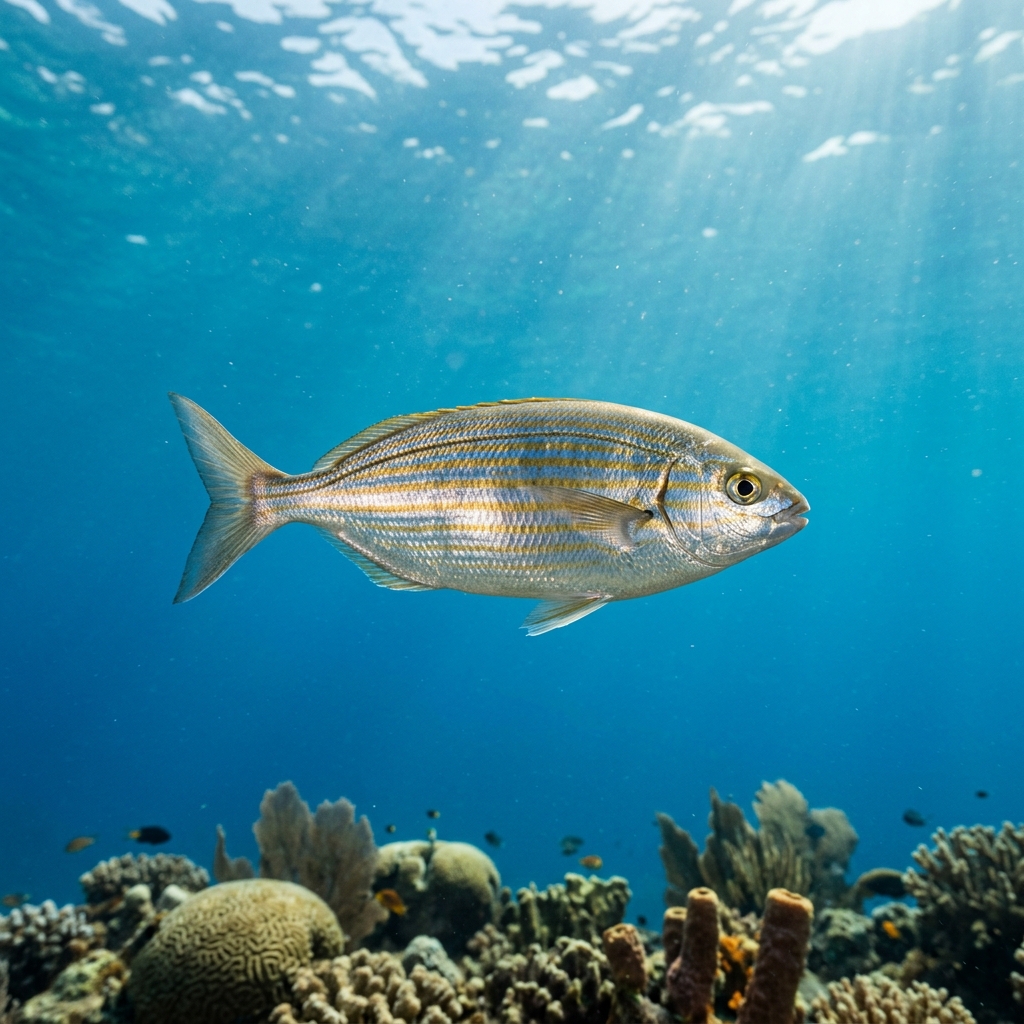
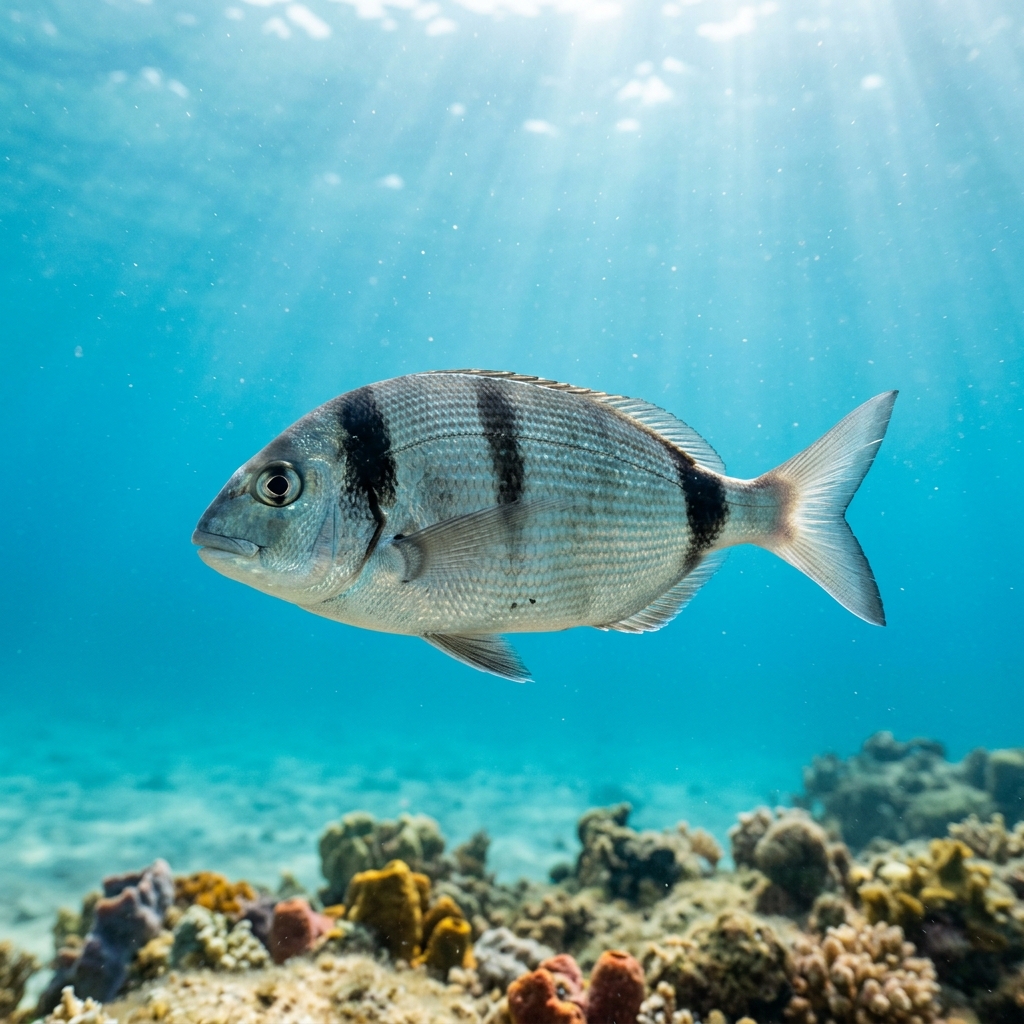
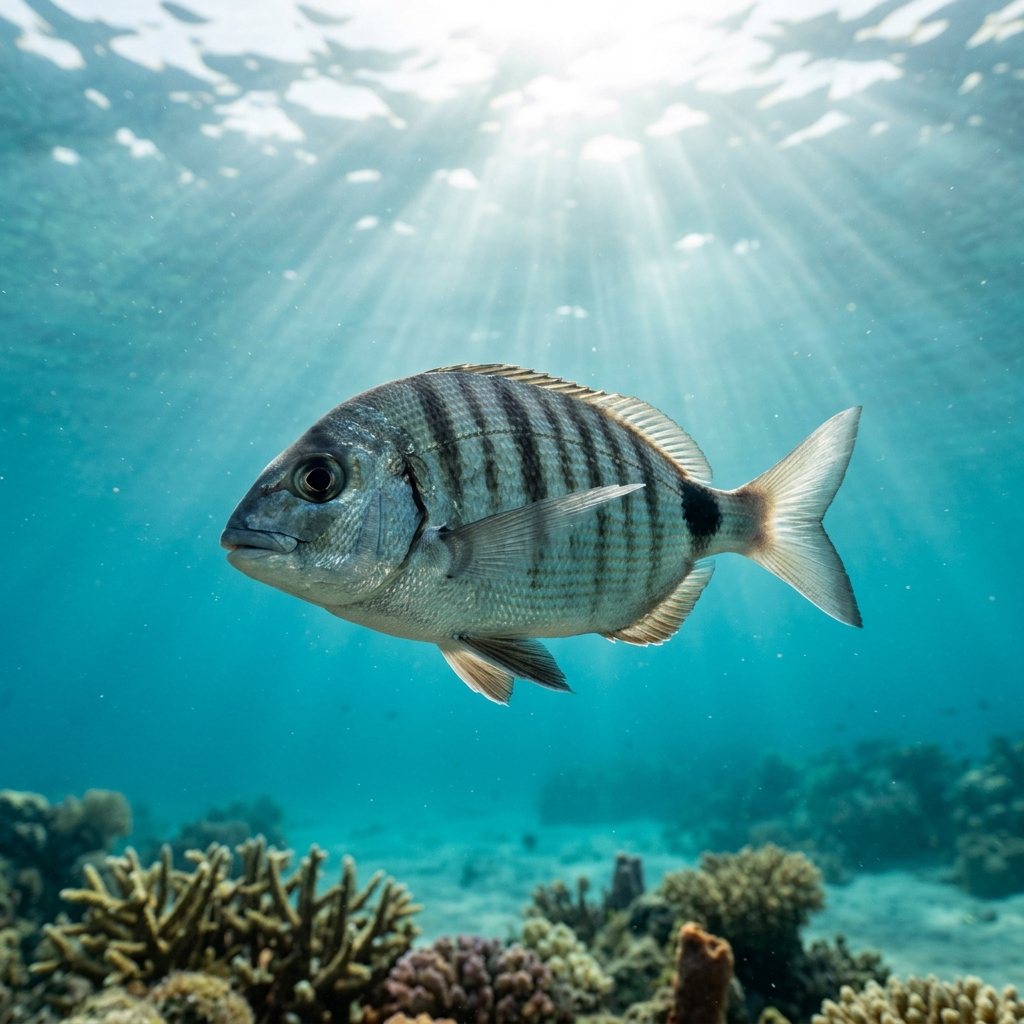
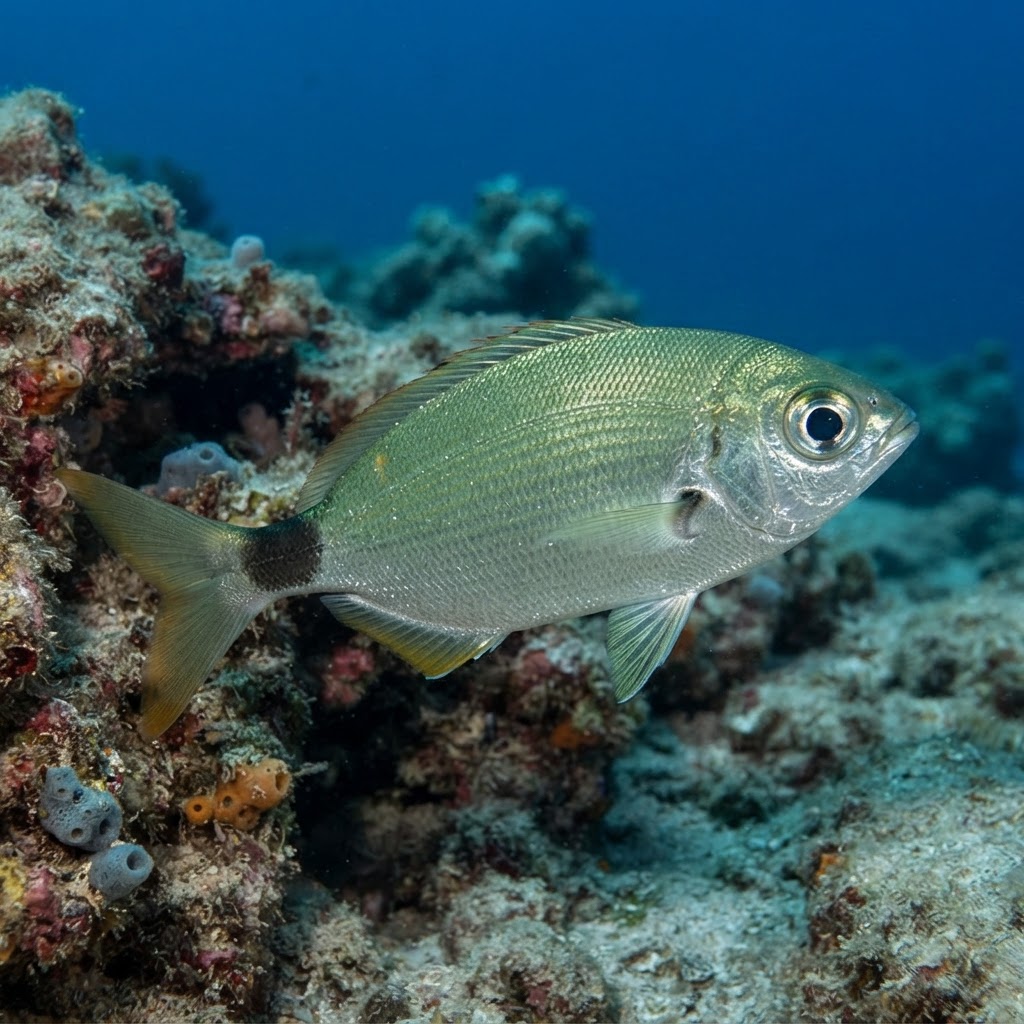
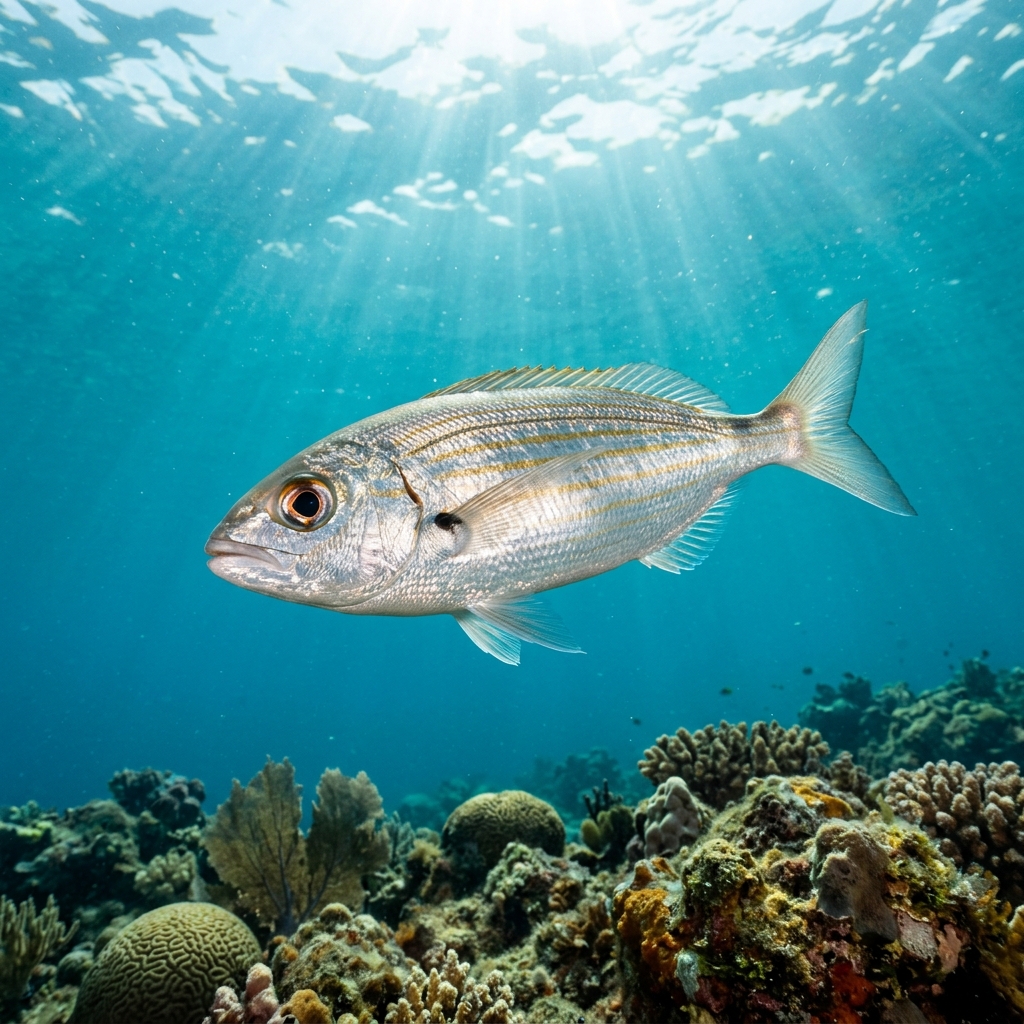
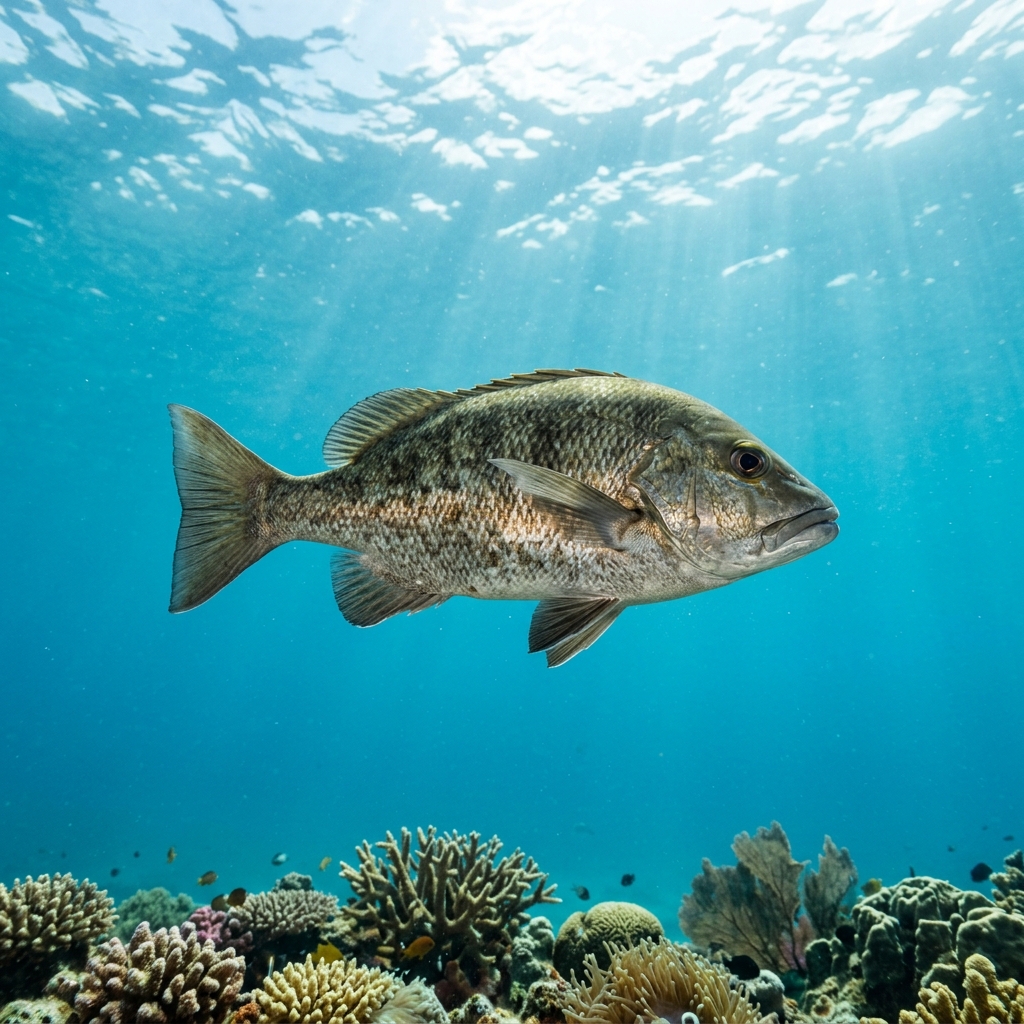
A deep-bodied, laterally compressed fish around 30 cm long, with a silvery to bronze-grey flanks and a subtle scale-edge patterning that gives it a faintly cross-hatched look in good light. The head is relatively small with a steep forehead profile and a small terminal mouth, typical of reef-foraging sparids (seabreams). Underwater it can look quite plain compared to tropical reef fish, but the compact, oval body shape and that steep snout angle are the features to key on.
As a demersal (bottom-associated) species, you will typically find hottentot working their way along rocky reef structure and kelp-fringed boulders rather than in open water. They are carnivorous and tend to be seen nosing around crevices and rocky surfaces in search of invertebrates. They are not particularly bold around divers but will hold their ground on a reef rather than bolting, making calm, slow approaches the best strategy.
Hottentot belong to the family Sparidae, many of which are protogynous hermaphrodites, meaning individuals can change sex from female to male as they grow larger and older. This life-history trait has implications for reef population structure that are worth keeping in mind when observing groups.
Sightings across logged Southern Hemisphere sites concentrate between January and June, covering the late summer and autumn months in South Africa. The species favours cool temperate water in the 16 to 20.5 °C range, which characterises the Cape's Atlantic- and Agulhas-influenced coast throughout this period.
This is overwhelmingly a South African species, with the vast majority of logged sightings concentrated in the Western Cape. A smaller number of sites appear further east along the Eastern Cape coastline, and a single site has been recorded in Namibia. If you are diving the Western Cape reefs around Cape Town, you are in the heart of its range.
Mapping where Hottentot is logged…
Hottentot are found almost exclusively along the South African coastline, with the Western Cape being by far the most reliable region. A smaller number of sites exist along the Eastern Cape, and the species has occasionally been recorded in Namibian waters. Cape Town-area reefs are your best starting point.
Logged sightings in South Africa concentrate between January and June, the late-summer and autumn period. The species is associated with cool water between 16 and 20.5 °C, conditions that prevail along the Western Cape coast during this window.
Look for a compact, deep-bodied, oval-shaped fish around 30 cm long with silvery to bronze-grey colouring and a steep, rounded forehead profile. The small mouth and scale-edge patterning help separate it from other reef fish on South African reefs. It lacks the bold markings of many tropical sparids, so body shape is your primary clue.
Most individuals you will encounter are around 30 to 32 cm in length. They are a medium-sized reef fish, broadly similar in build to a typical seabream, and their compact shape can make them look slightly bulkier than their length suggests.
At sites where it is recorded, hottentot are most often described as uncommon, though at a good number of Western Cape sites they are logged as common. You will rarely see large aggregations; typically one or a few individuals working along rocky reef. Slow, calm dives along rocky structure give you the best chance.
Site and sighting data is aggregated from diver logs, iNaturalist and GBIF. For taxonomy and conservation status:
Saddled Bream
3,846 sites