Heniochus varius
Spot the Horned Bullfish in the Visayas or Bali at 26-29 °C year-round. ID tips, top dive sites, and when to go.
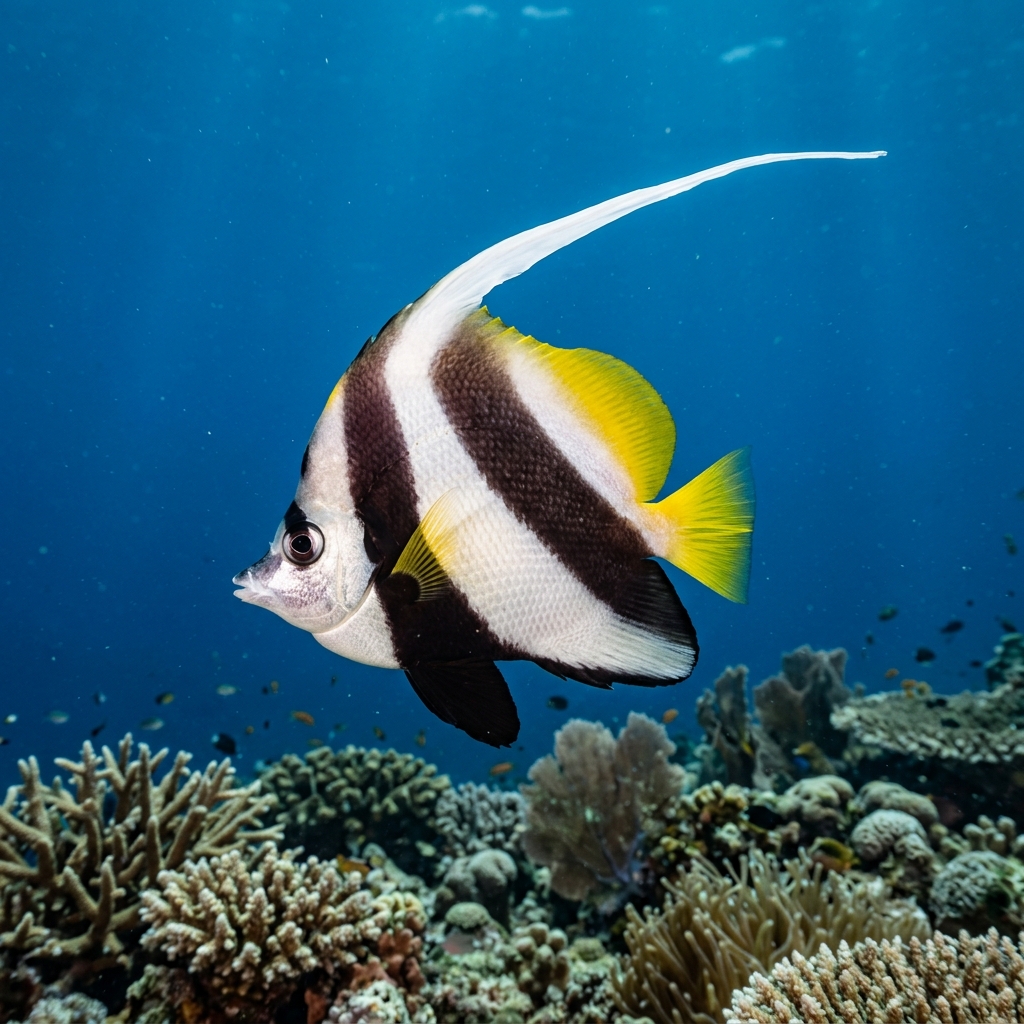
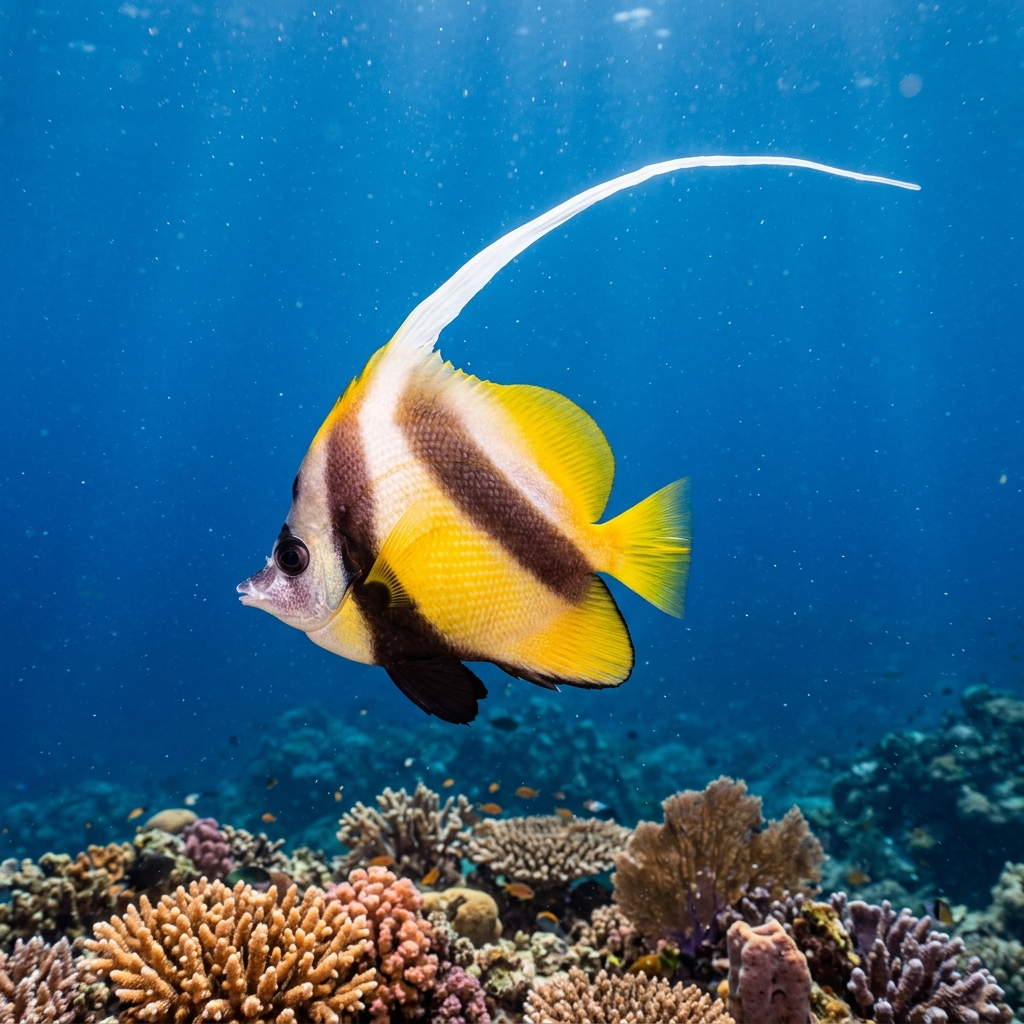
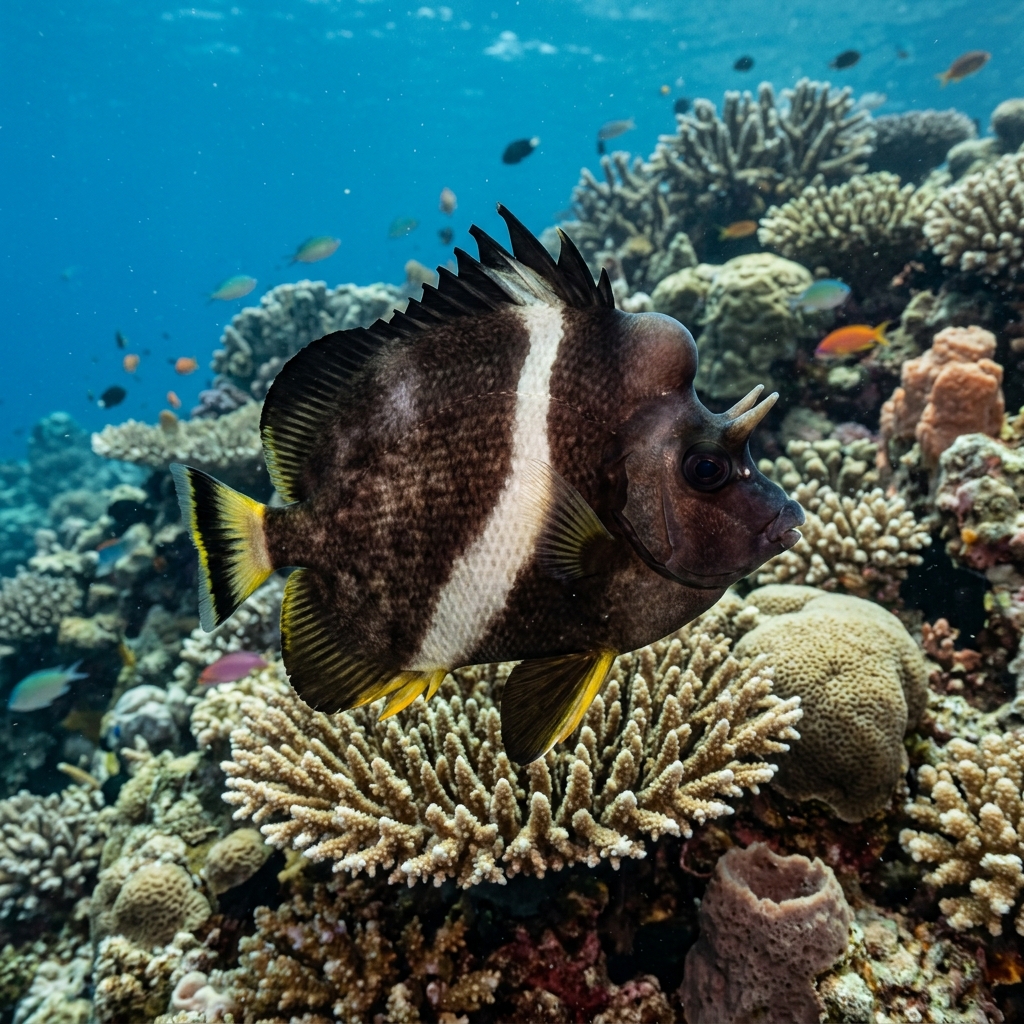
Two distinctive horn-like projections above the eyes are the standout feature that sets this butterflyfish apart from every look-alike underwater. The body is deep and laterally compressed, typical of chaetodontids, with a white-to-cream base marked by broad dark brown bands and a steeply angled snout. A long trailing dorsal filament adds to the dramatic silhouette. Juveniles show a similar pattern but lack fully developed horns, which grow more pronounced with age.
Typically encountered alone or in pairs moving slowly over coral-rich reef slopes and walls, probing crevices with that elongated snout for small invertebrates and coral polyps. It tends to maintain a cautious distance from divers but rarely bolts outright, giving you time to observe before it drifts into the reef structure. Sightings are most frequent in the shallower reef zones where coral diversity is highest.
The namesake bony horns above the eyes are unique in the butterflyfish family and their exact function is not fully understood, though they are thought to play a role in species recognition and possibly rival assessment.
In Northern Hemisphere sites such as the Philippines, Okinawa, and Indonesia, it is present year-round with no concentrated season, which aligns with its preference for warm water between about 27 and 29 °C. In Southern Hemisphere sites like Queensland, sightings concentrate between April and January.
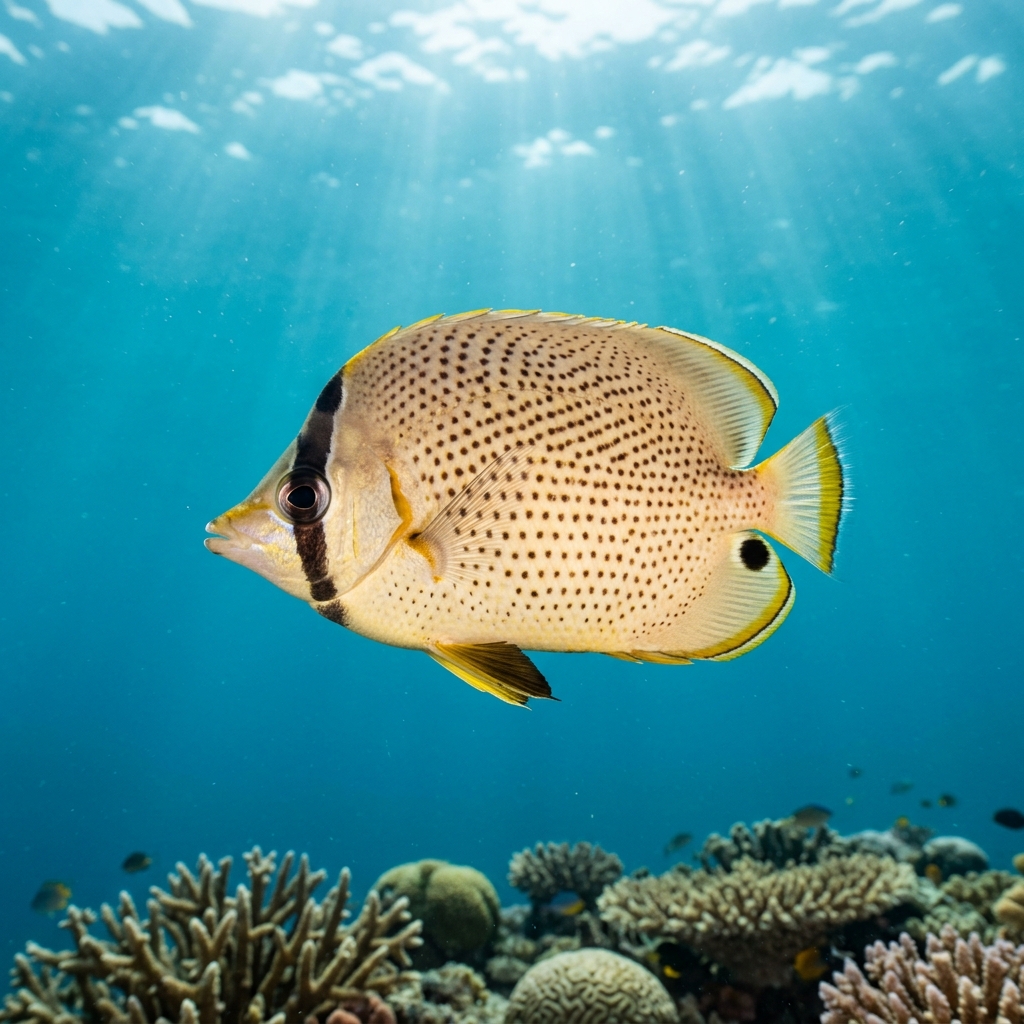
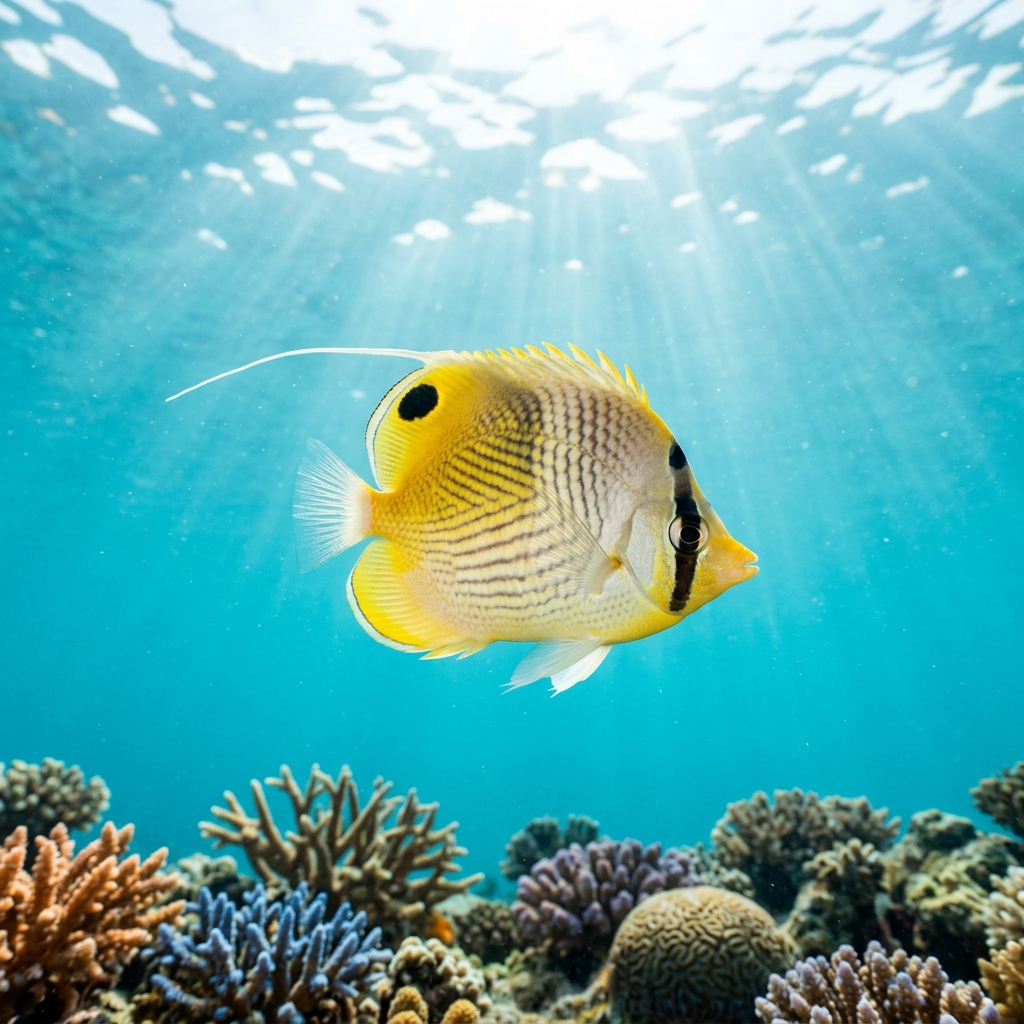
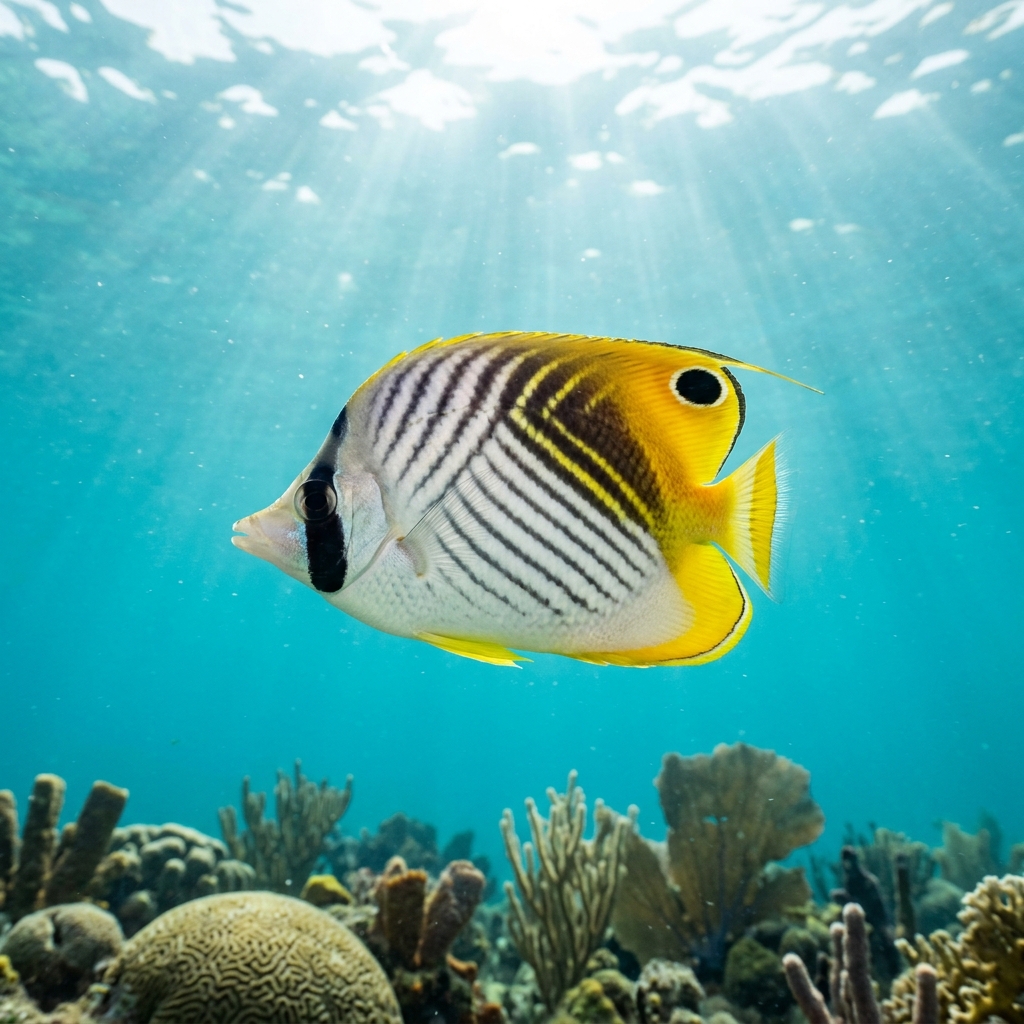
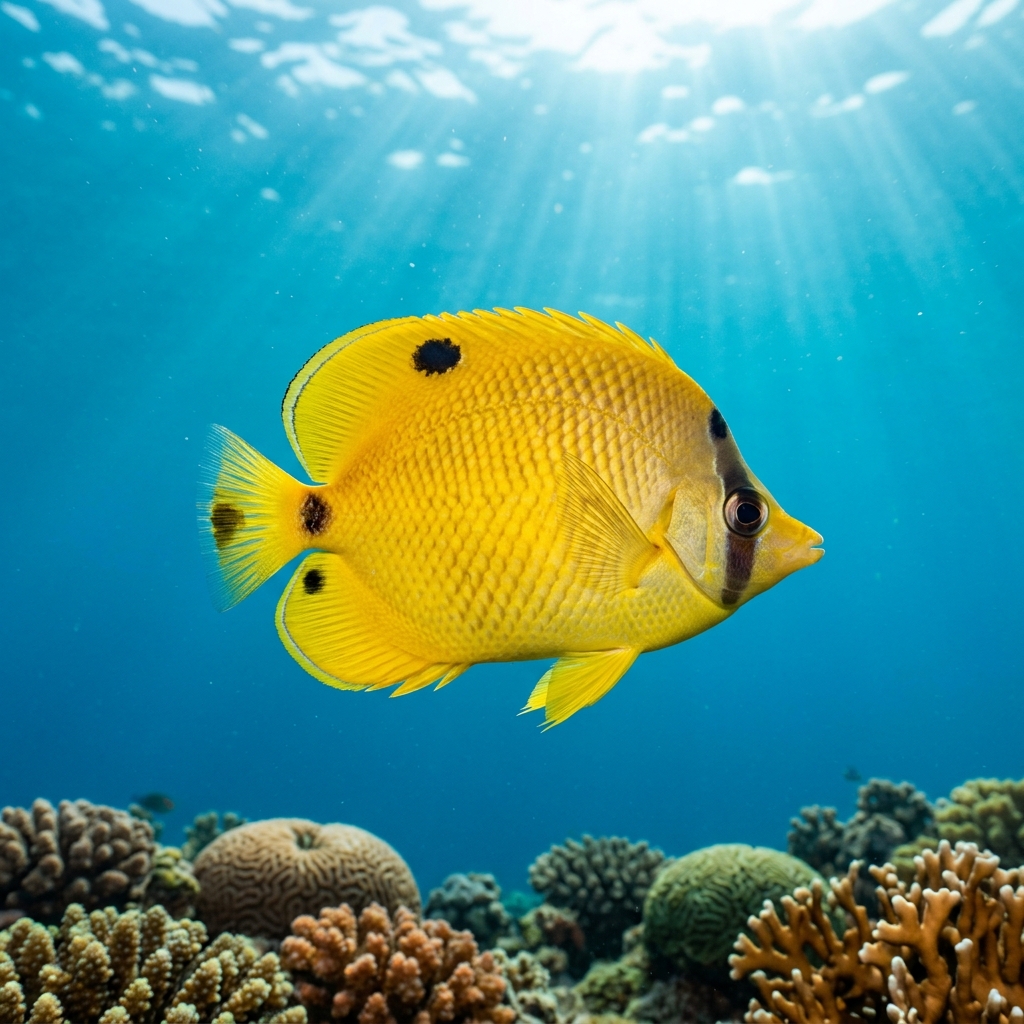
Reef neighbours a diver could mistake it for. Use the identification notes above to tell them apart.
Most commonly logged across Indonesia and the Philippines, with the Visayas region of the Philippines and the reefs around Bali, Lombok and Java producing the greatest number of sightings. Strong records also come from Sulawesi, Okinawa in Japan, East Sabah in Malaysia, and Queensland in Australia, making the Coral Triangle the clear heartland for encounters.
Mapping where Horned Bullfish is logged…
The Philippines and Indonesia are the top two countries by far, with the Visayas and Bali standing out as especially productive regions. Okinawa in Japan, East Sabah in Malaysia, Palau, Vanuatu, Fiji, and Queensland in Australia all have solid records too, placing this species firmly within the Coral Triangle and its immediate neighbours.
At Northern Hemisphere sites like the Philippines and Indonesia, sightings occur year-round with no single peak month. If you are diving in Southern Hemisphere locations such as Queensland, the data points to April through January as the productive window, with a quieter period around February and March.
Look for the pair of bony horn-like knobs above the eyes, no other reef butterflyfish has these. The body is deep and disc-shaped with broad dark brown and white bands, an elongated snout, and a long trailing dorsal filament. Spotting those horns ends the ID quickly.
Expect an uncommon sighting rather than a guaranteed one. Across the many sites where it has been logged, most divers record it only occasionally rather than on every dive. A handful of sites, mainly in the Philippines and Indonesia, do produce regular encounters, so targeted dives in those areas improve your odds.
No. Horned Bullfish pose no threat to divers. They are shy reef fish that generally keep their distance and move away if approached too quickly. Standard underwater etiquette, slow movements, no chasing, is all that is needed.
Site and sighting data is aggregated from diver logs, iNaturalist and GBIF. For taxonomy and conservation status: