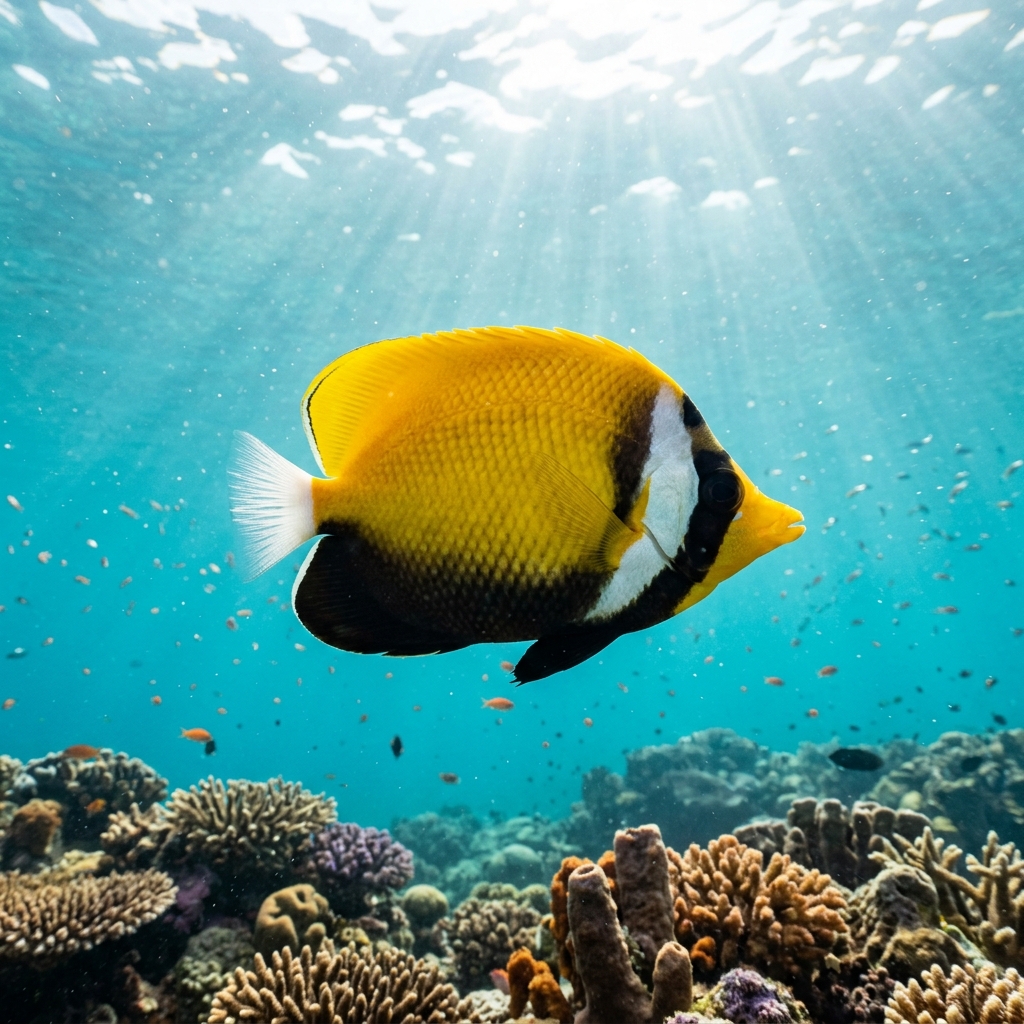
Hemitaurichthys polylepis
Spot the Pyramid Butterflyfish across Sulawesi, the Visayas and Tahiti. White pyramid marking makes it unmistakable in warm Indo-Pacific waters.
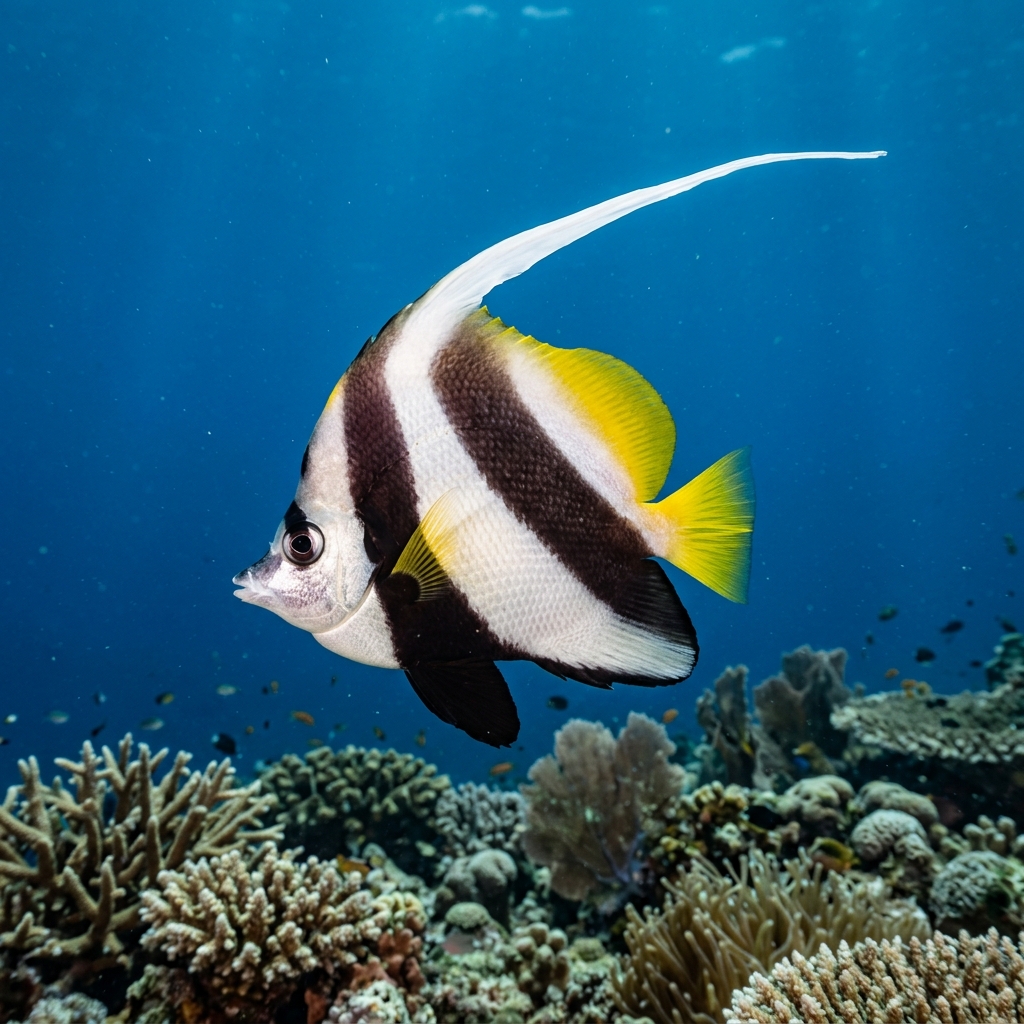
A mid-sized butterflyfish with a striking white triangular (pyramid-shaped) patch dominating the flanks, contrasting with a darker grey-brown head and upper back, and a bright yellow dorsal fin and tail. That bold white wedge, broadest at the belly and pointing upward toward the dorsal fin, is the single most reliable field mark underwater. The face is plain and lacks the bold eye-stripe typical of many of its relatives, which helps narrow the ID quickly.
Pyramid butterflyfish are frequently seen in loosely aggregated groups or pairs patrolling the upper reef slope and reef wall, often in open water slightly above the coral rather than picking at individual coral heads. They tend to be approachable and not particularly skittish around divers, holding their position long enough for a good look. Most sightings occur during the day when they are actively foraging.
Unlike many butterflyfishes that specialise in picking coral polyps, pyramid butterflyfish are planktivores, feeding on zooplankton in the water column. This is why you often see them hovering in small groups in open water above the reef edge rather than nipping at coral, which makes them unusual within the butterflyfish family.
In Northern Hemisphere sites such as the Philippines, Indonesia, and Hawaii, sightings concentrate from September through July, suggesting a quieter patch in August. In Southern Hemisphere locations like French Polynesia, the best window runs from April through February.
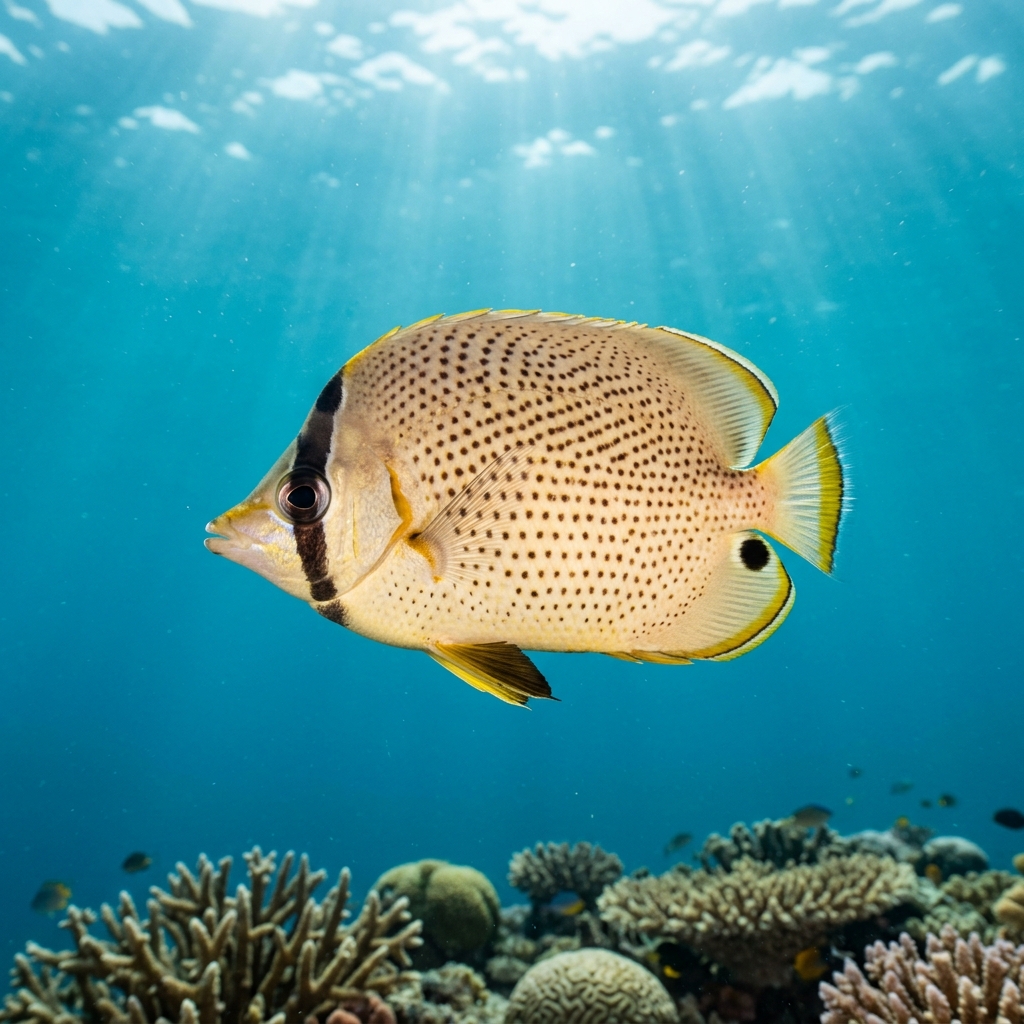
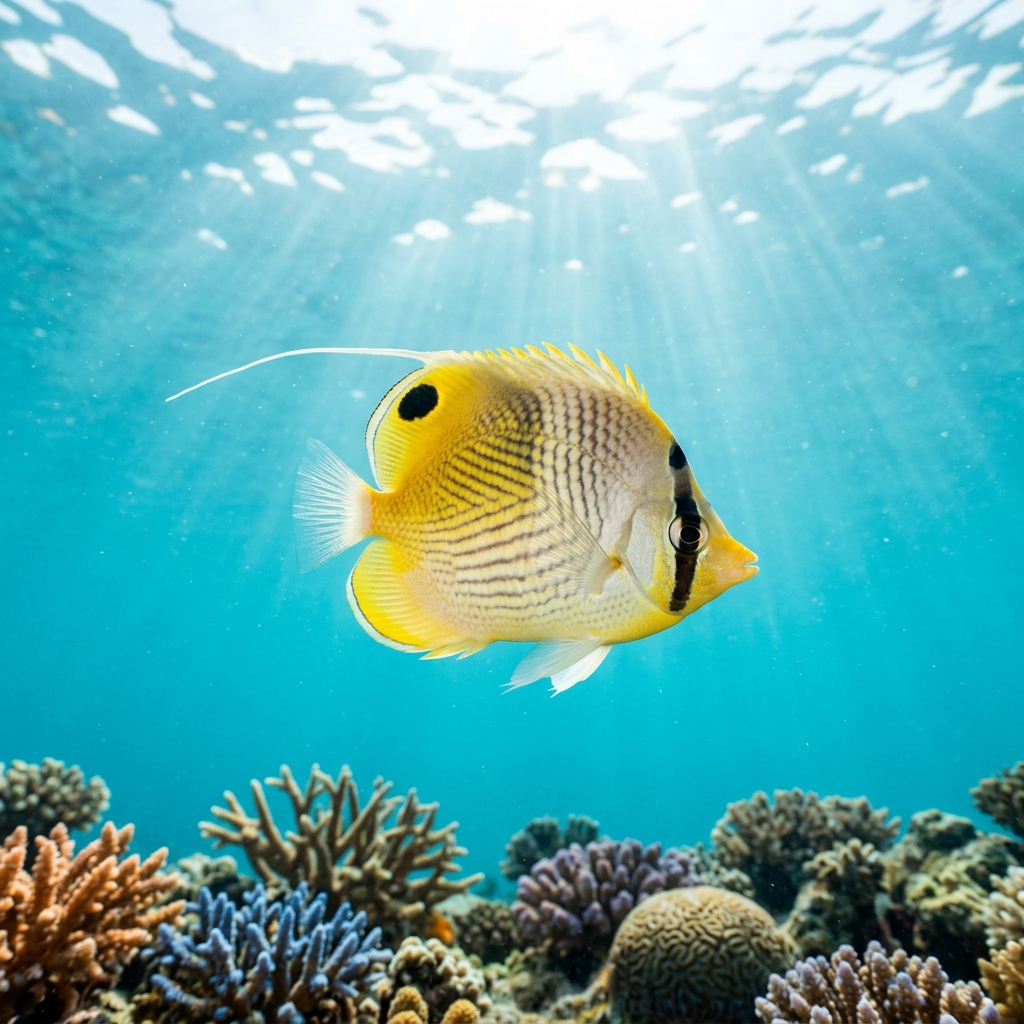
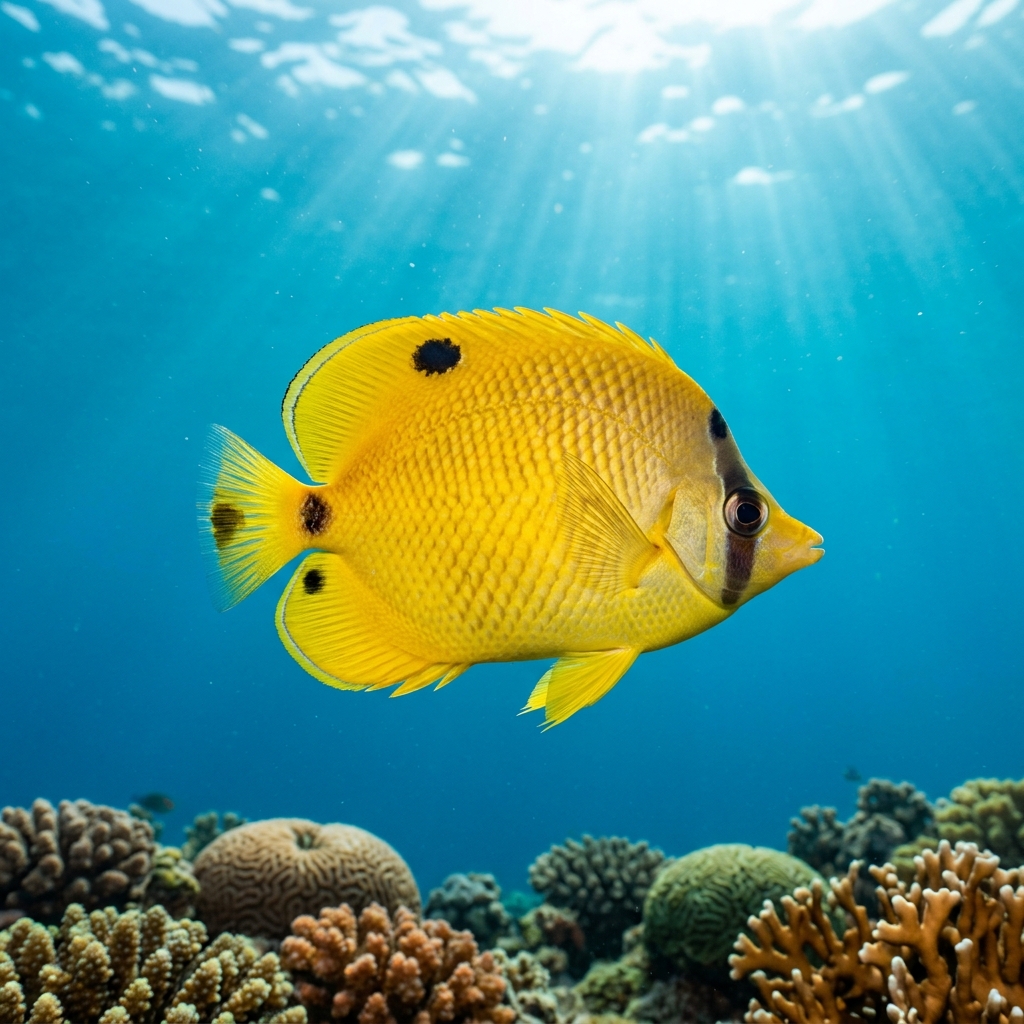
Reef neighbours a diver could mistake it for. Use the identification notes above to tell them apart.
Most commonly logged across Indonesia, particularly around Sulawesi, Bali, and the Banda Sea, and throughout the Philippine Visayas. French Polynesia, especially Tahiti, and Sipadan in East Sabah, Malaysia, are also strong locations, as is Hawaii, making this one of the few Indo-Pacific butterflyfish with a reliable Pacific presence stretching to the central Pacific.
Mapping where Pyramid Butterflyfish is logged…
The species is most reliably logged in Indonesia (particularly Sulawesi and Bali), the Philippine Visayas, French Polynesia, and Sipadan in East Sabah, Malaysia. Hawaii is a notable outlier where it is also regularly observed, making it one of the more widely spread Indo-Pacific butterflyfish.
At Northern Hemisphere sites such as the Philippines and Indonesia, sightings are strongest from September through July. In Southern Hemisphere destinations like French Polynesia, April through February is the peak window. The species is comfortable in warm tropical water between roughly 26 and 29 degrees Celsius, so it is present on suitable reefs through most of the year.
Look for the bold white triangular patch on the flanks that tapers upward like a pyramid, contrasting with a darker head and a yellow dorsal fin and tail. No strong eye-stripe is present, which sets it apart from many other butterflyfish. The combination of the white wedge and yellow dorsal makes it one of the easier butterflyfish to name on the reef.
No, they pose no threat to divers whatsoever. They are small, peaceful reef fish and are generally unfazed by diver presence.
They are planktivores, which is unusual for a butterflyfish. Rather than grazing on coral polyps or invertebrates on the reef surface, they hover in the water column and feed on zooplankton drifting past in the current. This is why they are often seen in loose groups away from the reef face, a behaviour that helps distinguish them in the field.
Site and sighting data is aggregated from diver logs, iNaturalist and GBIF. For taxonomy and conservation status: